80s Fashion Trends That Walked So Gen Z Could Run
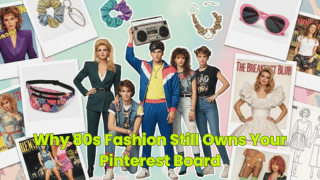
Let us get one thing straight. 80s fashion did not just happen. It marched in with big hair, big shoulders, and bigger attitude, then refused to leave. When you scroll through TikTok or Instagram today and see claw clips, wide jeans, and bright jackets, you are looking at the grandkids of bold 80s style.
I like to think of the eighties as that loud friend who always arrives early to the party. Pop culture was wild, music was dramatic, and clothes were even louder. Celebrities, movies, and music videos turned outfits into pure entertainment. The decade set the stage for the way Gen Z plays with fashion, gender, and self expression today.
If you love mixing thrift store finds with high street pieces, you are already living in the world that 80s fashion built. The decade gave people permission to experiment. It told people of all genders and every young person that clothes are not just fabric. They are identity, mood, and sometimes a little bit of chaos.
The Early Eighties: Where The Chaos Started
The early eighties did not start with full neon right away. Style was still a little bit 70s, a little bit disco, and a little bit confused. As the decade progressed, things got sharper, brighter, and more in your face. It was like the volume knob on style slowly turned all the way up.
You had flared hems hanging on from the seventies and slim cuts sneaking in for the new era. People were figuring out what their own style would look like in a new decade. Some leaned into comfort, some into glam, and some into pure rebellion.
As more people entered offices and more youth watched cable TV, popular trends spread faster. Music videos pushed looks into living rooms every day. Teenagers copied outfits from TV, and brands noticed. Fashion moved from slow and local to fast and global.
Power Suits And Power Dressing Take Over
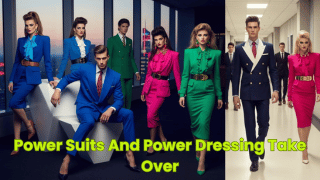
When you think about eighties style, you probably see power suits first. Those suits did not whisper success. They screamed it in bright colors, sharp cuts, and serious structure. They were the armor of a new kind of worker who wanted money, respect, and a corner office.
This was the peak of power dressing. People wore double breasted suits with large shoulder pads that made the upper body look strong and commanding. The message was simple. Take me seriously. I am here to win. Clothing became a fashion statement with very clear volume.
These suits were not only for men. More people of all genders walked into boardrooms, law firms, and media companies wearing suits that rivaled anyone else’s. Jackets, padded shoulders, sharp lines, and silk blouses created a look that said competence, ambition, and control. Offices had never seen this much drama.
Check out this EastSide Men’s 3 Pieces Suit here.
Breaking Barriers: The New Office Rebel
The eighties changed fashion for professionals in a huge way. People were not dressing just to look pretty. They were dressing to take space. Professional fashion mixed beauty with power. You saw structured jackets worn with pencil skirts or tapered jeans and pointed pumps.
Many office looks had shoulder pads that could almost knock someone over in a crowded elevator. Many people loved this feeling. Clothes made them feel taller and more confident. They felt ready to lead meetings and make deals. Sharp suits and blouses supported bigger career dreams.
At the same time, professionals wanted clothes that still felt fun and expressive. So you got silk shirts in jewel tones, spiked heels, shiny belts, and patterned scarves. Fashion let individuals look serious about their work while still loving style. That balance still lives in modern office wear.
READ ALSO: What Is Power Dressing and How to Master the Style
Men’s Fashion Trends: From Miami Vice To Street Kings
Men’s fashion in the 1980s was a wild ride through every mood and music video. If you picture pastel suits and no socks, you’re channeling the “Miami Vice” effect—think sleek tailoring, rolled sleeves, and a color palette that looked straight out of a Florida sunset. This was the era when power dressing wasn’t just for the boardroom. Designers like Giorgio Armani and Hugo Boss gave men broad shoulders and sharp lines, making the power suit a must-have for anyone chasing that Wall Street swagger.
But the decade didn’t stop at business. The streets were alive with hip hop style, as icons like LL Cool J and Run-DMC made adidas sneakers, gold chains, and leather jackets the uniform of cool. Baggy pants, bold logos, and oversized silhouettes set the tone for a new kind of swagger. Meanwhile, the preppy look was thriving on college campuses and in country clubs, with polo shirts, khaki pants, and Ralph Lauren button-downs defining clean-cut confidence.
As the decade progressed, men’s fashion got even bolder. Glam metal bands brought acid wash jeans, big hair, and band tees to the front row, proving that style could be as loud as the music. Whether you were a street king, a preppy prince, or a rock rebel, the 80s made sure every guy had a signature look—and Gen Z is still remixing those vibes today.
Punk Style And Anti Perfect Energy
Of course, not everyone wanted neat hair and matching suits. Punk style said no thanks to perfect looks and clean lines. It became the angry, creative cousin of polished eighties elegance. This style loved ripped clothes, heavy boots, and messy layers.
Designers like Vivienne Westwood pushed this energy forward. She turned safety pins, tartan, and black leather into runway moments. Punk was less about following popular trends and more about breaking every rule in sight. If something looked a bit wrong, it probably looked just right.
This movement influenced modern fashion in a big way. You can still see punk traces in distressed jeans, combat boots, and dramatic eyeliner. Whenever Gen Z mixes sweet dresses with heavy jackets or chunky shoes, that is punk attitude quietly living on.
Hip Hop Style Breaks All The Rules
While punk was raging in clubs, hip hop style was exploding on city streets. Hip hop gave the world oversized silhouettes, sports gear, and unapologetic swagger. Rappers and dancers wore bomber jackets, track suits, sports jerseys, and baggy pants.
Artists like LL Cool J made gold chains, adidas sneakers, and Kangol hats feel essential. This was not subtle fashion. It was bold, proud, and loud. The clothes reflected the beats, lyrics, and energy of the music itself.
Streetwear today owes a lot to this decade. The way Gen Z loves hoodies, big tees, and logo heavy pieces comes straight from 80s hip hop style. When you see someone pair t shirts with chains and jackets, you are watching eighties influence remix itself.
Preppy Look, Polo Shirts And Boat Shoes
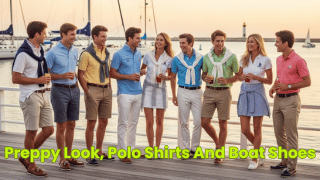
On the other side of the style spectrum, you had the polished preppy look. Think country clubs, colleges, and tidy lawns. This look gave us polo shirts, khaki pants, and pastel sweaters draped over shoulders. It was clean, neat, and very put together.
Brands like Ralph Lauren shaped these preppy fashions. Their ads showed perfect families on horses, boats, and tennis courts. Boat shoes, striped ties, and tailored shorts made people look like they were always ready for a weekend in the Hamptons.
If you see Gen Z styling collared shirts with mini skirts or wide jeans, that is the modern remix. The preppy base is still there, but the attitude is looser. People take the neat parts of the eighties preppy look and add sneakers, piercings, or bold makeup.
Check out this NAADAM Mens The Original Cashmere Crewneck Sweater here.
Denim Jackets, Acid Wash Jeans And Tapered Jeans
Let us talk denim. The eighties took jeans and turned them into a full personality. Denim jackets were everywhere, from rock stars to suburban parents. They were layered over dresses, t shirts, and oversized sweaters. They could look tough, casual, or even a bit romantic.
This was also the era of acid wash jeans. The pattern looked like someone attacked denim with bleach and attitude. These jeans were loud, fun, and very eighties. They often came in high waisted cuts, sometimes worn low on the hips, and usually with a tapered jeans shape at the ankle.
Today, people still love eighties denim energy. Big jackets, mom jeans, and playful washes feel normal again. Once more, modern fashion is just updating what the eighties already tried with full confidence.
Check out this Levi’s Men’s Trucker Jacket here.
Bold Colors, Neon Colors And Bold Patterns
If subtle style is your thing, the eighties might stress you out. This decade worshipped bold colors and neon colors. Pink, lime, orange, and electric blue were not just accents. They were entire outfits.
You saw bold patterns in everything. Graphic prints, stripes, abstract shapes, and wild color blocking took over closets. Even office wear got loud. Suits and dresses came in jewel tones and bright shades.
This love for color helped fashion feel fun and fearless. Today, when Gen Z builds outfits with clashing tones, they echo this same spirit. Color is not only decoration. It is a mood that walks into the room first.
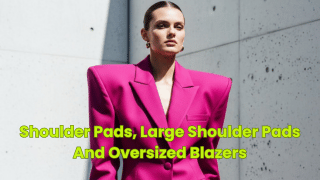
Shoulder Pads, Large Shoulder Pads And Oversized Blazers
We cannot talk about eighties style without mentioning shoulder pads. Actually, let us upgrade that. We need to talk about large shoulder pads that almost needed their own zip code. These pads sat inside oversized blazers, dresses, and coats.
The shape they created was strong at the top and narrow at the waist. It was basically a real life power filter. People looked ready to sign important deals or save the world. Padded shoulders were everywhere from high fashion suits to regular jackets.
Gen Z has brought back this look in a softer way. Oversized jackets, boxy blazers, and wide shoulders are trending again. The new versions feel relaxed instead of stiff, yet the idea is the same. Clothing can widen your frame and boost your presence.
Check out this 3 Pairs Shoulder Pads for Women Clothes here.
Off The Shoulder, Flared Jeans And Feminine Drama
Not every eighties trend was about sharp edges. Off the shoulder tops and dresses brought softness and romance. They showed skin without feeling too formal. This look worked with fitted skirts, flared jeans, or ruffled mini skirts.
The mix of volume and softness made outfits look playful. A young person could wear an off shoulder sweater with tapered jeans and heels, and they looked both casual and dressed up. It was effortless drama in one move.
You can see this idea in current style too. Off shoulder tops, wide leg jeans, and slouchy knits still dominate wardrobes. The eighties formula remains simple. Show a bit of shoulder, balance the volume, and let the outfit speak.
READ ALSO: 90s Style Fashion Making A Loud, Proud Comeback
Fitness Craze, Leg Warmers And Spandex Life
The eighties had one big obsession. Fitness. The fitness craze changed how people dressed both inside and outside the gym. Aerobics classes, workout tapes, and glossy magazines sold a new lifestyle.
This gave us leg warmers, headbands, leotards, and shiny tights. People layered bright pieces over each other and walked around like they just left dance rehearsal. Athleisure was being born, even if no one used that word yet.
Today, leggings, sports bras, and zip up jackets are everyday wear. When you see someone run errands in matching gym sets, that is the eighties talking. Comfort and movement became part of mainstream style back then and never left.
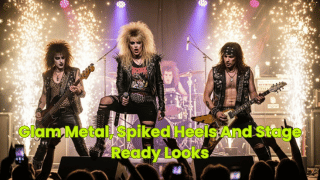
Glam Metal, Spiked Heels And Stage Ready Looks
At the same time, rock bands and glam metal stars turned outfits into costumes. Think tight pants, glitter, animal print, and very dramatic hair. Their stage clothes were wild and unapologetic.
Fans copied pieces of these looks in real life. Spiked heels, shiny leggings, metallic jackets, and heavily styled hair moved from concerts to clubs. Getting dressed could feel like getting ready to perform.
Gen Z loves this attitude today. Metallic pieces, platform shoes, and loud makeup still show up at festivals. The message is clear. Fashion can be fun, theatrical, and a little bit over the top.
Check out this Studded Stiletto High Heels here.
Leather Jackets, Black Leather And Rock Attitude
Few items have as much attitude as leather jackets. In the eighties, they showed up in movies, on stages, and in the streets. They were tied to rebellion, coolness, and confidence.
Black leather especially had strong energy. Paired with jeans, tube socks, boots, or heels, it looked tough but stylish. People of all genders wore leather to signal edge and independence.
Today, leather and faux leather jackets are timeless. Gen Z uses them to toughen up dresses, skirts, and soft pieces. Again, the eighties handed us the blueprint, and new generations keep editing it.
Check out this WULFUL Men’s Stand Collar Leather Jacket here.
Sports Jerseys, Tube Socks And Street Cool
For many teens, style did not come from runways. It came from gyms and fields. Sports jerseys, team jackets, and high tube socks became casual streetwear in the eighties.
This look crossed into hip hop, skate culture, and everyday outfits. People mixed athletic pieces with jeans, denim jackets, and adidas sneakers. Comfort met identity, since jerseys often showed favorite teams or cities.
Modern streetwear still loves this blend. Oversized jerseys, striped socks, and trainers show up in many Gen Z closets. The eighties idea that sportswear belongs everywhere stayed strong.
Check out this Oversized Crochet Jersey Shirts here.
Cowboy Boots, Parachute Pants And Wild Mixes
The eighties never worried about doing too much. Cowboy boots showed up with mini skirts, jeans, and even suits. They brought western flair into city life.
At the same time, parachute pants arrived with their swishy fabric and many pockets. Dancers and performers loved them. They moved easily and looked futuristic. You could say they were early streetwear experiments.
People mixed these pieces without fear. Boots, odd pants, bright tops, and layers all shared outfits. The decade taught us that clashing styles can still make sense when worn with confidence.
Check out this IUV Cowboy Boots For Women here.
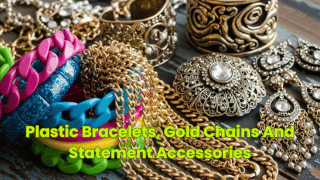
Plastic Bracelets, Gold Chains And Statement Accessories
Accessories in the eighties were not shy. Plastic bracelets, stacked bangles, and giant earrings filled jewelry boxes. Think bright, chunky, and noisy. These pieces turned simple outfits into full looks.
On the other side, there were heavy gold chains, big rings, and logo belts. Hip hop artists, rock stars, and actors all used jewelry to project status and persona. The shine was part of the message.
Gen Z still loves layered jewelry today. Stacks of rings, chains, and bangles feel normal. The eighties taught everyone that more can be more, especially when it comes to accessories.
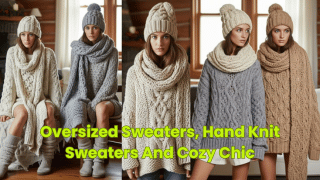
Oversized Sweaters, Hand Knit Sweaters And Cozy Chic
Not everything in the eighties was sharp and structured. Oversized sweaters made style soft and cozy. People wore them over leggings, jeans, or skirts. They looked relaxed yet intentional.
You also saw hand knit sweaters with patterns, textures, and sometimes a homemade feel. These knits matched the growing interest in individualism and craft. Clothes did not have to look factory perfect to feel fashionable.
Today, big sweaters are a cold weather staple. Gen Z pairs them with mini skirts, wide jeans, or tailored pants. Again, the eighties gave us comfort as a style statement, not just an afterthought.
Check out this Women’s Oversized Cable Knit Crewneck Sweaters here.
Bomber Jackets, Oversized Jackets And Street Edge
The eighties loved volume in outerwear. Bomber jackets moved from the military to the mainstream. They looked tough but easy, and they paired well with denim, skirts, and t shirts.
Along with bombers, people wore oversized jackets in every style. From long coats to short windbreakers, silhouettes were wide and dramatic. These shapes helped balance skinny pants or leggings.
Today, oversized outerwear is still everywhere. Gen Z throws big jackets over crop tops and dresses. The proportion play that started in the eighties still works perfectly.
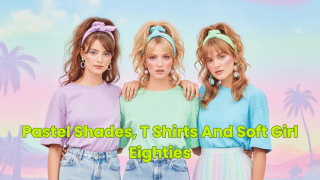
Pastel Shades, T Shirts And Soft Girl Eighties
For all the neon drama, the eighties also had a softer side. Pastel shades like mint, lilac, and baby blue showed up in suits, dresses, and casual pieces. They softened harsh silhouettes and made outfits feel dreamy.
Simple t shirts in soft colors paired with jeans, pleated skirts, or shorts. This created easy, everyday looks that still felt in style. You did not need a full suit or gown to look put together.
This balance between loud and soft still shapes fashion today. Gen Z often pairs gentle tones with strong cuts or heavy shoes. The mix keeps outfits interesting and flexible.
Children’s Fashion in the 1980s: Playground Trends and Mini Style Icons
If you were a kid in the 80s, your closet was a technicolor dream. Children’s fashion took all the decade’s bold patterns, bright colors, and pop culture energy and shrunk them down to playground size. Neon leg warmers, oversized sweaters, and parachute pants made every school day feel like a dance party. Even sports jerseys and denim jackets were fair game for the under-12 crowd.
Mini versions of adult trends were everywhere. Little girls rocked power suits with shoulder pads and carried tiny handbags, channeling their inner Princess Diana. Boys sported cowboy boots, hip hop-inspired tracksuits, and graphic tees that shouted their favorite bands or cartoons. As teen culture exploded, kids wanted to dress like their older siblings—mixing sports jerseys with parachute pants or layering denim jackets over everything.
As the decade progressed, comfort became key. Streetwear and sportswear-inspired looks took over, making it easy for kids to run, jump, and play in style. The 80s taught every generation that fashion is fun, fearless, and always a little bit extra—even on the jungle gym.
READ ALSO: 80s Hairstyle Comeback: Big, Bold Looks You Need to Try Now
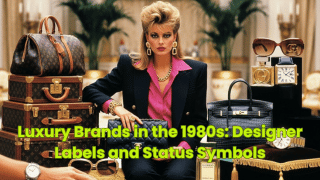
Luxury Brands in the 1980s: Designer Labels and Status Symbols
The 1980s were the golden age of designer labels, when wearing a logo was as important as the outfit itself. Fashion designers like Jean Paul Gaultier and Christian Lacroix turned runways into spectacles, serving up bold colors, lavish fabrics, and over-the-top details that screamed luxury. For many people, owning a piece from Chanel, Dior, or Yves Saint Laurent was the ultimate status symbol—a way to show the world you had arrived.
The rise of the “yuppie” brought luxury into everyday life, with high-powered professionals flaunting their designer wardrobes from the office to the cocktail bar. The Metropolitan Museum’s Costume Institute, under the legendary Diana Vreeland, celebrated these fashion moments with blockbuster exhibitions, cementing the 80s as a decade of style excess.
As the decade progressed, luxury became more accessible. Designer diffusion lines and upscale department stores made it possible for more people to get a taste of high fashion. The legacy? Today’s obsession with logos, statement pieces, and fashion as a form of self-expression all trace back to the 80s’ love affair with the label.
Fashion Designers Who Defined The Decade
A big reason the eighties had such strong identity was its fashion designers. Names like Jean Paul Gaultier, Christian Lacroix, Vivienne Westwood, and Anne Klein pushed bold ideas onto runways. Other designers also played a significant role in defining 80s fashion, contributing to trends such as power dressing, streetwear, and Japanese avant-garde styles. Their distinct approaches expanded the decade’s creative landscape and influenced how fashion evolved.
These designers experimented with structure, volume, and color. They embraced high fashion drama and then let those ideas trickle down into everyday clothes. Corsets over shirts, cone bras, wild patterns, and huge skirts did not appear by accident.
Many of these creative minds worked with or studied at places like Central Saint Martins, a school known for experimental design. Their work inspired future generations and helped shape the way modern fashion treats clothing as both art and function.
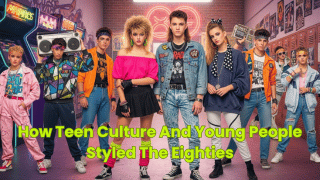
How Teen Culture And Young People Styled The Eighties
You cannot talk about eighties style without teen culture. Movies, TV shows, and bands shaped how young people dressed. School hallways became mini runways for trends.
Young people wore graphic t shirts, sports jerseys, jeans, and sneakers. Some leaned into skate inspired looks, while others followed preppy or punk scenes. Every group had its own uniform.
The idea that teenagers drive trends grew strong in this decade. Today, Gen Z still leads many style shifts on social media. Brands watch what young people wear and try to keep up.
From Wall Street To The Breakfast Club
Eighties style lived in both offices and movies. On one side, Wall Street culture showed slick suits, hair gel, and expensive watches. The workers in finance and business dressed like they were always closing a deal.
On the other side, films like Breakfast Club captured different teenage groups. You saw jocks in sports gear, rebels in black leather, popular kids in preppy outfits, and shy individuals in cozy layers. Each character had a clear visual code.
These stories made fashion feel like storytelling. Outfits hinted at personalities, dreams, and fears. Gen Z still loves this idea, especially when they reference old movies in their looks.
Preppy Fashions, Khaki Pants And Polo Power
Let us circle back to preppy fashions for a moment. The eighties refined the mix of khaki pants, polo shirts, cardigans, and loafers. This style suggested stability, money, and tradition.
Brands like Ralph Lauren and others sold this dream hard. Catalogs and ads showed crisp collars, boat shoes, and coordinated family outfits. The message was clear. Dress like this, and you belong.
Today, Gen Z borrows preppy elements but adds twists. A neat polo might sit under a denim jackets or over a mesh top. Old rules about matching and politeness no longer apply.
Check out this Mens Classic Fit Golf Pants here.
How More People Claim Space Through Fashion
In the eighties, more people worked outside the home and chased careers. Clothing followed that shift. People wanted outfits that helped them stand tall in rooms full of others.
Power suits, padded shoulders, pencil skirts, and structured coats became tools. Professional fashion looked strong without fully copying traditional menswear. Colors, silk, and jewelry kept softness in the mix.
This balance shaped future office style. Today, a young person can wear sneakers with a blazer or jeans with a silk shirt and still look professional. The eighties opened that door.
High Fashion Meets Street Style
During this decade, high fashion and street style started to influence each other more. Designers watched what people wore in clubs and on sidewalks. Then they brought those ideas to runways.
At the same time, everyday people copied looks from shows, magazines, and stars. That feedback loop made trends move faster. Fashion designers no longer lived in a bubble.
Now, Gen Z posts outfits online and gets instant feedback. The connection between streets and runways is stronger than ever, thanks to seeds planted in the eighties.
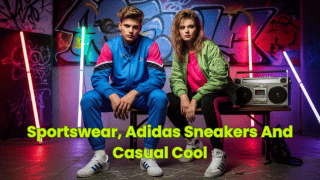
Sportswear, Adidas Sneakers And Casual Cool
Athletic gear stopped living only in gyms. Adidas sneakers, tracksuits, and branded jackets became part of daily wear in the eighties. This shift mirrored the fitness craze and the impact of hip hop.
People loved how comfy these items felt. Pairing sneakers with jeans, skirts, or dresses no longer looked strange. It looked fresh and modern.
Today, sneakers are often the star of the outfit. Gen Z plans entire looks around shoes. You can thank eighties style evolution for normalizing that.
Personal Style And Signature Style
One powerful gift of eighties fashion was confidence in personal taste. A young person in that decade had many paths. They could be preppy, punk, glam, sporty, or all of them at once.
Fashion media began talking more about own style and signature style. The idea was simple. Learn from trends, then choose what fits your life and personality.
Gen Z has taken this further. Today, people mix vintage, thrifted, and new pieces to build unique looks. The eighties started the conversation. Modern youth continues it loudly.
Fashion Beyond The Office
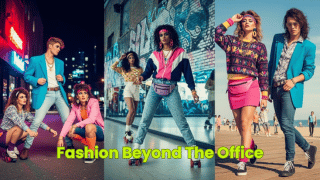
While office wear got plenty of attention, fashion outside work also changed. There were party dresses with sequins, casual jeans with off the shoulder tops, and day dresses with wide belts.
Fashion in the eighties celebrated fun. Many pieces moved easily from day to night. Add heels, brighter lipstick, or bigger earrings, and you were ready for the evening.
This flexibility helped later decades value versatile clothing. Gen Z loves items that work for school, work, and going out. Once again, the eighties walked so they could run.
How The Following Decade Borrowed From The Eighties
The following decade did not erase eighties trends. It softened some of them. Shoulder pads shrank, colors toned down, and silhouettes relaxed.
Yet key elements stayed. Denim, sneakers, logo wear, and casual pieces remained popular. Many teens in the nineties grew up with 80s fashion parents, so the visual language stayed familiar.
Even now, each new decade reworks eighties ideas. The cycle of influence never really stopped.
Street Style, Oversized Blazers And City Energy
City streets in the eighties were full of style experiments. Oversized blazers with rolled sleeves, big belts, and layered jewelry appeared everywhere. People looked like they left a music video or ad shoot.
Street style photographers captured these looks. Magazines and newspapers sometimes featured real people instead of only models. That helped everyday outfits gain credibility.
Today, street style at fashion weeks works the same way. Real people wearing bold looks influence designers and brands. The eighties helped start that loop.
Pointed Toes, Teased Hair And Beauty Drama
Footwear and hair in the eighties were not exactly shy. Pointed toes on pumps and boots sharpened every outfit. These shoes made legs look longer and stances look stronger.
Meanwhile, teased hair reached new heights. Hairspray became a daily tool. Big curls, high bangs, and voluminous styles matched the drama of clothes.
Gen Z may not tease hair as high, but the love for distinct beauty looks remains. Bold makeup, strong brows, and interesting hair colors keep the spirit alive.
T Shirts, Jean Jackets And Everyday Cool
For daily wear, many people kept things simple. T shirts with band logos, graphics, or slogans were very popular. They paired well with denim jackets, jeans, and sneakers.
This combination worked for concerts, weekends, and casual evenings. It looked easy but still carried personality, especially when layered with jewelry or jackets.
Today, this formula has not changed much. It is still a go to look for both comfort and style. Eighties casual outfits truly built a timeless template.
Preservation of 80s Fashion: Vintage, Thrift, and the Collector’s Closet
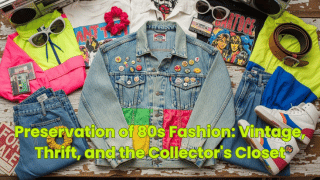
The 80s never really left—they just moved to the back of your favorite thrift store. Preservation of 80s fashion is a booming scene, with collectors and style hunters searching for leather jackets, oversized blazers, and anything in bold colors. Vintage shops are packed with treasures: high-waisted jeans, graphic tees, and statement accessories that instantly transport you back to the era of excess.
Social media and online marketplaces have made it easier than ever to find and share rare 80s gems. Collectors show off their finds, swap stories, and keep the spirit of the decade alive. Fashion designers are also in on the nostalgia, pulling 80s inspiration into modern fashion with updated takes on classic silhouettes and fabrics.
Whether you’re a die-hard collector or just love a good thrift flip, the 80s offer endless inspiration. The decade’s fearless approach to style—mixing, matching, and making a statement—continues to shape how we dress, shop, and express ourselves today.
Why 80s Fashion Still Rules Modern Fashion
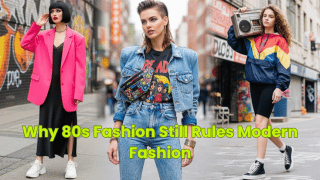
So why does 80s fashion keep returning to runways, thrift stores, and mood boards. The answer is range. The decade offered sharp suits, soft knits, wild prints, and simple jeans.
It allowed people to experiment without shame. Modern fashion still relies on this freedom. You can dress like a business boss one day and like a punk inspired artist the next.
Gen Z loves this flexibility. Personal identity is fluid, and style follows that idea. The eighties made fashion big enough to hold many stories at once.
How Gen Z Can Use 80s Fashion Today
If you want to channel eighties energy, start small. Try oversized blazers, bright jackets, or acid wash jeans. Add gold chains, big earrings, or stacked bracelets for extra drama.
Play with bold colors, prints, and structure. Mix soft pieces with strong shapes. Remember, style in that decade was about confidence, not perfection. Most importantly, focus on your own style. Use the eighties as a reference, not a strict rule book. That is exactly how this decade wanted it.
The Decade That Walked So You Could Run
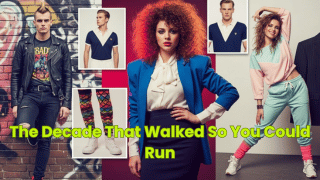
In the end, 80s fashion did more than create loud outfits. It proved that clothing can reflect power, rebellion, comfort, and joy all at once. It turned suit jackets, leg warmers, leather jackets, and polo shirts into cultural symbols.
From power suits and punk style to hip hop tracksuits and preppy look polos, the decade covered every mood. It gave young people and adults of all genders the tools to show who they were.
So when Gen Z experiments with vintage, thrift flips, and new pieces, they are not just being trendy. They are continuing a story that started decades ago. The eighties walked boldly so you could run in your sneakers, boots, or spiked heels without looking back.
UP NEXT: Fall Fashion for Guys Who Just Googled “Fall Fashion”
Source link