Lecture 7: Stop Loss Mastery – Protecting Your Capital Like A Professional | Trading Strategy Guides
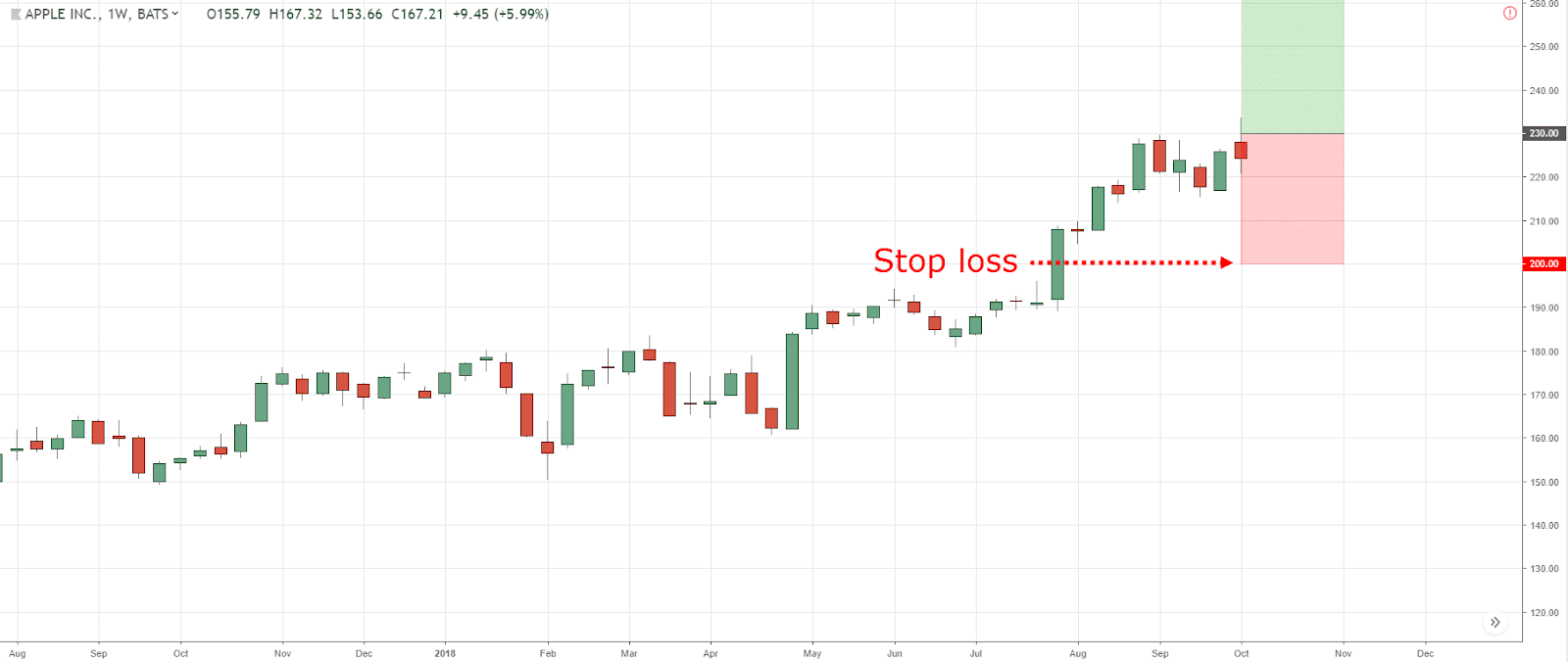
Welcome to Day 7! You’ve learned everything about finding and entering inside bar trades. Now comes the most important part: protecting your money when you’re wrong.
Here’s a truth that might shock you: You can be right 70% of the time and still lose money with poor risk management. Conversely, you can be right only 40% of the time and make consistent profits with proper stop placement.
Today, I’m teaching you exactly where to place your stops to trade like a professional.
The Professional’s Secret
Most traders think backwards about stops. They find a trade they like, then figure out where to put their stop. Professionals do the opposite – they find logical stop levels first, then decide if the trade is worth taking.
This simple mindset shift will transform your trading results.
Method 1: The Mother Bar Stop (Most Reliable)
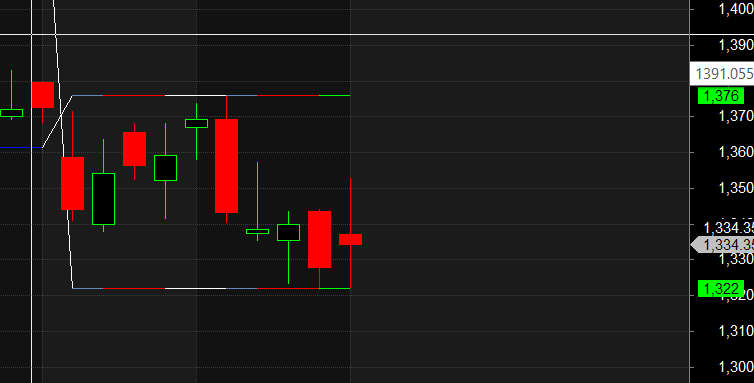
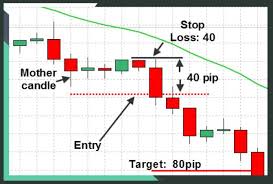
This is your bread and butter approach. Place your stop 5-10 pips beyond the mother bar’s range. If you’re long, the stop goes below the mother bar’s low. If you’re short, the stop goes above the mother bar’s height.
The logic is bulletproof: if price breaks the mother bar range, your entire inside bar setup is invalid. You were wrong about the market’s intention, so you exit before losses become catastrophic.
Example: EUR/USD inside bar with mother bar ranging from 1.1300 to 1.1200. Your long stop goes at 1.1195. Simple and effective.
The only downside? Sometimes, mother bars are huge, creating stops that are too wide for your account size. That leads us to position sizing.
Google Search: Look up “mother bar stop loss inside bar” to see this method in action.
Method 2: The Inside Bar Stop (More Aggressive)
Some traders prefer stops just beyond the inside bar range itself. This creates much tighter stops and better position sizing, but you’ll get stopped out more often by normal market noise.
I only use inside bar stops when I have extremely high conviction about direction or when the mother bar is unusually large. Most of the time, I stick with the conservative mother bar approach.
Method 3: The Structural Stop (The Pro Approach)
Instead of mechanical pattern-based stops, place them beyond significant market levels that actually matter. Sometimes the most logical stop isn’t related to your inside bar at all, but to major support/resistance that would invalidate your trade idea.
This requires more analysis but often provides the most sensible risk management. You’re thinking like institutional traders who care about market structure, not just patterns.
Position Sizing: The Account Saver
Here’s where most traders destroy themselves: they choose position size first, then figure out stops. Do the opposite.
Calculate your stop distance first, then determine position size based on your maximum risk tolerance. If you risk 2% per trade on a $10,000 account ($200), and your stop is 100 pips away ($100 per lot in EUR/USD), you can trade a maximum of 2 lots.
This mathematical approach removes emotion and prevents account-killing mistakes.
The ATR Advantage
Instead of fixed pip stops, use Average True Range (ATR) to adjust for current market volatility. If EUR/USD’s 14-period ATR is 80 pips, place stops at 1.5 x ATR (120 pips) from entry.
This automatically adapts your risk management to market conditions – wider stops during volatile periods, tighter during quiet ones.
The Deadly Mistakes to Avoid
Never move stops against your position. Your original placement was based on objective analysis. Moving it is based on hope and fear – emotions that destroy accounts.
Also, avoid placing stops at obvious round numbers where everyone else has theirs. Consider going 10-20 pips beyond these levels to avoid stop hunting by institutions.
The Risk-Reward Reality
No inside bar trade is worth taking without at least a 2:1 risk-reward, preferably 3:1 or better. If you’re risking 100 pips, target 200-300 pips minimum.
Many perfect-looking setups aren’t worth trading because nearby resistance prevents adequate profit targets. It’s better to skip these and wait for clearer opportunities.
Your Stop Loss Assignment
Find three recent inside bar setups. For each one, calculate stops using the mother bar method, determine the proper position size for a $10,000 account risking 2%, and identify profit targets. Calculate the risk-reward ratio for each.
This exercise will show you how stop placement affects everything about your trading.
The Professional Mindset
The biggest transformation comes from shifting focus from being right to managing risk. Instead of asking “Will this make money?” ask “Can I afford this loss?”
Your stop loss isn’t just protection – it’s a tool that keeps you in the game long enough for your edge to work over many trades.
Week 1 Complete!
Congratulations! You’ve built a complete inside bar trading foundation. You can identify patterns, understand psychology, grade quality, choose timeframes, analyze context, execute entries, and manage risk professionally.
Next week, we advance to intermediate concepts: target setting, direction prediction, false breakout management, and advanced patterns. But first, appreciate how far you’ve come.
You now have the tools to trade inside bars like a professional. The difference between you and struggling traders isn’t just knowledge – it’s your systematic approach to every aspect of the trade.
Remember: profitable trading isn’t about being right all the time. It’s about being wrong small and right big. Master your stops, and you’ve taken the most important step toward consistent profits.
Tomorrow we start Week 2 – get ready to take your inside bar trading to the next level!
Source link