Lecture 8: Target Setting And Profit Taking – Where To Exit Your Inside Bar Trades | Trading Strategy Guides
Welcome to Week 2! You’ve mastered inside bar fundamentals. Now let’s tackle something most traders get wrong: where to take profits.
Here’s a shocking truth: most traders focus 90% on entries and 10% on exits. Professionals do the opposite. They know exits determine whether you actually make money on winning trades.
Today, I’m teaching you exactly where to place targets for maximum profitability.
The Target Setting Secret
Think about your last winning trade. Did you exit too early and watch price keep going? Or hold too long and give back profits? Both behaviors destroy profitability.
The solution is simple: have your exit plan before you enter, not after you’re in profit.
Method 1: Support and Resistance Targets
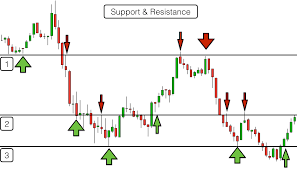
Look for obvious levels where other traders will take profits or enter counter-trend. These become natural profit zones.
EUR/USD breaks out of an inside bar at 1.1250 heading up. You scan for previous resistance – maybe there’s clear resistance at 1.1320. That’s your target.
You’re front-running other traders who’ll likely react at that same historical level.
Method 2: Measured Move Targets
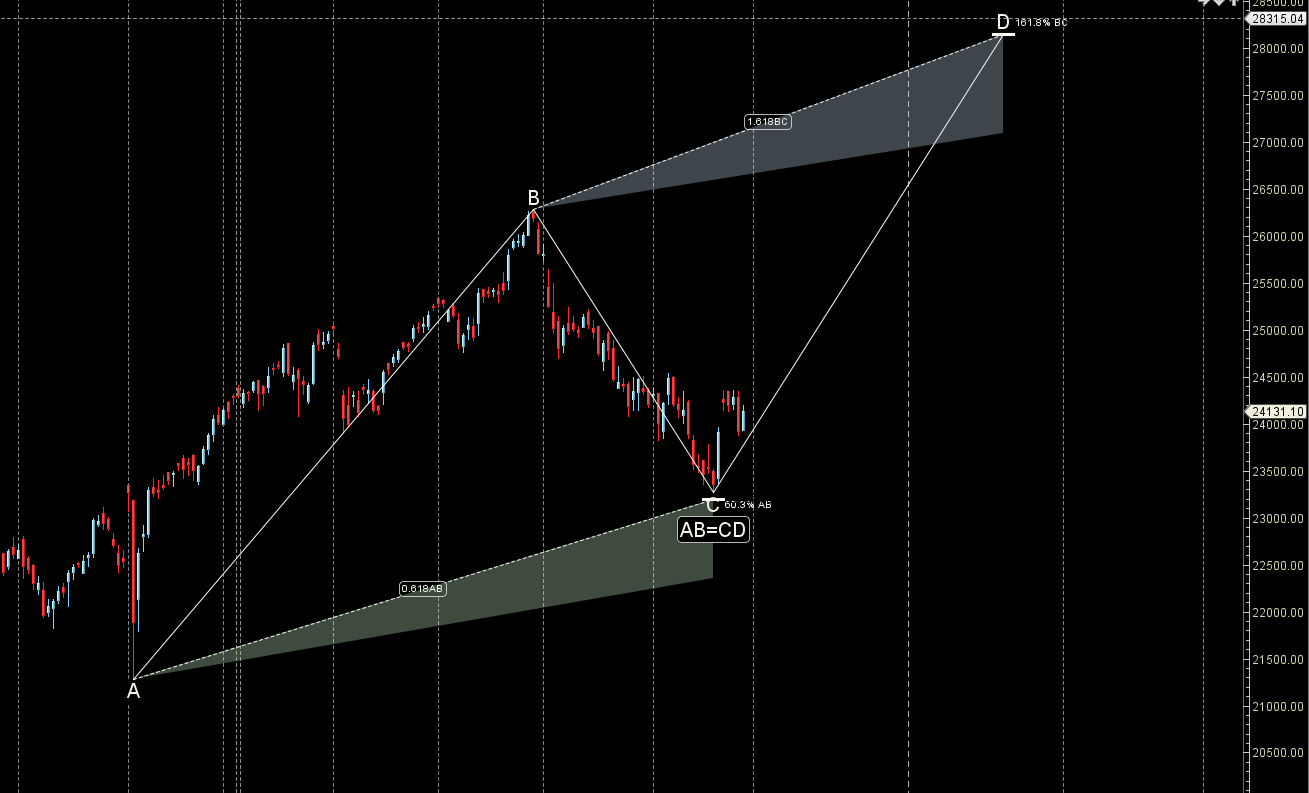
Use the mother bar’s range to project targets. If the market compressed into an inside bar, expansion often equals or exceeds the original move.
Mother bar moved 150 pips? Target at least 150 pips from the breakout point. This works because inside bars represent compression before expansion.
I’ve seen breakouts produce 2-3 times the mother bar range in strong trends.
Method 3: Fibonacci Extensions
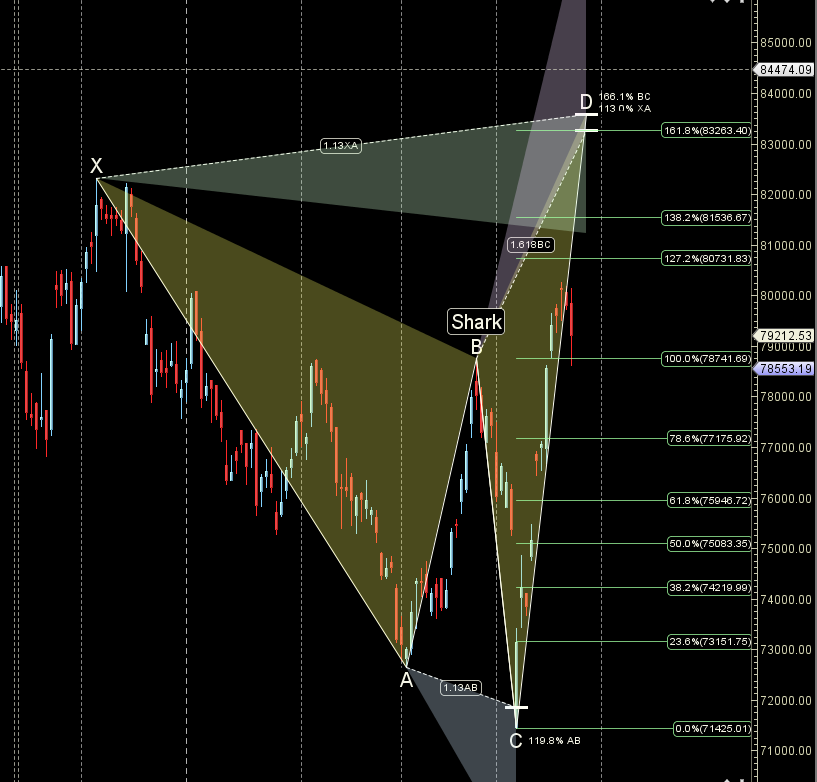
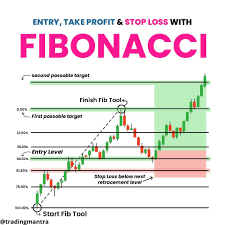
Draw Fibonacci extensions from the mother bar range. Key levels are 127.2%, 161.8%, and 261.8%.
The 161.8% extension is pure gold for inside bar breakouts. It represents golden ratio expansion and frequently marks where initial moves stall.
The Multiple Target Strategy
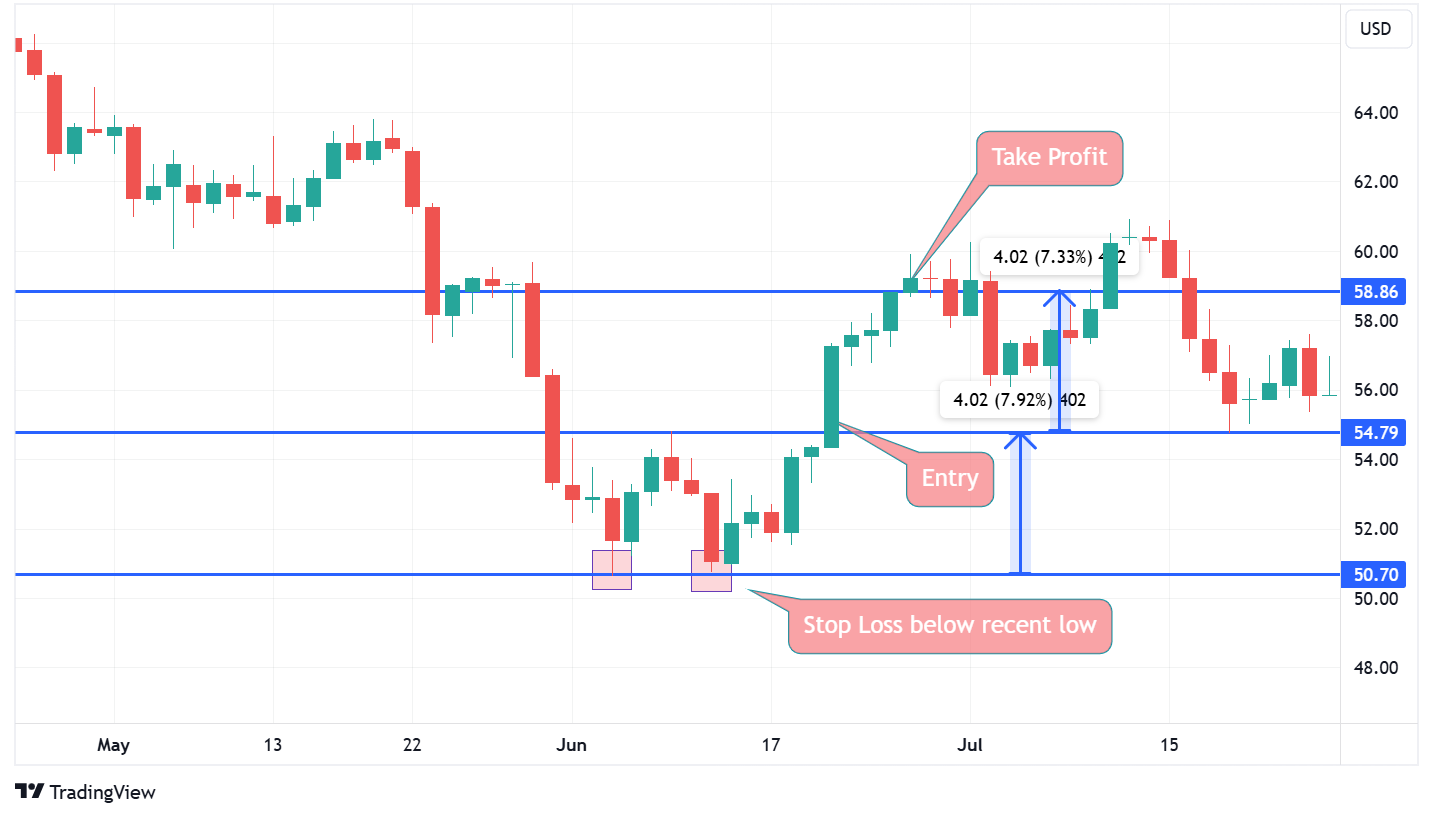
Split your position: take one-third profits at first resistance, another third at measured move, final third at Fibonacci extensions.
This captures profits if the move stalls early while keeping exposure for major trends. You optimize across all scenarios instead of trying to pick perfect exits.
Time-Based Exits
Inside bar moves develop quickly. Daily setups should hit targets within 2-4 days. If not, consider taking profits anyway.
Moves that take too long often lack conviction and reverse. Time kills momentum, especially for pattern trades.
Common Mistakes
Not having targets at all leads to emotional, random profit-taking. Setting targets too close rarely justifies the risk taken. Moving targets further away once hit is hope-based trading.
Stick to your predetermined levels.
Market Adjustments
Trending markets: target 2-3 times mother bar range. Ranging markets: take profits at first resistance. Volatile markets: take profits in stages.
Your Assignment
Find three completed inside bar breakouts. Identify where you’d have placed targets using support/resistance, measured moves, and Fibonacci extensions. Compare to actual results.
This calibrates your targeting intuition.
The Bottom Line
Targets aren’t just about maximizing profits – they protect gains from reversals. Better to capture 80% of a move with certainty than aim for 100% and risk giving it back.
Entries get you in the game, but exits determine if you win. Master your targets, and you’ll actually make money on winning trades.
Next Week: predicting breakout direction before it happens!
Source link