Lecture 11: Inside Bar Combination Patterns: Multiple Inside Bars And Complex Formations Guide | Trading Strategy Guides
Welcome to Day 11! You’ve mastered single inside bars and managing false breakouts. Today, we’re exploring the advanced formations that often produce the most spectacular moves: inside bar combinations and complex patterns.
These aren’t just multiple patterns – they’re compression systems that build enormous pressure before exploding with tremendous force.
Let me show you the combinations that professional traders hunt for.
The Multiple Inside Bar Powerhouse
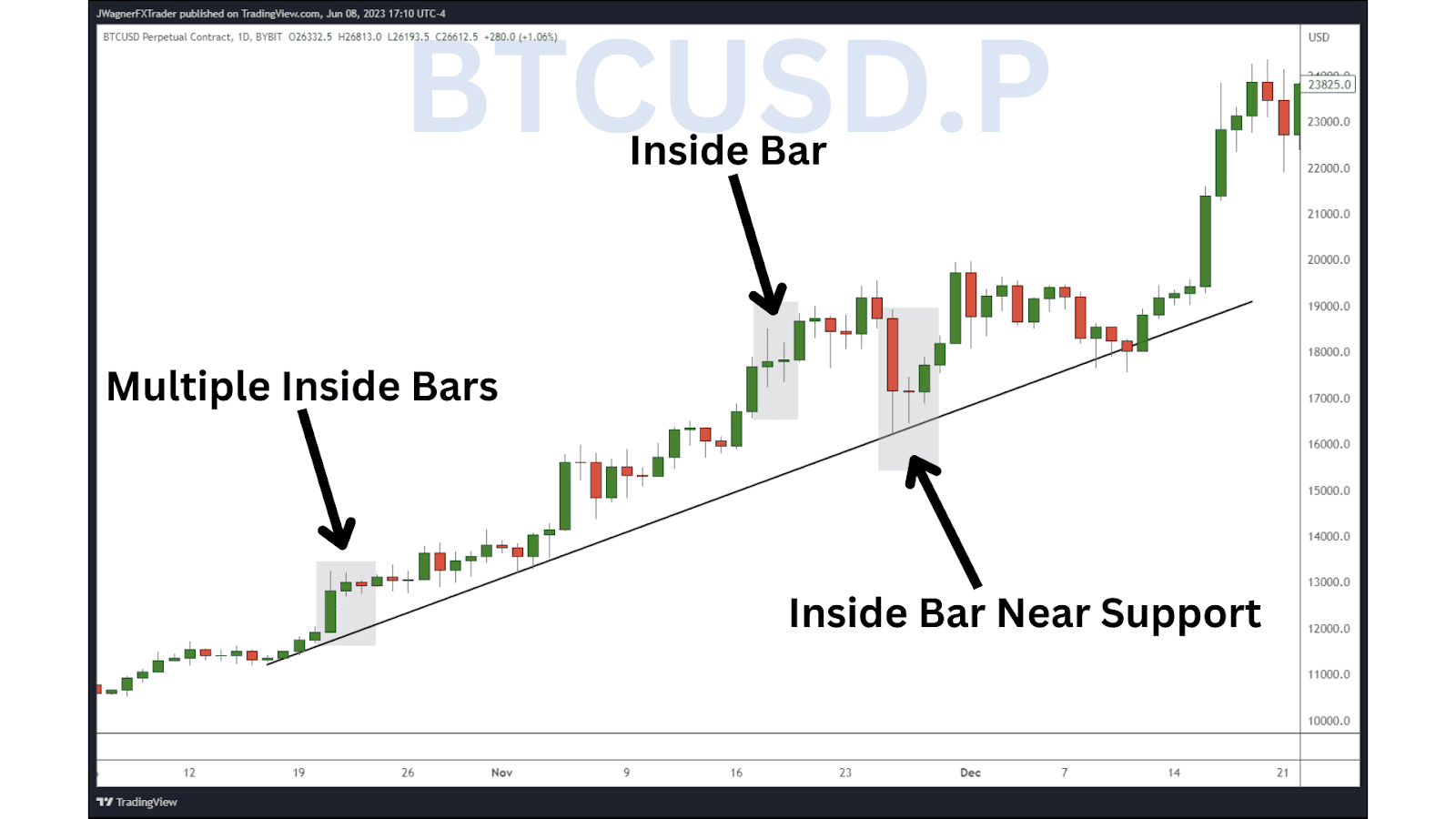
When you see two, three, or even four inside bars in sequence, you’re witnessing extended market compression. Each additional inside bar adds pressure to the system like tightening a coiled spring.
Double Inside Bars are relatively common and already powerful. The market showed indecision, then showed even more indecision. When resolution finally comes, it’s often dramatic.
Triple Inside Bars are rare gems. Three consecutive periods of compression create enormous tension. I’ve seen triple inside bar breakouts produce 300-500 pip moves in major forex pairs.
Quadruple Inside Bars and Beyond are trading unicorns. When you find them, pay attention. The eventual breakout often becomes a major trend that lasts weeks.
The Coiling Pattern Magic
Sometimes, inside bars don’t just repeat; they get progressively smaller, creating a “coiling” effect. Each bar compresses tighter than the previous one, like a spring being wound tighter and tighter.
EUR/USD forms an inside bar with a 100-pip range, followed by one with 80 pips, then 60 pips, then 40 pips. This coil shows the market literally running out of room to move before the explosion.
Coiling patterns often occur before major news events as traders become increasingly uncertain. The eventual breakout typically coincides with news catalysts that provide directional clarity.
Inside Bars Within Larger Patterns
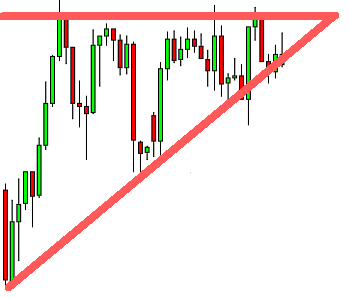
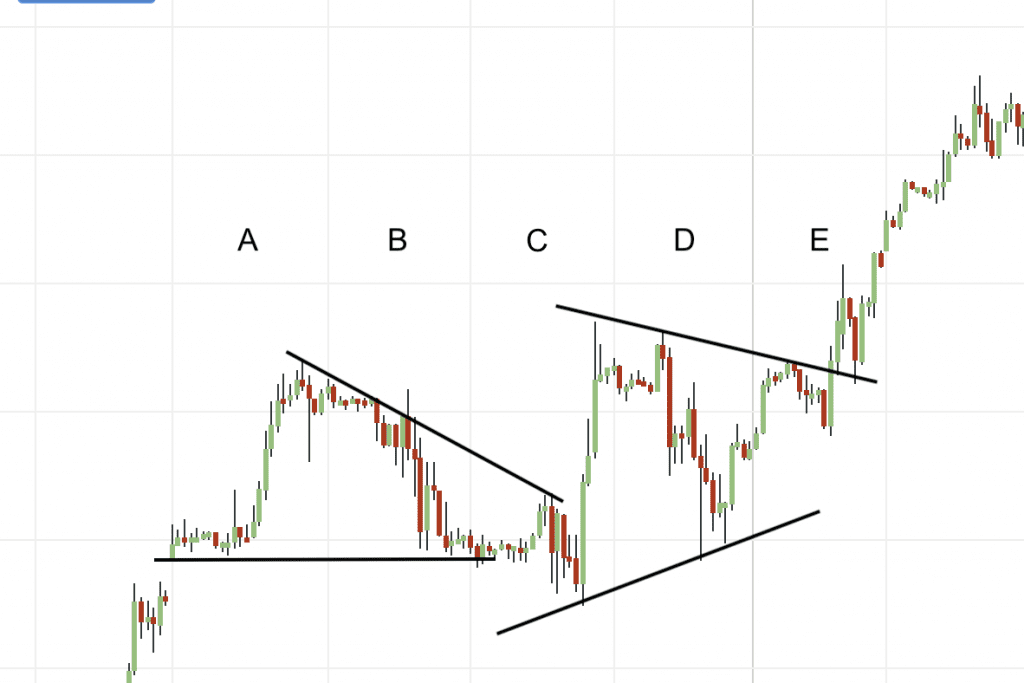
Some of the best setups occur when inside bars form within larger chart patterns like triangles, flags, or channels.
Triangle Inside Bars form near the triangle apexes, where the pattern is nearly ready to break. The inside bar represents the final compression before the triangle resolution.
Flag Inside Bars occur within flag patterns during trend continuation phases. They often mark the end of the consolidation before trend resumption.
Channel Inside Bars form when the price reaches the channel boundaries and consolidates before bouncing or breaking through.
These combinations are powerful because you have both pattern-based and price action-based signals aligning.
The Inside Bar Cluster Formation
Sometimes you’ll see inside bars forming at multiple timeframes simultaneously. A weekly inside bar contains daily inside bars, which contain 4-hour inside bars.
This creates “compression within compression within compression” – multiple timeframes all showing indecision at the same time. When resolution comes, it often affects multiple timeframes dramatically.
Multi-timeframe inside bar clusters are among the highest-probability setups you’ll ever find. The alignment of multiple timeframes creates tremendous trading opportunities.
The Pin Bar Inside Bar Hybrid
We touched on this in Day 3, but it deserves deeper attention. When an inside bar is also a pin bar, you get both compression (inside bar) and directional bias (pin bar rejection).
The pin bar element often hints at breakout direction, while the inside bar element provides the compression energy. This combination frequently produces reliable directional moves with excellent risk-reward ratios.
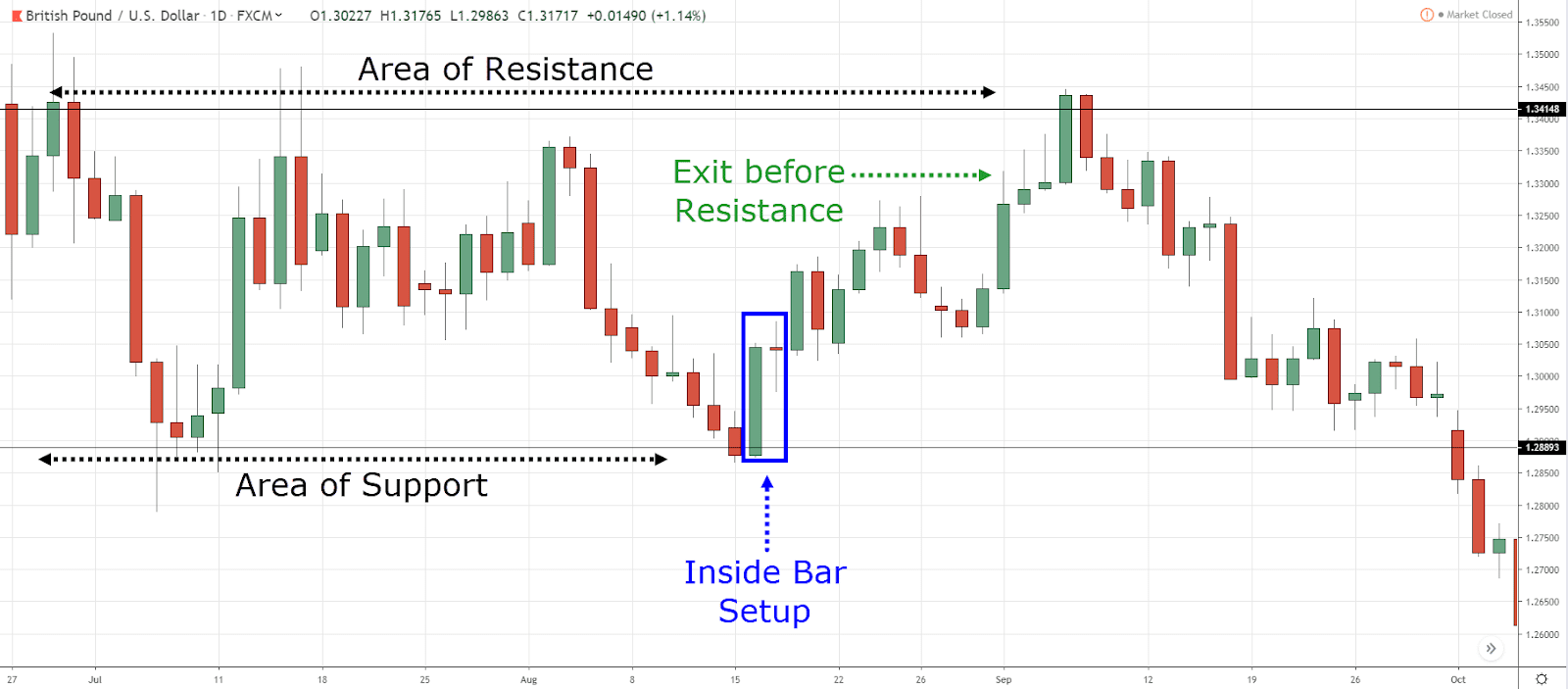
Look for pin bars inside bars at major support/resistance levels. The rejection, combined with compression, creates ideal breakout conditions.
The Inside Bar Sandwich
This occurs when inside bars form between significant price levels – “sandwiched” between clear support and resistance. The market is compressed both vertically (inside bar range) and horizontally (between key levels).
When these sandwiched inside bars break, they often gap through one of the containing levels because there’s nowhere else for the price to go. The compression forces explosive resolution.
Pattern Recognition Priorities
Not all combination patterns are worth trading. Here’s my priority ranking:
Priority 1: Multiple inside bars (3+) at major levels with confluence
Priority 2: Coiling patterns before news events
Priority 3: Inside bars within triangle/flag patterns near completion
Priority 4: Multi-timeframe inside bar alignment
Priority 5: Pin bar inside bars at key levels
Focus your attention on Priority 1 and 2 patterns. They offer the best risk-adjusted returns.
The Patience Factor
Advanced patterns require patience. Multiple inside bars might take days or weeks to form completely. Coiling patterns develop gradually over time.
Many traders give up waiting for these advanced formations and settle for single inside bars. That’s a mistake. The best patterns are worth waiting for because they often produce career-making moves.
The professional approach: Monitor multiple markets simultaneously so you’re always finding advanced patterns somewhere, even if individual markets move slowly.
Volume Clues in Complex Patterns
Volume analysis becomes crucial with combination patterns. During multiple inside bar formations, volume should generally decrease with each successive bar, showing diminishing participation.
The eventual breakout should show volume expansion, confirming institutional participation in the resolution move.
Coiling patterns often show the most dramatic volume patterns – very low volume during compression, followed by explosive volume on breakout.
Your Pattern Recognition Mission
Scan your favorite markets looking for any current multiple inside bar formations or coiling patterns. Don’t worry about trading them yet – just identify and monitor them.
Note the progression of the patterns and watch for resolution over the coming days. This exercise builds your pattern recognition for advanced formations.
The Advanced Trader’s Edge
Most traders focus only on single inside bars and miss the advanced patterns that offer the best opportunities. By learning to recognize combinations and complex formations, you’re positioning yourself among the more sophisticated traders.
These patterns don’t appear daily, but when they do, they often provide the trades that make entire months profitable.
Tomorrow’s Volume Mastery
Tomorrow we’re diving deep into volume analysis with inside bars. You’ll learn how to read volume patterns that reveal institutional participation and confirm or reject inside bar signals.
Volume is the one indicator that shows actual market participation, making it incredibly valuable for inside bar analysis.
But today, start training your eye for advanced patterns. Look beyond single inside bars toward the complex formations that create the most explosive moves.
Remember: the best patterns are often the most patient ones. While others chase daily signals, you’ll be positioned for the moves that matter.
Source link