Historical Trivia You’ll Pretend You Already Knew
Let’s face it—history gets a bad rap sometimes. People hear the word and immediately think of dusty dates, endless wars, and snooze-worthy lectures. But throw in a little historical trivia? Suddenly, the past isn’t just alive—it’s wildly entertaining. We’re talking about forgotten royal scandals, bizarre inventions, and straight-up unbelievable facts that somehow actually happened. If you’ve ever wondered what kind of weird stuff people did before the internet, buckle up. You’re about to find out.
Historical trivia is like the secret menu of the past. Sure, everyone knows about the big wars and famous rulers, but did you know Napoleon was once attacked by a pack of bunnies? Or that Victorian people sent mummified hands as good luck charms? These little nuggets of info are the flavor, the spice, the part of history that feels more human, more chaotic, and honestly, more fun. They don’t just make great conversation starters—they give us a glimpse into how strange and wonderfully ridiculous our ancestors really were.
The best part? These stories remind us that people back then weren’t all that different from us. They were petty, curious, dramatic, and occasionally brilliant. Whether they were building pyramids or inventing ridiculous beauty treatments with toxic lead, they were just trying to figure things out—same as we are. That’s the magic of historical trivia. It turns the past into something you actually want to know more about. And trust me, you’re going to want more.
The Chaos That Was World War II
World War II remains one of the most studied chapters in modern history. Its scale, reach, and consequences reshaped global politics, economies, and culture. The war influenced everything from technology to international alliances, leaving an imprint still visible today. Many people revisit this era not only for its lessons but also for the unexpected stories and historical trivia that emerged from it.
The conflict is remembered for its unimaginable loss, but also for the innovations and strategies it forced nations to develop. These advancements spanned communications, transportation, and medicine. They also introduced early versions of tools we rely on every day. As a result, World War II became both a human tragedy and a turning point for global progress.
Hidden within the major battles and political events are countless strange, surprising, and memorable anecdotes. These stories create a more complete picture of the era. They reveal the unusual tactics armies used, the resilience of individuals, and the bizarre events that occurred under extreme conditions. They also make history feel more human and easier to connect with.
What About the World War II?
Before diving into the trivia, it’s helpful to understand how such stories illuminate the larger picture. They add context to decisions made at the time. They show how creativity, luck, and circumstance shaped outcomes. And they remind us that even during global conflict, unusual moments of humanity and ingenuity still appeared.
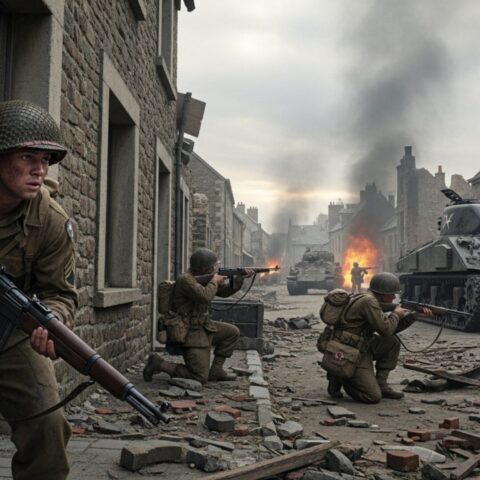
Let’s start with the obvious: World War II. Because, honestly, if you don’t have at least one historical trivia fact about this global conflict, are you even trying? Historical trivia reveals that when World War II began in 1939, the world had no clue it would become the deadliest event in human history. Over 70 million people perished during World War II, making it the deadliest conflict in human history. When the war began in 1939, few understood how widespread and destructive it would become.
One of the most surprising stories involves a bear named Wojtek, the Polish army soldier-bear. Wojtek carried artillery shells, drank beer, and smoked cigarettes alongside human troops. He became an unofficial mascot and later a symbol of camaraderie and morale. Another remarkable tactic involved the Allies creating fake armies with inflatable tanks to deceive German intelligence during D-Day preparations. These decoys were so convincing that they diverted enemy attention and helped ensure the success of the real invasion.
World War II also accelerated innovation. During this period, inventions such as the first programmable computer and the modern ballpoint pen emerged. Even simple office tools used today have unexpected origins tied to wartime necessity.
READ ALSO: Animal Trivia So Weird, It Feels Totally Made Up
America Was Built on Revolt and Tea
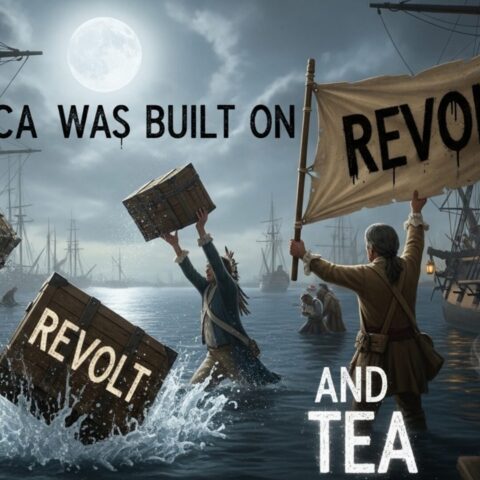
Now, over to American history – because nothing screams drama like the American Revolution. Imagine this: colonists getting mad over tea taxes. Thus, the Boston Tea Party was born. A bunch of rebels, dressed as Native Americans, dumped tea into the Atlantic Ocean. The British called it vandalism. Americans called it patriotism.
Then came the Declaration of Independence, a famous document written mostly by Thomas Jefferson. It declared that everyone was created equal – well, except women, enslaved people, and basically anyone who wasn’t a white landowner. Progress, but make it partial.
And who could forget George Washington? The first president of the United States, he refused to be called “Your Majesty.” Can we take a moment to appreciate that restraint? Also, John Adams, our second president, and Benjamin Franklin, the witty founding father, had a love-hate friendship for the ages. Let’s be real, their group chat would’ve been iconic.
Oh, and fun history trivia: William Henry Harrison holds the record for the shortest presidency—just 31 days before pneumonia took him out. So yes, always wear a coat when giving a two-hour speech in the rain. American history is full of historical trivia moments—from tea-dumping rebels to presidents with unusual habits.
Ancient Civilizations Were Not Playing Around
These historical trivia gems show that innovation didn’t start in modern times—it began with pyramids and philosophers.
Let’s talk ancient civilization because, seriously, they were the blueprint. The ancient Egyptians gave us pyramids, mummies, and the earliest form of toothpaste. Meanwhile, Ancient Rome basically invented modern plumbing and the concept of a capital city. And let’s not forget the Byzantine Empire, which kept classical knowledge alive while Europe stumbled through the Dark Ages.
Then there were the ancient Greeks, the ultimate drama queens of philosophy. From Socrates to Plato, they basically invented thinking. Oh, and Homer, the famous ancient Greek poet, wrote epics that still influence pop culture. Ever watched a movie about heroes, war, and revenge? You can thank Homer for that.
Over in South America, the Inca Empire built Machu Picchu—without wheels or iron tools. Meanwhile, the Mongol Empire spread across Asia like wildfire, proving that sometimes raw ambition (and horses) can change the world. If you’re ever feeling unproductive, remember the Mongols built the largest land empire in history—before lunch.
Revolutions, Royalty, and Really Bad Decisions
Revolutions make the best historical trivia questions, don’t they? The French Revolution gave us the guillotine and Liberty, Equality, Fraternity. The crowd cheered as Queen Marie Antoinette lost her head. She probably didn’t say “Let them eat cake,” but hey, the rumor stuck.
Meanwhile, across the Channel, King James I (and later King James II) ruled under British rule with a flair for drama. King James I also commissioned the King James Bible, which still influences English today. Then came Queen Elizabeth II, who modernized monarchy and became the longest-reigning British monarch in history.
Across the ocean, America kept up the rebellion spirit. The American Civil War broke out over slavery and states’ rights. President Abraham Lincoln (yes, Abraham Lincoln) issued the Emancipation Proclamation, freeing enslaved people in rebel states. He later paid the ultimate price for his beliefs, proving that leadership is not for the faint of heart.
READ ALSO: Amazing Facts That Will Help You Score High on Pub Quizzes
When the World Fell Apart (Again)
These groundbreaking stories aren’t just inspiring—they’re the kind of historical trivia that deserve to be remembered. The 20th century was packed with historical trivia that shaped the modern world—from world wars to cold wars.
Just when humanity thought one world war was enough, World War I arrived with trenches, mustard gas, and misery. Millions died over inches of land. Then came World War II, which redefined global conflict. But hey, out of the chaos came innovation. The Wright Brothers pushed aviation forward, while scientists developed radar and penicillin.
And let’s not skip the Cold War, where the United States and the Soviet Union stared each other down for decades. Remember the Cuban Missile Crisis? The world was one bad phone call away from nuclear disaster. And the Berlin Wall? It stood as a symbol of division until it finally fell in 1989. Cue the tears and David Hasselhoff.
American Firsts and Fierce Women
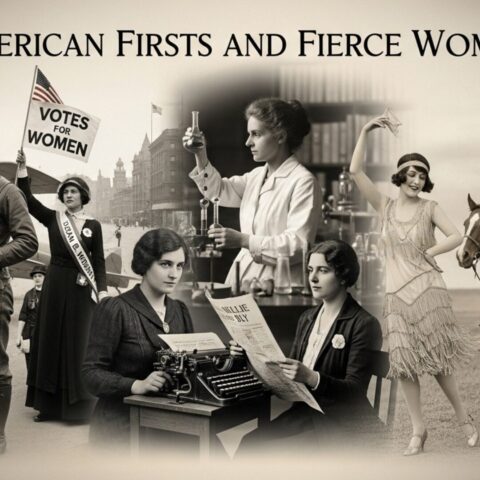
Now for my favorite part—the overachievers. The first woman to win the Nobel Peace Prize? That was Bertha von Suttner, a peace activist who inspired Alfred Nobel himself. The first African American woman to do so? Wangari Maathai, for her work in environmental activism.
Speaking of powerhouses, Martin Luther King Jr. changed American history forever. His leadership during the Civil Rights Movement and his dream speech are timeless. Then, decades later, Bill Clinton became the first democratically elected president to openly support same-sex marriage while in office. Now, that’s progress.
Also, let’s talk about the Supreme Court and granting women rights. The Supreme Court rulings in the 20th century made huge leaps in gender equality. From voting rights to reproductive autonomy, women have been rewriting the rulebook.
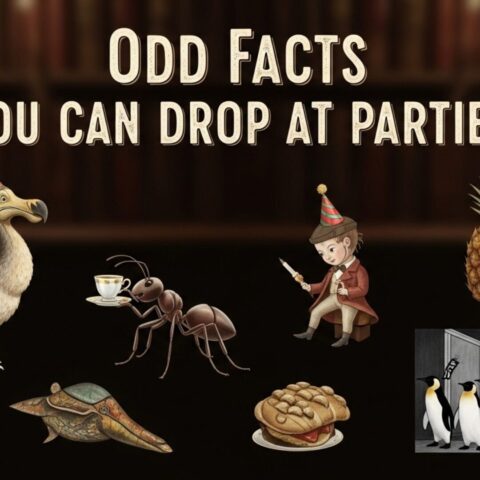
Odd Facts You Can Drop at Parties
Want to impress friends? Here are some quick ones: The Titanic sank because the crew ignored ice warnings. The Great Depression began with a stock market crash that wiped out fortunes overnight. Alexander Graham Bell invented the telephone but refused to have one in his office. The irony!
Also, the Liberty Bell cracked the first time it was rung after being recast. The White House was rebuilt after the War of 1812. And Thomas Jefferson collected fossils and wrote about ancient civilizations for fun. Imagine your hobbies being “inventing a nation and digging up dinosaurs.”
Oh, and fun one—the first successful English colony? Jamestown. A muddy, mosquito-filled mess that still managed to survive colonial rule. It paved the way for what became the American colonies along the East Coast.
Empires That Rose and Fell Fast
History is filled with empires that appeared almost overnight. The Aztecs built a thriving civilization in central Mexico with advanced agriculture and impressive engineering. Their capital, Tenochtitlan, was once larger than many European cities.
The Ottoman Empire dominated trade routes for centuries. Their military innovations reshaped warfare across Europe and Asia. The empire’s long legacy still influences modern borders and cultures.
Then there’s the Mali Empire, home to Mansa Musa, the wealthiest ruler in recorded history. His pilgrimage to Mecca was so extravagant it reportedly destabilized gold markets for years.
READ ALSO: Disney Trivia That Feels Almost Illegal to Know
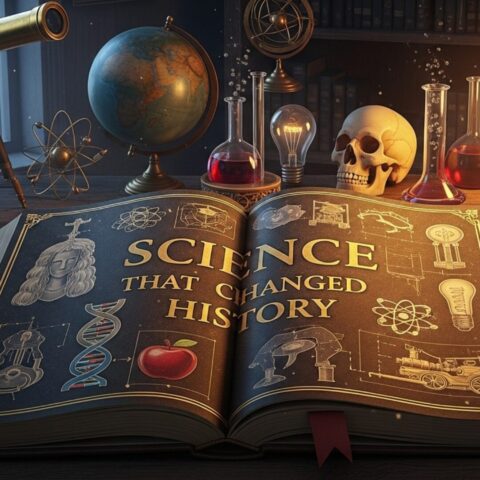
Science That Changed History
Many scientific breakthroughs came from curious minds challenging old beliefs. Isaac Newton developed the laws of motion that still guide modern physics. Galileo pushed astronomy forward despite facing opposition for supporting heliocentrism.
Marie Curie became the first woman to win two Nobel Prizes. Her research into radioactivity changed medicine, physics, and chemistry. Her work also led to innovations in diagnostics and cancer treatment.
Later, Albert Einstein’s theory of relativity transformed how we understand space, time, and gravity. These breakthroughs built the foundation for modern technology and scientific inquiry.
The Age of Exploration and Its Consequences
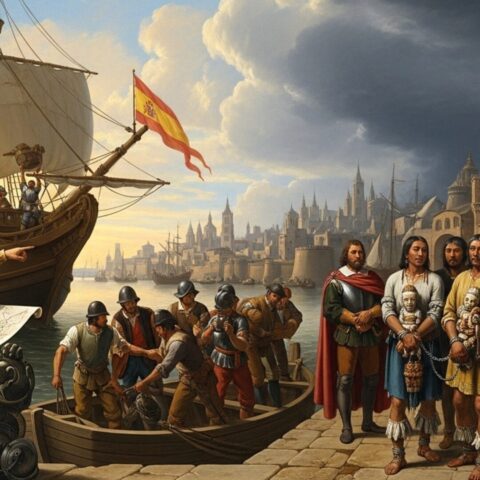
Explorers expanded the world map and brought cultures into contact—sometimes for better, often for worse. The voyages of Christopher Columbus, Ferdinand Magellan, and Zheng He changed global trade and migration patterns.
The Columbian Exchange introduced new crops and animals across continents. Potatoes, tomatoes, and corn reshaped diets worldwide. However, European contact also introduced diseases that devastated Indigenous populations.
The Age of Exploration opened the door to globalization. It created opportunities for trade, but also generated lasting conflicts, colonization, and cultural shifts that shaped the modern world.
The End? Not Quite
History never really ends. It’s a loop of lessons, failures, and glorious comebacks. Every civilization invented something that shaped the next. From the Great Wall of China to the pyramids of ancient Egypt, to the revolutions that built the modern world—each moment is a reminder that humans are chaotic geniuses.
So next time you’re sipping coffee, casually drop a us history trivia question about George Washington crossing the Delaware or the Vietnam War ending in 1975. Watch your friends blink, impressed. Then smile, knowing you’ve mastered the art of sounding brilliant with your newfound history knowledge.
Because history isn’t just the past—it’s the ultimate story we keep telling, pretending we knew it all along.
UP NEXT: Funny Facts That Sound Fake But Are Too Real
Source link