Markets Today: FTSE 100 down 100-odd points, Gold hovers at $5000/oz, AliBaBa, Walmart Earnings and US data ahead

European markets retreated slightly on Thursday, with the pan-European STOXX index dipping 0.1% to 628.24 points as investors reacted to a diverse set of corporate earnings and escalating geopolitical friction.
Global sentiment remained cautious due to increased military activity between the US and Iran in the Middle East, a tension that overshadowed ongoing progress in nuclear negotiations in Geneva. While the broader market softened, the energy sector managed modest gains, supported by a 1% rise in crude oil prices amid the regional instability.
Corporate performance drove significant volatility across individual stocks, notably within the aerospace and consumer goods sectors.
Airbus saw its shares tumble 5.4% after the manufacturer lowered its primary jet production targets, while mining giant Rio Tinto dropped 3.8% following flat annual earnings that fell short of analyst estimates due to soft iron ore prices.
Conversely, Nestlé provided a bright spot, gaining 3.5% after reporting robust fourth-quarter sales growth and announcing the divestment of its ice cream business, though its success was not enough to offset the 2.3% slide in the broader mining sector.
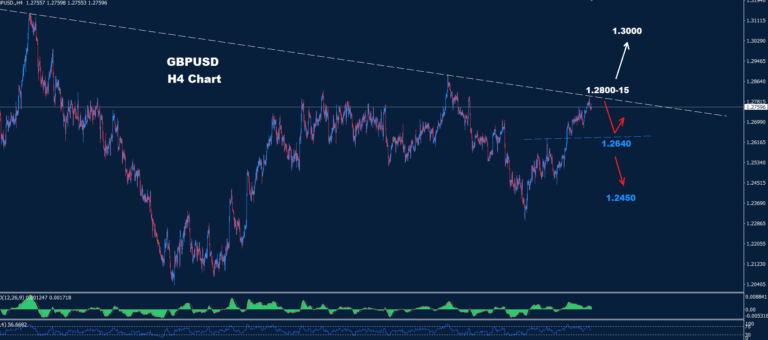
On the FX front, the US dollar softened in early trade but maintained a position above its recent lows as Federal Reserve minutes revealed a cautious stance toward interest rate cuts. Policymakers indicated they are in no rush to ease policy, with several members even suggesting openness to further hikes if inflation remains persistent.
Meanwhile, the euro held steady near $1.18, stabilizing after a sharp decline triggered by reports that European Central Bank President Christine Lagarde might step down before her term concludes in October next year.
In the Pacific, the Japanese yen weakened for a second consecutive session following the Trump administration’s announcement of a $36 billion investment package, marking the first phase of Japan’s broader $550 billion commitment to the United States.
The Australian dollar remained flat at $0.7050 as domestic unemployment held steady at a low 4.1%. Conversely, the New Zealand dollar rose 0.3% to $0.5982, recovering slightly from its largest one-day drop in nearly a year after the central bank adopted a more conservative outlook on future rate increases than investors had anticipated.
Currency Power Balance