One Battle After Another Wins Best Picture: Was It Deserved?

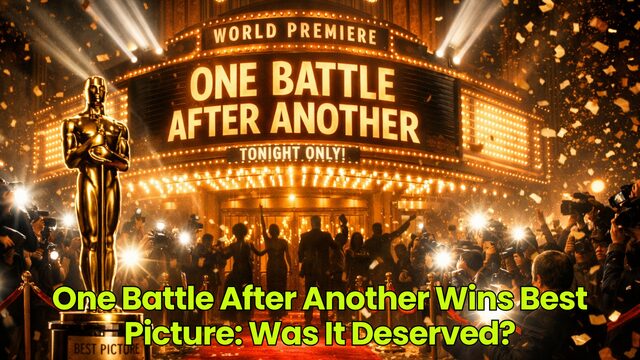
One Battle After Another shocked the entire film community when it won Best Picture. The phrase one battle after another quickly dominated conversations across Hollywood and online movie forums. Critics, casual viewers, and industry insiders started debating the same question. Did this bold and chaotic movie truly deserve the biggest award of the year?
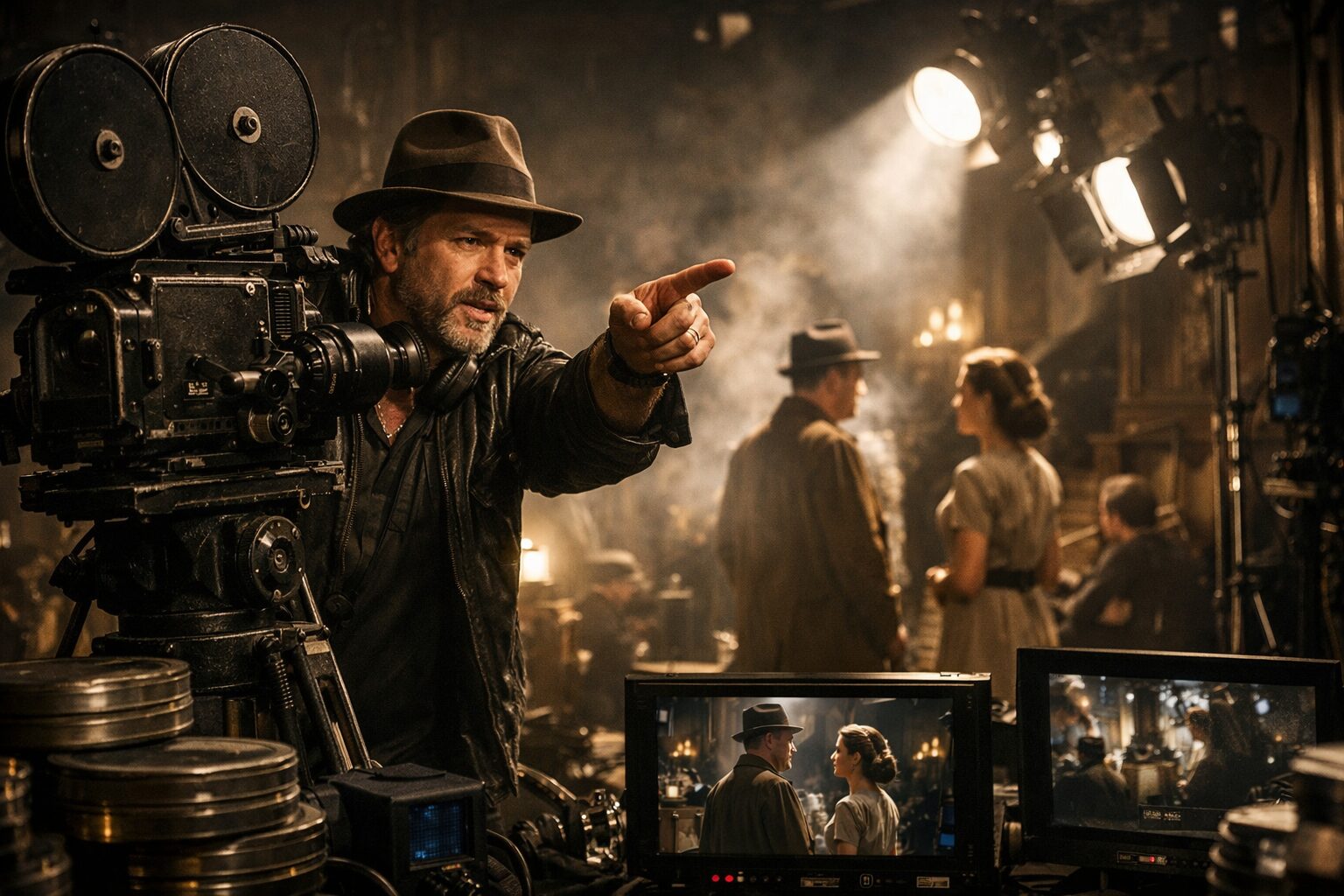
The film comes from Paul Thomas Anderson, one of the most respected directors in modern cinema. Anderson already built a reputation with films like Boogie Nights and Punch Drunk Love. His projects often mix humor, strange storytelling, and emotional depth. That reputation created high expectations long before the film reached theaters.
As a passionate film critic who loves unusual movies, I had strong reactions while watching it. Some scenes made me laugh loudly. Other moments left me stunned by their ambition. The movie constantly pushes viewers to keep thinking. So let us break down the film piece by piece and decide whether the Best Picture win truly makes sense.
Paul Thomas Anderson’s Bold Direction
Paul Thomas Anderson has never been interested in making safe movies. From his early days in film school discussions to major Hollywood premieres, Anderson built a reputation for taking creative risks. Many critics believe Anderson’s film style helped redefine modern storytelling. His projects often blend intense drama with strange humor and unexpected narrative choices.
One Battle After Another continues that tradition in a massive way. Anderson builds what many critics describe as an epic screwball adventure teeming with strange characters, political tension, and unpredictable twists. The film moves with remarkable energy. Each scene introduces another moment of chaos, humor, or suspense that keeps the audience curious about what will happen next.
The story also reflects Anderson’s love for complex literature. The film works as a loose adaptation inspired by the writing style of Thomas Pynchon. Anderson playfully weaves conspiracy, mystery, and satire into the narrative. Instead of following a simple structure, the movie feels like a maze. That creative choice becomes both the film’s greatest strength and its biggest challenge for audiences.
READ ALSO: New Movies That Are Actually Worth the Hype
Leonardo DiCaprio’s Magnetic Performance
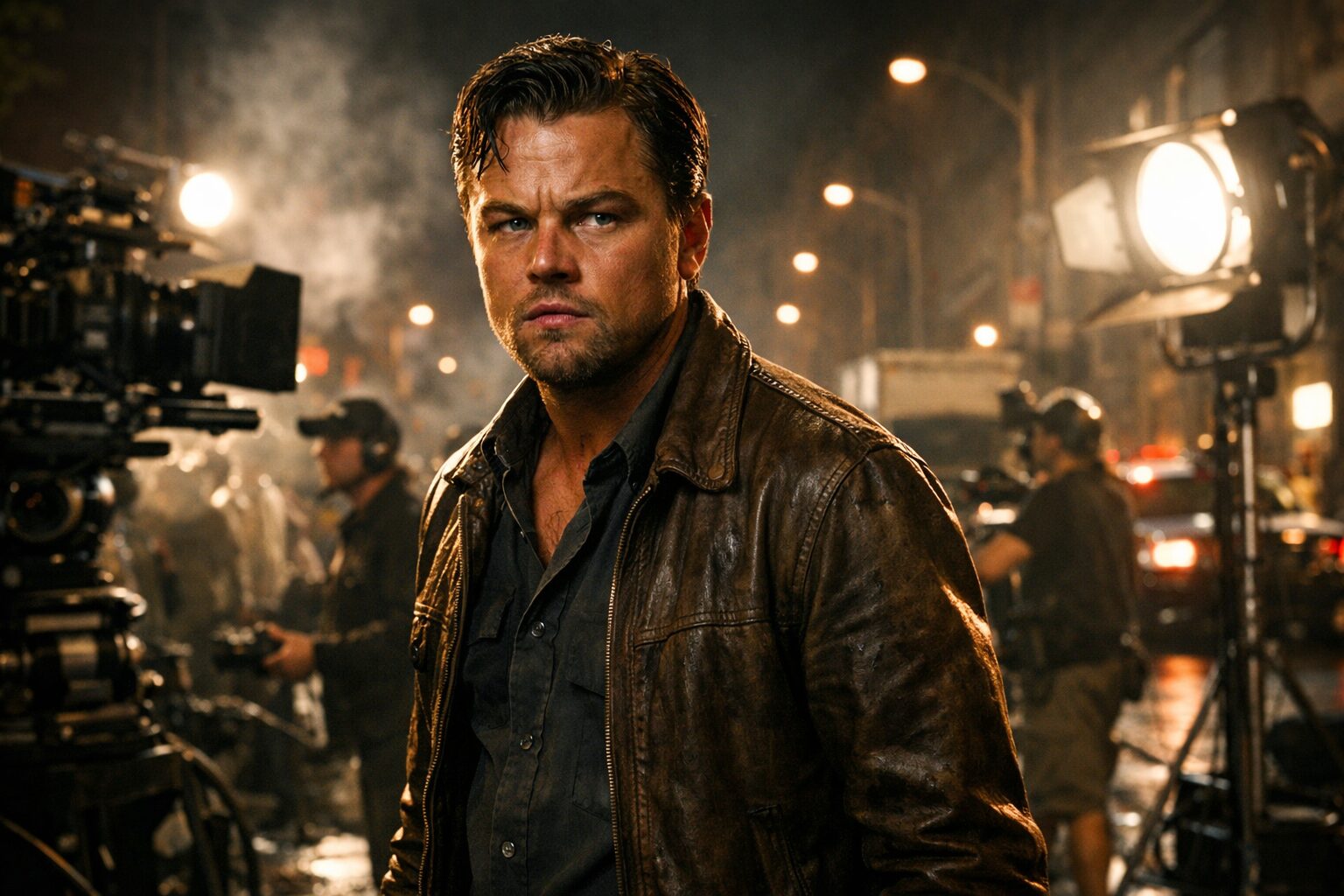
Leonardo DiCaprio carries much of the film’s emotional weight. Dicarpio plays a man who becomes trapped inside a dangerous conflict involving a revolutionary group. His character constantly struggles to understand what is happening around him. The role demands both emotional vulnerability and sudden bursts of courage.
Many viewers know DiCaprio from serious dramas like Flower Moon and other Hollywood classics. In this film, he shows a slightly different side of his talent. The performance mixes humor with tension in a very natural way. One moment he looks completely lost in chaos. The next moment he shows surprising determination.
Several scenes between DiCaprio and Benicio del Toro stand out as the film’s strongest moments. Del Toro’s character often appears unpredictable and mysterious. Their conversations sometimes feel funny and tense at the same time. These scenes create a powerful dynamic that keeps viewers engaged.
A Powerful Supporting Cast
Although DiCaprio leads the story, the supporting cast adds tremendous energy. Sean Penn appears as a mysterious community leader connected to the revolutionary group. His presence immediately raises the stakes of the narrative. Every time he appears, viewers sense that something important will happen.
Teyana Taylor provides one of the film’s most emotional performances. Her character struggles to uncover secrets involving her father and a hidden network of powerful individuals. These scenes help slow the story down and allow audiences to breathe. They also add a deeper emotional layer to the chaotic narrative.
Benicio del Toro plays one of the most interesting characters in the movie. Del Toro’s character moves through the story like a shadowy guide. Sometimes he seems helpful, but other moments suggest he may have his own secret agenda. His performance adds tension and mystery to almost every scene.
A Story Full of Chaos and Mystery
At its core, the story explores human beings caught inside complicated political conflicts. A secret society appears to influence major events behind the scenes. The characters slowly realize they are connected to something much larger than themselves. This realization drives the story forward.
Anderson structures the narrative like a chain reaction. One battle leads to another battle after another twist. Just when viewers think they understand the situation, the story shifts again. This constant movement keeps the movie exciting but sometimes confusing.
Despite the chaos, the film never loses its emotional core. The narrative explores ideas about responsibility, freedom, and moral choices. Characters must decide how far they are willing to go in pursuit of their goals. That tension gives the story real weight.
READ ALSO: New Movies to Stream Before Everyone Spoils Them
Cinematic Action That Demands the Largest Screen
Visually, the movie looks spectacular on the largest screen possible. Anderson fills the film with bold cinematic depictions that highlight both chaos and beauty. The camera often moves smoothly through crowded environments and intense action.
One famous car chase scene already became a fan favorite. The sequence moves through busy city streets with remarkable control and timing. Instead of relying on digital effects, the scene emphasizes practical movement and clever camera work. The result feels thrilling and authentic.
These visual moments explain why Warner Bros strongly supported the project. Even viewers who struggle with the story often praise the filmmaking itself. The scale of the action and attention to detail create a memorable cinematic experience.
Humor That Divides the Audience
Humor plays a major role throughout the film. However, Anderson’s style of comedy can feel unusual. Some jokes feel sharp and clever, while others feel deliberately strange. That unpredictable tone becomes part of the movie’s identity.
Characters like Lady Champagne and Sensei Sergio St provide some of the film’s most bizarre humor. Their dialogue often interrupts serious moments with unexpected comedy. This contrast creates a strange but entertaining rhythm.
Not everyone will enjoy this style of humor. Some viewers may feel confused by it. Others will appreciate how the comedy breaks tension during intense scenes. Either way, the humor makes the movie feel very different from typical Hollywood productions.
Deep Themes Beneath the Chaos
Beneath the wild storytelling lies a thematically rich film. Anderson explores difficult topics such as substance abuse, identity struggles, and personal responsibility. These themes appear quietly throughout the narrative.
The relationship between a father and daughter becomes one of the film’s most emotional storylines. Their connection reminds viewers that the story is ultimately about human relationships. Even in the middle of chaos, these moments feel honest and heartfelt.
The film also examines how individuals respond to pressure and uncertainty. Characters constantly face difficult decisions that shape their futures. These moral choices help transform the story from simple entertainment into something more meaningful.
READ ALSO: Good Movies on Netflix That Deserve More Hype
Hollywood Buzz and Box Office Reaction
Before the award season, many analysts predicted modest box office performance. Anderson films traditionally attract strong critical praise but moderate ticket sales. Some experts expected the movie to appeal mainly to film enthusiasts.
Everything changed after the Best Picture announcement. Suddenly the film became one of the most discussed movies in Hollywood. Long lines appeared outside theaters as curious viewers wanted to experience the film themselves.
Streaming services like HBO Max will likely expand the audience even further. The movie continues gaining attention through online discussions and social media reviews. This ongoing conversation helps keep the film relevant.
Critical Debate About the Award
The Best Picture win created strong debate among critics. Some film critics believe the award recognizes Anderson’s bold creative vision. They argue the film represents a rare example of ambitious filmmaking in modern Hollywood.
Supporters describe the movie as a good movie that refuses to follow predictable storytelling formulas. They admire how Anderson embraces chaos and experimentation. In their view, that courage deserves recognition.
Opponents remain skeptical about the decision. They argue the chaotic structure weakens the overall story. Some believe other nominees offered stronger narratives. The debate continues across film communities and online discussions.
Final Verdict on One Battle After Another
After carefully examining the film, the award begins to make more sense. One Battle After Another feels bold, strange, and remarkably propulsive. Few movies attempt such ambitious storytelling.
The movie is not perfect. Some scenes feel confusing and slightly messy. However, that chaos also reflects Anderson’s artistic vision. The film constantly challenges viewers to stay engaged.
For audiences who enjoy daring storytelling, this remains an entertaining film worth experiencing. The movie may divide opinions, but it certainly leaves a strong impression. In the end, that impact may explain why it captured the attention of Hollywood and the awards voters.
UP NEXT: Movies I Watched That Lowkey Changed My DNA
Source link