Image Owned By The Crypto Basic. Logo Displayed In The Image Are Owned By Respective Crypto Project

XRP 1, 2, 3 Monthly RSI Formation Progresses—What Does History Say?
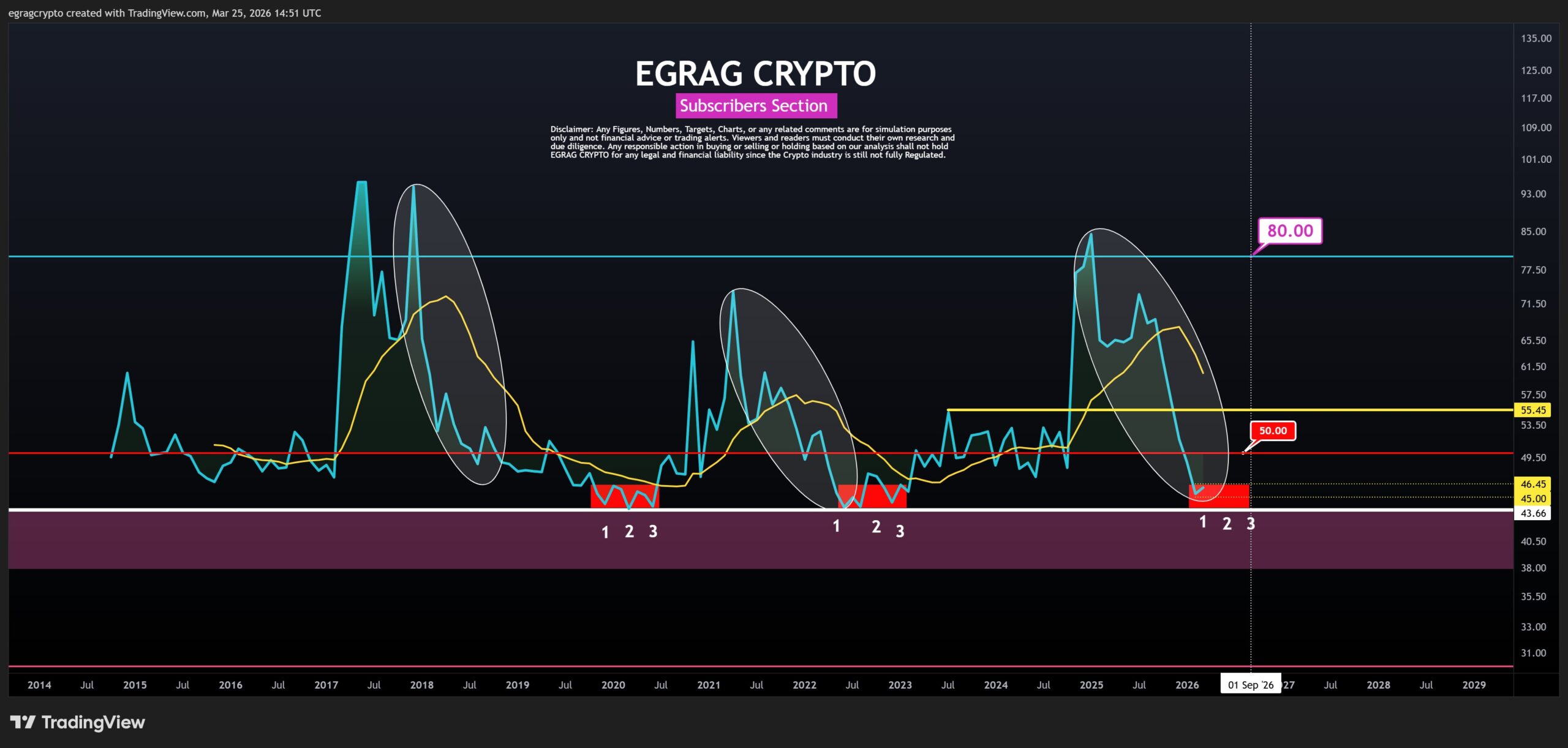

The XRP RSI is forming a familiar pattern on the monthly timeframe, and history suggests it precedes an impulsive move upwards.

Prefer The Crypto Basic on Google

Analyst EGRAG Crypto identified this trend in his recent X post, highlighting its significance to the XRP price trend. Notably, the RSI formation usually precedes a significant price move, and the market technician seems upbeat that a similar scenario would recur.

Key Points

  • Analysis from EGRAG Crypto highlighted that a 1, 2, 3 formation is developing on the monthly XRP RSI.
  • This has happened twice before in XRP’s history, both times preceding a notable price shift.
  • The first instance of this formation occurred between late 2019 and mid-2020, and the second between June and December 2022.
  • Analysis shows that the monthly RSI appears to have made its first low, dropping to 45.35 in February.
  • If history repeats, the second and third retests could occur, with the analysis setting a target of September 2026 for their actualization.

XRP Monthly RSI Formation

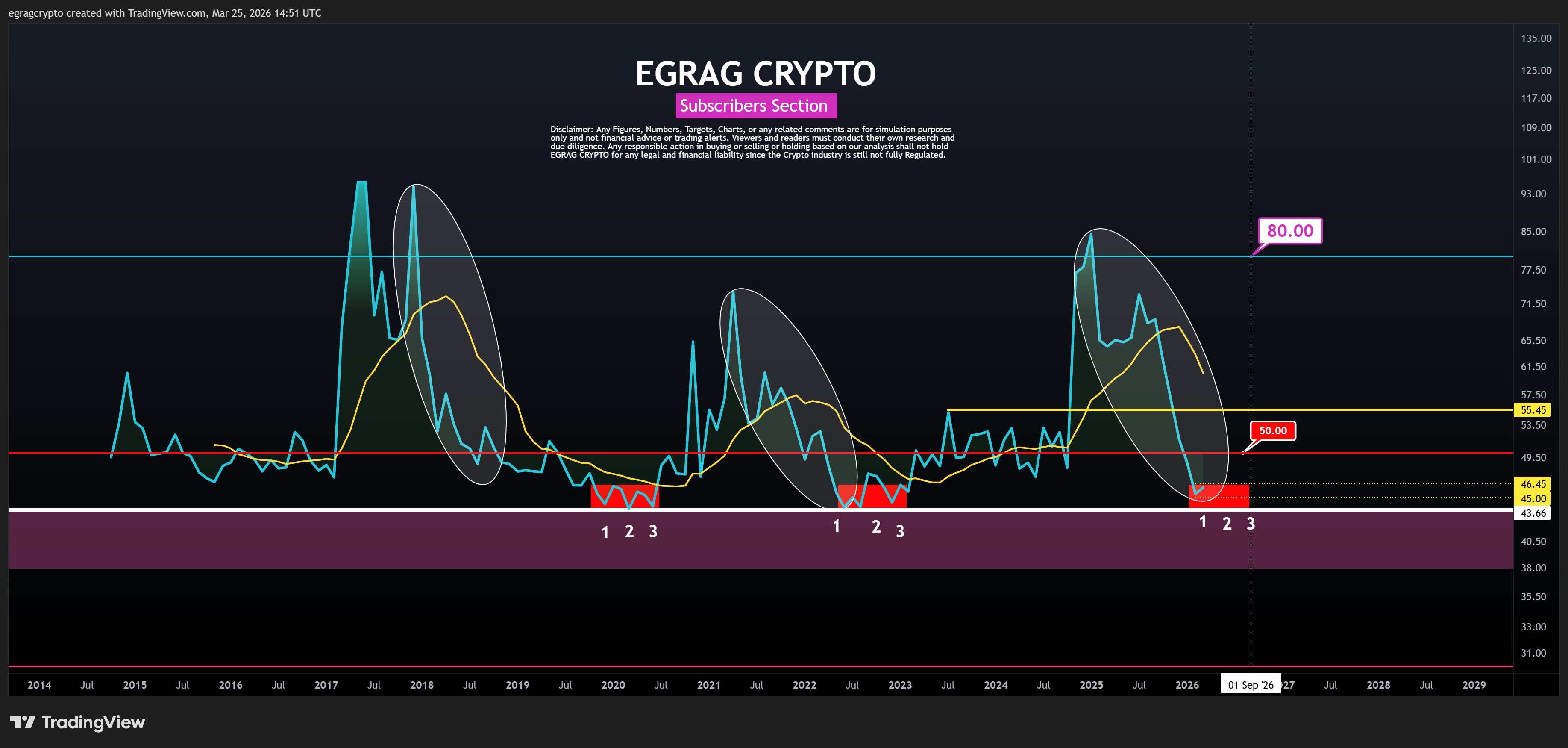
EGRAG highlighted that a 1, 2, 3 formation is developing on the monthly XRP RSI. An accompanying chart provided further context using historical data.
XRP 1, 2, 3 Formation/EGRAG Crypto

This has happened twice before in XRP’s history, both times preceding a notable price shift. Specifically, the RSI makes three distinct downward movements within a range, each labeled 1, 2, and 3. Notably, this pattern signals strength, as the RSI holds above the range’s support despite downward pressure.

The first instance of this formation occurred between late 2019 and mid-2020. The monthly RSI made a low of 44.25 in December 2019. It rebounded to 46.22 a month later but revisited the range’s low in March 2020, dropping to 43.75.

Again, it rebounded but couldn’t sustain this trend. By June 2020, the RSI dropped again to 44.01, but the support proved strong once more. The analyst labeled the support visits as 1, 2, and 3.

Notably, what followed was a breakout to reach 73.69 in April 2021. Meanwhile, between the time of this breakout in July 2020 and the peak in April 2021, XRP rallied from $0.175 to a high of $1.97, representing a 1,025% increase.

Familiar RSI Pattern Forming

The second instance occurred between June and December 2022. In this case, the XRP monthly RSI dropped to 43.90 in June 2022 but found support within a range. After a brief rebound, it dropped to 43.98 a month later, but the area cushioned further weakness.

By December 2022, it was back at this range support, dropping to 44.42. Subsequently, the RSI broke out, peaking at 84.40 in January 2025. During the two-year period, the price of XRP moved from $0.338 to a high of $3.39, marking a 903% growth.

EGRAG highlighted that this pattern is repeating. The chart shows that the monthly RSI appears to have made its first low. In February, it dropped to 45.35, with the analyst marking it as 1.

If history repeats, the second and third retests could occur, with the analysis setting a target of September 2026 for their actualization. A break above 50 would confirm this breakout, with the target a surge to 80.

Typically, a surge in RSI is reflected in an asset’s price, and XRP has historically risen after the 1, 2, 3 formation. If history repeats, then XRP could surge with the RSI.

DisClamier: This content is informational and should not be considered financial advice. The views expressed in this article may include the author’s personal opinions and do not reflect The Crypto Basic opinion. Readers are encouraged to do thorough research before making any investment decisions. The Crypto Basic is not responsible for any financial losses.


Source link
Similar Posts

  • Bitwise Proposes New ETF Based on its 10 Crypto Index Fund

    Bitwise Asset Management has submitted a proposal to the U.S. Securities and Exchange Commission (SEC) for a new exchange-traded fund (ETF) based on its existing 10 Crypto Index Fund. The ETF would include ten leading cryptocurrencies: Bitcoin (BTC), Ethereum (ETH), Solana (SOL), XRP, Cardano (ADA), Avalanche (AVAX), Chainlink (LINK), Bitcoin Cash (BCH), Polkadot (DOT), and…

  • Traders turn to this first-of-its-kind Meme Portfolio as markets falter ahead of US elections – CoinJournal

    Bitcoin prices fluctuate in tandem with US election odds for Trump and Harris. A new meme coin index fund called Vantard offers exposure to high-growth meme coins. Vantard’s Meme Portfolio (VMP) will allow investors to benefit from the “memecoin supercycle” with minimal effort. With markets experiencing turbulence and the US elections shaping up to be…

  • Meme Coin ETFs Near Potential Approval, While Meme Index Remains Key Benchmark

    Join Our Telegram channel to stay up to date on breaking news coverage Meme Index operates similarly to a traditional ETF but in the decentralized world of meme coins. It allows investors to diversify their holdings with just one click. Like ETFs, it offers a basket of meme coins, but the difference is that Meme…

  • 【解説】暗号資産、なぜセルフカストディは必要? ハードウェア/ソフトウェア ウォレットの違いは? – BitRss – Crypto World News

    暗号資産のセルフカストディ(自己管理)とは? 最近、暗号資産(仮想通貨)の購入や取引を始めたばかりの方は「セルフカストディ」という言葉を耳にしたことがあるかもしれません。 セルフカストディとは、一言で言えば自分自身で暗号資産の秘密鍵(注:資産を動かせるパスワードのようなもの。詳細後述)を管理することです。取引所などの第三者に資産を預ける「カストディアル(他人管理)」とは異なり、ウォレットの秘密鍵を自分で保有するため、資産の真の所有権が自分にあります。よく暗号資産業界で言われる「Not your keys, not your coins(自分の鍵でなければ自分のコインではない)」というフレーズが示す通り、秘密鍵を自分で持っていなければ本当の意味で資産を所有しているとは言えないのです。 では、なぜセルフカストディがそれほど重要なのでしょうか? その理由は第三者に資産を預けることのリスクにあります。もし暗号資産を預けている取引所がハッキングに遭ったり経営破綻してしまったら、預けた資産を失う可能性があります。 実際、かつて世界最大だった取引所Mt.Gox(マウントゴックス)は2014年にハッキングされ閉鎖し、約85万BTC ($105,533.00)ものビットコインが消失する事件が起きました。また、2022年には大手取引所FTXが経営破綻し、多くのユーザーが破綻直後に資産を引き出せなくなるという混乱が発生しました。このように他人任せの管理では想定外の事故で資産を失うリスクがあるため、自分自身で資産を管理するセルフカストディの重要性が叫ばれているのです。 もっとも、セルフカストディには「自由」と「責任」がセットになっています。第三者に頼らない分、自分でセキュリティに気を配らなくてはなりません。「自分が自分の銀行になる」イメージです。他人に任せれば楽な反面リスクがありますが、一方、自分で管理すればリスクをコントロールできますが手間がかかるのです。しかし適切な方法を理解し実践すれば、セルフカストディはあなたの資産を守る強力な手段となるでしょう。 この記事では、初心者の方にもわかりやすいようにセルフカストディの基本と、具体的なウォレット(ソフトウェアウォレットとハードウェアウォレット)の違い、使い方について段階的に解説していきます。まずはウォレットの種類とその特徴から見てみましょう。 ソフトウェアウォレット vs ハードウェアウォレット セルフカストディを実践するには、自分で暗号資産ウォレットを用意する必要があります。ウォレットには大きく分けてソフトウェアウォレット(ホットウォレット)とハードウェアウォレット(コールドウォレット)という2種類があります。それぞれの違いを理解するために、まずウォレットの基本から押さえましょう。 暗号資産ウォレットとは、ビットコインやイーサリアムなどの暗号資産を管理するためのツールです。ただし、「ウォレット」と言っても中にコインそのものが入っているわけではありません。実際にはウォレットはブロックチェーン上の資産にアクセスし管理するための秘密鍵という情報を保存しています。 秘密鍵とは、その資産を動かすためのデジタルの鍵であり、これが他人に漏洩すると資産を盗まれてしまいます。一方、ウォレットには対応する公開鍵から生成されたアドレスがあり、こちらは他者から暗号資産を受け取るために公開して使います。要するに、ウォレット=秘密鍵の保管庫であり、その鍵を使ってブロックチェーン上の自分の口座を動かすイメージです。 ウォレットには、取引所が管理するウォレット(カストディアル)と、自分で管理するウォレット(ノンカストディアル)があります。セルフカストディでは後者のノンカストディアルウォレットを使います。ノンカストディアルウォレットでは自分自身が秘密鍵を直接保有するため、仮にウォレット提供元のサービスが停止しても、自分の鍵さえあれば資産にアクセスできます。この点が取引所などの管理ウォレットとの決定的な違いです。 それでは、ノンカストディアルウォレットの代表であるソフトウェアウォレットとハードウェアウォレットについて、それぞれ特徴を詳しく見てみましょう。 ソフトウェアウォレットとは? ソフトウェアウォレットは、その名の通りソフトウェア上で動作するウォレットです。スマートフォンのアプリやパソコン用ソフト、ブラウザ拡張機能などの形で提供され、インターネットに常時接続されたデバイス上で動きます。有名なソフトウェアウォレットの例として、Phantom(ファントム)やBackpack(バックパック)、MetaMask(メタマスク)」などがあります。これらは無料で簡単にインストールでき、初心者が最初に使うウォレットとして選ばれることも多いです。 ソフトウェアウォレットをインストールすると、まずウォレット内で秘密鍵(≒シードフレーズ)が生成されます。ユーザーは表示された12語や24語の英単語のリスト(シードフレーズ)を紙に書き写してバックアップを取ります。このシードフレーズがあれば、仮にアプリを消してもスマホを無くしても、別のデバイスでウォレットを復元できます。一方で、このフレーズを第三者に知られると資産を盗まれる恐れがあるため、厳重に保管しなければなりません。 ソフトウェアウォレットはホットウォレットとも呼ばれ、秘密鍵を暗号化して端末内に保管しつつ、必要に応じてネットワーク上でトランザクションに署名します。例えばMetaMaskでは、トランザクション実行時に確認画面が表示され、「承認」をクリックするとウォレット内部で秘密鍵が使われ署名が行われます。その後、署名済みの取引データがブロックチェーンに送信される仕組みです。一連の操作はすべてソフトウェア上で完結し、ユーザーにとってはスマホやPCでオンラインバンキングを操作する感覚に近いでしょう。 ソフトウェアウォレットのメリット: 手軽さと低コスト: アプリをダウンロードするだけで誰でもすぐに利用開始できます。基本的に無料で使えるものが多く、初期費用がかかりません。 利便性と速度: 常にネット接続されているので送受信の操作が素早く、DeFiアプリやNFT ($0.00)マーケットなど各種dApps(分散型アプリ)との連携も容易です。例えばMetaMaskを使えばワンクリックでWeb3サービスに接続でき、トークンのスワップやゲーム内アイテムの購入などがスムーズに行えます。 マルチプラットフォーム対応: スマホ、タブレット、PCなど自分の使いやすい環境で利用できます。外出先でもスマホウォレットで残高確認や送金ができるのは便利です。 ソフトウェアウォレットのデメリット: セキュリティリスク(オンラインの脅威): 最大の弱点は秘密鍵がインターネット接続されたデバイス内に存在することです。デバイスがマルウェアやウイルスに感染すると、秘密鍵やシードフレーズを盗まれるリスクがあります。またフィッシング詐欺によって秘密鍵を抜き取られたり、偽のウォレットアプリをインストールさせられる事件も起きています。常時ネットに繋がっている「ホットストレージ」であるがゆえに、利便性と引き換えにセキュリティ面では脆弱になりがちです。 ユーザーの操作ミス: ソフトウェアウォレットは手軽な反面、誤操作のリスクもあります。例えばシードフレーズのバックアップを忘れてアプリを削除してしまったり、端末紛失時に復元できなくなるケースがあります。また送金時にアドレスを間違えて入力すると取り返しがつかない点はハードウェアでも共通ですが、ソフトウェアウォレットでは特に初心者がうっかりミスをしやすい環境とも言えます。 他人による管理への誘惑: ソフトウェアウォレットは便利なため、「つい取引所に預けっぱなしにするのと変わらない使い方」をしてしまう人もいます。例えばスマホウォレットで資産管理していたが、もっと簡単だからと結局取引所アプリに戻ってしまうケースです。セルフカストディを徹底するには強い意志も必要です。この点はメンタルな側面ですが、初心者が自分で管理を続けるには乗り越えるべきハードルかもしれません。 こうした理由から、ソフトウェアウォレットは便利で使い始めやすい反面、大きな額を保管するには不安が残ると言えます。そのため業界では「ソフトウェアウォレットを使うなら常にハードウェアデバイスとペアリングせよ」とも言われます。 例えばPhantomやBackpack、MetaMaskと、ハードウェアウォレットであるLedgerデバイスを連携させれば、ソフトウェアウォレットの操作性を維持しつつ実際の署名はLedger(ハードウェア)で行うことができます。このように安全性を補強する使い方もありますが、まずは次に紹介するハードウェアウォレット自体について理解しておきましょう。 ハードウェアウォレットとは? ハードウェアウォレットは専用の物理的なデバイス上で暗号資産の秘密鍵を管理するウォレットです。USBメモリのような形状の小型デバイスが一般的で、これ自体が小さなコンピューターになっています。このデバイス内部のセキュアチップに秘密鍵を格納し、トランザクションの署名処理もデバイス内部で完結させることで、秘密鍵をネットから完全に隔離して保護します。簡単に言えば「オフライン環境で鍵を守る金庫」のようなものです。 参考:Ledgerのハードウェアウォレット(Ledger Flex,…

  • Kraken to sponsor Trump Accounts for all Wyoming newborns in 2026

    We’re excited to announce we will sponsor Trump Accounts for every child born in Wyoming in 2026 by making a financial contribution to each account, helping families start building long-term savings and capital formation from birth. This commitment reflects our belief that the United States should continue modernizing financial services by expanding access, strengthening participation,…

  • Africa Crypto Week in Review: Kenyan Court Orders Worldcoin to Delete Biometric Data, CBEX Plans Reboot, Nigerian Fintech Joins Zone Blockchain

    Africa crypto news: Court in Kenya orders Worldcoin to delete biometric data, CBEX reboots amid scam fears, Nigerian fintech joins Zone blockchain for faster payments. The Worldcoin project faces legal challenges in Kenya after a court ordered the deletion of collected user biometric data. Meanwhile, the controversial crypto exchange CBEX is attempting a reboot, drawing…

Leave a Reply

Your email address will not be published. Required fields are marked *