
Sell in May? These Aren’t the Losses You’re Looking For – Fat Tail Daily

Maybe you’re feeling nostalgic for the good old, pre-budget days.
Things made sense back then.
Investing in ASX small caps was mostly a matter of backing the right companies for the right period of time.
Instead, on the remote desert planet of Australia (or forgive me, Tax-you-ine), we seem to be in a bizarro world.
People are running around like headless chooks trying to understand how risk capital can remain viable in this country.
A long time ago in a galaxy far, far away, every June, the same ritual would play out on the ASX.
Investors rummage through their portfolios looking for the dud stocks to dump before 30 June.
Think of it as an EOFY clearance sale, except you are the one marking down your own stock.
You sell the losers, lock in the loss, then use it to offset gains made elsewhere. It is called tax-loss selling.
And it tends to work.
Recent data from equities research firm showed that, since 2000, the strategy has paid off about 72% of the time.
Source: Ironbark Capital via Next Investors
[Click to open in a new window]
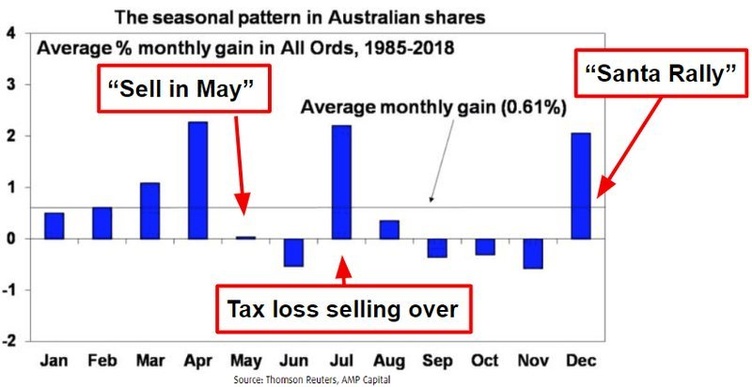
You can see the footprint in the seasonal data above.
May and June sag as the selling builds. Then July pops once the dumping stops and the bargain hunters wander back in.
Pretty simple.
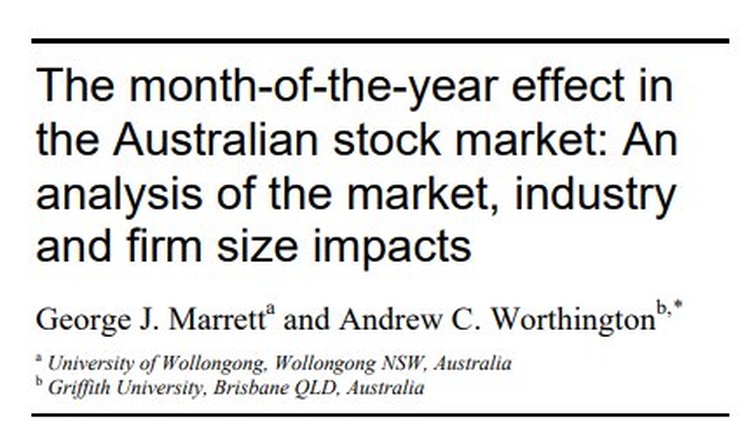
And then there’s this 2008 academic study, which found Aussie small caps post their strongest months in January, August and December, well above the market average:
Source: SSRN
They put it down to tax-loss selling and the thin liquidity at the small end.
In plain English, small caps get oversold when everyone bolts for the exit, then snap back hard.
Perhaps I can find new
ways to motivate them
This year, the rulebook changed.
From July next year, your capital losses get indexed to inflation.
So a loss banked under the new regime is worth more than the same loss banked today.
MST has run the numbers for clients.
One worked example: a $100 loss saves you roughly $23.50 in tax right now. Wait until July next year, and that same loss could save closer to $47.
So why hit the sell button in June when sitting on your hands pays double?
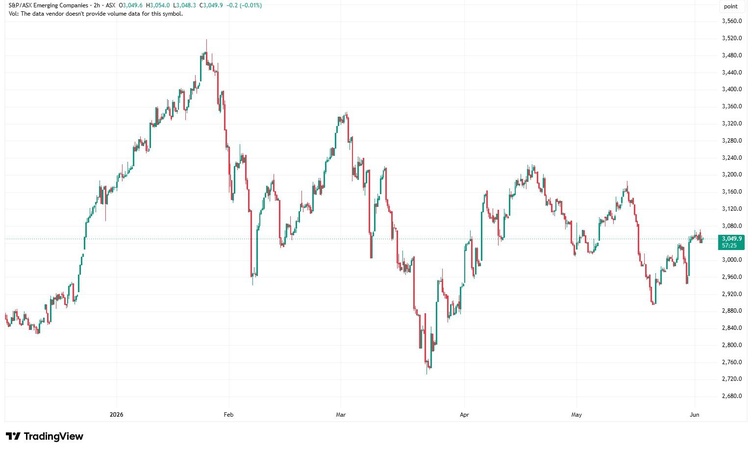
And the chart shows resilience
MST expects this year’s tax-loss selling season to be more muted than usual.
For once, the taxman has accidentally done small-cap holders a favour.
The usual June pile-on in beaten-down companies might simply fail to materialise.
Source: TradingView
[Click to open in a new window]
Higher tax on gains. An oil shock pushing petrol past $2.50 a litre. Bond yields whipping around like a loose firehose.
Despite all of it, the XEC is down only a few percent over two months.
It fell 10–12% into the May lows, then clawed back 5–7% of that into early June. That is remarkable resilience for an index supposedly facing every headwind going.
And as I said yesterday, underneath the surface, a quiet commodities boom is building.
Critical minerals and defence-tech micro-caps are pulling in fresh speculative interest.
Put it together, and you get a rare setup (for a year, or after the next election)
The seasonal selling that normally drags small caps lower could be missing in action this year.
The CGT changes that everyone loved to hate have quietly handed patient buyers a window the market was forced into.
And the corner of the market most geared to it is commodities and resources, where Aussie small caps tend to punch well above their weight.
The clearance sale might get cancelled.
Which means the bargains could disappear with it.
Either way…
While he’s not Obi-Wan, he definitely has some wisdom.
Source link