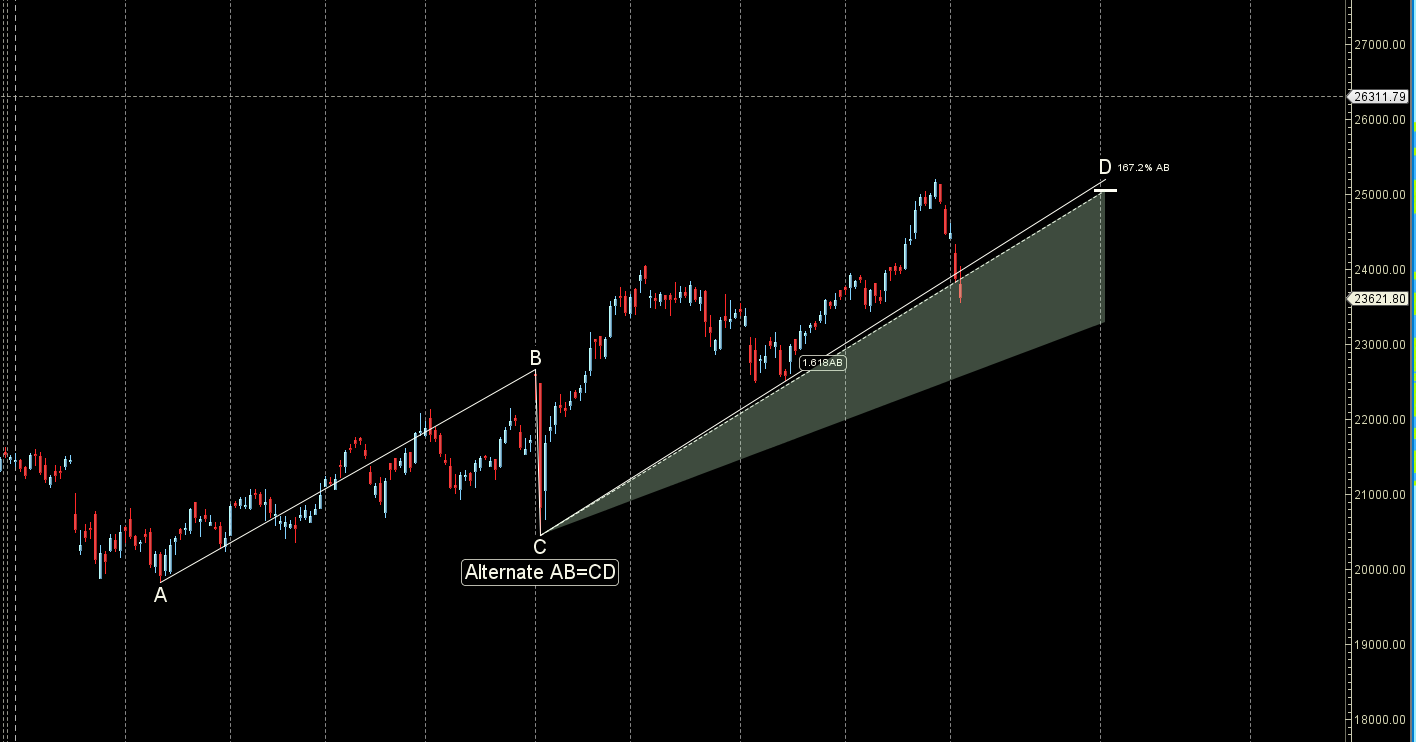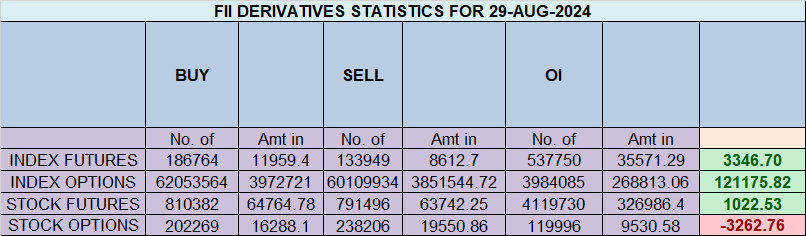
📊 Stock Market Update: Volatility, Sector Shifts & Key Trades
In everyday life, our brains rely on shortcuts – psychological biases- to help us make quick decisions. But when it comes to trading, these same biases can wreak havoc on your results.
Have you ever:
✔️Chased a stock because “everyone” was buying? (Herd Mentality)
✔️Held onto a losing trade just because you’ve already sunk money into it? (Sunk Cost Fallacy)
✔️Felt overconfident after a winning streak, only to be blindsided by losses? (Dunning-Kruger Effect)
✔️Made a trading decision based on a recent big move, assuming it would continue? (Recency Bias) These biases—and many more—are built into human psychology, making discretionary trading a minefield of emotional traps. You could spend years refining your trading psychology, reading books, and practicing emotional discipline…
OR you can bypass most of these issues altogether by implementing a systematic, rules-based trading approach. Here is some more detail on just a few of these biases in case you want to learn more about trading psychology:
Here is some more detail on just a few of these biases in case you want to learn more about trading psychology:
- Action Bias in Trading
- Ambiguity Aversion in Trading
- Anchoring And Adjustment in Trading
- Anchoring Bias in Trading
- Availability Heuristic in Trading
- Confirmation Bias in Trading
- Dunning-Kruger Effect in Trading
- Gambler’s Fallacy in Trading
- Halo Effect in Trading
- Herd Mentality in Trading
- Hindsight Bias in Trading
- Recency Bias in Trading
- Representativeness Heuristic in Trading
- Self-Attribution Bias in Trading
- Sunk Cost Fallacy in Trading
With The Trader Success System, you can build an automated portfolio of 3+ profitable strategies within the next 6 months, removing emotion from the equation and focusing on execution.