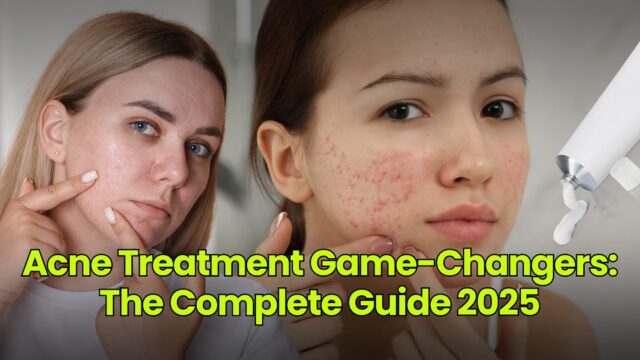
Acne Treatment Game-Changers: The Complete Guide 2025
Let’s be honest. Acne treatment in 2025 is not just about slapping toothpaste on a zit and praying to the skincare gods. No, girl, we’re done with that. Treating acne today means understanding your skin, your hormones, your habits, and using products that actually work. This complete guide will give you the tea on every acne treatment worth trying right now, whether you’re fighting off hormonal acne or just trying to prevent acne before it pops up and ruins your day.
What Is Acne? (Let’s Break It Down)
Okay, so acne isn’t just a teenage drama thing. Acne vulgaris is a legit skin condition caused by clogged pores, dead skin cells, and those annoying acne causing bacteria having a party in your hair follicles. Mix in excess oil and bam, you’ve got an acne breakout. Whether it’s hormonal acne linked to your menstrual cycle or stubborn acne that just refuses to quit, the root causes are more than skin-deep. Understanding how your skin cells behave is the first step to treat acne the right way.
Sometimes, it’s about more than just dirty skin or bad luck. Your plugged hair follicles can trap oil, dirt, and bacteria, creating a perfect storm for pimples to erupt. If you’ve got oily skin, you’re more prone to developing acne, especially if you’re not removing dead skin cells regularly. And please, using the wrong products can seriously worsen acne. So yes, your skincare routine matters more than your favorite influencer’s opinion.
Also, let’s not forget about inflammation. Inflammatory papules are those red, angry bumps that hurt like betrayal. They’re part of acne vulgaris and often show up when your immune system freaks out over clogged pores. It’s not cute, and it’s definitely not fun. But once you get what’s going on under your skin, treating acne becomes a lot easier (and way less frustrating).
READ ALSO: Acne During Pregnancy: What Is The Best Treatment?
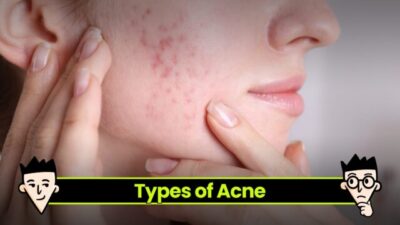
The Types of Acne You Should Totally Know
Let’s play a game: how many types of acne have attacked your face like it’s their personal playground? If you said more than one, join the club. Acne vulgaris isn’t just one thing—it’s a whole crew of chaos. And knowing which type you’re dealing with makes all the difference when choosing the right acne treatment. So here’s the breakdown:
- Mild Acne – This is the entry-level drama. Think whiteheads and blackheads. Annoying? Yes. Manageable? Also yes, especially with topical treatments and salicylic acid doing their thing.
- Moderate Acne – Now we’re dealing with papules and pustules, aka red bumps and those white-topped zits that show up right before something important. This level calls for more serious acne medications like topical retinoids and benzoyl peroxide, especially if it’s recurring.
- Severe Acne – This is where things get painful. You’ll see deeper nodules and cysts, often grouped together in what we call severe nodulocystic acne. It’s not just a breakout—it’s a full-blown crisis. You’ll probably need a board certified dermatologist and maybe even oral antibiotics or hormonal therapies.
- Nodular Acne – These are hard, under-the-skin lumps that hurt to even look at. They don’t usually respond to drugstore products and can leave behind serious acne scars or skin discoloration.
- Hormonal Acne – The classic jawline and chin attack that shows up like clockwork with your menstrual cycle. It’s common in adult women and often connected to polycystic ovary syndrome. Treating acne of this type might involve birth control, combined oral contraceptives, or hormone therapy.
Each of these bad boys needs a different approach. So if you’re trying to treat acne but don’t even know what kind you’re dealing with—boo, you might be wasting your time. Let’s work smarter, not harder, and actually give our skin the care it deserves.
The Silent Villains: Things That Worsen Acne
Let’s call them out. There are things we do every day that worsen acne and we don’t even know it. Over-washing your face, using the wrong products, or sleeping on dirty pillowcases can all mess with your skin. Skin irritation from harsh scrubs and overuse of active ingredients is another silent villain. You might think you’re helping, but you’re just making your skin angrier.
Perioral dermatitis is one of those fun surprises that looks like acne but isn’t. It often shows up from using too many products or steroid creams on your face. This skin condition needs its own treatment options, so don’t confuse it with regular acne vulgaris. And yes, plugged hair follicles from too much makeup or sunscreen can lead to clogged pores. Be kind to your skin, okay?
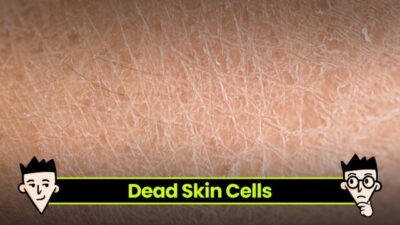
Dead skin cells are another undercover problem. When they don’t get exfoliated properly, they pile up, clog pores, and create the perfect home for acne causing bacteria. This leads to painful nodules, skin redness, and that stubborn acne that won’t go away no matter how many serums you use. Gentle exfoliation is key, but don’t go ham on your face with scrubs that feel like sandpaper.
Skin cells need balance, just like the rest of us. Overloading your routine with too many active ingredients or switching products too often can mess up your skin barrier. That leads to skin irritation, more breakouts, and developing antibiotic resistance if you’re using prescriptions incorrectly. Less is sometimes more. You don’t need a 10-step skincare routine, you just need the right one.
READ ALSO: Cure Your Skin Today: The Best Adult Acne Home Remedies
Let’s Talk Acne Scars and Skin Discoloration
Acne scars are like bad exes. They stick around long after the drama ends. And just like exes, they take effort and time to fade. The key to preventing acne scars is to treat acne early and stop picking at your face. I know it’s tempting, but your fingers are not professional tools.
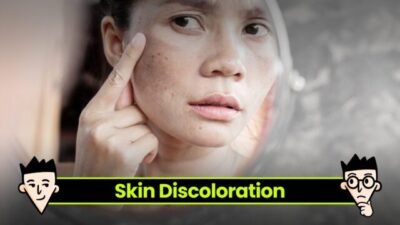
Skin discoloration is another fun souvenir from acne breakouts. These dark marks can stick around even after your skin clears. Topical preparations like azelaic acid or chemical peels with active ingredients can help even out your tone. Just be consistent and patient, because fading skin discoloration doesn’t happen overnight.
One effective treatment for post-acne marks is a chemical peel with a gentle chemical solution. These help resurface the skin and boost collagen production, which can reduce both acne scars and uneven skin tone. Don’t expect miracles after one session, though. Real results take time and multiple treatments.
Other treatments like laser or microneedling might be options if topical products aren’t enough. Talk to your board certified dermatologist to figure out what’s best for your skin. The goal isn’t just to clear acne but to feel good in your skin again. You deserve that glow-up.
READ THESE RELATED ARTICLES
What Does A Skin Toner Do Beyond Just Cleansing?
Facial Wash for Oily Skin Everyone’s Secretly Using
Best Makeup Toner To Keep Pores In Check
8 Best Anti-Acne Medications
You may have already used many anti-acne medications and found them unhelpful. You may be hopeless that your acne will never get cured. However, below we will discuss medications that have been scientifically proven helpful and are recommended by dermatologists all across the world.
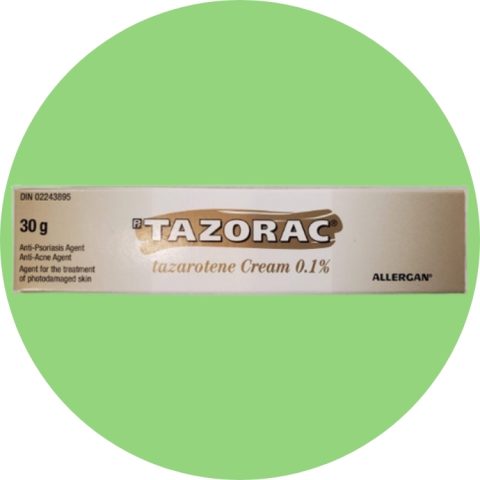
1.Top Consumer’s Choice: Tazorac
When it comes to anti-acne medications, the topical medication Tazorac is by far the best option available today. Experts recommend it as the safest and most helpful option for treating psoriasis and acne. Tazorac has unique retinoid properties that heal the skin. It contains benzoyl peroxide, butylated hydroxytoluene, beta hydroxy acid, alpha hydroxy acids, and many other excellent ingredients.
Six Reasons Why Tazorac is the Best
- Tazorac is the best treatment for acne because it significantly reduces photodamage (damage caused by exposure to the sun).
- This topical tazarotene will help you get rid of acne without any significant side effects.
- Treats both mild and severe acne.
- Available both as gel and cream.
- Best for psoriasis and unclogged pores as well.
- It is best for both whiteheads and blackheads
How to Use Tazorac?
Tazorac is available both as gel and cream. The cream is preferable if you have adry skin because it will help you moisturize your skin as well. In case your skin is oily, the gel form of Tazorac must be used. When applied to the affected skin, it relieves not only both mild and moderate acne but also acne-related scarring. Whether you have moderate or severe acne, Tazorac is the best treatment option.
Shop at Tazorac Official Store.
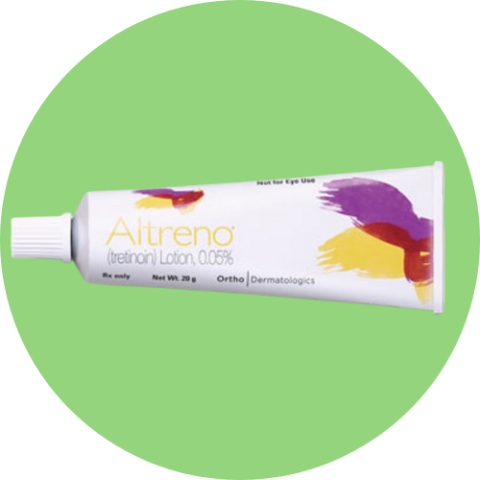
2. Secret Weapon for Fighting Acne: Altreno
Altreno is the best anti-acne product, especially for the dry skin of adults. It is free from alcohol, silicones, and fragrances. It’s also extremely good for all sensitive skin for which other retinoids do not work well. Studies show that Altreno significantly reduces acne by half in just three months. The benzoyl peroxide in this product kills acne causing bacteria and germs and unclogs blocked pores.
Benzoyl peroxide is excellent if you want to prevent pimples because it can kill bacteria and germs that cause acne. It’s also excellent because it helps prevent and clean up the specks of dirt that clog pores.
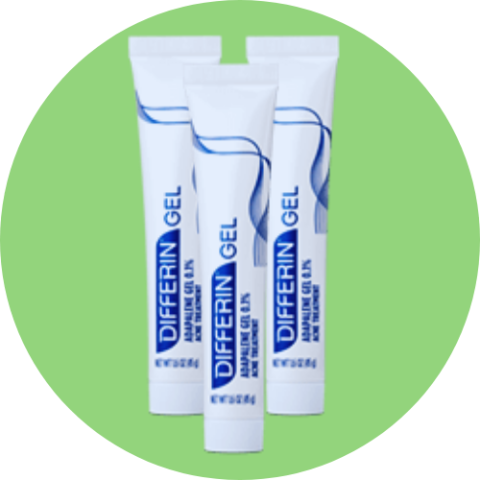
3. The Gel that Makes A Difference: Differin Gel
Differin gel is the only retinoid acne treatment that is approved by the FDA and can be used without a prescription. Studies show that Differin gel significantly reduces acne by 87% in just three months.
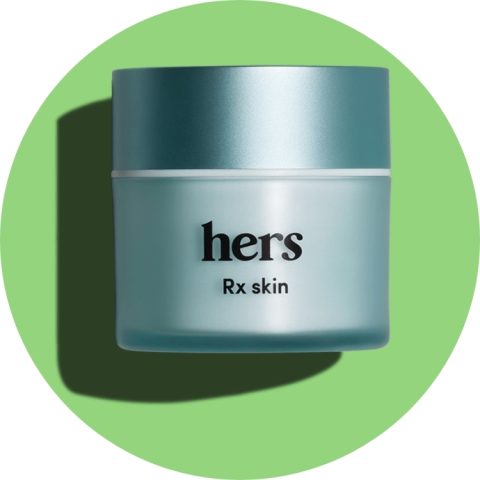
4. #1 Prescribed: Hers Prescription Acne Cream
If you are in search of an anti-acne product that is tailored to your particular needs, Hers Prescription Acne Cream is the option to choose. All you need is to fill out a form and have your desired product shipped to your location within no time. Tretinoin, glycolic acid, benzoyl peroxide, and azelaic acid are some of the ingredients that you may want to include in your product.
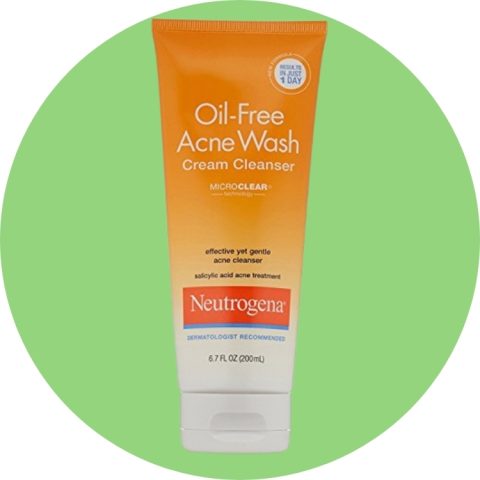
5. The Cleanser you can Trust: Neutrogena Oil-Free Acne Wash Cream Cleanser
If you are looking for an oil-free acne cleanser, Neutrogena is for you. This cleanser is composed of Salicylic Acid that diminishes acne and prevents breakouts. It’s time for you to replace your ordinary face cleansers with this amazing product. It also prevents irritation and over-drying.
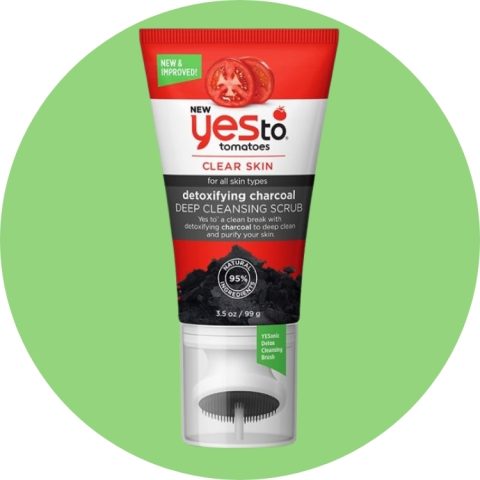
6.The All-in-One Facial Cleanser: Yes To Tomatoes Charcoal Facial Cleanser
The Yes To Tomatoes cleanser is best for people who are looking for an anti-acne cleanser that they can keep in the shower for usage. It is composed of charcoal, tomato extract, and salicylic acid. The product works especially best for acne on the chest, shoulder, and back. This will help you achieve cleaner skin by removing excess sebum and dirt from it.
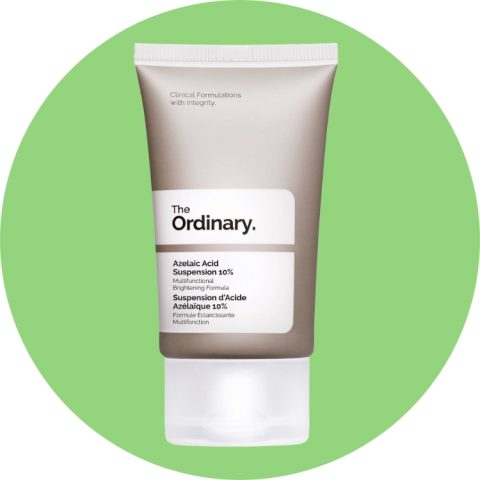
7. Best Among the Ordinary: The Ordinary Azelaic Acid Suspension 10%
This acne cream consists of Azelaic acid derived from wheat and barley. It is very helpful in treating acne-related inflammation, congestion, redness, and burning. This product also works exceptionally well if you are interested in improving your skin texture.
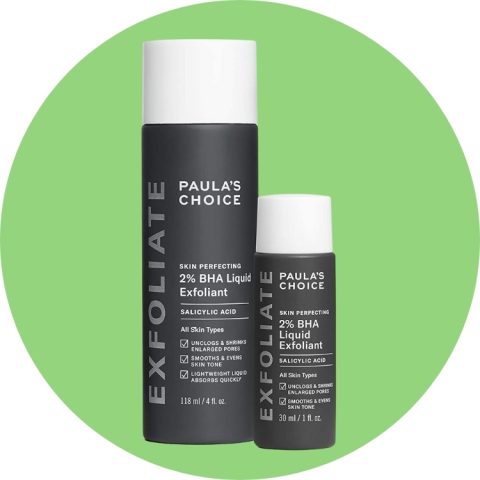
8. The Proven Effective: Paula’s Choice SKIN PERFECTING 2% BHA Liquid Exfoliant
Paula’s Choice contains catechin, which is an ingredient present in green tea that protects your skin from free radicals. It works equally well for blackheads and whiteheads. The Salicylic acid present in these exfoliants readily unclogs pores.
>> Related Article : 11 Best Acne Treatment • Top Acne Products Review of 2025
The Ingredients That Are Actually Doing the Work
Let’s talk ingredients, baby. If you want to treat acne properly, you’ve got to know who’s actually doing the heavy lifting in your skincare routine. These acne-fighting MVPs aren’t just pretty names on a label — they’re powerful and practical when used right. Here’s the dream team:
- Benzoyl Peroxide – This one’s a beast. It kills acne causing bacteria and clears out clogged pores like a skincare superhero. Best for moderate to severe acne, it works fast but can be drying, so slap on a moisturizer like your glow depends on it. It’s commonly found in cleansers and spot treatments, often used twice a day.
- Salicylic Acid – Your chill bestie in the acne world. It exfoliates by removing dead skin cells and keeps your pores from turning into gunk traps. Ideal for mild to moderate acne, it’s great at keeping whiteheads and blackheads in check without being too harsh.
- Azelaic Acid – This underdog ingredient has serious skills. It fights acne bacteria, reduces inflammation, and fades skin discoloration from past breakouts. If you’ve got post-acne redness or hormonal flare-ups, this one’s a quiet but effective treatment option.
- Topical Retinoids – These include popular ones like adapalene gel. They help speed up cell turnover and keep pores clear from the inside out. Topical retinoids are great for everything from hormonal acne to blackheads. Just start slow to avoid skin irritation.
- Tea Tree Oil – For those who love a natural vibe, tea tree oil offers antibacterial properties without the side effects of stronger meds. Great for mild acne, but always patch test first — nature can be shady too.
Each of these ingredients plays a different role in treating acne. Mix and match the right ones (with help from your board certified dermatologist, of course), and you’ve got a skincare routine that doesn’t just look cute — it actually works.
What About Natural Remedies? Do They Work or Nah?
Natural acne treatments are kinda like that unpredictable friend — sometimes they’re a lifesaver, other times they’re a hot mess. Let’s go through the most popular natural remedies and spill the real tea on whether they actually help treat acne or just waste your time.
- Tea Tree Oil – Yes, it works… if used correctly. This little plant-based warrior has antibacterial properties that can treat mild acne without over-drying your skin. But don’t go slathering it on raw — always patch test and dilute it first, or you might end up with a breakout and a rash.
- Warm Water + Gentle Cleanser – 100% yes. It’s basic, but basic is beautiful. Washing your face with warm water and a gentle cleanser twice a day helps prevent clogged pores and removes excess oil. Plus, it’s one of the easiest ways to treat acne without side effects.
- Mild Soap – Also a yes… if it’s actually mild. Some soaps strip your skin like sandpaper. Choose one that’s non-comedogenic and designed for your face. This helps with removing dead skin cells without causing skin irritation.
- Chemical Peels (Mild Ones) – Yup, they can work wonders. Chemical peels with gentle acids like glycolic or lactic acid help treat acne, reduce acne scars, and refresh your skin by boosting cell turnover. Just make sure it’s a legit chemical solution and not something sketchy from a random website.
- Honey, Lemon Juice, Baking Soda – Hard no. These DIY darlings from Pinterest might sound cute, but they often do more harm than good. Lemon can cause skin discoloration, baking soda throws off your skin’s pH, and honey… well, it’s better on toast. Stick with science-backed acne treatments.
So, do natural remedies work? Some do — and some are just skin sabotage in disguise. If you’re serious about treating acne, it’s totally fine to keep it natural, but be smart about it. And when in doubt, ask a board certified dermatologist instead of TikTok.
The BIG Acne Treatment Mistakes You’re Probably Making
Let’s be real—you might be doing too much. One of the biggest mistakes in acne therapy is overloading your skin with products. More isn’t always better. Using too many treatments at once can lead to side effects like skin irritation, dryness, and redness that just worsen acne. Chill out and give each product time to work.
Another problem is developing antibiotic resistance. If you’re using oral antibiotics or topical antibiotic creams the wrong way or for too long, they stop being effective. That means acne causing bacteria become stronger and harder to kill. Always follow directions and don’t share meds with friends (yes, people actually do that).
Using harsh exfoliants or picking at your pimples is another major no-no. That’s how you go from mild acne to full-on severe acne with scars. Gentle is the name of the game. Stick to a mild soap or gentle cleanser and treat acne with patience.
Lastly, ignoring hormonal acne won’t make it go away. If your acne gets worse around your menstrual cycle or you have symptoms of polycystic ovary syndrome, it might be time to talk about hormonal therapies or a combined oral contraceptive. Hormone therapy isn’t just for extreme cases—sometimes it’s the missing piece of your acne puzzle.
Key Takeaway: Your Skin Deserves Better
Acne treatment isn’t one-size-fits-all. But now you know the types of acne, the active ingredients that work, and the acne medications that are worth your time. Whether you’re using benzoyl peroxide twice a day or giving azelaic acid a try, consistency and care are everything. Clear acne takes effort, but it’s totally possible.
Don’t fall for every viral hack or overpriced product. Stick with what’s proven, pay attention to your skin, and always read the side effects. When in doubt, call your board certified dermatologist. Your skin deserves better, and thanks to this guide, you finally know how to treat acne the smart way in 2025. You got this. Now go be your glowing, confident self. Because clear skin? That’s the real flex. If there is one single magical treatment for acne and pimples that you would like us to recommend, it’s Tazorac.
Why Tazorac?
Well, Tazorac is the best treatment because of its amazing retinoid properties. It is the best treatment not merely for acne but also for the scarring associated with it. On top of that, it’s available for just $75 to $105, works for all types of acne and all types of skin, and with very limited side effects. The Tazorac gel has fantastic effects on dry skin, while its cream form is excellent for oily skin. With Tazorac, you can not only treat your acne but also save your skin cells from overgrowth.
Click here to get Tazorac at a Discounted Price
How to Get Rid of Acne FAQs
What is the most effective acne treatment for severe acne?
The most effective acne treatment for severe acne often includes a combination of oral antibiotics, topical retinoids, and benzoyl peroxide. For some people, hormonal therapies like a combined oral contraceptive or even hormone therapy can be game-changers, especially when dealing with hormonal acne. If you’re facing severe nodulocystic acne, a board certified dermatologist might recommend a medication called isotretinoin, but that one comes with side effects and requires a pregnancy test before starting. Treating moderate or severe acne isn’t a one-step fix, but with the right plan, your skin can see significant improvement. Always check with a professional before starting any new acne medications.
Can natural remedies really treat acne effectively?
Some natural remedies can help treat acne, especially mild to moderate types. Tea tree oil has antibacterial properties and can be effective for treating breakouts, while washing your face twice a day with warm water and a gentle cleanser can help prevent acne and remove dead skin cells. But not all natural fixes are safe — things like lemon juice or baking soda can worsen acne or cause skin irritation. So yes, some natural acne treatments do work, but always stick to ingredients with proven benefits and skip the risky DIY hacks.
What are the common side effects of acne medications?
Acne medications — both topical and oral — can come with a few side effects. Topical retinoids and benzoyl peroxide often cause skin redness, dryness, or flaking when you first start using them. Oral antibiotics can lead to stomach upset or contribute to developing antibiotic resistance if overused. Some treatments may also cause skin discoloration or trigger perioral dermatitis if used incorrectly. Always start slow, follow directions carefully, and don’t mix too many active ingredients at once. Your skin will thank you.
Source link