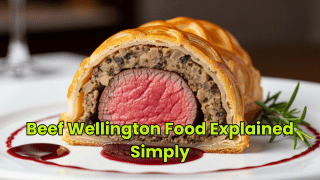
Beef Wellington Food Explained Simply







Beef Wellington is a culinary masterpiece that commands attention the moment it is served. Its crisp, golden pastry encases tender beef, perfectly complemented by the earthy richness of mushrooms and a delicate layer of pâté. This combination transforms an ordinary meal into an extraordinary experience. It stands as a testament to the art of cooking where precision and timing come together in perfect harmony. The anticipation surrounding Beef Wellington is palpable. The dish embraces that scrutiny, knowing it will deliver both in appearance and flavor.
What makes Beef Wellington truly special is the patience and care required to bring it all together. Though the ingredients themselves are simple—beef, pastry, mushrooms, and pâté—it’s the execution that elevates the dish. Preparation demands time, making the process feel like an event in itself. With each slice, you’re not just enjoying a meal. You’re experiencing the culmination of effort, tradition, and the joy of sharing something remarkable. Both seasoned chefs and home cooks favor this dish for good reason.
READ ALSO: Places for Breakfast Worth Getting Out of Bed For
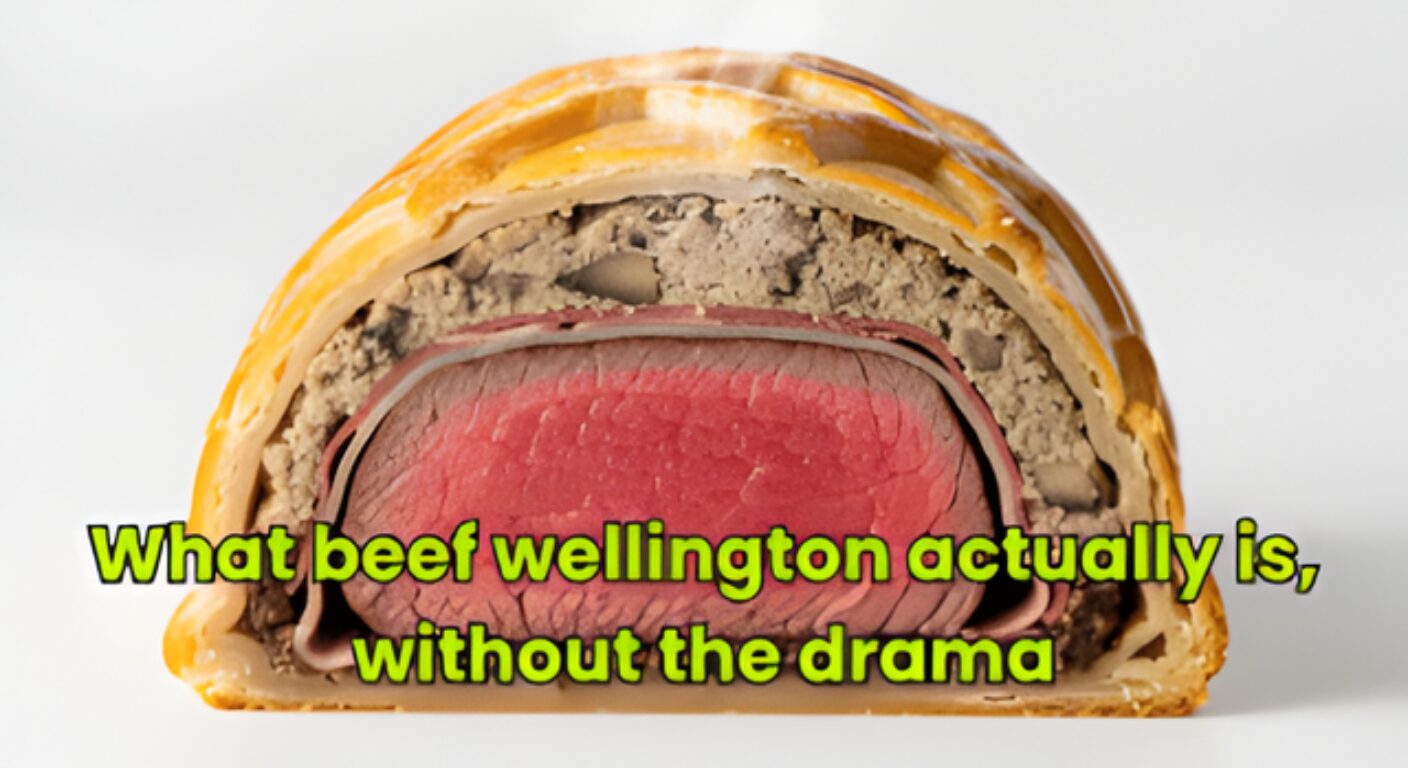
What beef wellington actually is, without the drama
Beef Wellington is a classic dish made up of a few simple ingredients: beef tenderloin, mushroom duxelles, Parma ham, and puff pastry. There’s no hidden magic. Instead, it’s the combination of these elements that creates something extraordinary. The beef tenderloin is wrapped in a layer of mushroom duxelles, then covered in Parma ham, which adds saltiness and richness. Finally, it’s encased in puff pastry. When baked, the pastry provides a golden, flaky crunch that contrasts beautifully with the tender beef inside.
What makes Beef Wellington remarkable is not the complexity of its ingredients, but the technique and timing needed to bring it all together. Each layer serves a specific purpose. Each step must be executed with precision. Cooking the beef to the perfect level of doneness is key. Ensuring the mushroom duxelles are balanced matters greatly. Wrapping everything in just the right amount of pastry completes the foundation. It’s a dish that celebrates the importance of attention to detail and the skill required to achieve the perfect result.
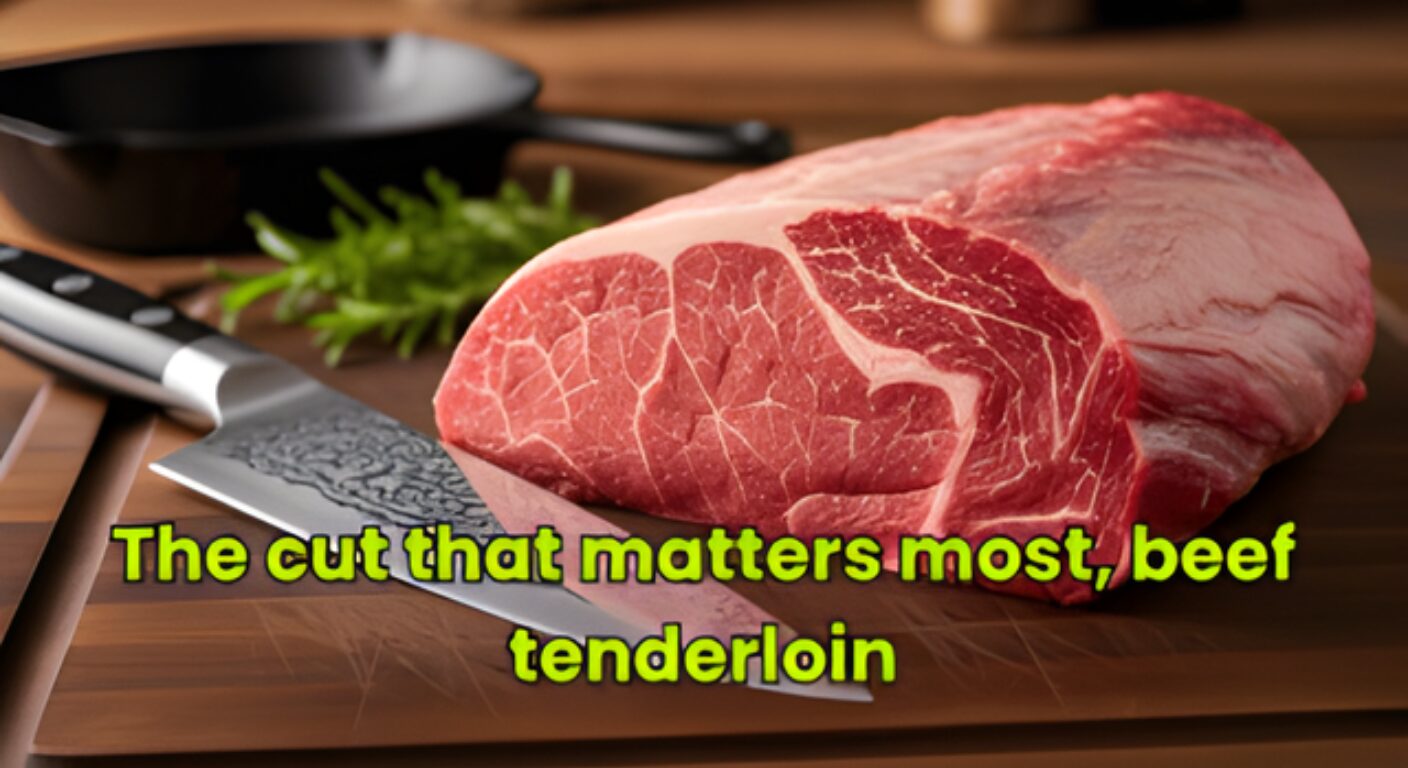
The cut that matters most, beef tenderloin
Beef tenderloin is the heart and soul of Beef Wellington. There’s no substitute that can replicate its texture, tenderness, or flavor. The magic of the dish lies in the perfect balance between the rich, succulent beef and the layers surrounding it. Everything starts with choosing the right cut. No other cut of beef offers the same melt-in-your-mouth experience that tenderloin does. For Beef Wellington, only beef tenderloin will give you the desired result, so don’t waste time looking for alternatives. It’s the ideal cut, offering the perfect combination of tenderness and flavor to elevate the dish.
When selecting your beef tenderloin, choose a center cut for the most even shape and a uniform cook throughout. The meat should be clean, free from excess fat and silver skin, which can be tough and unpleasant to eat. Use a paring knife to carefully trim away any unwanted fat. Leave just enough to retain the meat’s moisture and flavor during cooking. The goal is to have a piece that cooks evenly, ensuring a perfect medium-rare result. Achieving this level of precision is essential for a Beef Wellington that truly shines, with the tenderloin as the undeniable star of the dish.
READ ALSO: Easy Dinner Ideas for When You’re Over Cooking
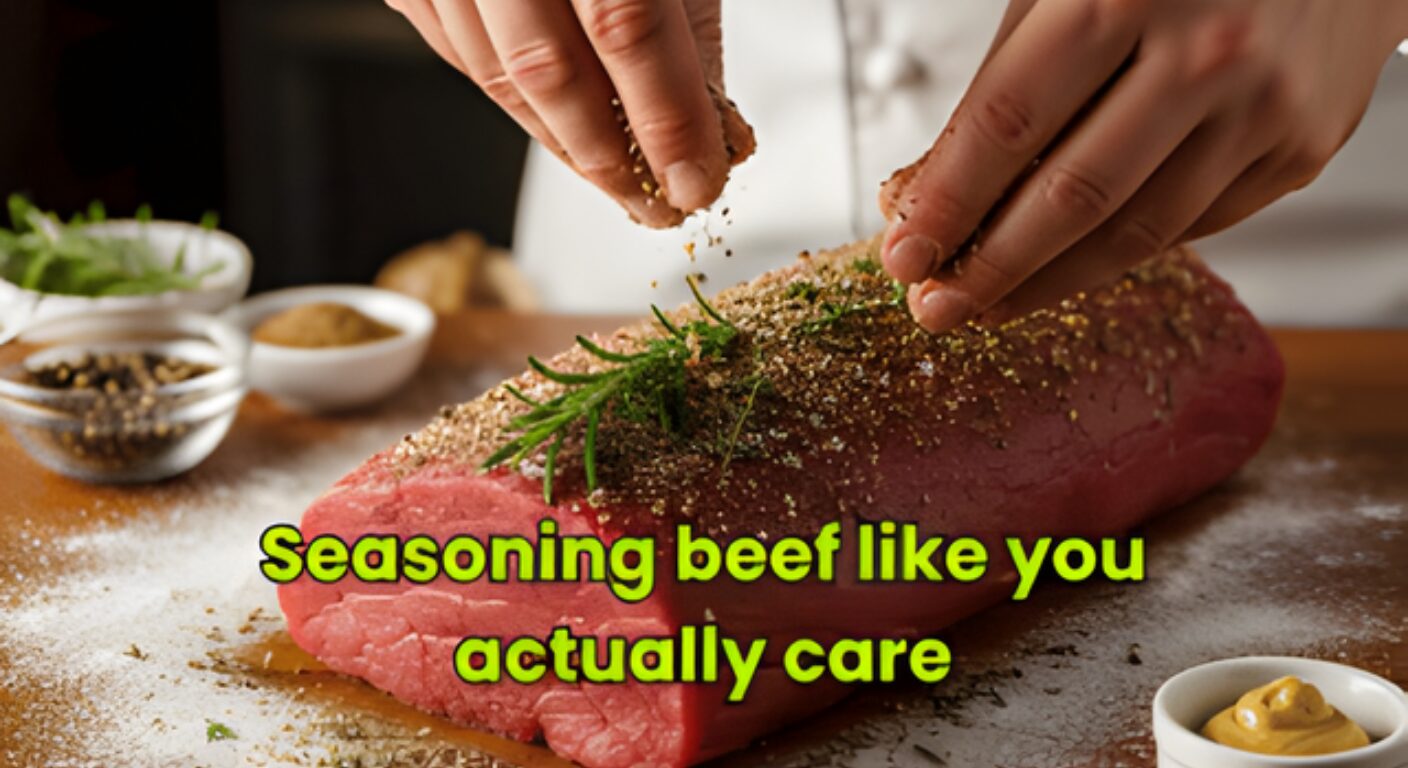
Seasoning beef like you actually care
You cannot overlook seasoning your beef if you want to make a truly memorable Beef Wellington. It’s an essential step. Never skip it. Kosher salt and freshly ground black pepper are the basic and non-negotiable ingredients for seasoning. These two simple elements bring out the natural flavors of the beef and help it shine in the final dish. When you season the beef, do so well before cooking. The salt needs time to penetrate the meat. It draws out moisture, which then reabsorbs along with the seasonings, infusing the beef with deeper flavors. Without this step, the result will lack the depth that makes Beef Wellington so remarkable.
Allow the beef to rest after seasoning, giving the salt time to work its magic. The longer you let it sit, the more time the salt has to pull moisture to the surface. Then it draws moisture back in, along with the seasonings. Moisture on the surface isn’t the only goal. Creating flavor inside the beef itself is what matters. Early seasoning ensures that every bite of your Beef Wellington will be perfectly seasoned. The beef’s natural juices become enhanced, not overwhelmed, by the seasonings. Taking the time to season properly is what sets an average Wellington apart from an exceptional one. Every part of the dish will complement each other perfectly.
READ ALSO: The Best Kitchen Gadgets for Healthy Cooking You Should Own
The sear that locks everything in
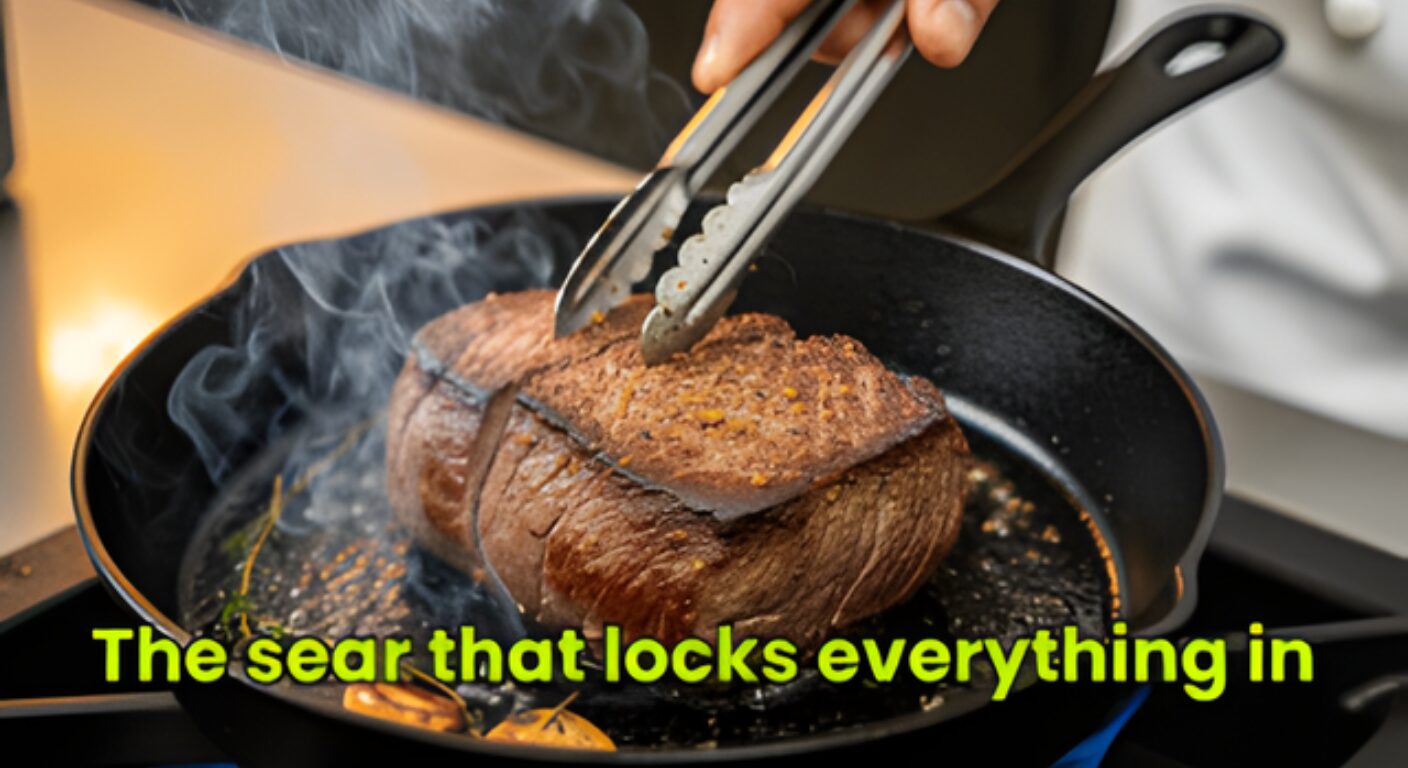
The sear is a crucial step in creating the perfect Beef Wellington. Getting the heat just right is key. Heat oil in a large pan over medium-high heat. The pan should be hot enough to give the beef a proper sear but not so hot that it burns. Using a large pan ensures that the beef tenderloin has enough space to sear evenly on all sides without overcrowding. Overcrowding the pan would result in steaming rather than searing, which is not what you want. The sear is about getting a deep, beautiful brown crust on the surface of the beef. A pan with enough room helps ensure this happens.
Sear the beef tenderloin on all sides. Make sure to expose every surface to the hot pan to ensure an even sear. A proper sear isn’t just about the aesthetic golden crust. Much of the flavor development happens through the Maillard reaction. The Maillard reaction creates complex layers of flavor that will elevate the entire dish. Searing also helps to lock in the beef’s natural juices. The meat stays moist and tender as it cooks later. A properly seared beef tenderloin serves as a stable and flavorful base. It enhances both the flavor and structure of the Wellington and ensures a tender, juicy result once baked in the pastry.
Cooling the beef is not optional
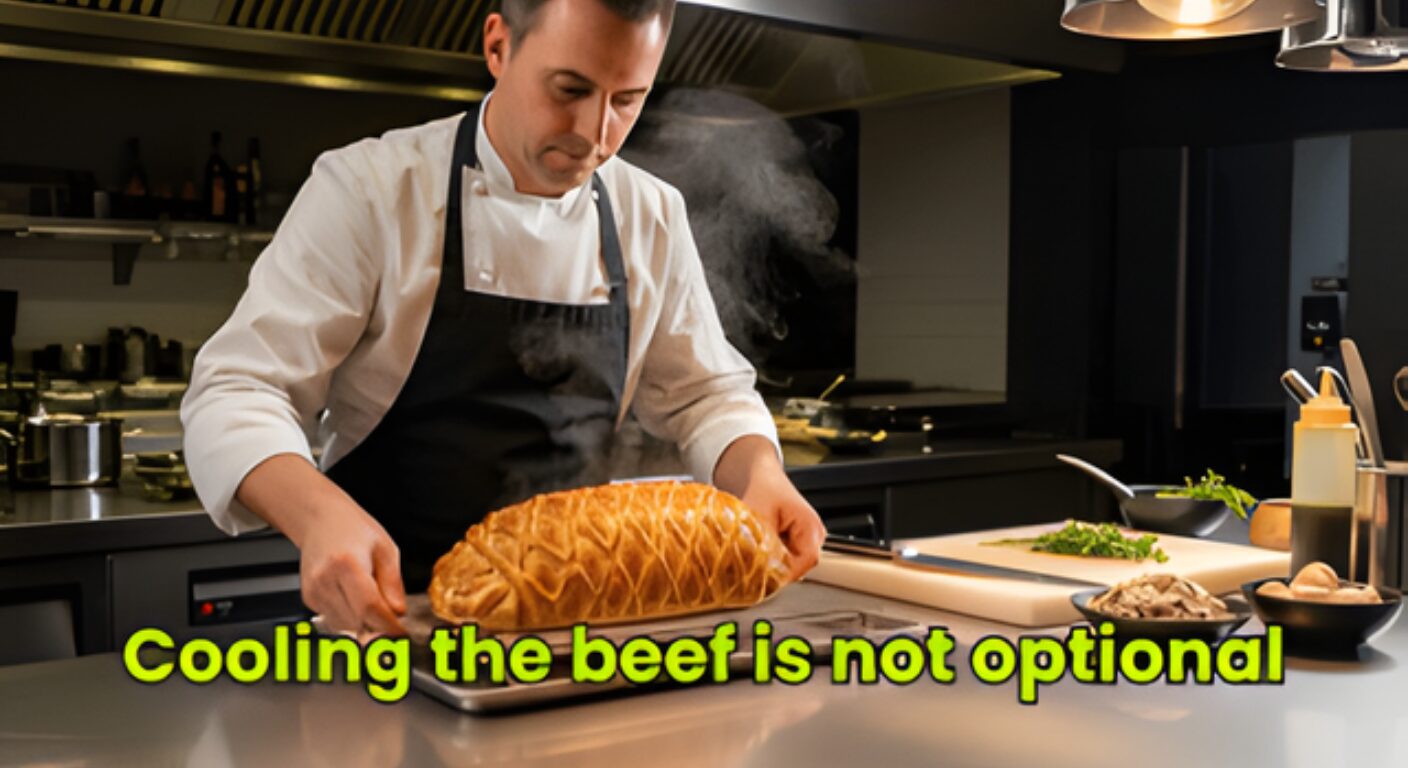
Cooling the beef after searing is a non-negotiable step in the Beef Wellington process. Once you’ve seared the beef, allow it to cool completely before wrapping it in the mushroom duxelles and pastry. If the beef is still warm when wrapped, the heat will cause the pastry to start melting. A soggy and unappealing exterior is the result. The structure of the pastry is key to holding everything together. Rushing the cooling process could cause it to lose its crisp texture. Cooling the beef allows the pastry to retain its crispness and ensures a golden, flaky exterior.
To cool the beef properly, wrap it loosely in aluminum foil and let it rest at room temperature. Gradual cooling prevents condensation or uneven cooling. Putting the beef in the fridge or freezer to speed it up is not advised. Give it the time it needs to reach room temperature before moving on to the next steps of the recipe. Resting also benefits the beef. It allows the juices to redistribute, making the meat more tender and flavorful. Patience is crucial here. The few extra minutes it takes to cool the beef properly will make a significant difference in the texture and outcome of your Beef Wellington.
Mushrooms are not a side character here
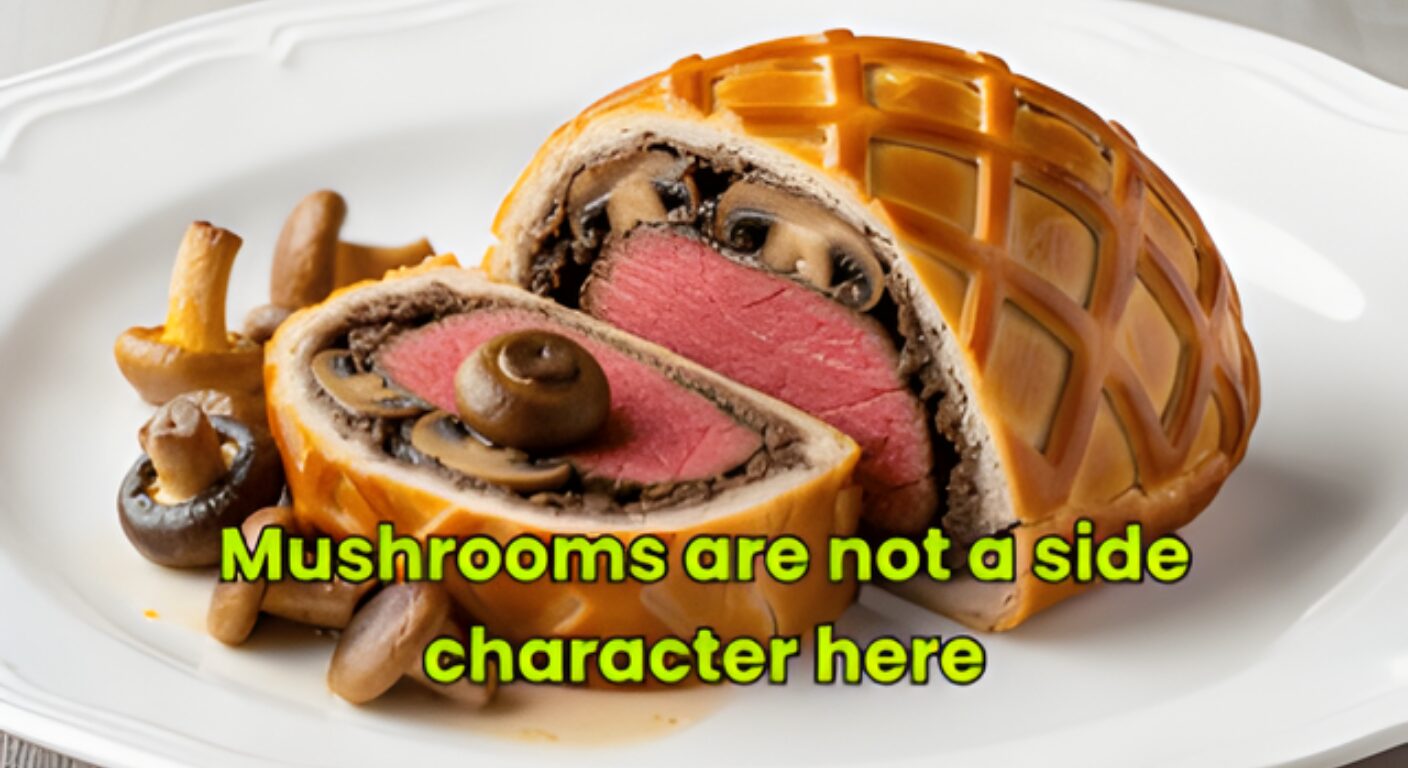
Mushrooms play a leading role in Beef Wellington, far beyond being a simple filler. They bring an essential depth of earthy, umami flavor that complements the richness of the beef and other ingredients. When choosing mushrooms, cremini mushrooms are an excellent choice due to their robust, savory taste. They elevate the dish without overpowering the beef. While other mushrooms might work, cremini provides the perfect balance for this recipe. They deliver a strong mushroom presence that enhances the overall flavor profile without overwhelming the other elements of the Wellington.
Treat the mushrooms with the respect they deserve. They are crucial to making the dish complete and satisfying. The texture of the mushrooms is just as important as their flavor. Finely chopping them is a must. A uniform, fine chop ensures that the mushrooms integrate properly with the beef and other ingredients. Any disruption in the flavors and textures is prevented. When chopped evenly, the mushrooms release their natural moisture. The flavor becomes concentrated and creates a cohesive duxelles that perfectly complements the beef. Attention to detail in the preparation of the mushrooms is key to a balanced and flavorful Beef Wellington.
READ ALSO: The Plant-Based Cookbook Review 2026: Best Vegan Cookbook?
Making mushroom duxelles the right way
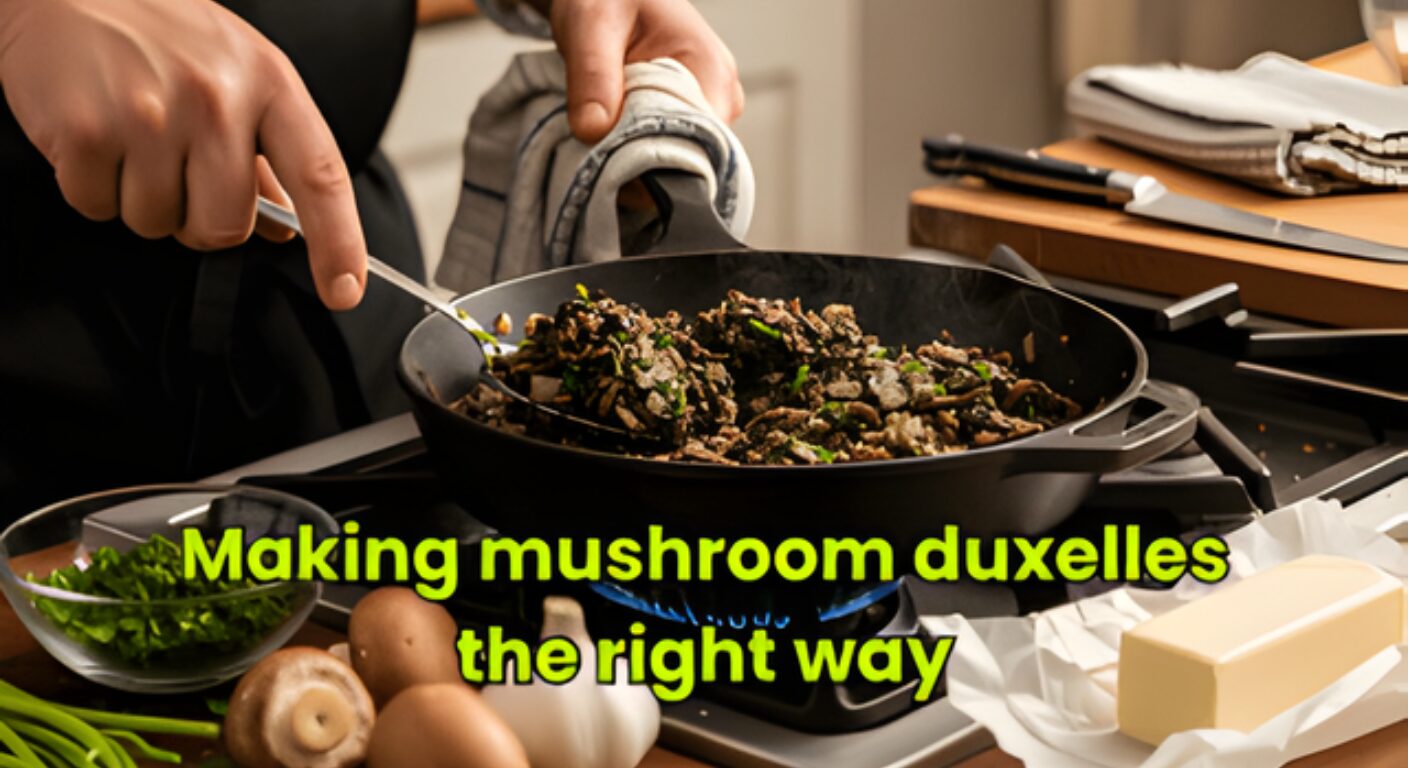
Making mushroom duxelles the right way is essential for a successful Beef Wellington. The key is to achieve the perfect texture and depth of flavor. Mushroom duxelles is a concentrated mushroom mixture that you cook down to intensify its flavor and eliminate excess moisture. The consistency of the duxelles should be thick and dry. No excess moisture should remain that could cause the pastry to become soggy. A dry paste acts as a protective layer for the beef. It helps the meat stay juicy while preventing the pastry from getting wet and losing its crispness.
To make the duxelles, start by using a food processor to finely chop the mushrooms and shallots. An even mixture cooks more uniformly. Once chopped, cook them in butter and olive oil over medium heat. Allow the mushrooms to release their moisture and then evaporate. The process should be slow, as it concentrates the flavors. As the mixture cooks down, it will form a paste-like consistency. The paste should be dry enough to hold together without being too wet or crumbly. A properly made duxelles creates the perfect insulating layer around the beef. It helps ensure the Wellington bakes to golden perfection.
Patience builds mushroom paste
Patience is key when making the mushroom paste for Beef Wellington. Cooking the mushroom mixture slowly allows the flavors to develop fully. As the mushrooms release their moisture, it’s important to give the mixture time to cook down and evaporate. Stir occasionally to help the moisture escape. The mixture should thicken into a paste rather than a watery sauce. Rushing the process can leave the duxelles too wet. Wet duxelles will ruin the pastry’s texture when wrapped around the beef.
As you cook the duxelles, adding fresh thyme leaves during the process enhances the flavor. A subtle, herbaceous layer balances the richness of the mushrooms. However, don’t overwhelm the mixture with too many herbs. Thyme should complement, not overpower, the mushrooms. With patience and attention to detail, this mushroom paste will form the perfect foundation for wrapping around the beef. A flavorful, balanced Wellington delivers exceptional taste and texture in every bite.
Why cooled mushroom mixture matters
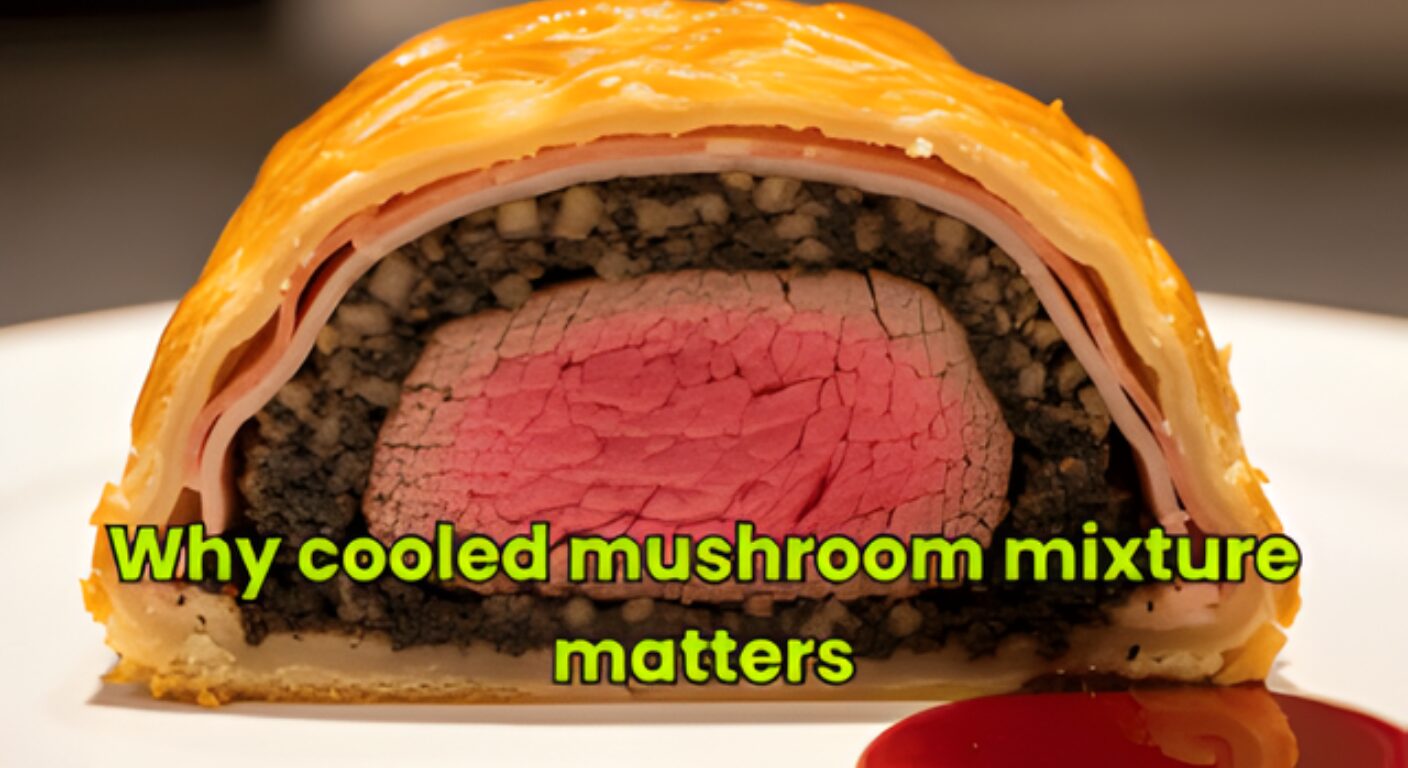
Cooling the mushroom mixture before using it in Beef Wellington is a simple but essential step. It ensures the pastry remains crisp and flaky. If the mushroom mixture is still warm when wrapped in pastry, it will release steam as it continues to cool. Trapped moisture will cause the delicate layers of the pastry to break down. What should be a golden, crispy exterior turns into a soggy mess. Cooling the mushrooms completely prevents this. The pastry maintains its integrity during baking.
Allow the mushroom mixture to cool at room temperature. Cooling helps the duxelles firm up and gives the flavors time to meld together. Do not rush this step by placing the mixture in the fridge or freezer. Uneven cooling could result. Cooling the mixture not only preserves the pastry but also enhances the flavor. The mushrooms’ richness becomes more concentrated. Patience ensures that every layer of the Beef Wellington, from the beef to the pastry, reaches its full potential in terms of both texture and flavor.
Parma ham is the unsung hero
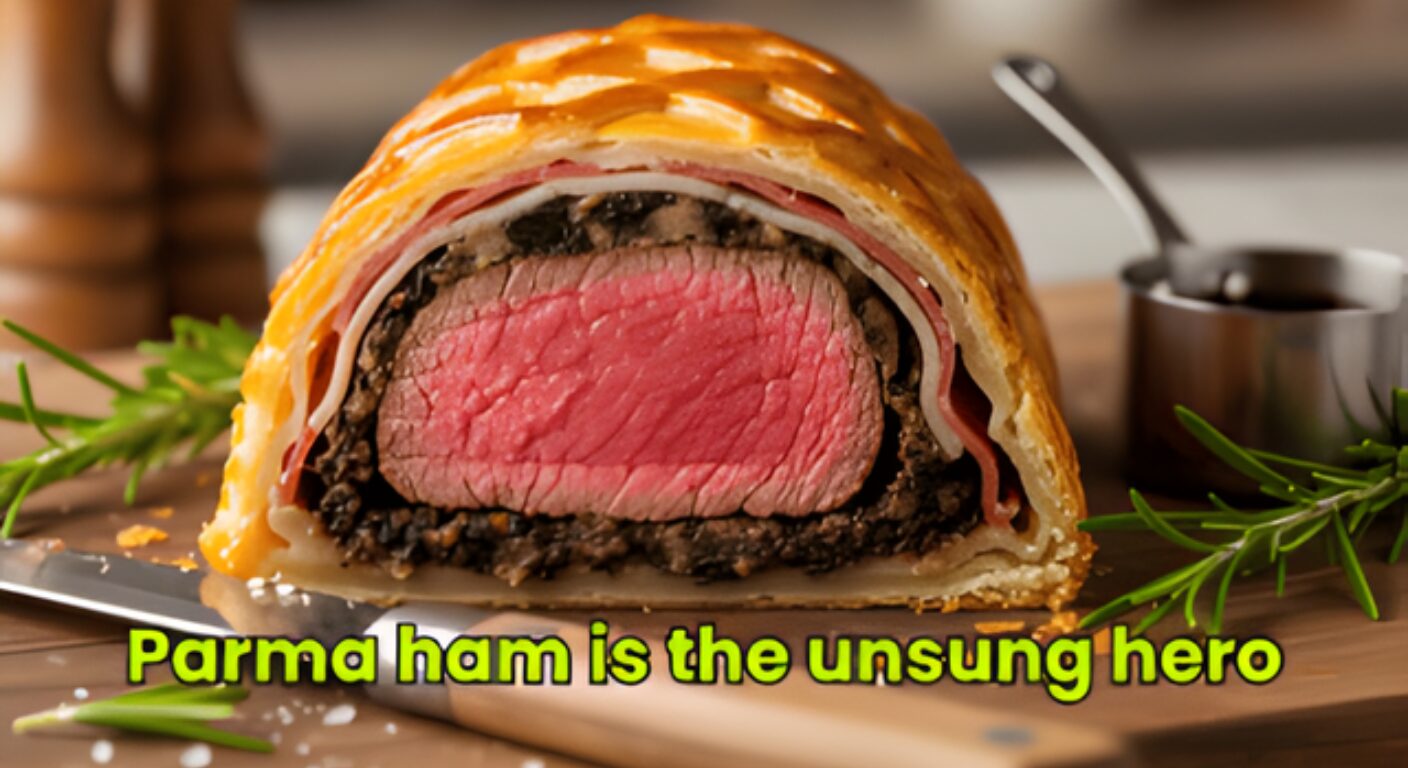
Parma ham is often the unsung hero of Beef Wellington. It plays a critical yet quiet role in the dish’s success. While it may not always steal the spotlight, its contribution is essential. The saltiness of Parma ham enhances the beef’s natural flavors. The fat ensures a rich, moist texture throughout the Wellington. More than just flavor, the thin layers of Parma ham serve a structural purpose. They create a barrier between the beef and the pastry. Moisture from the beef or mushroom duxelles is prevented from making the layers soggy. The Wellington’s perfect texture is maintained.
To properly incorporate Parma ham, lay the slices out on plastic wrap. Slightly overlap each piece to ensure the beef is fully covered. The overlap creates a tight, even layer that holds everything together. Once the beef and mushroom mixture are placed on top, roll it tightly in the plastic wrap to secure the layers. When wrapped in puff pastry, the Parma ham acts as a flavor enhancer, protector, and binder. The Wellington holds its shape and delivers balanced flavor through the entire cooking process.
READ ALSO: Cuisines of the World: Best Choice for Gluten-Free Eaters
Building layers with intention
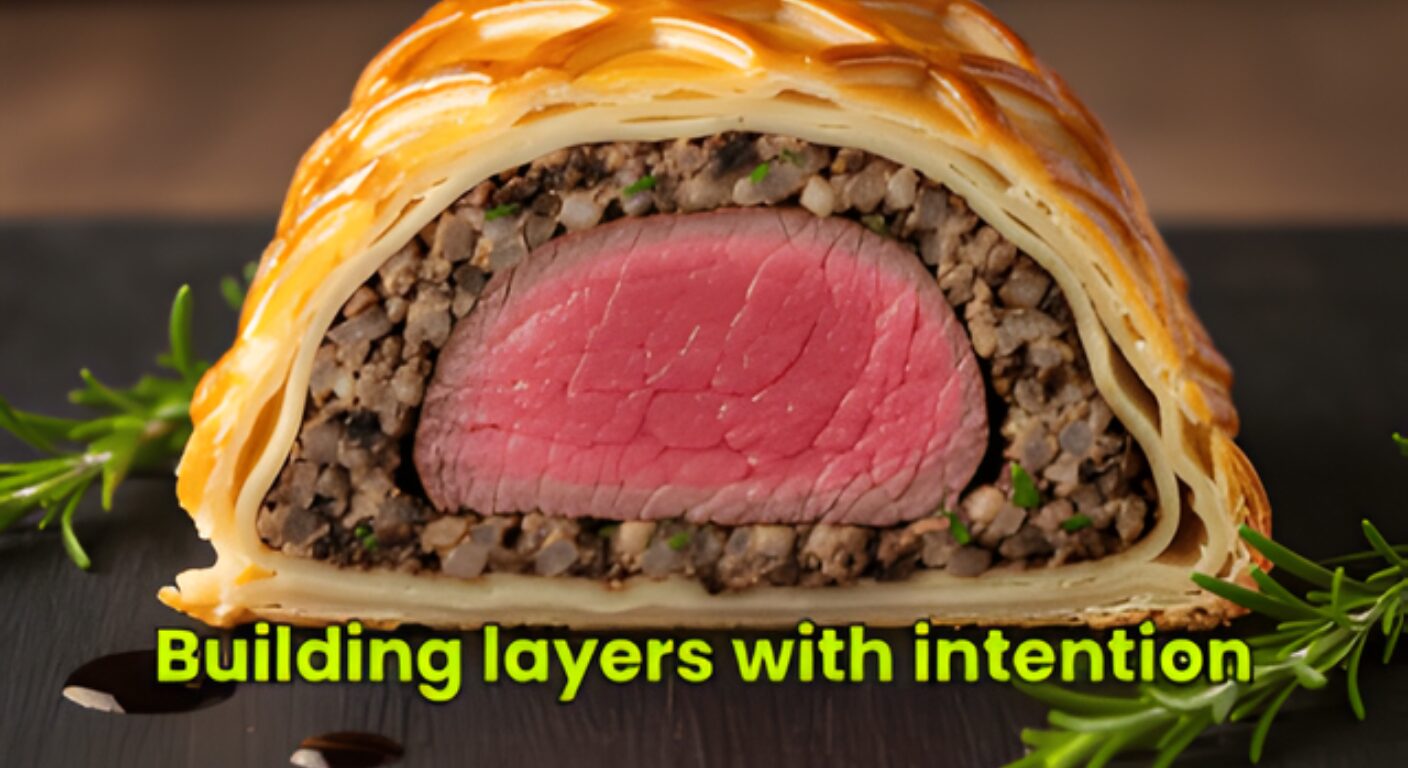
Building the layers of your Beef Wellington with intention is crucial. Every component must work together harmoniously. Start by spreading the cooled mushroom mixture evenly over the Parma ham. The mushrooms should completely cover the ham, creating a flavorful base that enhances and protects the beef. Ensuring evenness in the mushroom mixture is key. Each bite will have the same balanced flavor and texture. A carefully applied layer provides a solid foundation for the beef. Its rich, earthy flavor permeates the entire dish.
Once the mushroom layer is evenly spread, place the beef tenderloin in the center. Gently press everything together to ensure a snug fit. Wrap the entire package tightly with plastic wrap to hold the layers in place while the Wellington chills. Maintaining the shape of the beef is crucial. The flavors meld together during this time. After wrapping, chill the Wellington again to let the layers firm up. When you wrap it in puff pastry, everything stays intact. A final chilling step ensures a beautifully assembled and evenly cooked Beef Wellington.
Puff pastry deserves respect
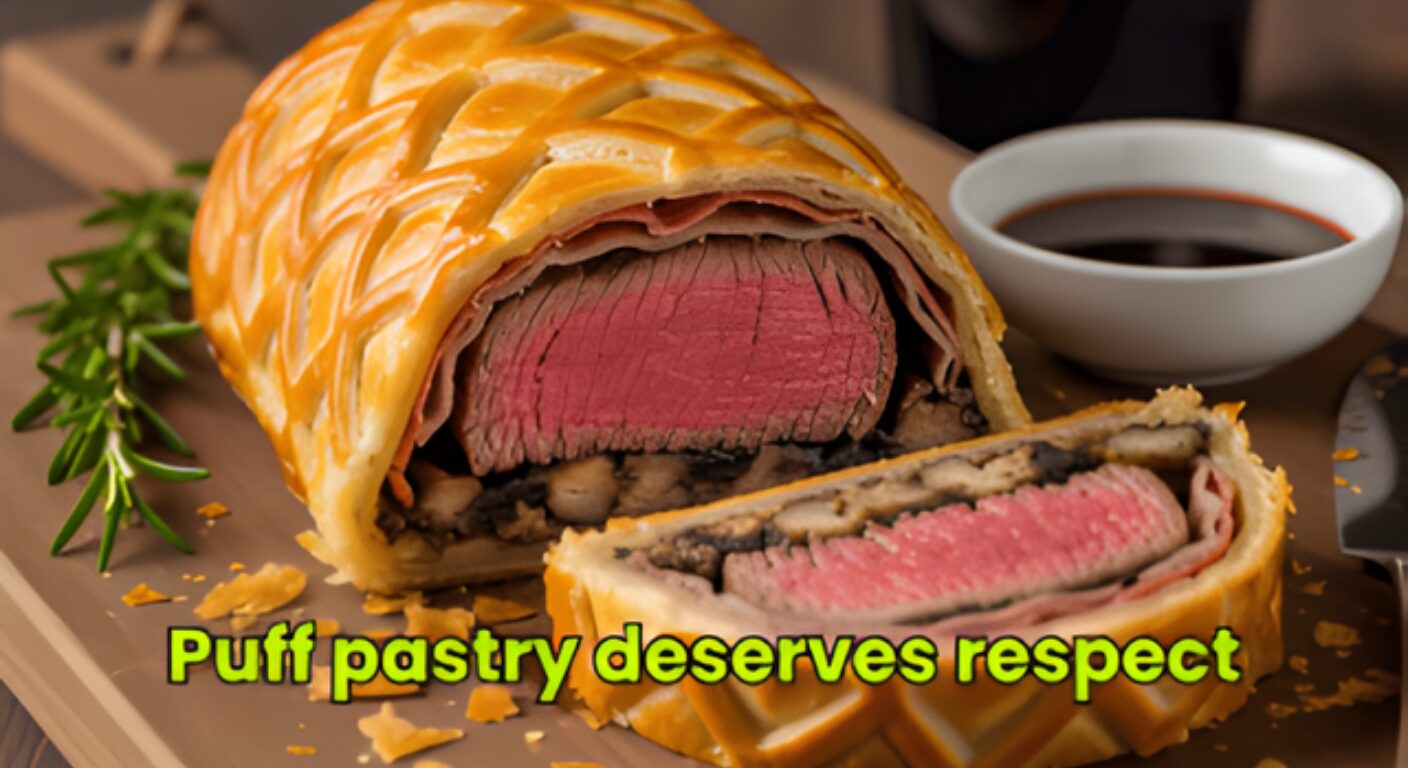
Puff pastry deserves respect. It is the key to creating the dramatic, flaky layers in Beef Wellington. To ensure it turns out perfectly, start by working on a clean, lightly floured surface. The pastry will roll out smoothly. Keeping everything cold is essential, including the dough, butter, and rolling pin. Warm pastry will lose its ability to puff up properly. A less-than-ideal texture results. Use a gentle hand when rolling, applying light pressure to maintain an even thickness. The goal is a pastry that’s thick enough to support the beef and mushroom mixture but not too thick to prevent even cooking.
For the best taste and texture, use high-quality, all-butter puff pastry. Rich, buttery flavor is the result. It helps achieve the crisp, golden-brown finish that everyone loves. Be careful not to press down too hard when rolling out the dough. Crushing the layers could hinder the puffing process. The key is to keep the layers intact. They will expand and create the delicate, airy texture that defines a perfect Beef Wellington. With care and precision, the pastry will reward you with a stunning, delicious result.
READ ALSO: Breakfast Meal Ideas Worth Waking Up For
Wrapping the uncooked wellington
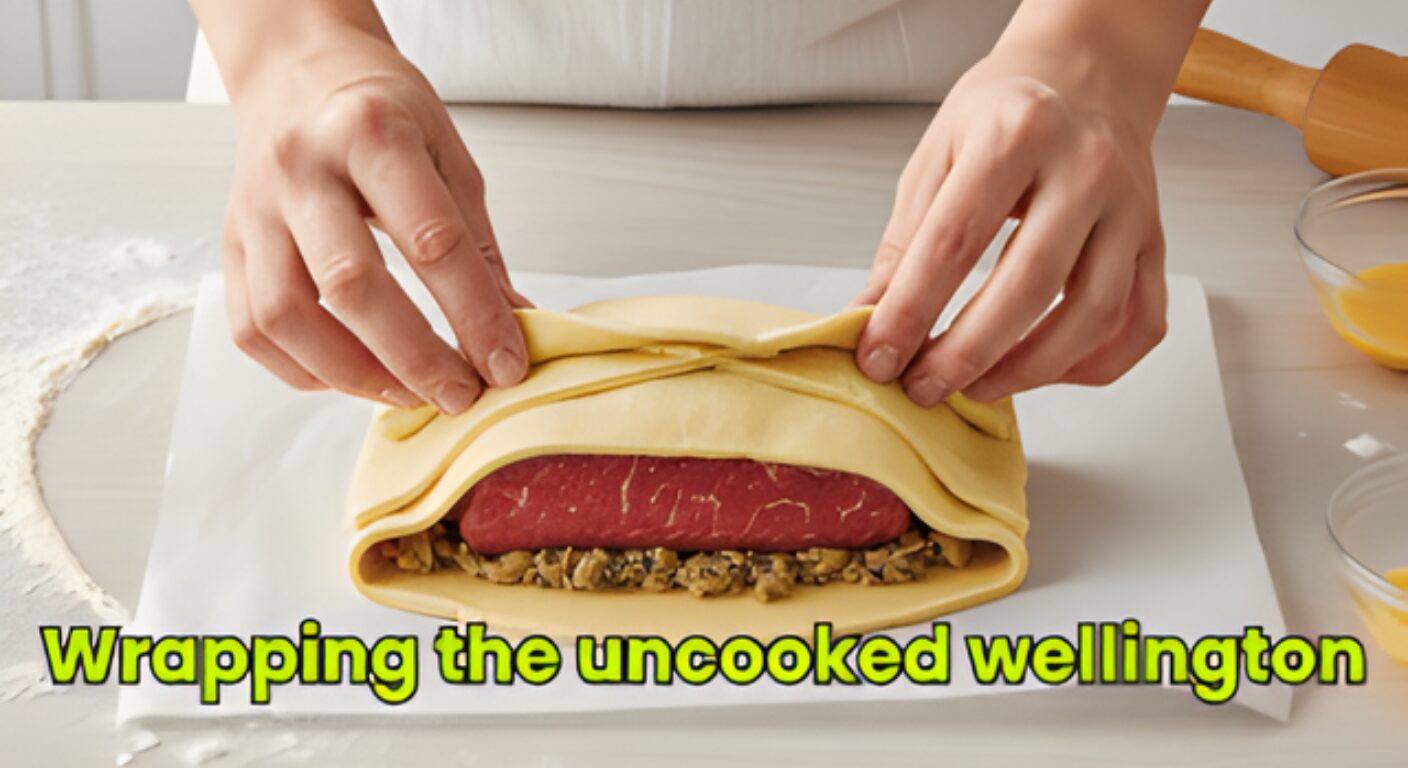
When wrapping your Beef Wellington, start by carefully removing the plastic wrap from around the beef. Make sure it stays intact. Place the beef tenderloin in the center of the rolled-out puff pastry. Position it to allow for a snug wrap. Wrap the Wellington tightly, but be careful not to stretch the pastry. The beef and mushroom mixture stay securely in place. The pastry cooks evenly. Trim away any excess dough to avoid making the pastry too thick or uneven. Thickness affects the final appearance and texture.
Once the Wellington is tightly wrapped, place it seam-side down on a sheet of parchment paper. Parchment prevents the seam from opening during baking. It also provides a non-stick surface, making it easier to transfer the Wellington into the oven. With the Wellington assembled, proceed to apply the egg wash for that golden-brown, glossy finish. Not only does this crucial step enhance the visual appeal of your Beef Wellington, but it also adds a beautiful sheen. The dish becomes even more impressive when served.
Egg wash is not decoration
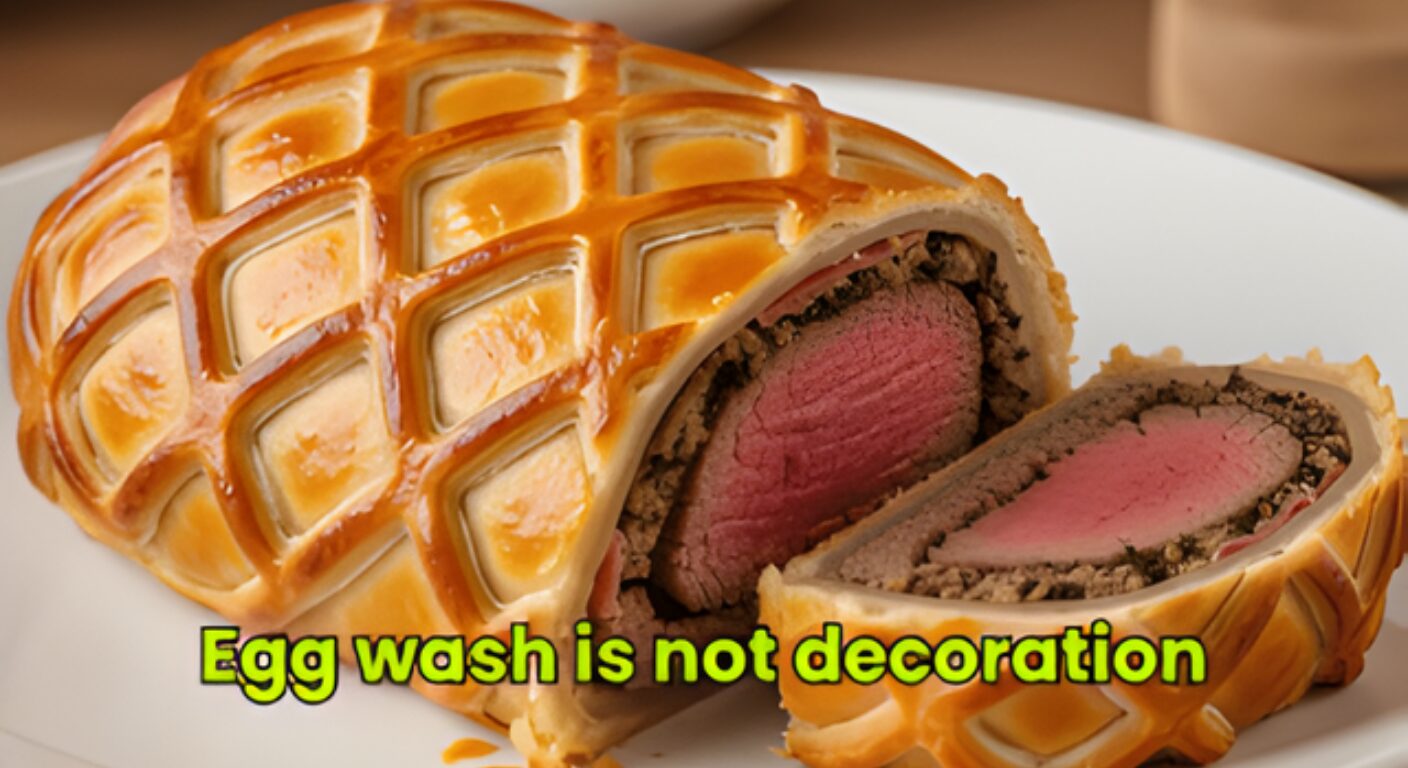
The egg wash is a crucial component of Beef Wellington. It serves far more than just decoration. While it certainly enhances the appearance of the pastry, it ensures the pastry achieves a golden-brown, crisp exterior. To prepare the egg wash, whisk the eggs thoroughly until the yolk is fully broken and mixed with the whites. Using a brush, apply a thin, even layer to the surface of the pastry. Be careful not to overdo it. Too much egg wash can make the pastry greasy or cause uneven coloring. Cover the entire surface, especially the edges, to ensure a beautiful, golden finish.
An even application of the egg wash is vital for the texture and visual appeal of the Wellington. It helps the pastry crisp up during baking. The flavors of the beef and mushroom duxelles lock in without making the pastry soggy. Once applied, it’s time to score the pastry. Complete the final steps to achieve that perfect, flaky crust. The egg wash not only adds shine but also plays a significant role in creating the beautiful, crisp crust that makes Beef Wellington so impressive.
Scoring pastry without panic
Scoring the puff pastry on Beef Wellington is a delicate but essential step. It allows steam to escape during baking and helps create a crisp, even texture. Use a sharp paring knife to lightly score the surface in a decorative pattern. Be careful not to cut all the way through the layers. The goal is to make shallow slashes that allow steam to escape. The pastry won’t puff unevenly or collapse. A well-executed scoring pattern not only ensures proper cooking but also adds an artistic touch to your Wellington.
Confidence is key when scoring the pastry. Hesitation can lead to uneven marks or an unbalanced design. Both the visual appeal and the baking process could be affected. With a steady hand, create clean, uniform lines that look intentional and polished. Whether you opt for a simple crisscross or a more intricate design, scoring is an important detail. It elevates the final presentation and ensures the layers puff up evenly, contributing to the overall airiness of the dish.
Baking is about control
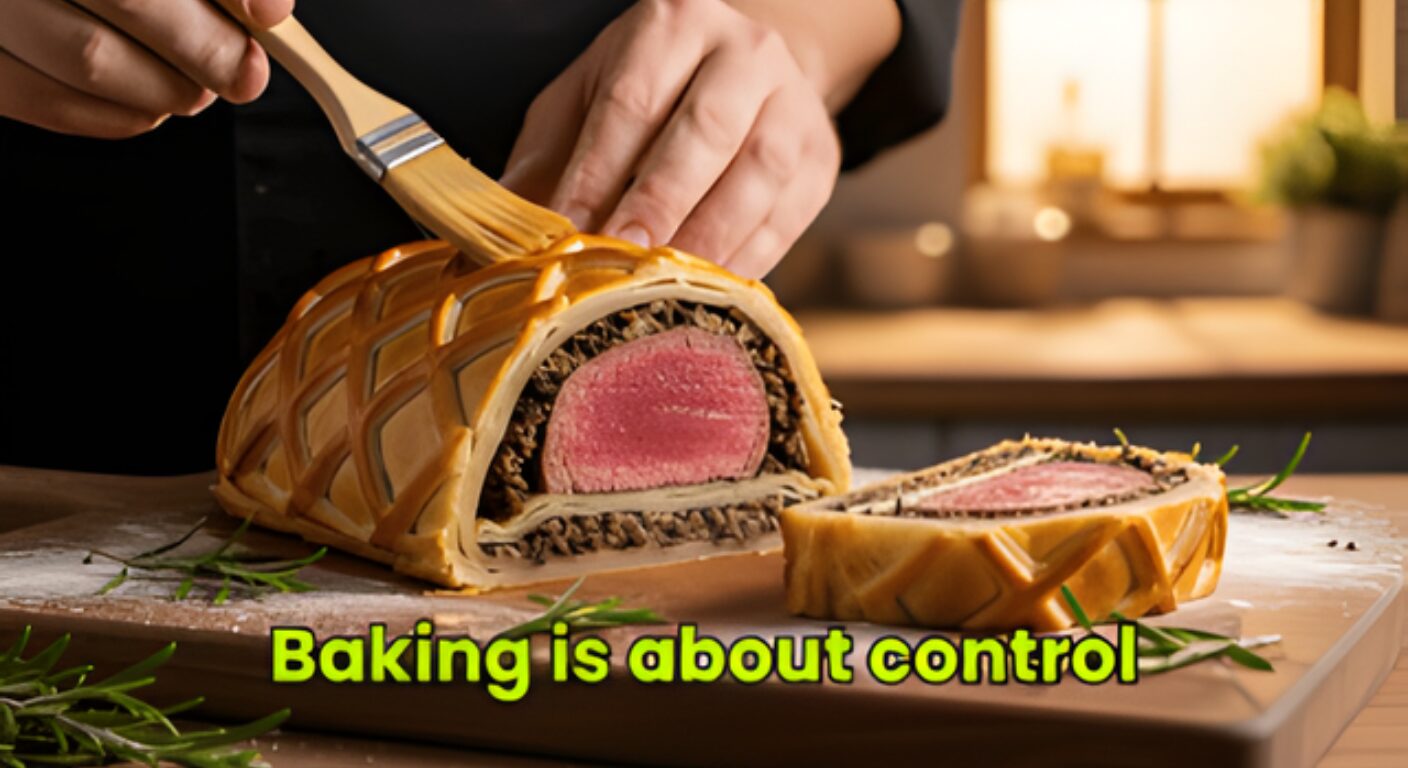
Baking Beef Wellington requires careful control over the environment to ensure the pastry cooks perfectly. Start by placing the uncooked Wellington on a lightly greased sheet pan. Greasing prevents the pastry from sticking and makes it easier to transfer to the oven. Before baking, chill the wrapped Wellington in the refrigerator. Chilling helps the pastry maintain its shape. It ensures even cooking and prevents the layers from becoming too soft or collapsing during the bake. A brief chilling period is crucial for retaining the Wellington’s structure and flavor.
Once chilled, transfer the Wellington to a preheated oven. A preheated oven is essential for getting the puff pastry to start cooking immediately. The desired layers and texture are created. Bake the Wellington until the pastry is golden brown, crisp, and buttery. Careful attention to oven temperature and monitoring the baking process will result in a stunning exterior and a tender, juicy interior. A perfect balance of crispy pastry and perfectly cooked beef inside is achieved.
READ ALSO: Thanksgiving Day Side Dishes That’ll Steal the Show
Internal temperature is your truth
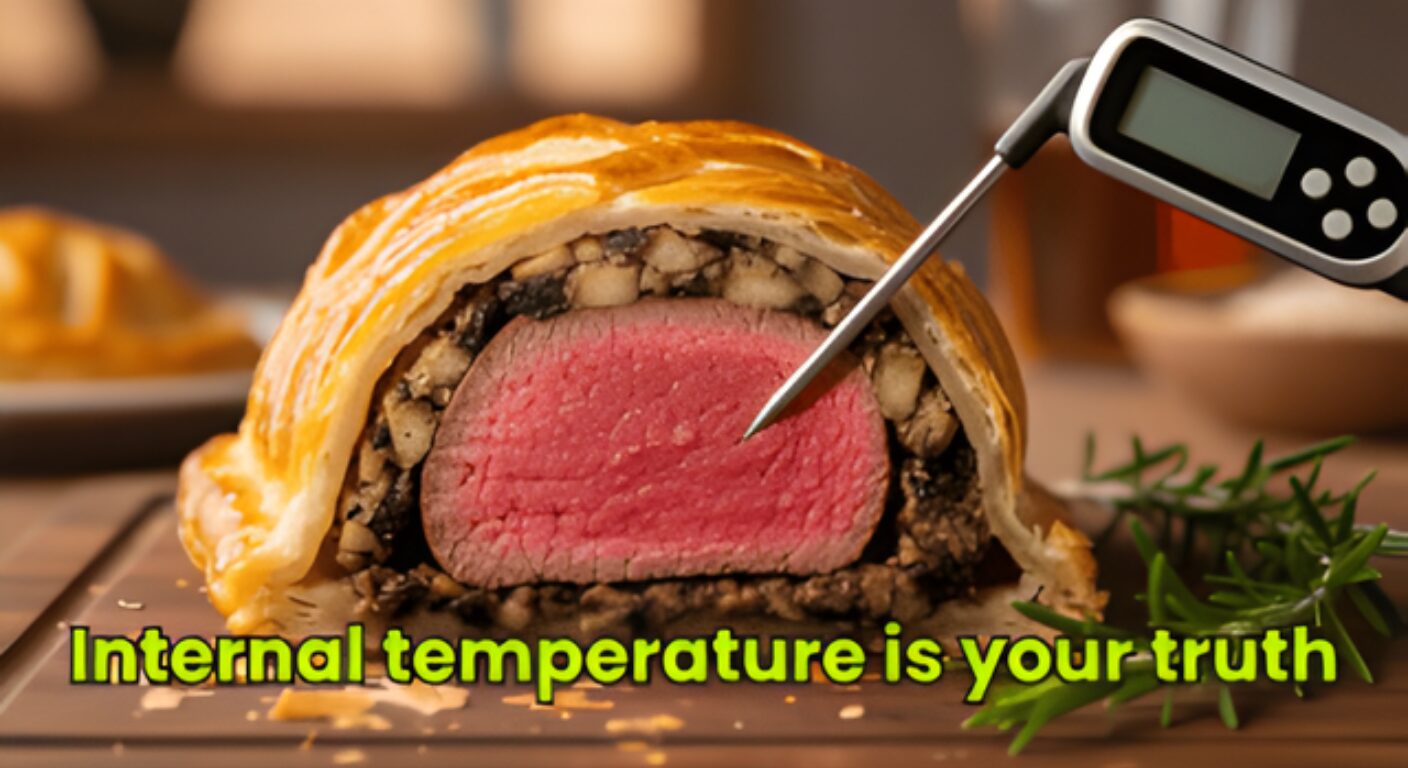
When making Beef Wellington, guessing is never an option. An instant-read thermometer is your best tool for achieving the perfect doneness. The key to a beautifully cooked Wellington is ensuring the beef reaches the right internal temperature, especially for a medium-rare result. Insert the thermometer into the thickest part of the beef. For medium-rare, the internal temperature should be around 125°F (52°C). Relying on visual cues or timing alone can be misleading. The thermometer gives you a precise reading, eliminating guesswork and ensuring consistent results.
Once the beef reaches the desired temperature, remove the Wellington from the oven to avoid overcooking. Overcooking can dry out the beef and ruin its flavor. Trust the thermometer to guide you to the perfect result. It provides certainty and helps you achieve a Beef Wellington with a tender, juicy interior and a perfectly crisp pastry. The thermometer is your truth in this process, ensuring a flawless dish every time.
Resting makes everything better
Once your Beef Wellington is out of the oven, resist the urge to cut into it right away. Let it rest for at least 10 to 15 minutes, loosely covered with foil. Resting allows the juices inside the beef to redistribute evenly. Moisture and tenderness are retained. Cutting into the Wellington too soon causes the juices to run out. A dry interior and a less satisfying bite result. Giving it time to rest ensures a juicy, flavorful piece of beef with every slice.
Resting also benefits the pastry, allowing it to finish setting up. The residual heat from the beef continues to cook the pastry slightly. The layers stay crisp and flaky without making them soggy. Patience during this final step is key for achieving the best possible result, both in flavor and presentation. Don’t skip this step. It’s the secret to a perfectly balanced and beautiful Beef Wellington that truly shines.
Slicing beef wellington like a pro
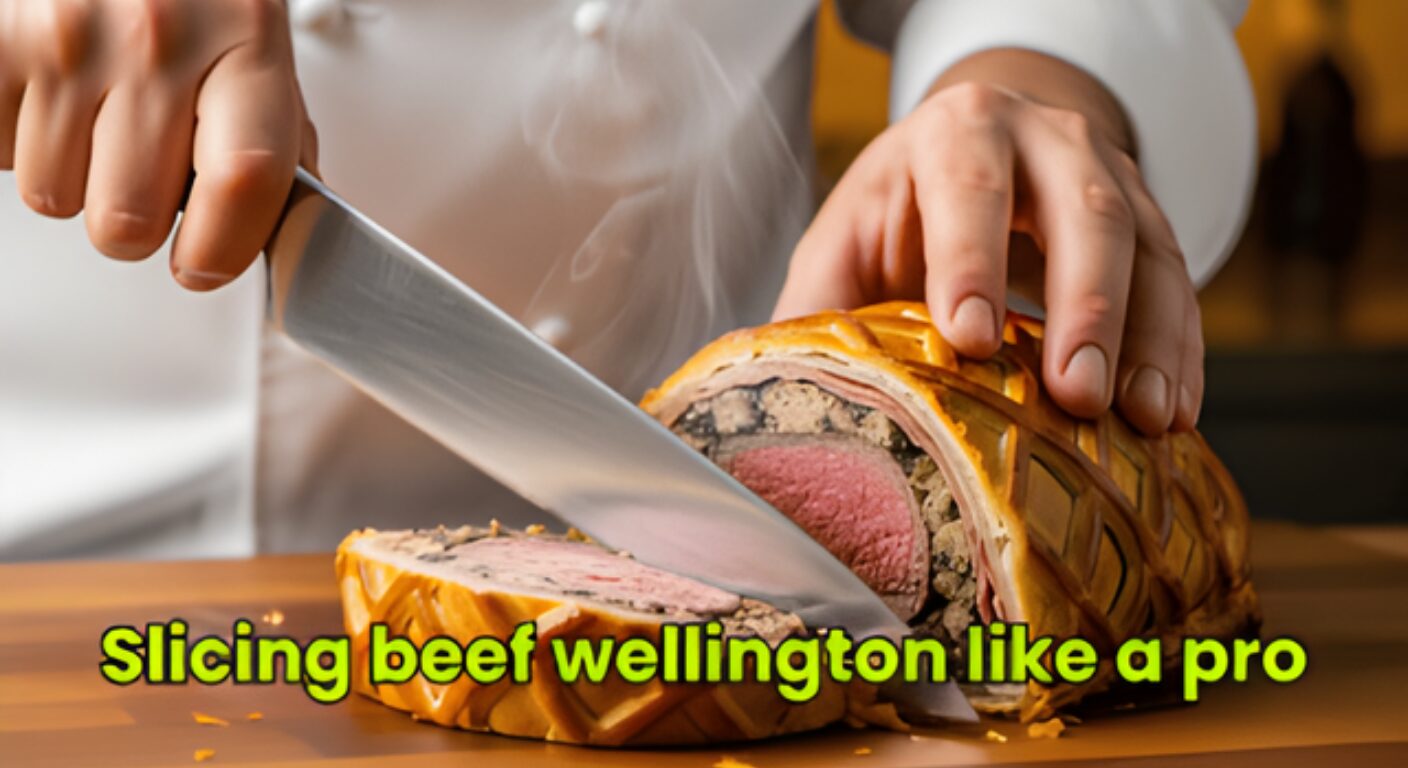
When slicing your Beef Wellington, it’s essential to use a sharp knife. A dull knife can crush the pastry and tear into the beef. The delicate layers you’ve worked so hard to perfect get ruined. A sharp knife will glide effortlessly through the golden crust. Clean, precise cuts highlight the beautiful layers inside. To maintain clean slices, be sure to wipe the knife between cuts. Remove any pastry or beef remnants. The presentation stays neat and professional.
Slicing with confidence is the final touch that elevates your Beef Wellington from good to exceptional. Hesitation can lead to uneven cuts and a less polished presentation. Approach the task with a steady hand. Showcase the perfectly cooked beef and beautifully layered pastry in each slice. A clean, confident cut reflects the care and skill that went into making the dish. Everyone can admire the stunning results of your hard work.
Serving suggestions that make it unforgettable
Beef Wellington is more than just the main course. It’s the centerpiece of any special occasion. To elevate this dish and make it truly unforgettable, pair it with sides that complement its flavors. Roasted vegetables like asparagus or Brussels sprouts, tossed in olive oil and seasoned with kosher salt and black pepper, highlight the richness of the beef and puff pastry. A crisp green salad with a light vinaigrette offers a refreshing contrast. It balances the savory mushroom duxelles and seared beef tenderloin.
For an extra touch of indulgence, consider drizzling a rich demiglace or a red wine reduction sauce over the Wellington. The dish reaches a whole new level. Finish with a sprinkle of flaky salt and fresh thyme leaves to add both flavor and style. When serving, slice the Wellington into thick, confident pieces. Showcase the layers of golden pastry, earthy duxelles, and perfectly cooked beef. Making Beef Wellington the undeniable star of any table is how you leave a lasting impression.
READ ALSO: Hanukkah Foods That Slap Harder Than Holiday Stress
Why beef wellington food shines at Christmas dinner
Beef Wellington shines as the ultimate celebratory dish. It makes the perfect centerpiece for Christmas dinner. Its dramatic presentation captivates the attention of everyone at the table. Layers of perfectly cooked beef, savory mushroom duxelles, and a golden puff pastry create visual impact. The dish carries an air of elegance and sophistication. The meal transforms into a memorable occasion. When done right, it commands respect in the kitchen. No chaotic last-minute rush occurs, allowing the host to enjoy the celebration without added stress.
Beyond its stunning appearance, Beef Wellington is ideal for large gatherings. Everyone is well-fed while also earning the admiration of guests. Despite the seemingly intimidating amount of preparation, it’s a dish that offers refined flavors and textures. A variety of tastes are pleased, from beef lovers to pastry enthusiasts. With its balanced combination of beef, mushrooms, and pastry, it’s the perfect addition to a festive Christmas feast. A memorable culinary experience for all is guaranteed.
Prep time and planning save sanity
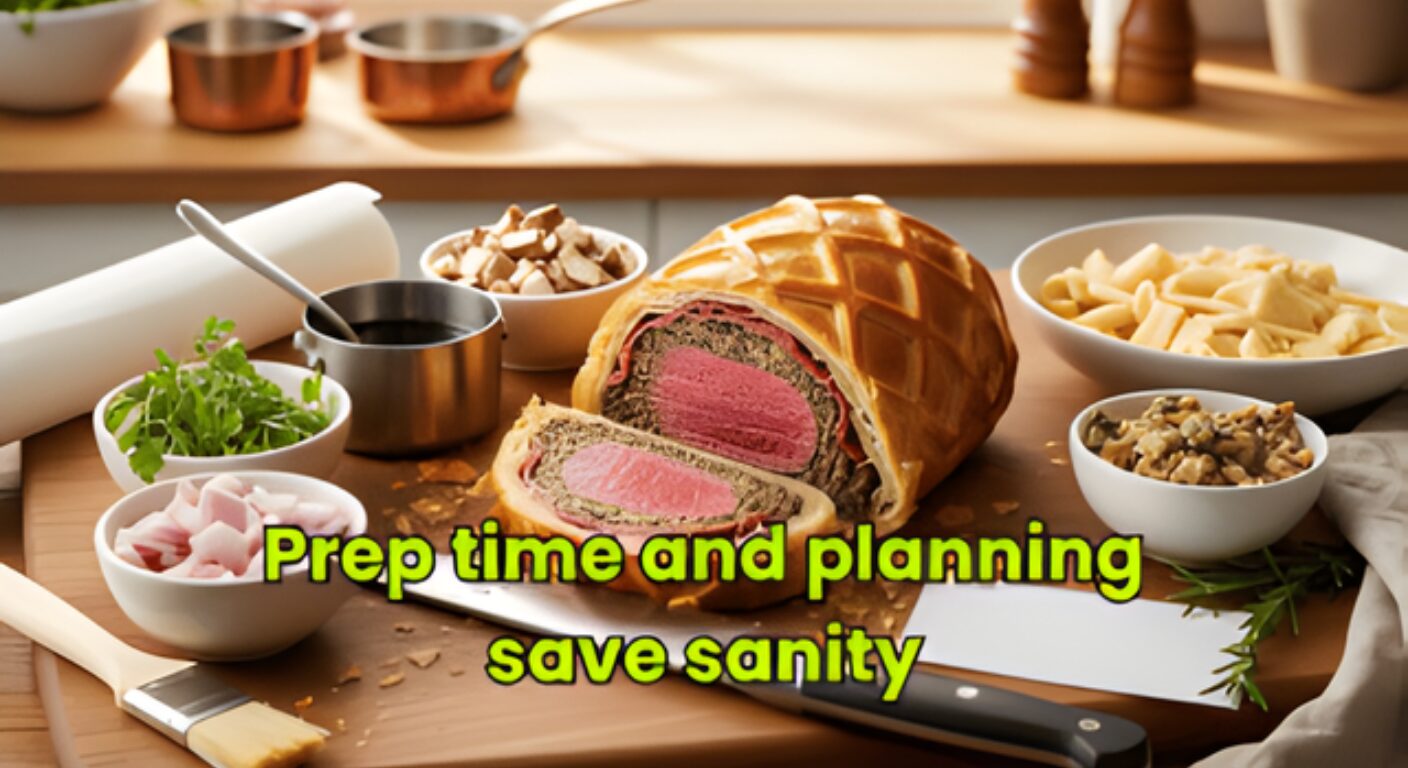
One of the most important factors in successfully preparing Beef Wellington is planning ahead, especially during the busy holiday season. By tackling parts of the recipe in advance, you can break the task into manageable steps. Make the mushroom duxelles, trim the beef, and wrap the beef in Parma ham a day or two before the big dinner. More time becomes available to focus on other aspects of the meal. The stress of cooking everything on Christmas Day reduces. While the prep time may seem long, it’s key to ensuring the dish is perfectly executed.
Though the preparation takes time, the actual cooking of Beef Wellington is relatively straightforward. Once the Wellington is in the oven, you only need to monitor the temperature. The final stage becomes much less stressful. The true secret to success lies in careful planning and respecting the structure of the recipe. By staying organized and avoiding last-minute scrambling, you can enjoy the holiday with more confidence and control. The Beef Wellington impresses as a showstopper on your table.
Storage and leftovers, yes they exist
Beef Wellington isn’t just a one-time feast. It makes for fantastic leftovers too. After the meal, store any remaining Wellington in an airtight container to preserve its flavors and textures. To prevent the puff pastry from becoming soggy, place paper towels inside the container to absorb excess moisture. A simple step helps maintain the crispness of the pastry. You can enjoy the delicious flavors of Beef Wellington again without compromising its quality.
When reheating your leftovers, do so gently in the oven at a low temperature. The pastry’s crispness is restored and the beef stays juicy. Avoid the microwave. It can make the pastry soggy and dry out the beef. The great thing about Beef Wellington leftovers is that they often taste even better the next day. The flavors have had time to meld together. So, don’t rush to finish it. Take your time and enjoy the decadence of this dish all over again.
Common mistakes people make
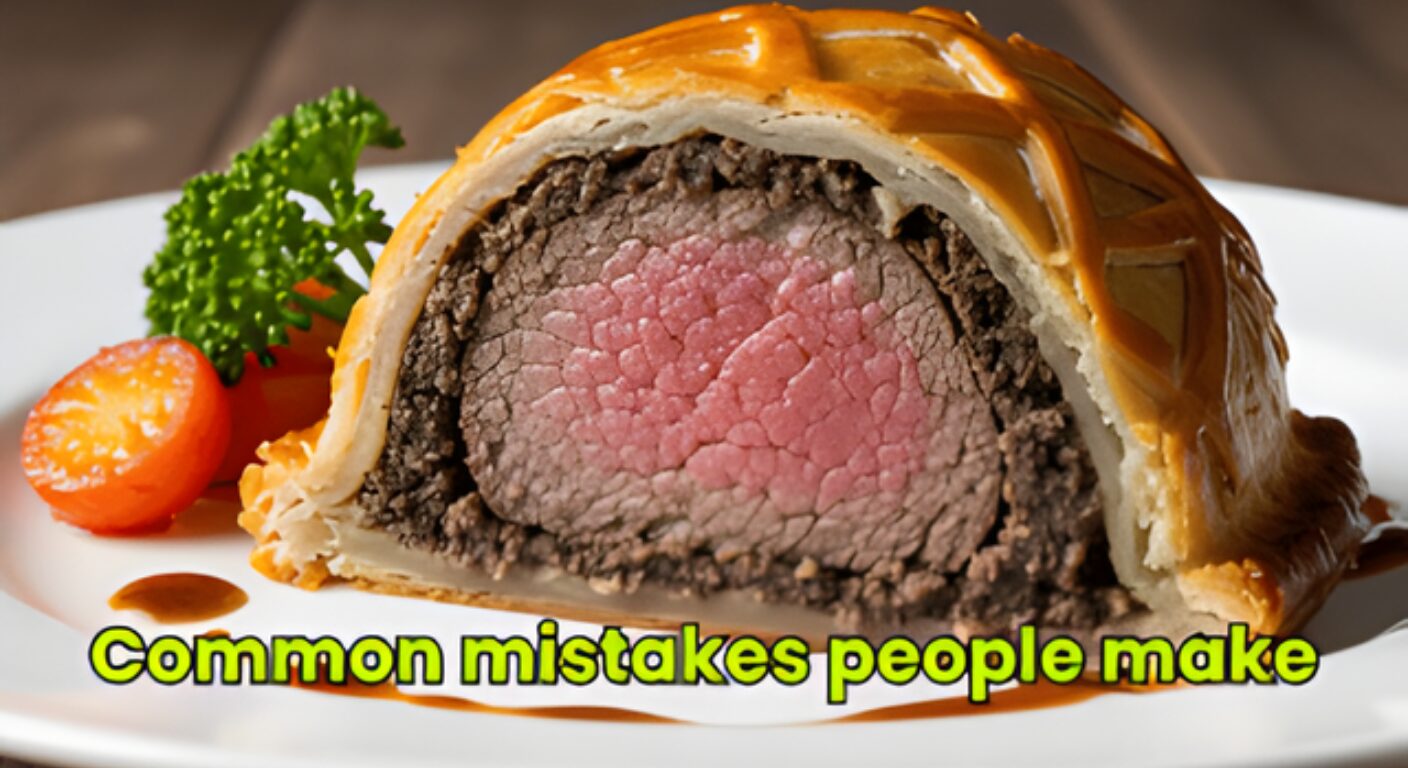
One of the biggest mistakes people make when preparing Beef Wellington is rushing through the steps. Patience is required, and hurrying any part of the process can lead to uneven results. Undercooked beef or soggy pastry may occur. For instance, searing the beef too quickly or skipping the step of cooling the mushroom mixture can affect both the texture and flavor. Every component needs time to shine. Rushing through any phase often results in a less-than-perfect dish.
Another common mistake is ignoring temperature control. It’s essential to cook the beef to the right internal temperature for the desired doneness. Using an instant-read thermometer ensures accuracy. Many people guess and end up overcooking or undercooking the beef. Additionally, skipping the resting period after cooking is a mistake. Resting allows the juices to redistribute, making the beef more tender and flavorful. Without this, the Beef Wellington can turn out dry. The importance of patience and precision is highlighted.
Recent recipes and variations worth trying
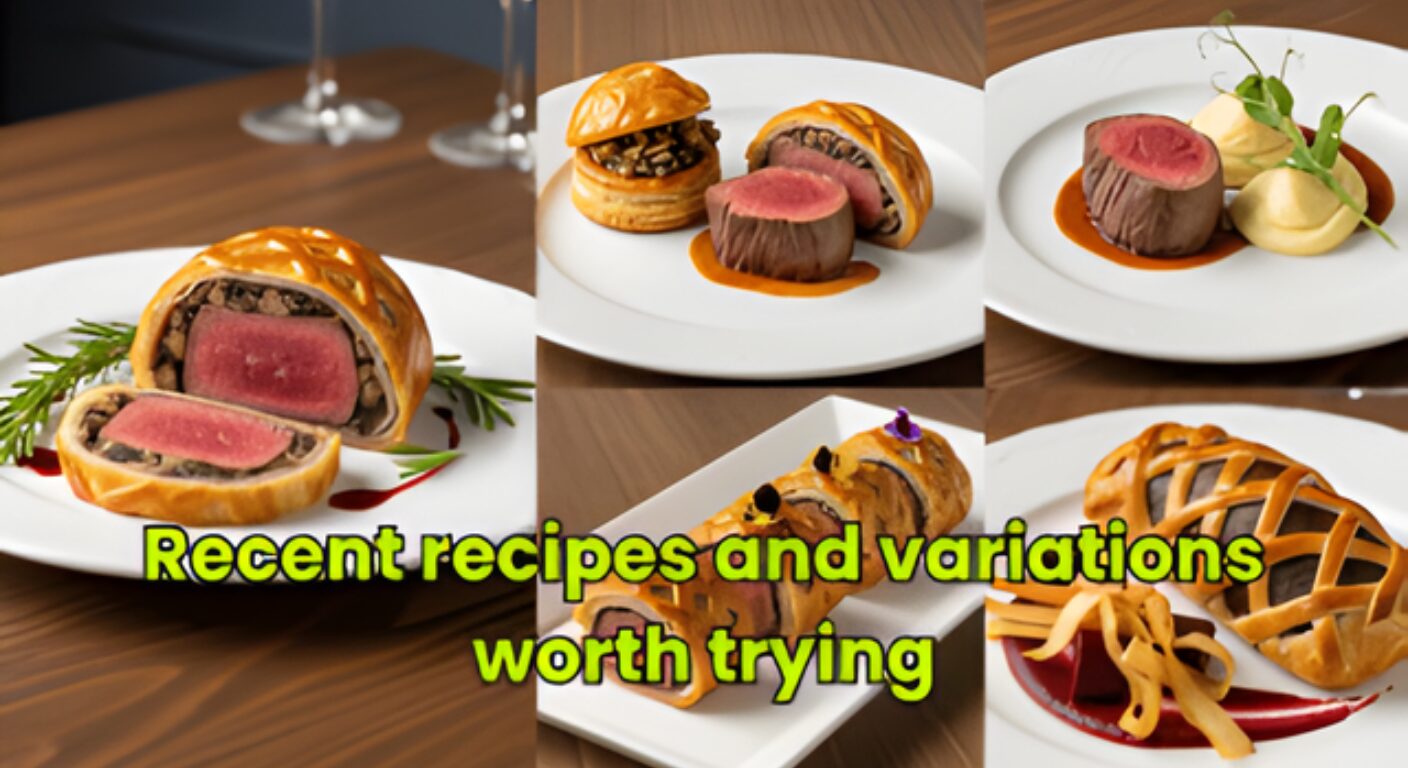
If you’re looking to put a twist on the classic Beef Wellington, there are plenty of fun variations to try. Experiment with different mushrooms like cremini or shiitake in the mushroom duxelles for added flavor. You can also mix in grated Parmesan or cheddar to enhance the richness. For a unique take, swap the beef tenderloin for pork tenderloin or lamb. A different character emerges while keeping the Wellington tradition intact.
For those looking to save time without compromising taste, consider using pre-made puff pastry or store-bought mushroom duxelles. To elevate the dish, try adding a splash of truffle oil or a layer of foie gras in the mushroom mixture for a more luxurious flavor profile. Don’t forget to plan ahead. Make sure your puff pastry is thawed and ready to roll for the best results. With these variations, you can customize Beef Wellington to suit your tastes while still honoring its classic appeal.
Why beef wellington food is worth learning
Learning to cook Beef Wellington is a valuable skill. It enhances your overall culinary discipline and technique. Precision is demanded by this intricate dish, from selecting the perfect cut of beef to executing delicate pastry layers. The process forces you to focus on every detail. The timing of searing, preparing the mushroom duxelles, and baking the pastry to golden perfection all matter. Attention to detail sharpens your culinary skills. The importance of methodical execution in every recipe you try is taught.
Moreover, Beef Wellington is a masterclass in timing and multi-tasking. As you manage the various elements—searing beef, cooking the mushroom mixture, wrapping everything in puff pastry—you’ll learn how to juggle multiple components. Everything must come together perfectly at the right moment. Mastering this dish boosts confidence and prepares you for tackling other complex recipes. Your timing refines, and your ability to create exquisite meals under pressure improves.
UP NEXT: Thanksgiving Day Side Dishes That’ll Steal the Show
Source link