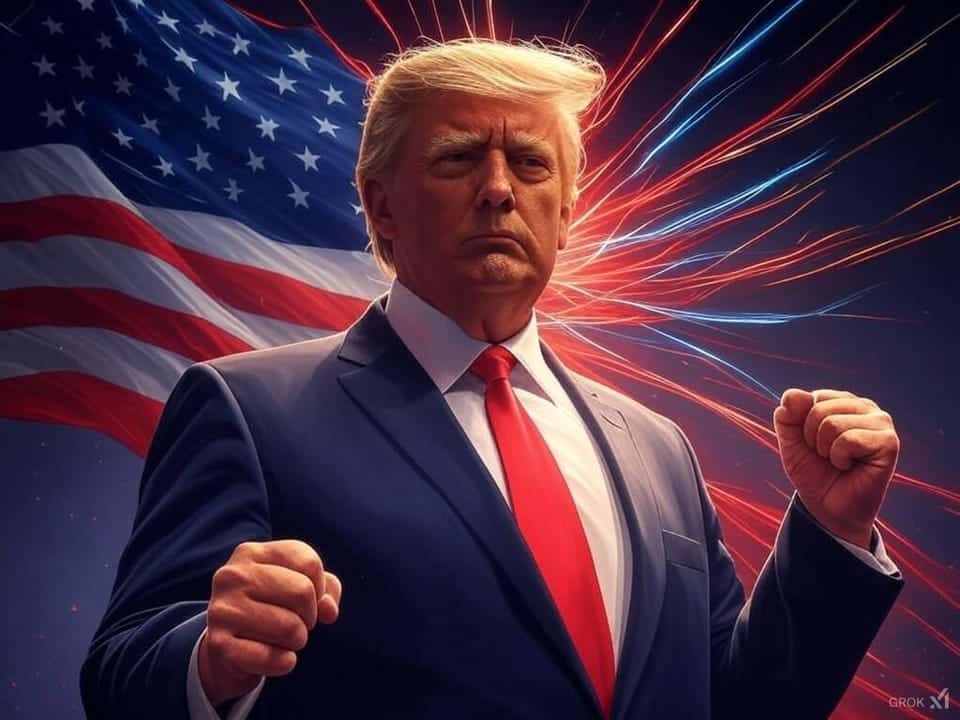
Want to Get Rich in Trump’s America? These Sectors Could Be Your Ticket! 🔮
Donald Trump’s presidency from 2017 to 2021 introduced several business-friendly policies. These included corporate tax reductions, deregulation, and initiatives aimed at bolstering domestic energy production and manufacturing. These measures reshaped market dynamics, creating unique opportunities across various sectors. With Trump’s return to the presidency, understanding the implications of his past and proposed economic policies is crucial for investors aiming to front-run the future. Institutional investors may focus on sectors likely to benefit from large-scale policy shifts, such as defense and infrastructure, while retail investors could find opportunities in small-cap stocks and emerging technologies that stand to gain from deregulation and pro-business policies.
Energy Sector: Leveraging Deregulation
Strategic Importance
Under Trump’s leadership, energy independence was prioritized, with deregulation directly influencing the performance of the oil, gas, and coal industries by reducing operational restrictions, lowering compliance costs, and accelerating permitting processes for exploration and drilling activities.
Noteworthy Companies
Exxon Mobil (XOM): A dominant player in the global energy market, Exxon Mobil stands to gain from policies favoring expanded drilling and streamlined pipeline approvals. Its integrated operations across the energy value chain enhance its ability to navigate price fluctuations.
Chevron (CVX): Chevron’s strong upstream and downstream presence positions it to capitalize on increased domestic energy production. Favorable regulatory shifts could further bolster its profitability.
Halliburton (HAL) & Schlumberger (SLB): As leaders in oilfield services, these companies would likely experience increased demand if drilling activity rises. Their technological innovations and global reach offer a competitive edge in a deregulated environment.
Potential Risks
- Commodity Price Swings: Despite favorable policies, energy stocks remain vulnerable to global price volatility.
- Policy Reversals: Changes in administration could quickly alter the regulatory landscape, affecting long-term strategies.
Defense and Aerospace: Capitalizing on Defense Spending
Strategic Importance
Trump’s administration saw significant increases in defense spending, rising by over 20% during his tenure, which benefited major contractors by boosting contract volumes and funding for advanced military technologies. A renewed emphasis on military readiness could provide further opportunities in this sector.
Noteworthy Companies
Lockheed Martin (LMT): As a premier defense contractor, Lockheed Martin develops advanced weapon systems and military aircraft. Its long-standing government contracts make it a top beneficiary of increased defense budgets.
Raytheon Technologies (RTX): Raytheon’s diverse portfolio includes missile systems, radar technologies, and aerospace components. Its capabilities align well with heightened defense priorities.
Northrop Grumman (NOC): Specializing in aerospace and cybersecurity, Northrop Grumman is positioned to benefit from initiatives targeting modern warfare and space exploration.
Potential Risks
- Legislative Approval: Defense budgets require congressional backing, which can introduce uncertainty.
- Global Tensions: Geopolitical shifts can create both opportunities and risks for defense companies.
Infrastructure and Materials: Positioned for Expansion
Strategic Importance
Trump frequently advocated for large-scale infrastructure investment, including improvements to roads, bridges, and public facilities, with initiatives such as the proposed $1.5 trillion infrastructure plan announced in 2018. Though the plan faced legislative hurdles, it underscored the administration’s commitment to revitalizing critical infrastructure. While legislative obstacles, such as difficulties in securing bipartisan support for major infrastructure bills, limited progress, future initiatives could reignite interest in this sector.
Noteworthy Companies
Caterpillar (CAT): Renowned for its heavy machinery, Caterpillar stands to benefit from increased construction activity driven by infrastructure spending.
Vulcan Materials (VMC) & Martin Marietta (MLM): As leading suppliers of construction aggregates, these companies would likely see heightened demand for their products.
United Rentals (URI): The largest equipment rental provider in North America, United Rentals is poised to gain from elevated construction demand.
Potential Risks
- Funding Uncertainty: Infrastructure projects rely heavily on government budgets, which can be unpredictable.
- Input Costs: Fluctuations in raw material prices, such as steel and cement, could impact profitability.
Financial Sector: Boosted by Deregulation
Strategic Importance
Financial deregulation was a hallmark of Trump’s presidency, aimed at reducing operational burdens for banks. Key examples include the partial rollback of the Dodd-Frank Act, which eased restrictions on mid-sized banks, and revisions to the Volcker Rule, allowing financial institutions more flexibility in investment activities. These reforms enhanced liquidity and profitability, particularly for regional banks and financial services firms. Lower corporate tax rates and regulatory easing created a more favorable environment for profitability.
Noteworthy Companies
JPMorgan Chase (JPM), Bank of America (BAC), Wells Fargo (WFC): These major banks could benefit from deregulation, increased lending activity, and potential interest rateInterest rates are the cost of borrowing money or the reward for saving money, typically expressed as a percentage of the principal amount. When it comes to interest rate trading, … adjustments.
Regional Banks: Smaller financial institutions, which are more sensitive to local economic conditions, could thrive in a pro-business environment.
Potential Risks
- Interest RateInterest rates are the cost of borrowing money or the reward for saving money, typically expressed as a percentage of the principal amount. When it comes to interest rate trading, … Sensitivity: Banks’ net interest margins depend heavily on Federal Reserve policies.
- Economic CyclesThe economic cycle, also known as the business cycle, refers to the fluctuations in economic activity that an economy experiences over time. These fluctuations are typically measur…: While deregulation can enhance profits, downturns may lead to higher loan defaults.
Manufacturing and Industrial: Encouraging Domestic Growth
Strategic Importance
“America First” policies, including tariffs on imports, aimed to protect domestic manufacturers. Companies with a strong U.S. production base could gain a competitive edge.
Noteworthy Companies
Boeing (BA): With its dual focus on aerospace and defense, Boeing could benefit from increased government contracts. However, its reliance on global supply chains introduces risks.
Deere & Company (DE): Deere’s agricultural and construction machinery is integral to farming and infrastructure projects, making it a key player in a pro-manufacturing environment.
General Electric (GE): GE’s diversified industrial portfolio could benefit from increased domestic manufacturing and infrastructure development.
Potential Risks
- Trade Conflicts: Tariffs can provoke retaliatory measures, potentially harming exports.
- Supply Chain Disruptions: Dependence on global suppliers can be a liability during geopolitical tensions.
Technology Sector: Sustaining Momentum
Strategic Importance
Despite occasional tensions stemming from trade disputes and antitrust concerns, Trump’s policies, such as corporate tax cuts and deregulation, benefited the tech industry by fostering a business-friendly environment. While these tensions occasionally led to regulatory scrutiny, they also prompted consolidation and innovation within the sector. Continued support for innovation and favorable conditions for mergers and acquisitions could drive further growth.
Noteworthy Companies
Amazon (AMZN), Microsoft (MSFT), Apple (AAPL): These tech giants flourished during Trump’s first term, benefiting from reduced taxes and regulatory relief. Ongoing investment in infrastructure and cloud services could sustain their growth.
Potential Risks
- Regulatory Pressure: Antitrust scrutiny and data privacy concerns may challenge tech companies.
- Trade Policies: Global operations could be affected by international trade tensions.
Small-Cap Stocks: Opportunities for Localized Growth
Strategic Importance
Trump’s pro-business stance created favorable conditions for small-cap companies, which are often more sensitive to local economic dynamics.
Investment Opportunities
Small-Cap ETFs: These funds offer broad exposure to small-cap stocks, potentially benefiting from economic expansion and deregulation.
Potential Risks
- High Volatility: Small-cap stocks tend to exhibit greater price swings than large-cap counterparts.
- Economic Sensitivity: These companies are more vulnerable to changes in local economic conditions.
Cryptocurrency and Blockchain: A Nascent Growth Area
Strategic Importance
Trump’s evolving stance on cryptocurrencies could foster a more supportive regulatory environment for blockchain technologies.
Noteworthy Companies
Coinbase (COIN): As a leading cryptocurrency exchange, Coinbase could benefit from increased adoption and regulatory clarity.
Blockchain ETFs: These funds offer diversified exposure to the blockchain ecosystem, positioning investors to capitalize on growth.
Potential Risks
- Regulatory Uncertainty: Changes in government policy can significantly impact the cryptocurrency market.
- Market Instability: Cryptocurrencies are notoriously volatile, presenting significant riskIn stock trading, risk refers to the possibility of losing some or all of the capital invested in a trade. It represents the uncertainty about the future performance of a stock and… to investors.
Conclusion: Balancing Opportunity and Risk
Trump’s policy framework—both past and potential—demonstrates the profound impact of government actions on market performance. While certain sectors stand to gain from favorable policies, investors must remain mindful of broader economic conditions and geopolitical developments. Diversification and diligent research are key to navigating these opportunities effectively.
Summary for Investors
- Energy: Potential beneficiaries of deregulation and increased domestic production.
- Defense: Likely to gain from higher defense budgets.
- Infrastructure: Poised for growth if large-scale projects receive funding.
- FinancialsFinancial stocks represent shares of companies operating in the finance industry. When trading financial stocks, investors should consider financial services, including banking, in…: Banks stand to benefit from regulatory easing and tax cuts.
- Manufacturing: Domestic producers could gain an edge from protectionist policies.
- Technology: Innovation and supportive M&A environments could sustain momentumMomentum in stock trading refers to the rate of acceleration of a stock’s price or trading volume. It indicates the strength of a trend and measures how quickly prices are rising o….
- Small Caps: Pro-business policies may favor local enterprises.
- Cryptocurrency: A more supportive stance could drive blockchain adoption.
Ultimately, while Trump-era policies present distinct opportunities, they also introduce specific risks. For example, the manufacturing sector, despite benefiting from protectionist measures, faced challenges due to retaliatory tariffs from trade partners, which increased input costs and disrupted supply chains. Such cases illustrate how policy-driven opportunities can be accompanied by significant downsides. Investors should adopt a balanced approach, staying informed about policy changes and macroeconomic trends to make well-grounded decisions.

Lance Jepsen is the senior personal finance writer for Guerilla Stock Trading who has spent more than 25 years covering the stock market and economics. In addition, Lance has worked as a private stock analyst for a number of high worth individuals.
Do you have a news tip for GuerillaStockTrading? Please email us at
[email protected]
🗨️ JOIN OUR COMMUNITY OF STOCK TRADERS AND INVESTORS ON SOCIAL MEDIA
💥 GET OUR LATEST CONTENT IN YOUR RSS FEED READER
We are entirely supported by readers like you. Thank you.🧡
At GuerillaStockTrading, we maintain full transparency and impartiality; we never blog about stocks or crypto in which we hold a personal position unless explicitly stated in the article. Additionally, we do not accept paid promotions presented as content. All information shared is for informational purposes only and should not be construed as financial, investment, tax, or legal advice, nor as a recommendation to buy any security or financial asset. The content is general in nature and does not account for individual circumstances. It may not be suitable for your particular situation. Before making financial decisions, you are encouraged to seek guidance from your own financial or investment advisor.