The #1 Best Price Action Strategy For Trading Gold The Gold Nugget Zone. | Trading Strategy Guides
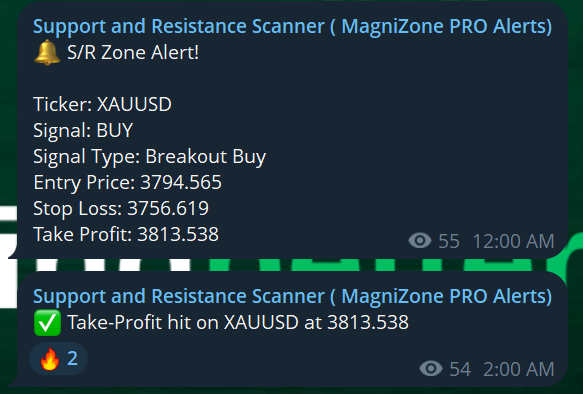
Gold behaves differently from most other markets. It tends to react sharply to global uncertainty, central bank moves, and large institutional flows. Because of this, traditional price action patterns often need to be refined. After studying gold’s unique movements, I’ve built what I call the Gold Nugget Price Pattern which is a clean, repeatable method for catching high-probability trades.
Step #1: Identify the “Nugget Zones” (Swing Highs and Swing Lows)
We start with the basics – swing highs and swing lows.
On gold charts, these levels often form more aggressively because of sudden news-driven spikes.
- Bullish Nugget Zone: Series of higher highs and higher lows.
- Bearish Nugget Zone: Series of lower highs and lower lows.
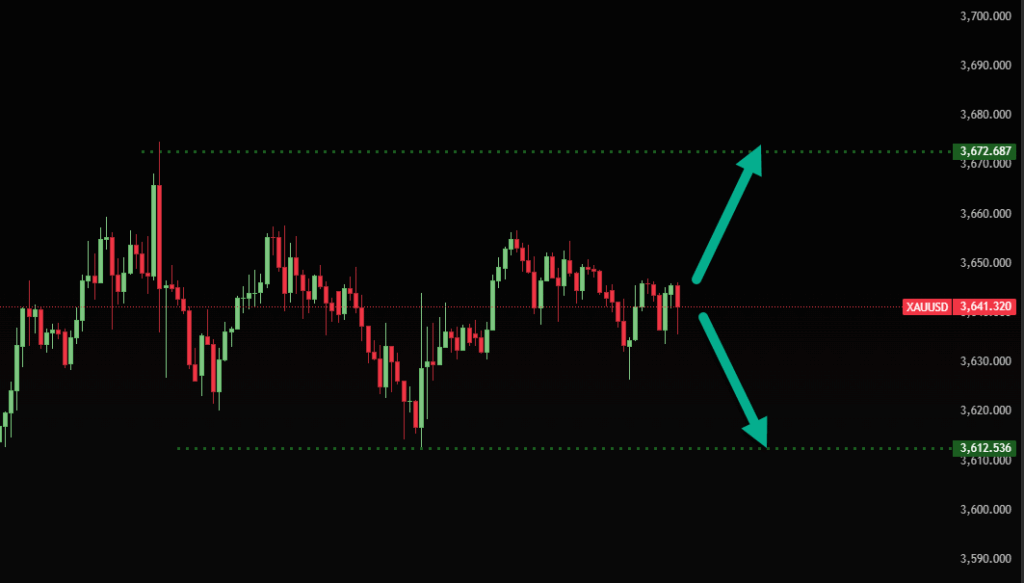
- Neutral Nugget Zone: When gold ranges tightly, often before a breakout.
👉 Always mark these levels clearly. On gold, missed zones often lead to sharp reversals.
Step #2: Measure the Gold Wave Distance
Gold has a habit of expanding and contracting in waves.
- When each swing is wider than the last, it shows strong momentum and signals continuation.
- When each swing is shrinking, it shows exhaustion – often the setup for the Gold Nugget Pattern entry.
Think of this like a gold miner’s pan: the bigger the swirl, the stronger the flow; the smaller the swirl, the weaker the current.
Step #3: Watch for Long Wick Rejections at Key Levels
Gold respects candle wicks more than almost any other market. Long wicks often signal massive institutional rejection.
- A long upper wick at resistance signals sellers stepping in.
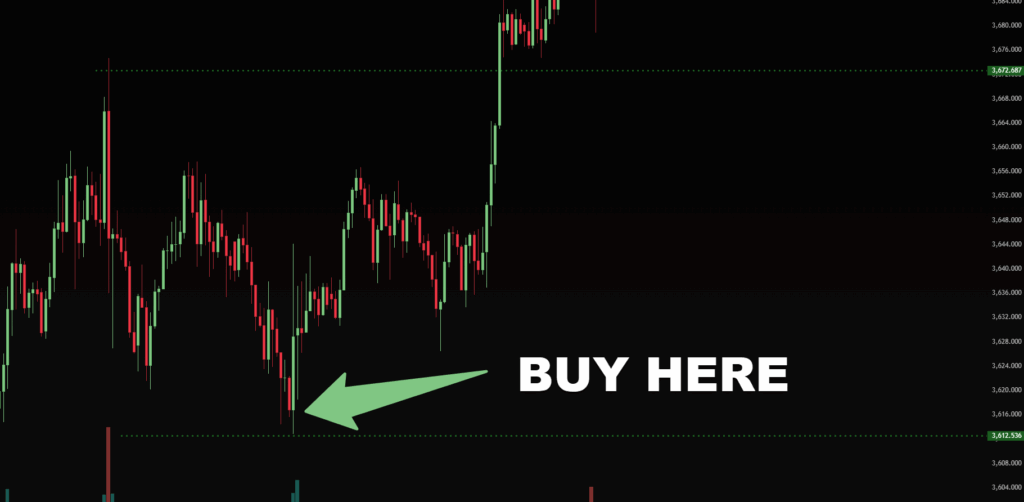
- A long lower wick at support signals buyers flooding back.
👉 These wick rejections are the core of the Gold Nugget Pattern. We only trade when the rejection happens at a clear Nugget Zone.
Step #4: The Gold Nugget Trigger – “Double Wick & Flip”
Here’s the unique twist. The Gold Nugget Price Pattern entry requires two consecutive long wicks in the same zone, followed by a candle that flips direction with conviction.
Example:
- Gold tests resistance, prints a long upper wick.
- Next candle also rejects with another long upper wick.
- Then, a strong bearish candle confirms the reversal.
This is the “double tap” of gold’s rejection. It shows big money tried twice to break through, failed, and then bailed. That’s your entry trigger.
Step #5: Confirm with One Simple Indicator
To keep the strategy clean, we only use the 20-period EMA as a filter.
- If the flip candle closes below the EMA, short entries are valid.
- If it closes above the EMA, long entries are valid.
The EMA keeps us aligned with the short-term flow of gold without adding clutter.
Step #6: Manage the Trade Like a Miner
- Entry: At the close of the flip candle.
- Stop Loss: Above the wick high (for shorts) or below the wick low (for longs).
- Target: Next Nugget Zone or a 2:1 risk-to-reward minimum.
Gold moves fast. If you don’t take profits at the right spots, gains can vanish as quickly as they came.
Why the Gold Nugget Price Pattern 1.0 Works
- It respects gold’s volatility – built around long wick rejections.
- It requires clear double confirmation, cutting down on fakeouts.
- It stays simple – just price action plus one EMA filter.
This pattern has shown consistency across both intraday and swing trading gold. Think of it as panning for gold – you filter through the noise, and what’s left are the golden trade setups.
If you want to trade gold the RIGHT way you can always jump in our Support and Resistances Alerts.
Source link