Introduction to BetFi: Bridging DeFi and Crypto Gambling | BitcoinChaser
As Decentralized Finance (DeFi) platforms gain popularity, it’s no surprise that DeFi is finding its way into online gambling.
What began as simple crypto deposits in casinos has evolved into sophisticated systems where players can stake their bets for yields, participate in liquidity pool jackpots, and earn passive income while wagering.
This niche bridges the high-risk thrill of gambling with the innovative financial tools of DeFi, attracting tech-savvy users seeking not only wins but also compounded returns.
BetFi platforms leverage blockchain networks like Ethereum, Solana, and Binance Smart Chain to create decentralized ecosystems where traditional gambling mechanics meet financial incentives.
Industry experts predict that BetFi could capture a significant share of the $100 billion crypto gambling market by year’s end, driven by rising DeFi adoption and the demand for transparent, user-controlled betting.
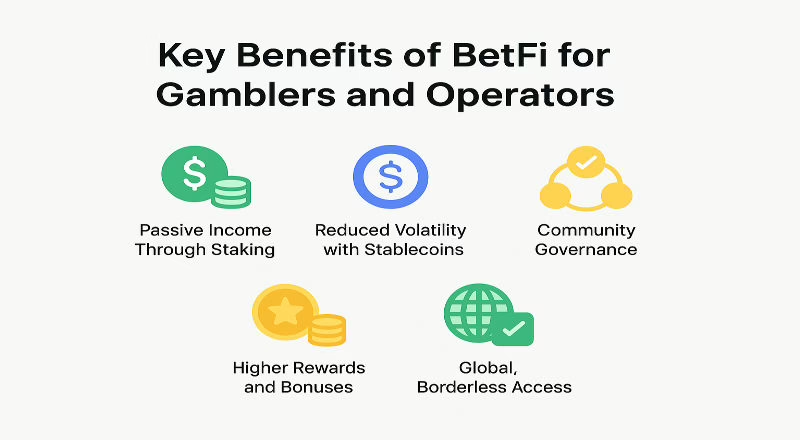
Key Benefits of BetFi for Gamblers and Operators
BetFi platforms offer tangible advantages that set them apart from conventional crypto gambling.
- Passive Income Through Staking: Players can stake cryptocurrencies on bets or outcomes, earning yields even if they lose, similar to DeFi lending protocols.
- Reduced Volatility with Stablecoins: Using assets like USDC or DAI in liquidity pools helps minimize the impact of crypto price swings on gambling funds.
- Community Governance: Many platforms use DAO (Decentralized Autonomous Organization) models, allowing token holders to vote on game rules, odds adjustments, and profit distributions.
- Higher Rewards and Bonuses: Bonuses become farmable assets, where users provide liquidity to jackpot pools and earn a share of fees.
- Global, Borderless Access: DeFi’s permissionless nature enables seamless participation from anywhere, bypassing traditional banking restrictions.
These features make BetFi attractive to both online gamblers and DeFi enthusiasts, creating a niche community focused on combining financial investment with entertainment.
Core Technologies Powering BetFi Platforms
BetFi relies on advanced blockchain technologies to merge DeFi and gambling.
Smart Contracts for Automated Betting
Smart contracts handle everything from bet placements to payouts, ensuring instant settlements without intermediaries. For example, a roulette spin could trigger a contract that distributes winnings while allocating a portion to a yield pool.
Liquidity Pools and Yield Farming
Inspired by DeFi leaders like Uniswap, BetFi platforms use liquidity pools where users deposit crypto to fund bets. Liquidity providers earn farming rewards from transaction fees, turning gambling liquidity into a profitable venture.
Oracles for Real-World Data
To integrate real-world events like sports outcomes into DeFi bets, platforms use oracles such as Chainlink for secure data feeds, enabling provably fair sports betting.
Tokenomics and Governance Tokens
Many BetFi sites issue native tokens that grant governance rights and staking rewards, making users stakeholders in the platform’s success.
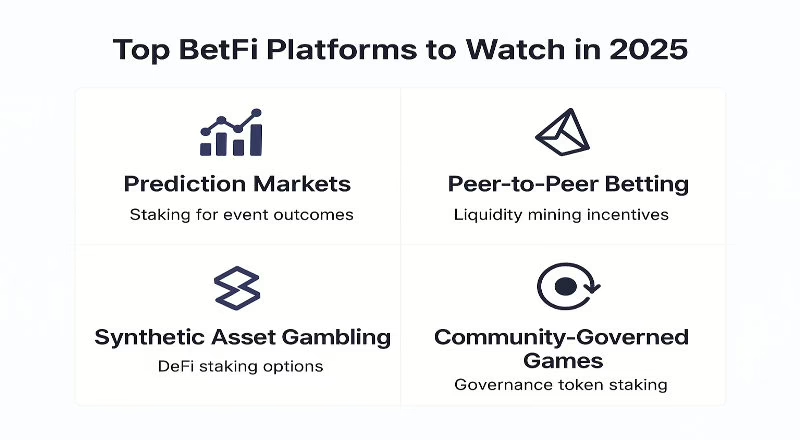
Top BetFi Platforms to Watch in 2025
Several emerging platforms are leading the BetFi charge.
- Polymarket (DeFi Edition): Expands prediction markets with staking for event outcomes, allowing yield farming on political or sports bets.
- Augur v3: A decentralized oracle network offering peer-to-peer betting with liquidity mining incentives for market creators.
- Synthetix Betting Pools: Uses synthetic assets for gambling on crypto prices with enhanced staking returns.
- DAO Casinos: Community-governed games where players stake governance tokens to influence house edges and prize distributions.
Regulatory Challenges and Risks in BetFi
Operating at the intersection of DeFi and gambling, BetFi faces unique hurdles. In 2025, regulators in the EU and US are scrutinizing DeFi protocols for Anti-Money Laundering (AML) compliance, potentially requiring KYC for high-stake pools. While stablecoins help reduce volatility, sudden market dips can still impact pooled funds.
Additional risks include:
- Smart Contract Vulnerabilities: Hacks could drain liquidity pools.
- Tax Complexities: Earnings from yields and wins may be taxable as both gambling income and DeFi rewards.
- Addiction Concerns: The lure of passive income might encourage over-betting, making self-exclusion tools important.
Future Trends Shaping BetFi in 2025 and Beyond
BetFi is set for rapid expansion, with several trends emerging:
- Cross-Chain Interoperability: Bridging multiple blockchains for seamless transfers and broader liquidity.
- AI-Enhanced Yield Optimization: Algorithms that auto-farm bets across pools for maximum returns.
- NFT-Integrated BetFi: NFTs used as collateral for loans against bets or as unique gambling assets.
- Sustainability Focus: Hosting on eco-friendly chains like Polygon to attract environmentally conscious users.
- Mainstream Adoption: Partnerships with traditional casinos introducing hybrid BetFi features.
Conclusion
BetFi represents a thrilling evolution, blending the excitement of gambling with DeFi’s financial innovation. In 2025, this niche offers opportunities for savvy players to turn wagers into wealth-building tools while benefiting from transparency, community governance, and passive income potential.
Source link