Brazil Approves World’s First XRP Spot ETF, Setting a Precedent for Global Markets
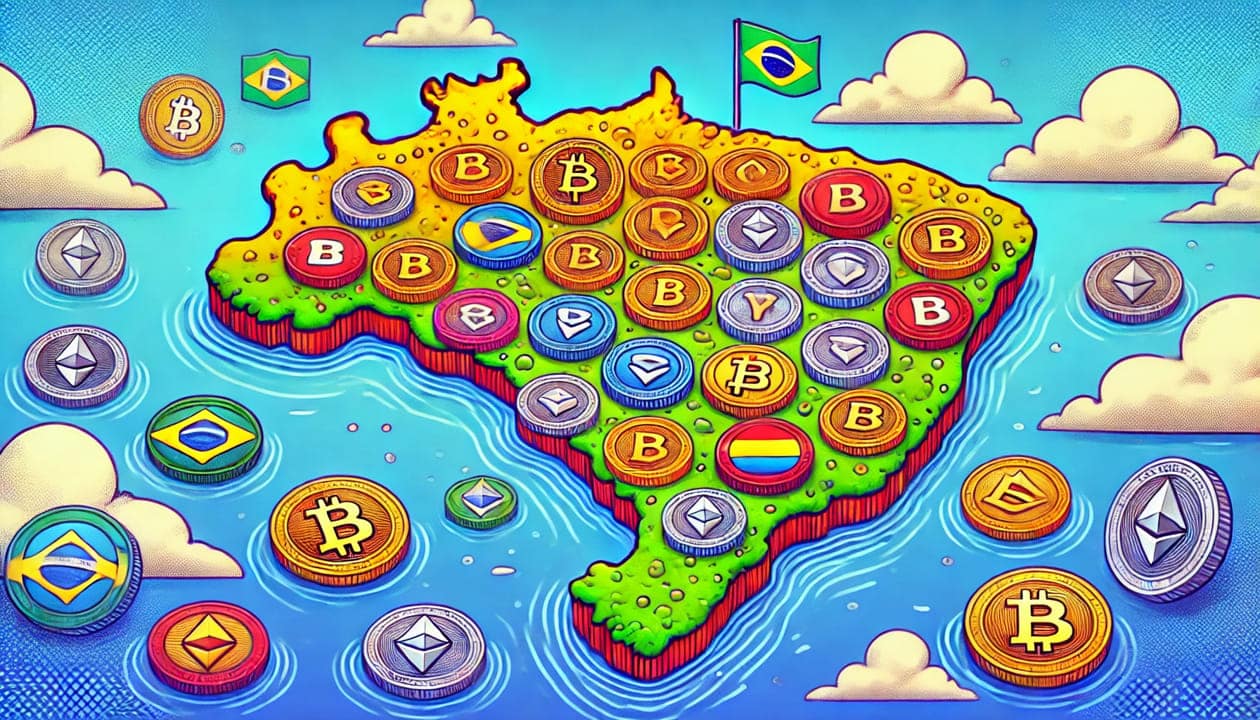
Brazil has become the first country to approve an XRPXRP is a cryptocurrency and digital asset that serves as the native token of the XRP Ledger (XRPL), a decentralized blockchain protocol. Here’s an overview of XRP as an altcoin: Ke… spot exchange-traded fund (ETF), marking a significant milestone in the cryptocurrencyA cryptocurrency is a digital or virtual form of currency that uses cryptography for security. Unlike traditional currencies issued by central banks, cryptocurrencies operate on de… investment landscape. The Brazil Securities Commission (CVM) has officially granted approval for Hashdex’s XRPXRP is a cryptocurrency and digital asset that serves as the native token of the XRP Ledger (XRPL), a decentralized blockchain protocol. Here’s an overview of XRP as an altcoin: Ke… spot ETF, positioning the nation as a leader in the growing adoption of cryptocurrency-based financial products.
The listing date for the ETF on Brazil’s B3 stock exchange has not yet been disclosed. However, Hashdex representatives have assured that further details will be announced in the near future. This approval represents a major advancement in the institutional acceptance of XRPXRP is a cryptocurrency and digital asset that serves as the native token of the XRP Ledger (XRPL), a decentralized blockchain protocol. Here’s an overview of XRP as an altcoin: Ke… and could pave the way for similar offerings in other global markets.
Why XRP Is Gaining Institutional Attention
According to Silvio Pegado, General Manager for Latin America at Ripple, XRPXRP is a cryptocurrency and digital asset that serves as the native token of the XRP Ledger (XRPL), a decentralized blockchain protocol. Here’s an overview of XRP as an altcoin: Ke… is an ideal candidate for an ETF due to its increasing real-world utility, rising institutional demand, and a favorable regulatory outlook following Ripple’s legal victory over the U.S. Securities and Exchange CommissionThe U.S. Securities and Exchange Commission (SEC) plays a pivotal role in the financial ecosystem, acting as an independent federal regulatory agency dedicated to protecting invest… (SECThe U.S. Securities and Exchange Commission (SEC) plays a pivotal role in the financial ecosystem, acting as an independent federal regulatory agency dedicated to protecting invest…). XRPXRP is a cryptocurrency and digital asset that serves as the native token of the XRP Ledger (XRPL), a decentralized blockchain protocol. Here’s an overview of XRP as an altcoin: Ke… has established itself as a key player in cross-border payments, offering faster and more cost-effective solutions compared to traditional banking systems. The approval of an XRPXRP is a cryptocurrency and digital asset that serves as the native token of the XRP Ledger (XRPL), a decentralized blockchain protocol. Here’s an overview of XRP as an altcoin: Ke… ETF in Brazil reinforces the asset’s growing credibility among institutional investors, further legitimizing its role in the broader financial ecosystem.
For investors, the launch of this ETF represents a critical moment in cryptocurrencyA cryptocurrency is a digital or virtual form of currency that uses cryptography for security. Unlike traditional currencies issued by central banks, cryptocurrencies operate on de… investment, as it provides regulated access to XRPXRP is a cryptocurrency and digital asset that serves as the native token of the XRP Ledger (XRPL), a decentralized blockchain protocol. Here’s an overview of XRP as an altcoin: Ke… without the complexities of directly holding the digital asset. Institutional investors often seek exposure to digital assets through traditional financial products like ETFs, which offer greater regulatory security and ease of access. This move by Brazil could encourage other countries to follow suit, potentially accelerating the adoption of XRP-focused investment vehicles worldwide.
Brazil’s Growing Influence in the Global CryptocurrencyA cryptocurrency is a digital or virtual form of currency that uses cryptography for security. Unlike traditional currencies issued by central banks, cryptocurrencies operate on de… Market
Brazil has positioned itself as a leader in cryptocurrencyA cryptocurrency is a digital or virtual form of currency that uses cryptography for security. Unlike traditional currencies issued by central banks, cryptocurrencies operate on de… adoption, particularly through its emphasis on stablecoinsA stablecoin is a type of cryptocurrency designed to maintain a stable value relative to a specific asset or basket of assets. Unlike traditional cryptocurrencies such as Bitcoin o…, regulatory advancements, and institutional engagement. While it may not yet rival the U.S. or China in overall market size or blockchainA blockchain is a decentralized, distributed ledger technology (DLT) that records transactions in a secure, transparent, and tamper-proof manner. Each transaction is grouped into a… innovation, Brazil has demonstrated a proactive approach to integrating digital assets into its financial ecosystem. StablecoinsA stablecoin is a type of cryptocurrency designed to maintain a stable value relative to a specific asset or basket of assets. Unlike traditional cryptocurrencies such as Bitcoin o… play a pivotal role in the country’s crypto economy, accounting for nearly 90% of transactions. Their widespread use in international trade and everyday payments underscores Brazil’s demand for cost-effective cross-border financial solutions, making the country a key hub for stablecoinA stablecoin is a type of cryptocurrency designed to maintain a stable value relative to a specific asset or basket of assets. Unlike traditional cryptocurrencies such as Bitcoin o… adoption. This trend not only bolsters domestic financial inclusion but also strengthens Brazil’s standing as a global player in digital asset integration.
Regulatory developments have further solidified Brazil’s crypto leadership. The Central Bank of Brazil is set to implement new regulations for virtual asset service providers (VASPs) and stablecoinsA stablecoin is a type of cryptocurrency designed to maintain a stable value relative to a specific asset or basket of assets. Unlike traditional cryptocurrencies such as Bitcoin o… by the end of 2025, aiming to foster transparency, prevent financial crimes, and create a stable framework for innovation. The government’s commitment to blockchainA blockchain is a decentralized, distributed ledger technology (DLT) that records transactions in a secure, transparent, and tamper-proof manner. Each transaction is grouped into a… integration is evident through initiatives like the Drex project, a digital payment infrastructure designed to streamline interbank transactions and improve credit access through tokenized assets. These forward-thinking policies ensure that Brazil remains at the forefront of digital finance, attracting institutional investors and fintech companies looking for a secure and well-regulated market. Additionally, the country’s largest stock exchange, B3, has expanded its offerings to include BitcoinBitcoin is a decentralized digital currency that operates on a peer-to-peer network without a central authority or intermediaries like banks. Here are some key features and aspects… options and futures contracts for EthereumEthereum is another major cryptocurrency platform known for its smart contract functionality, going beyond just being a digital currency. Here’s an overview of Ethereum: Key Featur… and SolanaSolana is a blockchain platform designed to host decentralized, scalable applications. Here are some key aspects of Solana in the context of altcoins: Key Features: Scalability: …, reflecting increasing institutional interest in cryptocurrencyA cryptocurrency is a digital or virtual form of currency that uses cryptography for security. Unlike traditional currencies issued by central banks, cryptocurrencies operate on de… investments.
Despite these advancements, Brazil faces regulatory challenges, particularly concerning stablecoinsA stablecoin is a type of cryptocurrency designed to maintain a stable value relative to a specific asset or basket of assets. Unlike traditional cryptocurrencies such as Bitcoin o… and their use in cross-border payments. Issues related to money laundering, tax evasion, and transaction opacity remain significant concerns that the government is actively addressing through enhanced oversight measures. Nevertheless, Brazil’s progressive stance on cryptocurrencyA cryptocurrency is a digital or virtual form of currency that uses cryptography for security. Unlike traditional currencies issued by central banks, cryptocurrencies operate on de… adoption and regulation sets a global precedent for how emerging markets can leverage digital assets to drive economic growth and financial inclusion. With its clear regulatory vision, institutional support, and increasing global recognition, Brazil is proving to be a model for nations looking to integrate cryptocurrencyA cryptocurrency is a digital or virtual form of currency that uses cryptography for security. Unlike traditional currencies issued by central banks, cryptocurrencies operate on de… into their economies while maintaining financial stability.
The U.S. Lags Behind in XRP ETF Approvals
Despite Brazil’s success in launching an XRPXRP is a cryptocurrency and digital asset that serves as the native token of the XRP Ledger (XRPL), a decentralized blockchain protocol. Here’s an overview of XRP as an altcoin: Ke… ETF, the United States remains behind in approving similar financial products. Several proposals, including the Rex-Osprey XRPXRP is a cryptocurrency and digital asset that serves as the native token of the XRP Ledger (XRPL), a decentralized blockchain protocol. Here’s an overview of XRP as an altcoin: Ke… ETF, Canary XRPXRP is a cryptocurrency and digital asset that serves as the native token of the XRP Ledger (XRPL), a decentralized blockchain protocol. Here’s an overview of XRP as an altcoin: Ke… ETF, and 21Shares Core XRPXRP is a cryptocurrency and digital asset that serves as the native token of the XRP Ledger (XRPL), a decentralized blockchain protocol. Here’s an overview of XRP as an altcoin: Ke… Trust, are still under regulatory review. The U.S. SECThe U.S. Securities and Exchange Commission (SEC) plays a pivotal role in the financial ecosystem, acting as an independent federal regulatory agency dedicated to protecting invest… has yet to approve any of these applications, creating uncertainty for American investors looking to gain exposure to XRPXRP is a cryptocurrency and digital asset that serves as the native token of the XRP Ledger (XRPL), a decentralized blockchain protocol. Here’s an overview of XRP as an altcoin: Ke… through an ETF structure.
The delay in approval within the U.S. is largely due to the regulatory complexities surrounding digital assets. The SEC’s ongoing scrutiny of cryptocurrenciesA cryptocurrency is a digital or virtual form of currency that uses cryptography for security. Unlike traditional currencies issued by central banks, cryptocurrencies operate on de… has led to prolonged decision-making processes, making it challenging for institutional investors in the U.S. to access XRPXRP is a cryptocurrency and digital asset that serves as the native token of the XRP Ledger (XRPL), a decentralized blockchain protocol. Here’s an overview of XRP as an altcoin: Ke… through regulated investment vehicles. If the U.S. were to approve an XRPXRP is a cryptocurrency and digital asset that serves as the native token of the XRP Ledger (XRPL), a decentralized blockchain protocol. Here’s an overview of XRP as an altcoin: Ke… ETF, it could unlock a significant influx of capital from institutional investors who have been waiting for a compliant investment option.
Why Investors Should Follow Hashdex and XRP ETFs
Hashdex, the firm behind Brazil’s XRPXRP is a cryptocurrency and digital asset that serves as the native token of the XRP Ledger (XRPL), a decentralized blockchain protocol. Here’s an overview of XRP as an altcoin: Ke… ETF, is already a notable player in the cryptocurrencyA cryptocurrency is a digital or virtual form of currency that uses cryptography for security. Unlike traditional currencies issued by central banks, cryptocurrencies operate on de… investment space, having launched multiple crypto ETFs in Latin America. Its decision to launch an XRP-focused fund highlights the growing demand for alternative digital assets beyond BitcoinBitcoin is a decentralized digital currency that operates on a peer-to-peer network without a central authority or intermediaries like banks. Here are some key features and aspects… and EthereumEthereum is another major cryptocurrency platform known for its smart contract functionality, going beyond just being a digital currency. Here’s an overview of Ethereum: Key Featur…. For investors, Hashdex’s ability to navigate regulatory landscapes and bring innovative financial products to market makes it an important firm to watch.
Moreover, the approval of this ETF further solidifies XRP’s standing as a leading digital asset with tangible real-world applications. As more financial institutions explore XRP’s potential in cross-border payments and liquidity solutions, its adoption rate could increase, making it a compelling investment option. If regulatory bodies in major markets like the U.S. eventually approve XRPXRP is a cryptocurrency and digital asset that serves as the native token of the XRP Ledger (XRPL), a decentralized blockchain protocol. Here’s an overview of XRP as an altcoin: Ke… ETFs, it could lead to a substantial appreciation in the asset’s value, benefiting both retail and institutional investors.
Brazil’s approval of the world’s first XRPXRP is a cryptocurrency and digital asset that serves as the native token of the XRP Ledger (XRPL), a decentralized blockchain protocol. Here’s an overview of XRP as an altcoin: Ke… spot ETF is a landmark event that underscores the growing institutional demand for digital assets. While the U.S. remains hesitant in granting similar approvals, Brazil has taken a significant step forward, setting a precedent for other global markets. Investors should closely follow the development of XRPXRP is a cryptocurrency and digital asset that serves as the native token of the XRP Ledger (XRPL), a decentralized blockchain protocol. Here’s an overview of XRP as an altcoin: Ke… ETFs, as regulatory shifts in key economies could significantly impact the asset’s market trajectory. As cryptocurrency-based financial products continue to evolve, XRP’s role in the financial ecosystem appears to be gaining strength, positioning it as an asset worth watching in the years ahead.

Lance Jepsen is the senior personal finance writer for Guerilla Stock Trading who has spent more than 25 years covering the stock market and economics. In addition, Lance has worked as a private stock analyst for a number of high worth individuals.