Canary Capital nears SEC approval for XRP and Solana ETFs amid broader crypto ETF momentum – CoinJournal
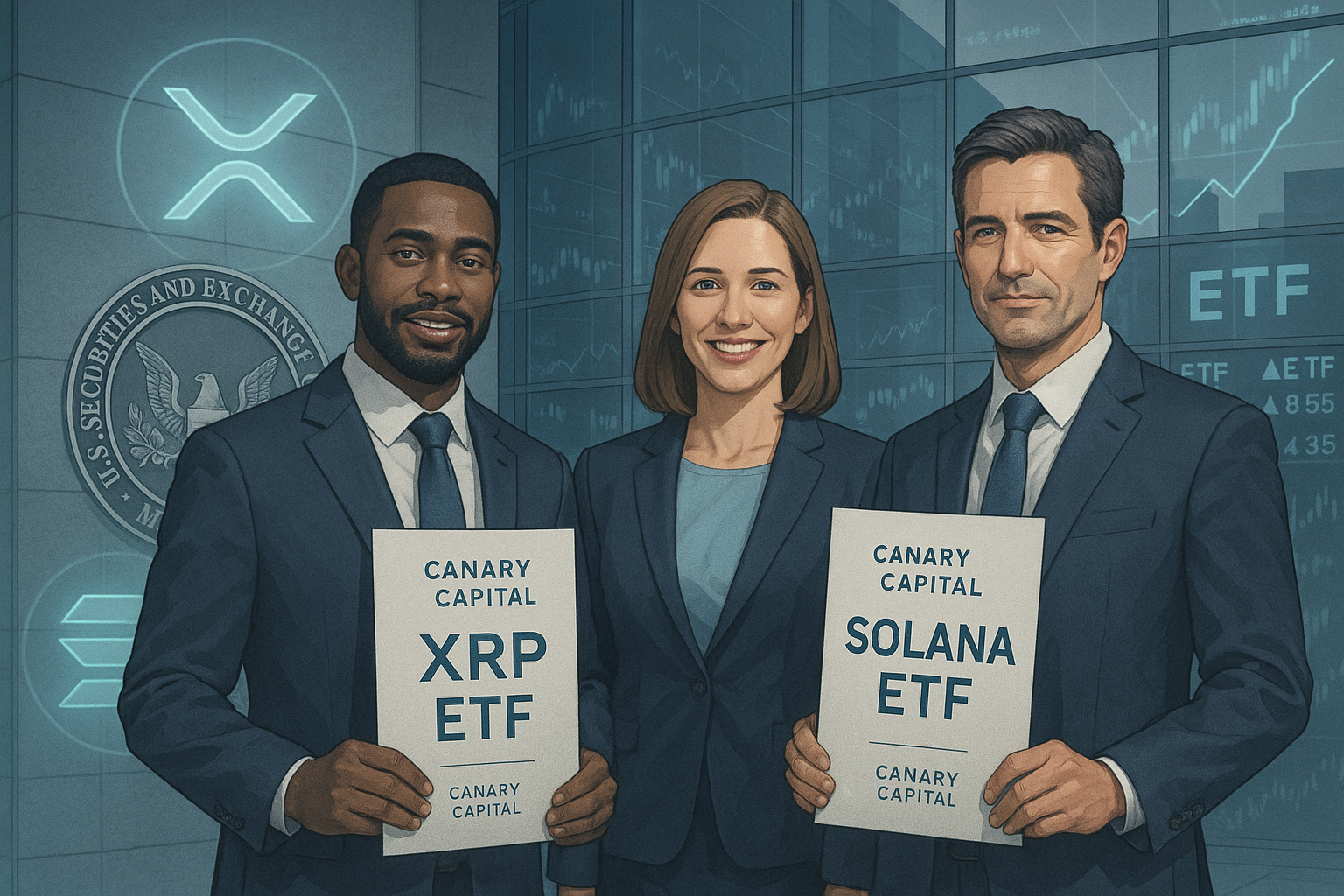

  • Canary files updated XRP and Solana ETF registrations, cutting fees to 0.50%.
  • SEC’s crypto-friendly shift speeds up ETF approvals under new listing standards.
  • Pending crypto ETFs may see faster approvals once the US government reopens.

Canary Capital is moving closer to securing approval from the US Securities and Exchange Commission (SEC) for its proposed exchange-traded funds (ETFs) tracking XRP and Solana (SOL).

The firm recently updated two of its registration statements, signaling that it may be nearing the final stages of the approval process as regulatory sentiment toward digital assets shifts under the current administration.

Canary updates XRP and Solana ETF filings

The firm filed amendments on Friday for its Canary Marinade SOL ETF, which incorporates staking, and its Canary XRP ETF.

Both filings disclosed a 0.50% sponsor fee, a notable reduction from the 0.95% fee previously designated for the company’s HBAR and Litecoin ETFs.

Bloomberg Senior ETF Analyst Eric Balchunas noted the significance of the filings, saying on X (formerly Twitter) that Canary’s submission of “Amendment #6” for its spot Solana ETF—with a 0.50% expense ratio but no cut of staking rewards—indicates the application is close to approval.

The mention of “Amendment #6” typically suggests that the filing process is in its final stages.

The fee adjustment comes amid increasing competition among asset managers in the emerging crypto ETF market.

Earlier this week, Bitwise disclosed a 0.20% fee for its Solana staking ETF, adding pressure on other issuers to keep costs low as they await regulatory clearance.

Regulatory progress under a new administration

Canary’s filings arrive at a pivotal moment for the crypto industry.

Several firms have submitted applications for ETFs tracking digital assets such as Dogecoin (DOGE) and Litecoin (LTC) over the past year, encouraged by what market participants describe as a more crypto-friendly regulatory environment.

The shift follows the appointment of Paul Atkins, a known advocate for digital asset innovation, as SEC Chair under President Donald Trump.

Under Atkins’ leadership, the agency has taken steps to provide clearer guidelines for the listing and trading of crypto-based investment products.

Among the most significant developments has been the approval of new listing standards that outline the criteria for listing certain crypto ETFs on US exchanges.

This regulatory update could allow dozens of pending crypto ETF applications to launch without requiring individual approval under the SEC’s 19b-4 process, a procedural bottleneck that has historically delayed product rollouts.

The change could significantly shorten the timeline for ETFs like Canary’s XRP and Solana funds to reach the market.

Awaiting SEC action amid government shutdown

Despite the regulatory progress, uncertainty remains over how quickly the SEC can move forward, particularly in the wake of the recent US government shutdown.

Several ETF deadlines tied to the 19b-4 process have already passed, including those for Solana and Litecoin products.

According to sources cited by The Block, the SEC may consider batch approvals for single-product crypto ETFs in October and November, once the government resumes full operations.

The focus now lies on the registration statements, which unlike 19b-4 filings, do not have strict timelines attached.

Canary Capital’s latest updates suggest it is well positioned among the next wave of ETF issuers.

If approved, its products could join a rapidly expanding lineup of crypto-linked ETFs that are gradually gaining regulatory acceptance in the US financial markets.


Source link

Similar Posts

  • Base Leads L2 Fees With $147K Daily as Most Chains Earn Under $5K

    CryptoRank data showed Base capturing nearly 70% of Ethereum L2 fee revenue in a single day, far ahead of Arbitrum. Base led Ethereum’s layer-2 fee rankings on January 14, generating about $147,000 in daily revenue, far ahead of Arbitrum’s roughly $39,000 and Starknet’s $9,000, according to figures shared by CryptoRank.io. The data points to…

  • Crypto Markets Added $70 Billion Daily as Bitcoin (BTC) Soared to 16-Day Peak (Weekend Watch)

    Bitcoin’s price ascend continued in the past 24 hours as the asset flew past $60,000 and tapped a multi-week peak of over $60,500. The altcoins are also in the green, which has boosted the total crypto market cap by more than $70 billion since yesterday. BTC Touched $60.5K After last Friday’s correction that drove BTC…

  • Australia Targets Crypto Platforms with New Rules

    Enjoyed this article? Share it with your friends! Australia is preparing to bring digital asset platforms under tighter control using its current financial laws. The plan focuses on crypto exchanges, custodial services, and certain brokers involved with digital currencies. These businesses would need to meet the same requirements as other financial firms, such as holding…

  • SUI Aggregator Volume Soars to $30B, Bullish Breakout Looming?

    SUI has reached a total aggregator volume of $30 billion, signaling a significant increase in interest within the network. SUI’s volume has increased by 12.79% over the previous month, which signals an upward trend in user involvement.  A rising aggregator volume generally signifies higher confidence from market participants and suggests a growing confidence in the…

  • 【解説】暗号資産、なぜセルフカストディは必要? ハードウェア/ソフトウェア ウォレットの違いは? – BitRss – Crypto World News

    暗号資産のセルフカストディ(自己管理)とは? 最近、暗号資産(仮想通貨)の購入や取引を始めたばかりの方は「セルフカストディ」という言葉を耳にしたことがあるかもしれません。 セルフカストディとは、一言で言えば自分自身で暗号資産の秘密鍵(注:資産を動かせるパスワードのようなもの。詳細後述)を管理することです。取引所などの第三者に資産を預ける「カストディアル(他人管理)」とは異なり、ウォレットの秘密鍵を自分で保有するため、資産の真の所有権が自分にあります。よく暗号資産業界で言われる「Not your keys, not your coins(自分の鍵でなければ自分のコインではない)」というフレーズが示す通り、秘密鍵を自分で持っていなければ本当の意味で資産を所有しているとは言えないのです。 では、なぜセルフカストディがそれほど重要なのでしょうか? その理由は第三者に資産を預けることのリスクにあります。もし暗号資産を預けている取引所がハッキングに遭ったり経営破綻してしまったら、預けた資産を失う可能性があります。 実際、かつて世界最大だった取引所Mt.Gox(マウントゴックス)は2014年にハッキングされ閉鎖し、約85万BTC ($105,533.00)ものビットコインが消失する事件が起きました。また、2022年には大手取引所FTXが経営破綻し、多くのユーザーが破綻直後に資産を引き出せなくなるという混乱が発生しました。このように他人任せの管理では想定外の事故で資産を失うリスクがあるため、自分自身で資産を管理するセルフカストディの重要性が叫ばれているのです。 もっとも、セルフカストディには「自由」と「責任」がセットになっています。第三者に頼らない分、自分でセキュリティに気を配らなくてはなりません。「自分が自分の銀行になる」イメージです。他人に任せれば楽な反面リスクがありますが、一方、自分で管理すればリスクをコントロールできますが手間がかかるのです。しかし適切な方法を理解し実践すれば、セルフカストディはあなたの資産を守る強力な手段となるでしょう。 この記事では、初心者の方にもわかりやすいようにセルフカストディの基本と、具体的なウォレット(ソフトウェアウォレットとハードウェアウォレット)の違い、使い方について段階的に解説していきます。まずはウォレットの種類とその特徴から見てみましょう。 ソフトウェアウォレット vs ハードウェアウォレット セルフカストディを実践するには、自分で暗号資産ウォレットを用意する必要があります。ウォレットには大きく分けてソフトウェアウォレット(ホットウォレット)とハードウェアウォレット(コールドウォレット)という2種類があります。それぞれの違いを理解するために、まずウォレットの基本から押さえましょう。 暗号資産ウォレットとは、ビットコインやイーサリアムなどの暗号資産を管理するためのツールです。ただし、「ウォレット」と言っても中にコインそのものが入っているわけではありません。実際にはウォレットはブロックチェーン上の資産にアクセスし管理するための秘密鍵という情報を保存しています。 秘密鍵とは、その資産を動かすためのデジタルの鍵であり、これが他人に漏洩すると資産を盗まれてしまいます。一方、ウォレットには対応する公開鍵から生成されたアドレスがあり、こちらは他者から暗号資産を受け取るために公開して使います。要するに、ウォレット=秘密鍵の保管庫であり、その鍵を使ってブロックチェーン上の自分の口座を動かすイメージです。 ウォレットには、取引所が管理するウォレット(カストディアル)と、自分で管理するウォレット(ノンカストディアル)があります。セルフカストディでは後者のノンカストディアルウォレットを使います。ノンカストディアルウォレットでは自分自身が秘密鍵を直接保有するため、仮にウォレット提供元のサービスが停止しても、自分の鍵さえあれば資産にアクセスできます。この点が取引所などの管理ウォレットとの決定的な違いです。 それでは、ノンカストディアルウォレットの代表であるソフトウェアウォレットとハードウェアウォレットについて、それぞれ特徴を詳しく見てみましょう。 ソフトウェアウォレットとは? ソフトウェアウォレットは、その名の通りソフトウェア上で動作するウォレットです。スマートフォンのアプリやパソコン用ソフト、ブラウザ拡張機能などの形で提供され、インターネットに常時接続されたデバイス上で動きます。有名なソフトウェアウォレットの例として、Phantom(ファントム)やBackpack(バックパック)、MetaMask(メタマスク)」などがあります。これらは無料で簡単にインストールでき、初心者が最初に使うウォレットとして選ばれることも多いです。 ソフトウェアウォレットをインストールすると、まずウォレット内で秘密鍵(≒シードフレーズ)が生成されます。ユーザーは表示された12語や24語の英単語のリスト(シードフレーズ)を紙に書き写してバックアップを取ります。このシードフレーズがあれば、仮にアプリを消してもスマホを無くしても、別のデバイスでウォレットを復元できます。一方で、このフレーズを第三者に知られると資産を盗まれる恐れがあるため、厳重に保管しなければなりません。 ソフトウェアウォレットはホットウォレットとも呼ばれ、秘密鍵を暗号化して端末内に保管しつつ、必要に応じてネットワーク上でトランザクションに署名します。例えばMetaMaskでは、トランザクション実行時に確認画面が表示され、「承認」をクリックするとウォレット内部で秘密鍵が使われ署名が行われます。その後、署名済みの取引データがブロックチェーンに送信される仕組みです。一連の操作はすべてソフトウェア上で完結し、ユーザーにとってはスマホやPCでオンラインバンキングを操作する感覚に近いでしょう。 ソフトウェアウォレットのメリット: 手軽さと低コスト: アプリをダウンロードするだけで誰でもすぐに利用開始できます。基本的に無料で使えるものが多く、初期費用がかかりません。 利便性と速度: 常にネット接続されているので送受信の操作が素早く、DeFiアプリやNFT ($0.00)マーケットなど各種dApps(分散型アプリ)との連携も容易です。例えばMetaMaskを使えばワンクリックでWeb3サービスに接続でき、トークンのスワップやゲーム内アイテムの購入などがスムーズに行えます。 マルチプラットフォーム対応: スマホ、タブレット、PCなど自分の使いやすい環境で利用できます。外出先でもスマホウォレットで残高確認や送金ができるのは便利です。 ソフトウェアウォレットのデメリット: セキュリティリスク(オンラインの脅威): 最大の弱点は秘密鍵がインターネット接続されたデバイス内に存在することです。デバイスがマルウェアやウイルスに感染すると、秘密鍵やシードフレーズを盗まれるリスクがあります。またフィッシング詐欺によって秘密鍵を抜き取られたり、偽のウォレットアプリをインストールさせられる事件も起きています。常時ネットに繋がっている「ホットストレージ」であるがゆえに、利便性と引き換えにセキュリティ面では脆弱になりがちです。 ユーザーの操作ミス: ソフトウェアウォレットは手軽な反面、誤操作のリスクもあります。例えばシードフレーズのバックアップを忘れてアプリを削除してしまったり、端末紛失時に復元できなくなるケースがあります。また送金時にアドレスを間違えて入力すると取り返しがつかない点はハードウェアでも共通ですが、ソフトウェアウォレットでは特に初心者がうっかりミスをしやすい環境とも言えます。 他人による管理への誘惑: ソフトウェアウォレットは便利なため、「つい取引所に預けっぱなしにするのと変わらない使い方」をしてしまう人もいます。例えばスマホウォレットで資産管理していたが、もっと簡単だからと結局取引所アプリに戻ってしまうケースです。セルフカストディを徹底するには強い意志も必要です。この点はメンタルな側面ですが、初心者が自分で管理を続けるには乗り越えるべきハードルかもしれません。 こうした理由から、ソフトウェアウォレットは便利で使い始めやすい反面、大きな額を保管するには不安が残ると言えます。そのため業界では「ソフトウェアウォレットを使うなら常にハードウェアデバイスとペアリングせよ」とも言われます。 例えばPhantomやBackpack、MetaMaskと、ハードウェアウォレットであるLedgerデバイスを連携させれば、ソフトウェアウォレットの操作性を維持しつつ実際の署名はLedger(ハードウェア)で行うことができます。このように安全性を補強する使い方もありますが、まずは次に紹介するハードウェアウォレット自体について理解しておきましょう。 ハードウェアウォレットとは? ハードウェアウォレットは専用の物理的なデバイス上で暗号資産の秘密鍵を管理するウォレットです。USBメモリのような形状の小型デバイスが一般的で、これ自体が小さなコンピューターになっています。このデバイス内部のセキュアチップに秘密鍵を格納し、トランザクションの署名処理もデバイス内部で完結させることで、秘密鍵をネットから完全に隔離して保護します。簡単に言えば「オフライン環境で鍵を守る金庫」のようなものです。 参考:Ledgerのハードウェアウォレット(Ledger Flex,…

  • Trump’s WLFI launches ’Macro Strategy’ fund for Bitcoin, Ether, altcoins

    The strategic reserve aims to invest in the growth of Bitcoin, Ether and other cryptocurrencies “at the forefront of reshaping global finance.” US President Donald Trump’s blockchain platform launched a strategic reserve fund to back the growth of some of the biggest cryptocurrencies. Trump’s World Liberty Financial (WLFI) decentralized finance platform unveiled the “Macro Strategy”…

Leave a Reply

Your email address will not be published. Required fields are marked *