Cardano’s Inclusion in the U.S. Cryptocurrency Reserve
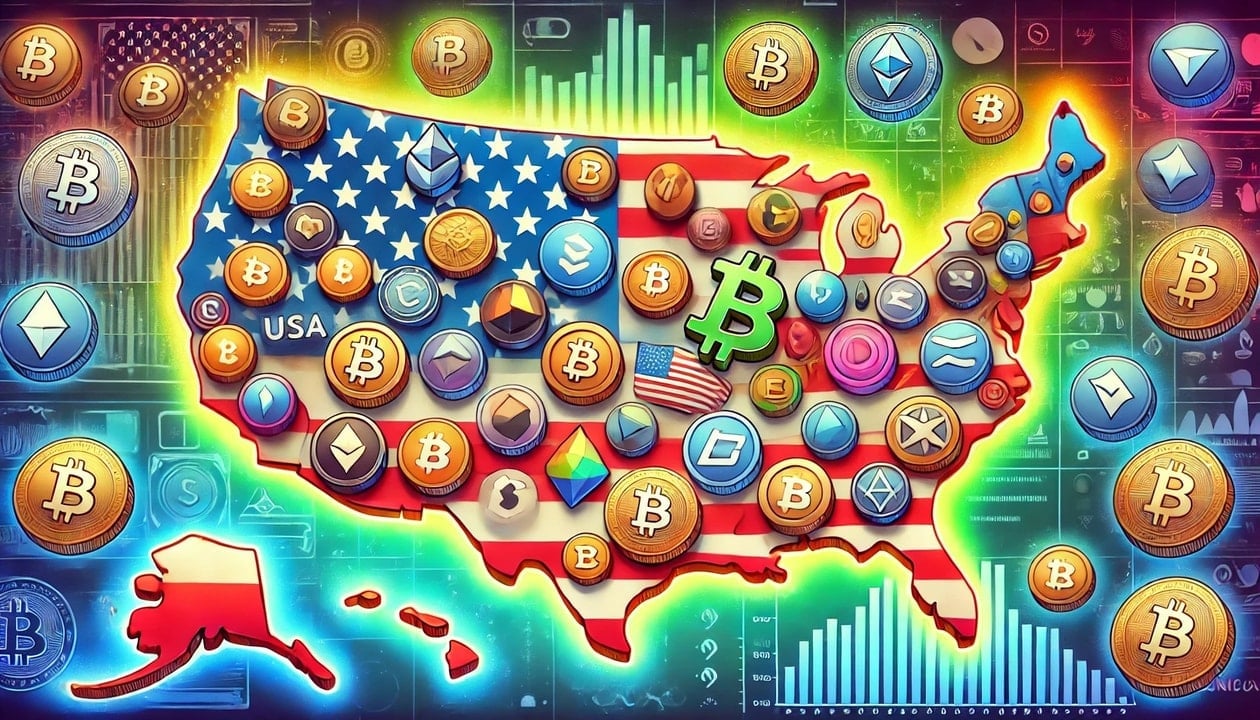
Cardano cryptocurrencyA cryptocurrency is a digital or virtual form of currency that uses cryptography for security. Unlike traditional currencies issued by central banks, cryptocurrencies operate on de… news has taken center stage following its unexpected inclusion in the proposed U.S. cryptocurrencyA cryptocurrency is a digital or virtual form of currency that uses cryptography for security. Unlike traditional currencies issued by central banks, cryptocurrencies operate on de… strategic reserve, sparking intense discussions across the digital asset industry. On March 2, 2025, President Donald Trump announced the creation of a national cryptocurrencyA cryptocurrency is a digital or virtual form of currency that uses cryptography for security. Unlike traditional currencies issued by central banks, cryptocurrencies operate on de… reserve that would consist of Bitcoin, Ethereum, XRP, Solana, and Cardano. This announcement triggered a dramatic Cardano ADA price surge, with its value soaring by 75% within hours, rising from $0.6461 to $1.13 before stabilizing around $0.96. This unprecedented government endorsement has ignited speculation regarding Cardano’s strategic positioning, its technical advantages, and the broader economic and political motivations behind its selection.
The Strategic Considerations Behind Cardano’s Selection
While the official reasoning for Cardano’s inclusion in the U.S. cryptocurrencyA cryptocurrency is a digital or virtual form of currency that uses cryptography for security. Unlike traditional currencies issued by central banks, cryptocurrencies operate on de… strategic reserve has not been explicitly outlined, multiple factors appear to have influenced the decision. These include geopolitical considerations, domestic economic strategies, and the cryptocurrency’s technical capabilities.
One compelling explanation stems from an economic nationalism approach that seeks to elevate U.S.-linked blockchainA blockchain is a decentralized, distributed ledger technology (DLT) that records transactions in a secure, transparent, and tamper-proof manner. Each transaction is grouped into a… networks. Unlike some other major cryptocurrenciesA cryptocurrency is a digital or virtual form of currency that uses cryptography for security. Unlike traditional currencies issued by central banks, cryptocurrencies operate on de…, Cardano has American origins through its founder, Charles Hoskinson, who played a crucial role in the early development of Ethereum before launching Cardano as a separate entity. This U.S. connection aligns with the current administration’s emphasis on prioritizing domestic technologies, an approach that has been evident in various economic policies. By including Cardano alongside Solana and XRP—two other cryptocurrenciesA cryptocurrency is a digital or virtual form of currency that uses cryptography for security. Unlike traditional currencies issued by central banks, cryptocurrencies operate on de… with substantial U.S. ties—the government appears to be endorsing homegrown blockchainA blockchain is a decentralized, distributed ledger technology (DLT) that records transactions in a secure, transparent, and tamper-proof manner. Each transaction is grouped into a… solutions while countering foreign-dominated sectors of the industry, such as Bitcoin mining, where China has historically held a dominant position.
Industry analysts suggest that this selection could reflect a strategic effort to support and stimulate domestic blockchainA blockchain is a decentralized, distributed ledger technology (DLT) that records transactions in a secure, transparent, and tamper-proof manner. Each transaction is grouped into a… development. MEXC’s Chief Operating Officer, Tracy Jin, speculated that Trump’s business-oriented approach might be at play, arguing that the selection could be based on undervaluation and growth potential. This perspective suggests that Cardano’s relatively low market price at the time of inclusion might have been a factor in the administration’s decision, allowing for long-term appreciation in value as part of a national digital asset strategy.
Cardano Blockchain Technology and Sustainability Focus
Beyond strategic and political considerations, Cardano blockchainA blockchain is a decentralized, distributed ledger technology (DLT) that records transactions in a secure, transparent, and tamper-proof manner. Each transaction is grouped into a… technology likely played a significant role in its inclusion in the cryptocurrencyA cryptocurrency is a digital or virtual form of currency that uses cryptography for security. Unlike traditional currencies issued by central banks, cryptocurrencies operate on de… reserve. One of its defining characteristics is its proof-of-stake (PoS) consensus mechanism, known as Ouroboros, which provides an energy-efficient alternative to Bitcoin’s proof-of-work (PoW) model. As global trends shift toward environmentally sustainable technologies, Cardano’s PoS system presents a compelling argument for adoption, particularly in governmental and institutional settings where environmental concerns are increasingly prioritized.
Cardano’s blockchainA blockchain is a decentralized, distributed ledger technology (DLT) that records transactions in a secure, transparent, and tamper-proof manner. Each transaction is grouped into a… infrastructure is also designed for scalability and interoperability, making it a promising candidate for future digital systems, including central bank digital currencies (CBDCs). As governments explore blockchain-based financial solutions, platforms that emphasize security, scalability, and low transaction costs are likely to gain prominence. Cardano’s research-driven development approach, which relies on peer-reviewed academic studies before implementing upgrades, further differentiates it from other blockchainA blockchain is a decentralized, distributed ledger technology (DLT) that records transactions in a secure, transparent, and tamper-proof manner. Each transaction is grouped into a… projects and contributes to its reputation as a reliable and scientifically rigorous platform.
Cardano ADA Investment and Market Positioning
The cryptocurrency’s structural design includes several key features that enhance its utility and long-term viability. Unlike Ethereum, which has an unlimited issuance model, Cardano operates with a fixed supply cap of 45 billion ADA, with approximately 35.2 billion in circulation as of March 2025. This fixed supply model introduces a scarcity factor, positioning Cardano as a viable long-term reserve asset.
Cardano also supports smart contracts, which enable decentralized applications (dApps) to function without central control. This capability mirrors Ethereum’s functionality but is built on Cardano’s distinct PoS architecture, which enhances efficiency and reduces energy consumption. Additionally, Cardano’s staking model allows ADA holders to participate in networkIn the context of cryptocurrency, a network refers to the interconnected system of computers, nodes, and software that work together to support and maintain the functioning of a sp… validation while earning rewards, fostering greater community involvement and decentralization.
Another distinguishing feature of Cardano is its focus on real-world utility, particularly in financial inclusion and digital identity verification. Several of its initiatives have been aimed at providing blockchain-based solutions for developing nations, with projects in Africa and Latin America utilizing Cardano’s infrastructure for supply chain management and digital identity programs. These use cases align with broader governmental interests in blockchainA blockchain is a decentralized, distributed ledger technology (DLT) that records transactions in a secure, transparent, and tamper-proof manner. Each transaction is grouped into a… adoption for secure, transparent, and efficient data management.
Market Reactions and Future Implications
The immediate market response to Cardano’s inclusion in the strategic reserve was highly volatile. Following Trump’s announcement, ADA saw an unprecedented rally, marking one of the largest percentage gains among the selected cryptocurrenciesA cryptocurrency is a digital or virtual form of currency that uses cryptography for security. Unlike traditional currencies issued by central banks, cryptocurrencies operate on de…. However, this surge was followed by price corrections as traders and investors reacted to the evolving news cycle and market sentiment.
The full impact of ADA’s inclusion may not yet be fully reflected in its market valuation. Increased capital inflows and rising open interest on major exchanges indicate continued investor interest, suggesting that further price action could unfold as more details about the strategic reserve emerge. Nonetheless, questions remain regarding the long-term price trajectory of ADA, with some analysts speculating that Cardano could reach a price target of $25, while others remain skeptical given its historical price patterns and market capitalization constraints.
Interestingly, Charles Hoskinson, the founder of Cardano, was reportedly not consulted prior to the announcement and was not invited to the March 7 White House Crypto Summit. This unexpected omission has fueled speculation about the selection process and the administration’s decision-making criteria. The lack of direct engagement with Cardano’s leadership raises questions about whether the selection was based purely on technical and strategic merits or if other geopolitical considerations played a role.

Lance Jepsen is the senior personal finance writer for Guerilla Stock Trading who has spent more than 25 years covering the stock market and economics. In addition, Lance has worked as a private stock analyst for a number of high worth individuals.