
China’s Move: How China First Policies Are Fueling a Global Market Surge! 💴
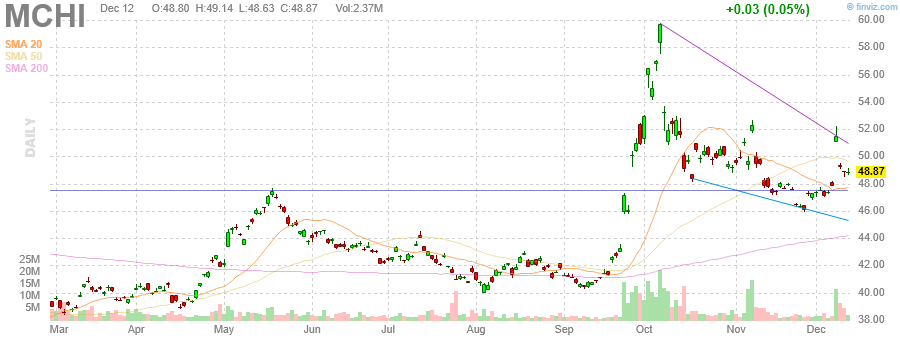
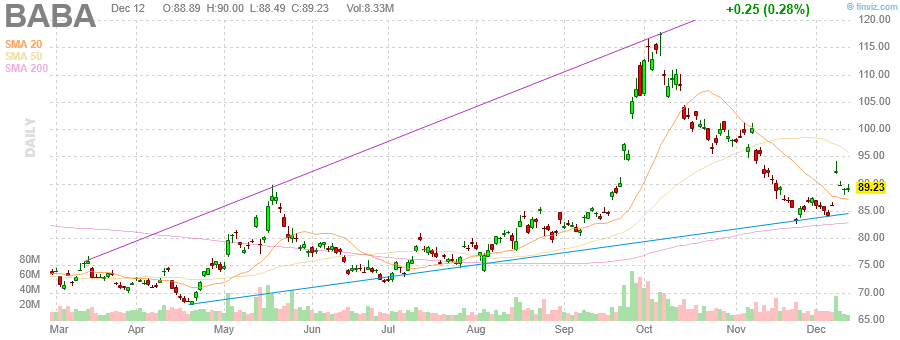
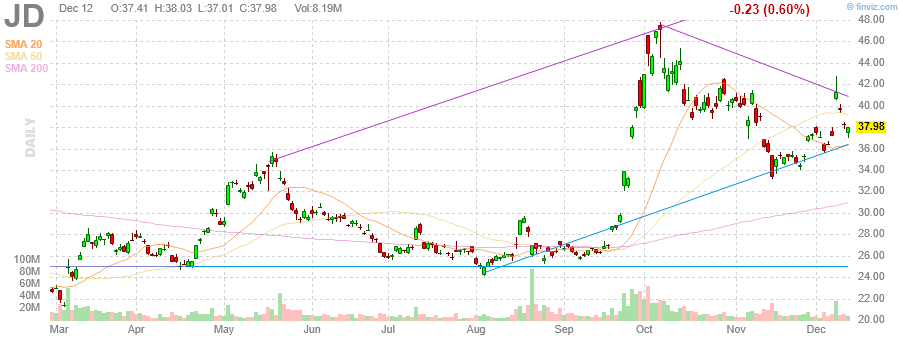
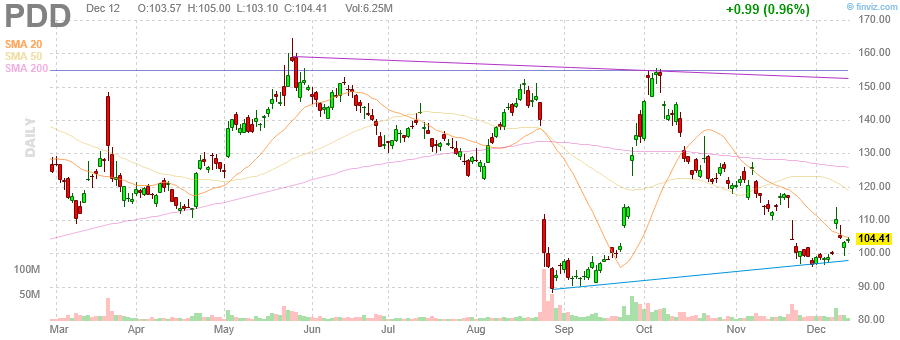

China’s announcement of a shift towards more proactive fiscal measures and “moderately loose” monetary policy has revitalized global investor sentiment. This new strategy aims to address the nation’s struggling domestic consumption and stimulate economic growth. The developments, highlighted by policy changes and fiscal stimulus plans, have led to a significant surge in Chinese equities, benefiting investors globally.
The Catalyst for the Surge: Proactive Policies and Market Impact
China’s Economic Strategy Unveiled
China’s Politburo has declared its intent to implement proactive fiscal measures and ease monetary policy in 2024. This marks the first such monetary policy easing in 14 years, reflecting a strong commitment to stabilizing the economy. Previously focused on supporting the property and manufacturing sectors, China’s policy now shifts towards enhancing consumer demand.
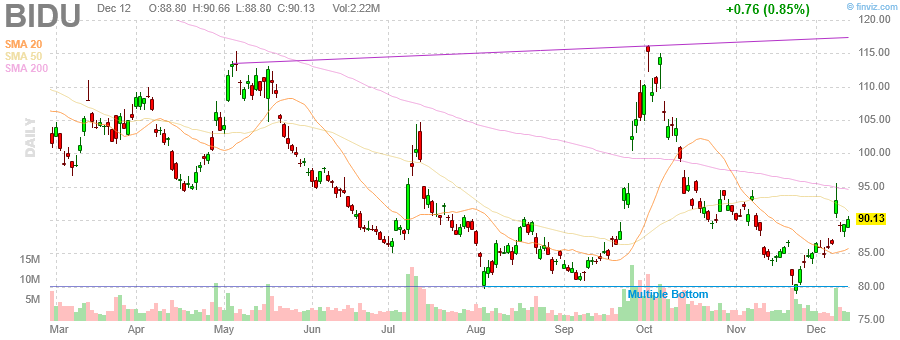
The policy pivot has led to significant market optimism, with Chinese stocks rallying sharply. Popular exchange-traded funds (ETFs) such as $MCHI and leading Chinese companies, including Alibaba, JD.com, PDD Holdings, and Baidu, saw strong gains. The enthusiasm has spilled over into U.S. markets, fueling risk-on sentiment.
Key Measures in China’s Fiscal Stimulus Plan
China’s comprehensive fiscal measures are designed to alleviate financial pressures and promote consumption. The major initiatives include:
- Special Sovereign BondsUnited States Treasury securities are debt instruments issued by the United States government to finance its spending. Treasury securities come in a variety of forms, including bil…
The government plans to issue approximately 2 trillion yuan ($284.43 billion) in special sovereign bondsUnited States Treasury securities are debt instruments issued by the United States government to finance its spending. Treasury securities come in a variety of forms, including bil…. Half of these funds will aid local governments in managing debt, while the remainder will subsidize consumer purchases, such as home appliances, and provide a monthly allowance of $114 per child for families with two or more children. While $114 per child, per month, might not seem like much, this is actually a big deal because the cost of living in China is much lower than the U.S. (see below). It is estimated that for the U.S. to achieve a similar stimulus program for its citizens, it would need to be $456 per child, per month. - Debt Swap Program
A large-scale debt swap program, alongside bond quotas, aims to improve local governments’ capacity to address hidden debts. This program is touted as one of the most significant policy measures in recent years. - Local Government Support
Allocating 1.2 trillion yuan ($169.81 billion) in local bond quotas for 2024, this measure seeks to resolve hidden debts and settle government arrears to firms. - Infrastructure Investment
The government has frontloaded spending from the 2025 budget, including an additional 100 billion yuan ($14.1 billion) for construction projects. Although some analysts expected larger spending commitments, this move underscores China’s focus on long-term economic growth. - Consumer Subsidies
Subsidies aimed at boosting domestic demand align with the proactive fiscal policy stance, providing targeted support to consumers and stimulating broader economic activity.
Cost of Living in China versus the U.S.
The cost of living in China is generally significantly lower than in the United States. Here’s a comparison based on various metrics:
- Overall Cost:
- Housing:
- Food:
- Transportation:
- Utilities:
- Other Expenses:
Individuals can enjoy a higher standard of living in China compared to the US due to lower costs despite potentially lower incomes.
Considerations:
- Urban vs. Rural: The cost of living varies significantly between urban and rural areas in both countries, with urban centers like Beijing or Shanghai being more expensive but still cheaper than major US cities.
- Quality of Life: While living costs are lower, other factors like pollution, internet freedom, and cultural adjustments can influence the overall quality of life perception.
- Currency Exchange: The value of the Chinese Yuan against the US Dollar can affect the real cost for expatriates or travelers.
In summary, the cost of living in China is significantly lower than in the US across various expense categories, allowing for a higher standard of living for similar income levels when adjusted for purchasing power.
China’s Local Government Debt Solution
The issue of local government debt in China has been a significant concern due to its size and the complexity of its management:
- Hidden Debt: Local governments in China have accumulated a considerable amount of “hidden debt” through Local Government Financing Vehicles (LGFVs). These entities were created to bypass restrictions on direct borrowing by local governments, leading to off-the-books or implicit debt. Estimates suggest that this hidden debt might exceed 60 trillion yuan ($8.2 trillion), with some sources indicating it could be even higher.
- Explicit Debt: Official or explicit local government debt was reported to be around 35.06 trillion yuan ($4.8 trillion) by the end of 2022. This is the debt that is formally recognized on government balance sheets.
Debt Management: Efforts to manage this debt include:
- Debt Swaps: The Chinese government has initiated debt swap programs where local governments can replace high-cost, short-term debt with lower-cost, longer-term bondsUnited States Treasury securities are debt instruments issued by the United States government to finance its spending. Treasury securities come in a variety of forms, including bil…. This has been an ongoing strategy since 2015 to manage debt maturities and interest rates.
- Special BondsUnited States Treasury securities are debt instruments issued by the United States government to finance its spending. Treasury securities come in a variety of forms, including bil…: There’s been an increased issuance of special purpose bondsUnited States Treasury securities are debt instruments issued by the United States government to finance its spending. Treasury securities come in a variety of forms, including bil… by local governments, which are used for infrastructure projects and other public investments. The central government has encouraged this method to keep debt levels under control while still supporting economic growth.
- Restructuring: Some local governments have negotiated significant extensions on their debts, like the case of Zunyi Road and Bridge Construction Group in Guizhou, where loans were extended for 20 years with reduced interest rates.
- Central Government Support: The central government has been increasing its transfers to local governments to help manage their financial strain. For instance, there was a 17.1% increase in transfers in 2022 with plans for further support in the following years.
Risks and Challenges:
- The rapid urbanization and infrastructure projects funded by this debt have led to concerns over sustainability, especially with economic slowdowns reducing anticipated revenue from land sales and other sources.
- There’s a growing concern about the financial stability of banks heavily exposed to this debt, potentially impacting China’s financial system.
- The central government’s cautious approach to resolving debt issues aims to prevent moral hazard but also means that local governments must navigate these challenges with limited new debt creation.
- Current Policies: Recent discussions and posts on platforms like X suggest that while there are efforts to manage and reduce local government debt, the scale of these relief measures might be inadequate compared to the actual debt burden. There’s also talk of using special local bondsUnited States Treasury securities are debt instruments issued by the United States government to finance its spending. Treasury securities come in a variety of forms, including bil… for new urban infrastructure projects as part of ongoing debt management strategies.
This situation reflects a balancing act by the Chinese government between stimulating economic growth, managing financial risks, and addressing the underlying issues of local government finance and public service provision.
Why Key Companies Are Important for Investors
Alibaba Group Holding (BABA)
Alibaba, as one of China’s largest e-commerce and cloud computing companies, stands to benefit significantly from increased consumer spending. With a vast ecosystem catering to retail, logistics, and financial services, Alibaba is well-positioned to capitalize on rising domestic consumption driven by fiscal subsidies. For investors, Alibaba’s leadership in digital transformation makes it a cornerstone of China’s economic growth.
JD.com (JD)
JD.com, a leading e-commerce and logistics company, is poised to gain from increased consumer purchasing power. Its robust supply chain infrastructure and focus on technology-driven retail experiences provide a competitive edge. Investors often look to JD.com as a barometer of China’s consumer sentiment.
PDD Holdings (PDD)
PDD Holdings, known for its innovative approach to social commerce through its platform Pinduoduo, thrives on discretionary consumer spending. With policies aimed at boosting household consumption, PDD could experience accelerated growth. The company’s unique business model and strong user engagement make it an attractive prospect for growth-focused investors.
Baidu (BIDU)
As China’s leading AI and search engine company, Baidu’s diversified business model encompasses digital advertising, autonomous driving, and cloud computing. The push for fiscal stimulus and technological development aligns with Baidu’s strategic goals, making it a compelling choice for tech-oriented investors.
Broader Implications of China’s Policy Shift
China’s shift towards fiscal and monetary easing is more than a response to domestic economic challenges—it also has significant global implications. With a target growth rate of around 5% for 2024, China’s policies are expected to bolster trade, enhance consumer confidence, and stabilize key markets. However, while the initial announcements have been well-received, the scale and execution of these measures will be critical in determining their long-term effectiveness.
Conclusion: A New Chapter for China and Global Markets
China’s proactive policy shift marks a turning point in its economic strategy, prioritizing consumer-driven growth alongside traditional support for industries. This development has reignited investor interest in Chinese equities, with ETFs and major companies seeing renewed momentum. For global investors, these measures represent both an opportunity and a challenge as they navigate a rapidly evolving economic landscape. Companies like Alibaba, JD.com, PDD Holdings, and Baidu are not just beneficiaries but also key indicators of China’s economic recovery, making them essential for those tracking market trends.
Lance Jepsen is the senior personal finance writer for Guerilla Stock Trading who has spent more than 25 years covering the stock market and economics. In addition, Lance has worked as a private stock analyst for a number of high worth individuals.
Do you have a news tip for GuerillaStockTrading? Please email us at [email protected]
💥 GET OUR LATEST CONTENT IN YOUR RSS FEED READER
We are entirely supported by readers like you. Thank you.🧡
At GuerillaStockTrading, we maintain full transparency and impartiality; we never blog about stocks or crypto in which we hold a personal position unless explicitly stated in the article. Additionally, we do not accept paid promotions presented as content. All information shared is for informational purposes only and should not be construed as financial, investment, tax, or legal advice, nor as a recommendation to buy any security or financial asset. The content is general in nature and does not account for individual circumstances. It may not be suitable for your particular situation. Before making financial decisions, you are encouraged to seek guidance from your own financial or investment advisor.
Trading and Investment Ideas:
Source link