Inflation Shock: CPI Surges, Markets React as Rate Cut Hopes Fade
The first Consumer Price IndexThe Consumer Price Index is a measure of the average price level of a basket of goods and services that are commonly consumed by households. (CPI) report of the year delivered an unwelcome surprise, coming in significantly hotter than expected. The immediate reaction in financial markets was swift, as bond yields spiked and stock indices tumbled nearly 1% in pre-market trading. This development casts doubt on the Federal Reserve’s ability to implement rate cuts anytime soon and underscores the continued challenges inflationInflation refers to the rate at which the overall price levels of goods and services increase, gradually reducing purchasing power over time. It is commonly measured using indices … presents to policymakers and investors alike.
Persistent Inflation Reshapes Market Expectations
The latest inflationInflation refers to the rate at which the overall price levels of goods and services increase, gradually reducing purchasing power over time. It is commonly measured using indices … report follows months of speculation regarding the trajectory of price pressures in early 2025. Last year’s unexpected resurgence in inflationInflation refers to the rate at which the overall price levels of goods and services increase, gradually reducing purchasing power over time. It is commonly measured using indices … led to a more cautious Federal Reserve, resulting in only three rate cuts throughout 2024. Many analysts had anticipated a different outcome this year, with some forecasting a more subdued inflationary trend.
Goldman Sachs recently released a report predicting a “less of a Q1 bump in inflationInflation refers to the rate at which the overall price levels of goods and services increase, gradually reducing purchasing power over time. It is commonly measured using indices …,” citing the diminishing impact of post-pandemic seasonal adjustments and arguing that last year’s unexpected inflationInflation refers to the rate at which the overall price levels of goods and services increase, gradually reducing purchasing power over time. It is commonly measured using indices … surge was unlikely to repeat. However, Goldman’s analysis was centered on the Federal Reserve’s preferred inflationInflation refers to the rate at which the overall price levels of goods and services increase, gradually reducing purchasing power over time. It is commonly measured using indices … gauge, the Personal Consumption ExpendituresPCE stands for Personal Consumption Expenditures. It is a measure of how much money households spend on goods and services. (PCEPCE stands for Personal Consumption Expenditures. It is a measure of how much money households spend on goods and services.) index, rather than the more widely followed CPI measure. While the two indices often trend in the same direction, today’s CPI report suggests that inflationary pressures remain strong, casting uncertainty over future PCEPCE stands for Personal Consumption Expenditures. It is a measure of how much money households spend on goods and services. data due later this month.
The January CPI data revealed a 0.5% monthly increase, bringing the annual headline inflationInflation refers to the rate at which the overall price levels of goods and services increase, gradually reducing purchasing power over time. It is commonly measured using indices … rate back up to 3%. While food and gasoline prices are included in the headline measure, food inflationInflation refers to the rate at which the overall price levels of goods and services increase, gradually reducing purchasing power over time. It is commonly measured using indices … remained relatively subdued at 0.3% month-over-month and 2.5% year-over-year. However, certain categories, such as eggs, coffee, and chocolate, saw more pronounced price swings. The core CPI, which excludes volatile food and energy prices, painted an even more concerning picture, rising by 0.5% for the month and pushing the annual rate up to 3.3%.
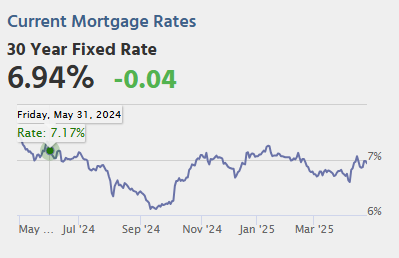
This latest inflationInflation refers to the rate at which the overall price levels of goods and services increase, gradually reducing purchasing power over time. It is commonly measured using indices … print has pushed market expectations for rate cuts further into the year. John Spallanzani of Miller Value Partners noted that investors are now eyeing June as the earliest realistic timeline for any additional easing by the Federal Reserve. The bond market responded with a sharp selloff, sending the 10-year Treasury yield surging to 4.64%, a move that also placed renewed upward pressure on mortgage rates.
Sector Impact and Market Volatility
The composition of inflationary pressures continues to weigh on market sentiment. Housing and shelter costs, which represent the largest component of core inflationInflation refers to the rate at which the overall price levels of goods and services increase, gradually reducing purchasing power over time. It is commonly measured using indices …, increased by 0.4% last month. Meanwhile, transportation and medical costs surged by more than 1%, while used car and truck prices climbed over 2%. These figures suggest that inflationary pressures are not merely concentrated in volatile categories but are becoming more entrenched in critical sectors of the economy.
As inflationInflation refers to the rate at which the overall price levels of goods and services increase, gradually reducing purchasing power over time. It is commonly measured using indices … expectations shift, investors are re-evaluating their portfolio strategies. Typically, an environment of persistently high inflationInflation refers to the rate at which the overall price levels of goods and services increase, gradually reducing purchasing power over time. It is commonly measured using indices … and elevated interest ratesInterest rates are the cost of borrowing money or the reward for saving money, typically expressed as a percentage of the principal amount. When it comes to interest rate trading, … would favor large-cap technology stocks—particularly companies within the so-called “Magnificent 7” (Apple, Microsoft, Amazon, Nvidia, Alphabet, Meta, and Tesla)—due to their pricing power and strong balance sheets. However, today’s market action tells a different story, with the tech-heavy Nasdaq underperforming the small-cap Russell 2000. This could indicate broader market concerns about growth prospects amid tightening financial conditions.
For investors, companies like Apple, Microsoft, and Nvidia remain essential to monitor due to their ability to navigate inflationary environments while maintaining profitability. Apple’s strong ecosystem and premium pricing help shield it from inflation-related cost pressures, while Microsoft benefits from a diversified business model spanning enterprise software, cloud computing, and artificial intelligence. Nvidia, as a leader in AI-driven semiconductor technology, remains a key player in an industry benefiting from secular growth trends that can offset inflationary headwinds.
At the same time, small-cap stocks, often more sensitive to higher borrowing costs, are experiencing heightened volatility. The Russell 2000’s underperformance today suggests that investors are concerned about the financial resilience of smaller firms in an environment where inflationInflation refers to the rate at which the overall price levels of goods and services increase, gradually reducing purchasing power over time. It is commonly measured using indices … remains sticky and the Federal Reserve’s rate-cut timeline is pushed further out.
Cryptocurrency Market Implications
The latest CPI report has also sent ripples through the cryptocurrencyA cryptocurrency is a digital or virtual form of currency that uses cryptography for security. Unlike traditional currencies issued by central banks, cryptocurrencies operate on de… markets, where inflationInflation refers to the rate at which the overall price levels of goods and services increase, gradually reducing purchasing power over time. It is commonly measured using indices … trends and Federal Reserve policy play a significant role in shaping investor sentiment. BitcoinBitcoin is a decentralized digital currency that operates on a peer-to-peer network without a central authority or intermediaries like banks. Here are some key features and aspects…, often viewed as a hedge against inflationInflation refers to the rate at which the overall price levels of goods and services increase, gradually reducing purchasing power over time. It is commonly measured using indices …, has been highly sensitive to changes in interest rateInterest rates are the cost of borrowing money or the reward for saving money, typically expressed as a percentage of the principal amount. When it comes to interest rate trading, … expectations. Higher-than-expected inflationInflation refers to the rate at which the overall price levels of goods and services increase, gradually reducing purchasing power over time. It is commonly measured using indices … can strengthen the argument for BitcoinBitcoin is a decentralized digital currency that operates on a peer-to-peer network without a central authority or intermediaries like banks. Here are some key features and aspects… as a store of value, but rising bond yields and tighter monetary policy can also lead to liquidity constraints that put downward pressure on riskIn stock and crypto trading, risk refers to the possibility of losing some or all of the capital invested in a trade. It represents the uncertainty about the future performance of … assets, including digital currencies.
Investors should closely watch Bitcoin’s price action in response to changing inflationInflation refers to the rate at which the overall price levels of goods and services increase, gradually reducing purchasing power over time. It is commonly measured using indices … expectations and Federal Reserve guidance. Historically, the cryptocurrencyA cryptocurrency is a digital or virtual form of currency that uses cryptography for security. Unlike traditional currencies issued by central banks, cryptocurrencies operate on de… market has performed well during periods of monetary expansion, but with inflationInflation refers to the rate at which the overall price levels of goods and services increase, gradually reducing purchasing power over time. It is commonly measured using indices … remaining stubbornly high, the likelihood of aggressive rate cuts has diminished, potentially limiting speculative inflows into digital assets.
EthereumEthereum is another major cryptocurrency platform known for its smart contract functionality, going beyond just being a digital currency. Here’s an overview of Ethereum: Key Featur… and other altcoins, which have significant exposure to decentralized finance (DeFiDeFi, short for Decentralized Finance, refers to financial services and applications built on blockchain technology that aim to recreate traditional financial systems (like banks, …) and blockchainA blockchain is a decentralized, distributed ledger technology (DLT) that records transactions in a secure, transparent, and tamper-proof manner. Each transaction is grouped into a… ecosystems, also face potential headwinds. Higher borrowing costs and regulatory uncertainties could impact the adoption and growth of DeFiDeFi, short for Decentralized Finance, refers to financial services and applications built on blockchain technology that aim to recreate traditional financial systems (like banks, … platforms, which rely on liquidity and investor confidence. Additionally, the regulatory landscape remains a critical factor, with ongoing discussions about potential crypto-related policies that could impact trading activity and market stability.
StablecoinsA stablecoin is a type of cryptocurrency designed to maintain a stable value relative to a specific asset or basket of assets. Unlike traditional cryptocurrencies such as Bitcoin o… and central bank digital currencies (CBDCs) are also worth monitoring in light of inflationary pressures. With central banks seeking to maintain financial stability, any potential policy shifts regarding digital currencies could influence market liquidity and transaction flows within the crypto sector.
Overall, cryptocurrencyA cryptocurrency is a digital or virtual form of currency that uses cryptography for security. Unlike traditional currencies issued by central banks, cryptocurrencies operate on de… investors must stay vigilant in assessing macroeconomicAt its core, macroeconomics is the branch of economics that examines the behavior, performance, and structure of an economy as a whole. Unlike microeconomics, which focuses on indi… trends, particularly inflationInflation refers to the rate at which the overall price levels of goods and services increase, gradually reducing purchasing power over time. It is commonly measured using indices … data, Federal Reserve policy decisions, and regulatory developments, all of which play a crucial role in shaping the future trajectory of digital assets.
Political and Policy Considerations
The political implications of today’s CPI report are also noteworthy. Former President Donald Trump, who continues to advocate for lower interest ratesInterest rates are the cost of borrowing money or the reward for saving money, typically expressed as a percentage of the principal amount. When it comes to interest rate trading, …, posted on social media this morning that rates should decline “hand in hand with upcoming tariffs.” However, given the market’s reaction to today’s inflationInflation refers to the rate at which the overall price levels of goods and services increase, gradually reducing purchasing power over time. It is commonly measured using indices … data, such a scenario appears increasingly unlikely. Treasury Secretary Bessent has also indicated that the administration is focused on bringing down the 10-year Treasury yield, which just became more challenging in light of the latest CPI report.
As policymakers grapple with inflation’s persistence, the Federal Reserve now faces an increasingly difficult balancing act. While economic growth remains robust, the risks of prematurely cutting rates and reigniting inflationInflation refers to the rate at which the overall price levels of goods and services increase, gradually reducing purchasing power over time. It is commonly measured using indices … could outweigh the political and market pressures for looser monetary policy. Until inflationInflation refers to the rate at which the overall price levels of goods and services increase, gradually reducing purchasing power over time. It is commonly measured using indices … data cools meaningfully, bond yields are likely to remain elevated, mortgage rates will stay high, and equity markets will continue to face heightened volatility.
For investors, this means staying vigilant on sectors that can better withstand inflationary pressures while closely monitoring upcoming economic reports, particularly the PCEPCE stands for Personal Consumption Expenditures. It is a measure of how much money households spend on goods and services. index later this month. Until more clarity emerges, expectations for rate cuts will remain subdued, and markets may continue to experience turbulence in response to shifting inflationInflation refers to the rate at which the overall price levels of goods and services increase, gradually reducing purchasing power over time. It is commonly measured using indices … dynamics.

Lance Jepsen is the senior personal finance writer for Guerilla Stock Trading who has spent more than 25 years covering the stock market and economics. In addition, Lance has worked as a private stock analyst for a number of high worth individuals.
Performance of Top Altcoins (24 hours)
Do you have a news tip for GuerillaStockTrading? Please email us at
[email protected]
🗨️ JOIN OUR COMMUNITY OF CRYPTO TRADERS AND INVESTORS ON SOCIAL MEDIA
💥 GET OUR LATEST CONTENT IN YOUR RSS FEED READER
We are entirely supported by readers like you. Thank you.🧡
At GuerillaStockTrading, we maintain full transparency and impartiality; we never blog about stocks or crypto in which we hold a personal position unless explicitly stated in the article. Additionally, we do not accept paid promotions presented as content. All information shared is for informational purposes only and should not be construed as financial, investment, tax, or legal advice, nor as a recommendation to buy any security or financial asset. The content is general in nature and does not account for individual circumstances. It may not be suitable for your particular situation. Before making financial decisions, you are encouraged to seek guidance from your own financial or investment advisor.