Ethereum’s Pectra Upgrade: A Game-Changer for Scalability, Validators, and Market Growth



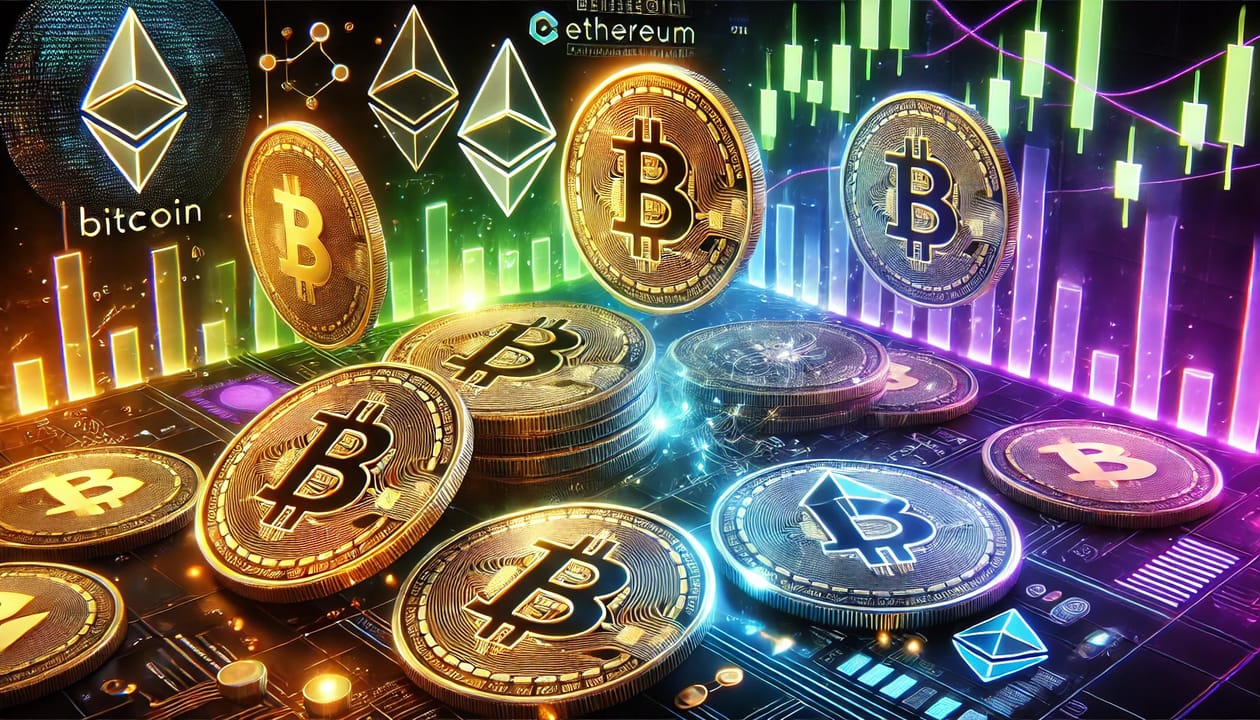
Ethereum’s upcoming Pectra upgrade, scheduled for March 2025, marks one of the most significant networkIn the context of cryptocurrency, a network refers to the interconnected system of computers, nodes, and software that work together to support and maintain the functioning of a sp… overhauls since its transition to proof-of-stake. This two-phase upgrade integrates eight EthereumEthereum is another major cryptocurrency platform known for its smart contract functionality, going beyond just being a digital currency. Here’s an overview of Ethereum: Key Featur… Improvement Proposals (EIPs) designed to improve scalability, user experience, and validator efficiency. Given its potential impact on Ethereum’s ecosystem and market performance, investors and blockchainA blockchain is a decentralized, distributed ledger technology (DLT) that records transactions in a secure, transparent, and tamper-proof manner. Each transaction is grouped into a… enthusiasts are closely watching its development.
Key Features and Enhancements
1. Improved User Experience
One of Pectra’s standout features is account abstraction (EIP-7702), which simplifies transactions and enhances accessibility.
- Flexible Transaction Fees: Users will be able to pay gas fees in stablecoinsA stablecoin is a type of cryptocurrency designed to maintain a stable value relative to a specific asset or basket of assets. Unlike traditional cryptocurrencies such as Bitcoin o… like USDC or DAI instead of ETH. This lowers entry barriers and boosts Ethereum’s mainstream adoption.
- Gas Sponsorships: Third parties will have the ability to sponsor gas fees, potentially enabling gasless transactions for certain applications, which could be revolutionary for decentralized finance (DeFiDeFi, short for Decentralized Finance, refers to financial services and applications built on blockchain technology that aim to recreate traditional financial systems (like banks, …) and gaming platforms.
- Streamlined Transactions: Multi-step processes, such as token swaps, will consolidate into single transactions, reducing friction and improving efficiency for users.
2. Validator Upgrades and NetworkIn the context of cryptocurrency, a network refers to the interconnected system of computers, nodes, and software that work together to support and maintain the functioning of a sp… Efficiency
Ethereum’s validator ecosystem is set to undergo transformative changes, addressing scalability issues and staking complexities.
- Increased Staking Cap (EIP-7251): The validator staking limit will rise from 32 ETH to 2,048 ETH, reducing networkIn the context of cryptocurrency, a network refers to the interconnected system of computers, nodes, and software that work together to support and maintain the functioning of a sp… congestion caused by fragmented stakes. This change is expected to boost staking efficiency and minimize operational overhead for institutional validators.
- Flexible Withdrawals (EIP-7002): Validators will have direct control over withdrawals via smart contracts, improving liquidity and offering more flexibility for stakers.
3. Scalability Solutions for Layer 2 Expansion
Ethereum’s Pectra upgrade also introduces significant scalability improvements that will enhance its Layer 2 solutions.
- Blob Capacity Doubling: Ethereum’s “blob targets” will increase from 3 to 6, effectively doubling the amount of Layer 2 data processed. This will reduce gas fees and alleviate congestion, making EthereumEthereum is another major cryptocurrency platform known for its smart contract functionality, going beyond just being a digital currency. Here’s an overview of Ethereum: Key Featur… more competitive against alternative Layer 1 chains.
- Verkle Trees: A new data structure that optimizes storage requirements, making transactions faster and reducing full node storage costs. This advancement is a step toward Ethereum’s long-term goal of statelessness, ensuring a more lightweight and efficient blockchainA blockchain is a decentralized, distributed ledger technology (DLT) that records transactions in a secure, transparent, and tamper-proof manner. Each transaction is grouped into a….
Technical Rollout Timeline
The Pectra upgrade follows a carefully structured implementation plan:
- February 3, 2025: Client software updates released to prepare validators and developers.
- February 12-19, 2025: Testnet forks on Sepolia and Holesky, using shadow testing to simulate real-world conditions.
- March 11, 2025: Tentative mainnet activation, pending successful testnet performance.
- 2026 (Second Phase): EthereumEthereum is another major cryptocurrency platform known for its smart contract functionality, going beyond just being a digital currency. Here’s an overview of Ethereum: Key Featur… will introduce PeerDAS, a data availability solution, and further optimize the EthereumEthereum is another major cryptocurrency platform known for its smart contract functionality, going beyond just being a digital currency. Here’s an overview of Ethereum: Key Featur… Virtual Machine (EVM) for improved scalability.
Investors should closely watch the February testnet results, as any major issues could delay the upgrade and affect Ethereum’s price trajectory.
- EthereumEthereum is another major cryptocurrency platform known for its smart contract functionality, going beyond just being a digital currency. Here’s an overview of Ethereum: Key Featur…
(ETH) - Price
$2,781.69
- Market Cap
$335.14 B
Source: https://www.guerillastocktrading.com/currencies/ETH/ethereum/
Market Implications and Investor Considerations
Potential Price CatalystsIn stock trading, a catalyst refers to an event, news, or announcement that causes a significant and often rapid price movement in a stock or the broader market. Catalysts can be p…
Historical trends suggest that Ethereum’s major upgrades often lead to a price surge. Analysts estimate that the Pectra upgrade could drive ETH toward $3,200-$3,500, fueled by improved staking incentives and networkIn the context of cryptocurrency, a network refers to the interconnected system of computers, nodes, and software that work together to support and maintain the functioning of a sp… efficiency.
- Enhanced staking mechanisms could attract more institutional participation, leading to a reduction in circulating ETH supply.
- Lower gas fees and improved scalability may drive higher adoption among DeFiDeFi, short for Decentralized Finance, refers to financial services and applications built on blockchain technology that aim to recreate traditional financial systems (like banks, … and NFT platforms, further increasing Ethereum’s utility.
Risks and Challenges
While optimism surrounds the upgrade, potential risks must be acknowledged:
- Delays and Bugs: Ethereum’s past upgrades have faced technical setbacks, which could slow adoption and impact short-term price movements.
- Competition from Alternative Chains: While EthereumEthereum is another major cryptocurrency platform known for its smart contract functionality, going beyond just being a digital currency. Here’s an overview of Ethereum: Key Featur… remains the dominant smart contract platform, networks like SolanaSolana is a blockchain platform designed to host decentralized, scalable applications. Here are some key aspects of Solana in the context of altcoins: Key Features: Scalability: … and Avalanche continue to gain traction with lower fees and faster transactions.
- Regulatory Uncertainty: The SEC’s stance on EthereumEthereum is another major cryptocurrency platform known for its smart contract functionality, going beyond just being a digital currency. Here’s an overview of Ethereum: Key Featur… staking could impact institutional investor sentiment, affecting long-term demand for ETH.
Why Investors Should Follow Ethereum’s Pectra Upgrade
EthereumEthereum is another major cryptocurrency platform known for its smart contract functionality, going beyond just being a digital currency. Here’s an overview of Ethereum: Key Featur… remains the leading smart contract platform, and its Pectra upgrade strengthens its long-term viability and competitive position. Here’s why investors should pay attention:
- Ethereum’s NetworkIn the context of cryptocurrency, a network refers to the interconnected system of computers, nodes, and software that work together to support and maintain the functioning of a sp… Effect: The largest ecosystem for DeFiDeFi, short for Decentralized Finance, refers to financial services and applications built on blockchain technology that aim to recreate traditional financial systems (like banks, …, NFTs, and enterprise blockchainA blockchain is a decentralized, distributed ledger technology (DLT) that records transactions in a secure, transparent, and tamper-proof manner. Each transaction is grouped into a… solutions, making any upgrade significant.
- Scalability and Efficiency Gains: Lower fees and better transaction throughput could drive more users and developers to EthereumEthereum is another major cryptocurrency platform known for its smart contract functionality, going beyond just being a digital currency. Here’s an overview of Ethereum: Key Featur…, increasing its networkIn the context of cryptocurrency, a network refers to the interconnected system of computers, nodes, and software that work together to support and maintain the functioning of a sp… value.
- Staking Incentives: More attractive staking conditions will likely lead to higher staking participation, reducing ETH’s liquidCrypto exchanges are digital platforms that facilitate the buying, selling, and trading of cryptocurrencies like Bitcoin, Ethereum, and others. They act as intermediaries, allowing… supply and supporting price appreciation.
- Competitive Positioning: EthereumEthereum is another major cryptocurrency platform known for its smart contract functionality, going beyond just being a digital currency. Here’s an overview of Ethereum: Key Featur… is directly competing with SolanaSolana is a blockchain platform designed to host decentralized, scalable applications. Here are some key aspects of Solana in the context of altcoins: Key Features: Scalability: …, Avalanche, and emerging L2 solutions, and this upgrade aims to maintain its dominance.
- Institutional Interest: Large funds and enterprises are increasingly integrating Ethereum-based applications, making these improvements crucial for long-term adoption.
As EthereumEthereum is another major cryptocurrency platform known for its smart contract functionality, going beyond just being a digital currency. Here’s an overview of Ethereum: Key Featur… continues to evolve, Pectra could set the stage for further innovations, including quantum resistance and fully stateless nodes, ensuring EthereumEthereum is another major cryptocurrency platform known for its smart contract functionality, going beyond just being a digital currency. Here’s an overview of Ethereum: Key Featur… remains the backbone of Web3.
Frequently Asked Questions (FAQs)
1. What is Ethereum’s Pectra upgrade?
The Pectra upgrade is a two-phase EthereumEthereum is another major cryptocurrency platform known for its smart contract functionality, going beyond just being a digital currency. Here’s an overview of Ethereum: Key Featur… Improvement Proposal (EIP) bundle focused on scalability, staking efficiency, and transaction usability. It is set to launch in March 2025, with a second phase in 2026.
2. How will the Pectra upgrade impact Ethereum’s price?
Analysts project ETH could reach $3,200-$3,500, driven by improved staking rewards, enhanced scalability, and lower transaction fees. However, external market conditions will also play a role.
3. What is account abstraction (EIP-7702), and why is it important?
Account abstraction allows users to pay transaction fees in stablecoinsA stablecoin is a type of cryptocurrency designed to maintain a stable value relative to a specific asset or basket of assets. Unlike traditional cryptocurrencies such as Bitcoin o… instead of ETH. It improves user experience and makes EthereumEthereum is another major cryptocurrency platform known for its smart contract functionality, going beyond just being a digital currency. Here’s an overview of Ethereum: Key Featur… more accessible to new adopters.
4. How does Pectra improve staking?
Validators will be able to stake up to 2,048 ETH instead of 32 ETH, reducing fragmentation and operational complexity. They will also have greater flexibility in withdrawals, improving liquidity.
5. What are Verkle Trees, and why do they matter?
Verkle Trees are an advanced data structure that reduces node storage requirements. This enhances Ethereum’s scalability and speeds up transaction verification.
6. Will EthereumEthereum is another major cryptocurrency platform known for its smart contract functionality, going beyond just being a digital currency. Here’s an overview of Ethereum: Key Featur… gas fees be lower after Pectra?
Yes. Increased blob capacity will reduce congestion on Layer 2 networks, leading to lower transaction costs for EthereumEthereum is another major cryptocurrency platform known for its smart contract functionality, going beyond just being a digital currency. Here’s an overview of Ethereum: Key Featur… users.
7. What is the role of Layer 2 solutions in Pectra?
Pectra expands Ethereum’s Layer 2 capabilities, allowing twice as much transaction data to be processed off-chain, which improves speed and reduces fees.
8. Could there be delays in the Pectra upgrade?
Yes, Ethereum’s testnet phase in February 2025 will determine if the mainnet launch proceeds as planned. Any bugs or issues could push the timeline back.
9. How does Pectra position EthereumEthereum is another major cryptocurrency platform known for its smart contract functionality, going beyond just being a digital currency. Here’s an overview of Ethereum: Key Featur… against competitors like SolanaSolana is a blockchain platform designed to host decentralized, scalable applications. Here are some key aspects of Solana in the context of altcoins: Key Features: Scalability: …?
EthereumEthereum is another major cryptocurrency platform known for its smart contract functionality, going beyond just being a digital currency. Here’s an overview of Ethereum: Key Featur… is improving scalability and user experience, making it more competitive with high-speed chains like SolanaSolana is a blockchain platform designed to host decentralized, scalable applications. Here are some key aspects of Solana in the context of altcoins: Key Features: Scalability: … while maintaining a stronger decentralization model.
10. What should investors watch for leading up to the Pectra upgrade?
Investors should monitor:
- Testnet performance in February 2025
- EthereumEthereum is another major cryptocurrency platform known for its smart contract functionality, going beyond just being a digital currency. Here’s an overview of Ethereum: Key Featur… staking participation rates
- Market sentiment and institutional adoption trends
Final Thoughts
Ethereum’s Pectra upgrade is a pivotal step in the network’s evolution, addressing key challenges related to scalability, staking efficiency, and transaction flexibility. While risks exist, the upgrade strengthens Ethereum’s competitive edge, reinforcing its position as the leading smart contract platform in the crypto ecosystem. Investors should remain attentive to technical developments and market reactions as the upgrade approaches.
Lance Jepsen is the senior personal finance writer for Guerilla Stock Trading who has spent more than 25 years covering the stock market and economics. In addition, Lance has worked as a private stock analyst for a number of high worth individuals.
Top Performing Cryptos (24 hours)
Do you have a news tip for GuerillaStockTrading? Please email us at [email protected]
🗨️ JOIN OUR COMMUNITY OF CRYPTO TRADERS AND INVESTORS ON SOCIAL MEDIA
💥 GET OUR LATEST CONTENT IN YOUR RSS FEED READER
We are entirely supported by readers like you. Thank you.🧡
At GuerillaStockTrading, we maintain full transparency and impartiality; we never blog about stocks or crypto in which we hold a personal position unless explicitly stated in the article. Additionally, we do not accept paid promotions presented as content. All information shared is for informational purposes only and should not be construed as financial, investment, tax, or legal advice, nor as a recommendation to buy any security or financial asset. The content is general in nature and does not account for individual circumstances. It may not be suitable for your particular situation. Before making financial decisions, you are encouraged to seek guidance from your own financial or investment advisor.
Trading and Investment Ideas:
Source link