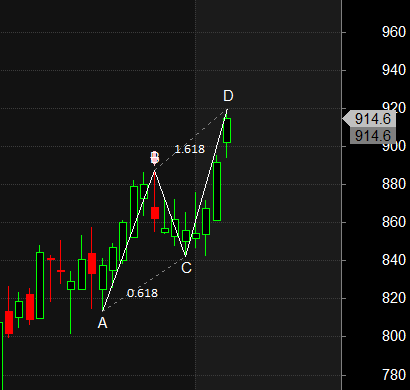
How to Use Fibonacci Time Zones for Smarter Trade Timing
1. Identify the Right Market Conditions
Fibonacci Time Zones work best in markets with clear trends and well-defined swing points. Sideways or choppy markets may produce unreliable signals.
2. Combine with Other Indicators for Confirmation
Pairing Fibonacci Time Zones with indicators like Moving Averages, RSI, MACD, or Bollinger Bands helps validate potential trading opportunities.
3. Use on Higher Timeframes for Greater Accuracy
Fibonacci Time Zones tend to provide more reliable signals when applied to daily or weekly charts, as shorter timeframes are often subject to noise and randomness.
4. Wait for Price Action to Confirm Before Entering a Trade
Instead of placing a trade solely based on a Fibonacci time projection, wait for price action confirmation, such as a candlestick pattern or a breakout above resistance.
Example of a Strategy Incorporating Fibonacci Time Zones:
- Identify a key market turning point (major high or low).
- Apply Fibonacci Time Zones to project potential future turning points.
- Wait for a price action confirmation at a projected time interval.
- Validate the setup using a secondary indicator like MACD or RSI.
- Execute the trade if all conditions align, placing a stop-loss below recent support or resistance.