Germany’s Election Leaves Markets Watching as Friedrich Merz Seeks Coalition
Friedrich Merz’s election victory marks the start
of a new political era for Germany, but his path to governing is anything but
clear. His party secured the most votes in Sunday’s election,
but without an outright majority, he must navigate complex coalition talks, Reuters reported.
With economic troubles mounting and geopolitical tensions rising, Germany’s
prolonged political uncertainty could have far-reaching consequences.
A Fractured Political Landscape
Merz’s conservative alliance received around 29% of
the vote, a strong showing but not enough to govern alone. With the outgoing
Chancellor Olaf Scholz’s Social Democrats (SPD) capturing a significant share
of the vote, Merz will likely need to bring them into his coalition.
However, the real challenge lies in whether a third
party will be required to secure a parliamentary majority. The Greens, with
12%, and the pro-business Free Democratic Party (FDP), hovering near the 5%
threshold, are potential coalition partners.
Friedrich Merz is on track to become German chancellor after his conservative CDU polled the most votes in Sunday’s election, while the AfD made the biggest gains for the far-right in 80 years pic.twitter.com/xh5bVbmdUF
— TRT World (@trtworld) February 24, 2025
Merz has campaigned on tax cuts, particularly reducing
business levies from 30% to 25% while easing the burden on households. However,
the SPD and the Greens favor tax hikes on higher incomes, making compromise
inevitable.
If the FDP joins the coalition, they are expected to
push for lower taxes and resist any reforms to Germany’s strict “debt
brake,” which limits government borrowing. These conflicting fiscal
visions could prolong negotiations, delaying much-needed economic stimulus as
Germany faces its third year of economic stagnation.
Germany’s election also highlighted growing voter
discontent with mainstream parties. The far-right Alternative for Germany (AfD)
secured about 20% of the vote, while the far-left Die Linke took 9%, reflecting
political fragmentation.
Economic and Fiscal Policy at a Crossroads
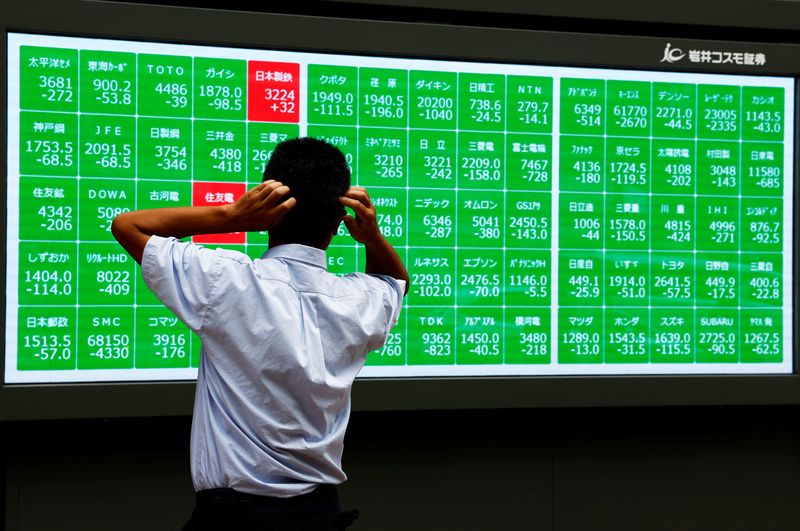
Despite the uncertainty, Germany’s stock market
reacted positively, with the DAX index rising 0.6% on Monday. However, the
market remains cautious, particularly given Germany’s reliance on global trade.
The specter of a potential trade war, especially under
a possible second Trump presidency in the U.S., continues to weigh on
valuations.
Merz’s post-election
remarks signaled a shift in Germany’s foreign policy stance. Traditionally a
strong US ally, Merz questioned Washington’s commitment to European security,
particularly in light of Trump’s recent comments on NATO.
This article was written by Jared Kirui at www.financemagnates.com.
Source link