Greenland Tensions, Tariphobia, and A Snap Election in Japan Rile Investors – Currency Thoughts
Greenland Tensions, Tariphobia, and A Snap Election in Japan Rile Investors
January 20, 2026
President Trump’s relentless obsession with acquiring Greenland has shaken investor confidence to the roots. The seemingly delusional threat to do whatever it takes to get this done hadn’t been taken seriously until recently. Would a U.S. president really mimic the behaviors of the Chinese and Russian leaders vis-a-vis Taiwan and Ukraine? After linking Greenland’s annexation to being denied the Nobel Peace Prize and to the irresistibility of a legacy alongside those few American presidents famous for accomplishing major land acquisitions, it’s now clear that Trump is deadly serious about this goal.
Tensions over this geopolitical conflict have been all the more amplified by the threat of draconian tariffs in his efforts, and the obstacle to realizing his intent is coming from Europe, heretofore America’s oldest and most reliable partner. At the height of Tariphobia last year in April right after huge tariff threats were announced on “liberation Day” early that month, the ZEW Institute indices of investor confidence toward Germany and the whole euro area hit their annual low points of -14.0 and -18.5, respectively. Before Trump’s renewed threat of massive tariffs against many European countries, this indices rose last month to 54-month and 18-month highs of +59.6 and +40.8, respectively. European leaders now face the choice of destroying NATO or absorbing a large economic shock.
All four major U.S. stock market indices tumbled over 1% in the first 15 minutes of trading. Asian share prices closed down 1.3% in India, 1.1% in Japan, 0.8% in Indonesia, and 0.7% in Australia. European stock markets have taken big hits as well.
The dollar has sunk 0.8% on a weighted basis, led by drops of 1.0% against the Swiss franc, 0.8% versus the euro and 0.7% vis-a-vis the kiwi. Bitcoin is down 1.9%. Ten-year sovereign debt yields alternatively have risen nine basis points in Japan, six basis points in the United States and Great Britain, and four bps in Germany, France and Spain.
Today’s other consternation stems from Japanese Prime Minister Takaichi’s decision to dissolve parliament’s lower house and call early snap elections for all 465 seats in the chamber to be held on February 8th. Her decision was not a large surprise. She’s been in the position only a short time and seeks a fresher mandate to pursue her goals of a more nationalistic defense policy and stimulating fiscal policy with lower taxes and higher expenditures. Snap elections create two uncertainties. Japan already has a huge fiscal debt and a continuing very large deficit. Also, early elections in parliamentary systems can backfire when the public sees the move as politically motivated. The previous Japanese election in October 2024 also was held before its scheduled time and resulted in the ruling Liberal Democratic Party winning its second fewest seats. In France, for another example, President Macron’s current political problems were greatly magnified after snap elections gave Macron’s alliance fewer seats than the far-right National Front and left the government with an effectively hung parliament prone to fragility.
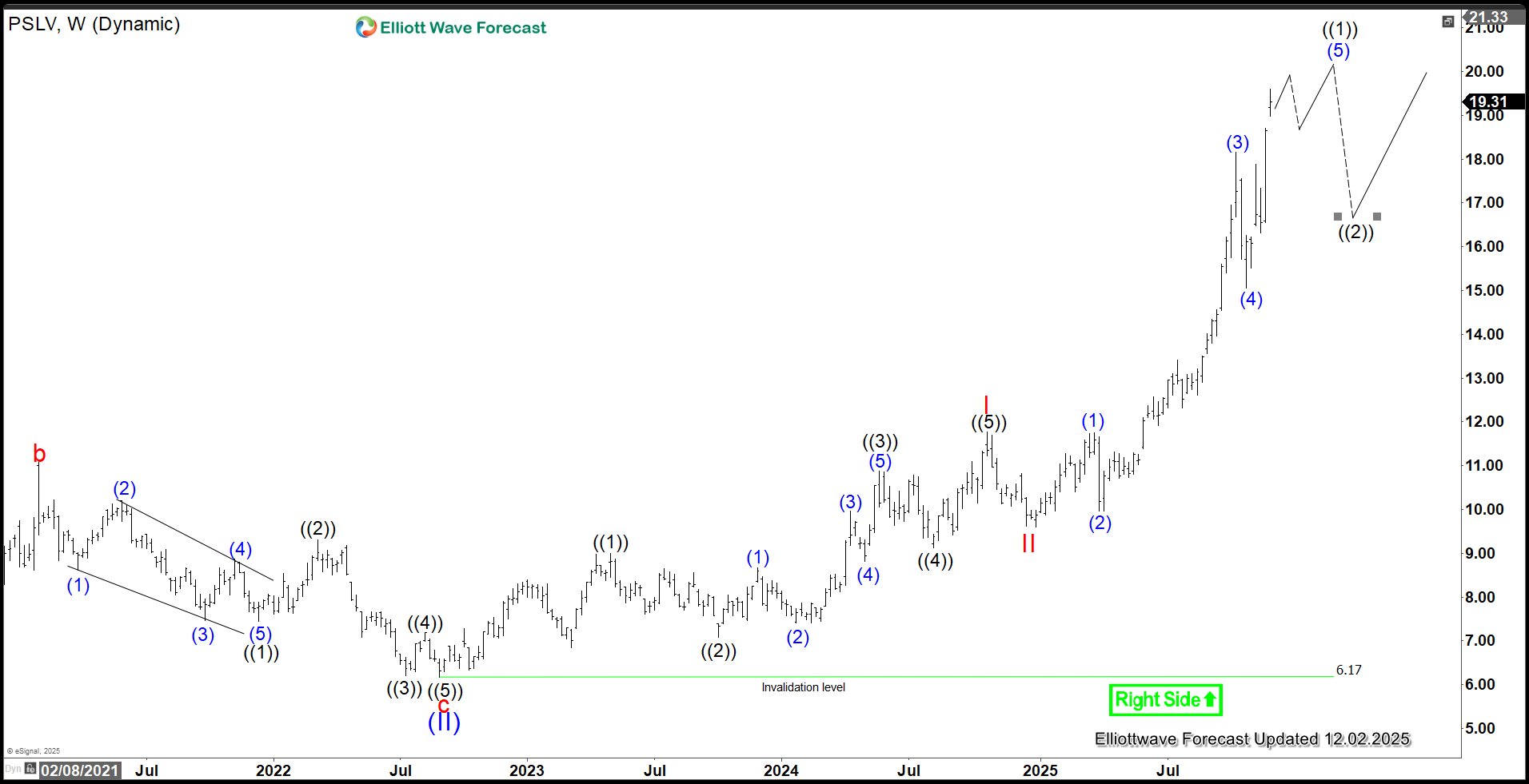
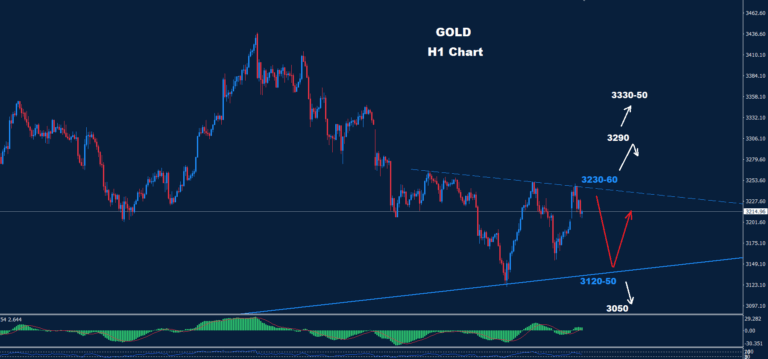
Precious metal prices in today’s maelstrom of uncertainty have against been the big winner, with gold and sliver climbing so far today by 3.2% and 6.9%.
As expected, the People’s Bank of China’s 1-year and 5-year Loan Prime Rates were again left unchanged at 3.0% and 3.5%, respectively. China matched the government’s 2025 growth target of 5.0%, and CPI inflation of 0.8% in December constituted a 34-month high. The trade surplus exceeded $1.0 trillion last year, and monetary growth has been ample.
New Zealand’s composite and service sector purchasing manager indices ended 2025 with December readings of a 38-month high of 53.7 and a 31-month high of 51.5.
Britain’s latest batch of labor market statistics include a 17.9k rise in the job claimant count (most in 19 months); a jobless rate of 5.1% in September-November, up from 4.8% in the prior three months ending in August and 4.4% a year earlier; a small pace of employment growth (up 27k in September-November; and lessening on-year wage growth in the latest three month period of 4.7% overall and 4.5% excluding bonuses.
Euroland current account surplus was only EUR 8.6 billion in November, down from EUR 26.7 billion in October and its smallest level in over a year. The unadjusted surplus in the last 12 reported months equaled 1.7% of GDP, down from 2.8% of GDP in the previous dozen months.
German producer prices, down 2.5% between December 2024 and December 2025, was its most deflationary reading in ten months and below zero percent for the 26th time in the last 30 months.
Switzerland’s combined PPI/import price index fell 1.8% year-on-year in December, with both domestic PPI (-1.3%) and import prices (-2.8%) further below 0% than in November.
South Korean PPI inflation last month of 1.9% matched November’s 16-month high.
Portuguese PPI inflation of -3.2% last month followed a November reading of -3.4% and compared to a mid-2022 high of 22.4% and a 2025 low of -4.3% in August.
Estonian PPI inflation of -0.5% last month was its lowest since January 2025.
Georgian producer price inflation in December matched November’s 6.1% reading, roughtly halfway between 9.3% in mid-2024 and 3.0% in mid-2025.
Copyright 2026, Larry Greenberg. All rights reserved.
Tags: Euroland current account and investor sentiment, Peoples Bank of China, Swiss producer prices and import prices


 ShareThis
You can leave a response, or trackback from your own site.