Happy New Year in Chinese and Other Greetings to Celebrate Chinese New Year
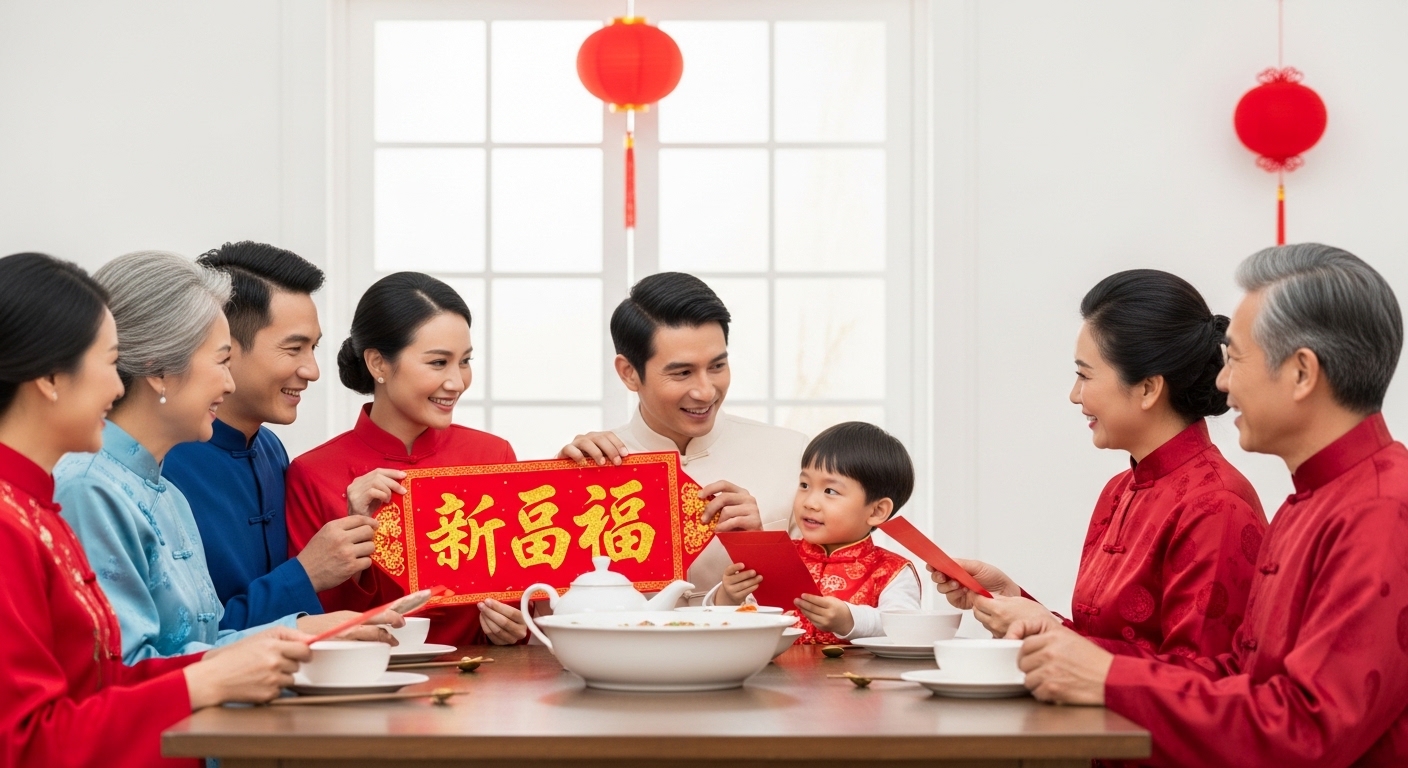
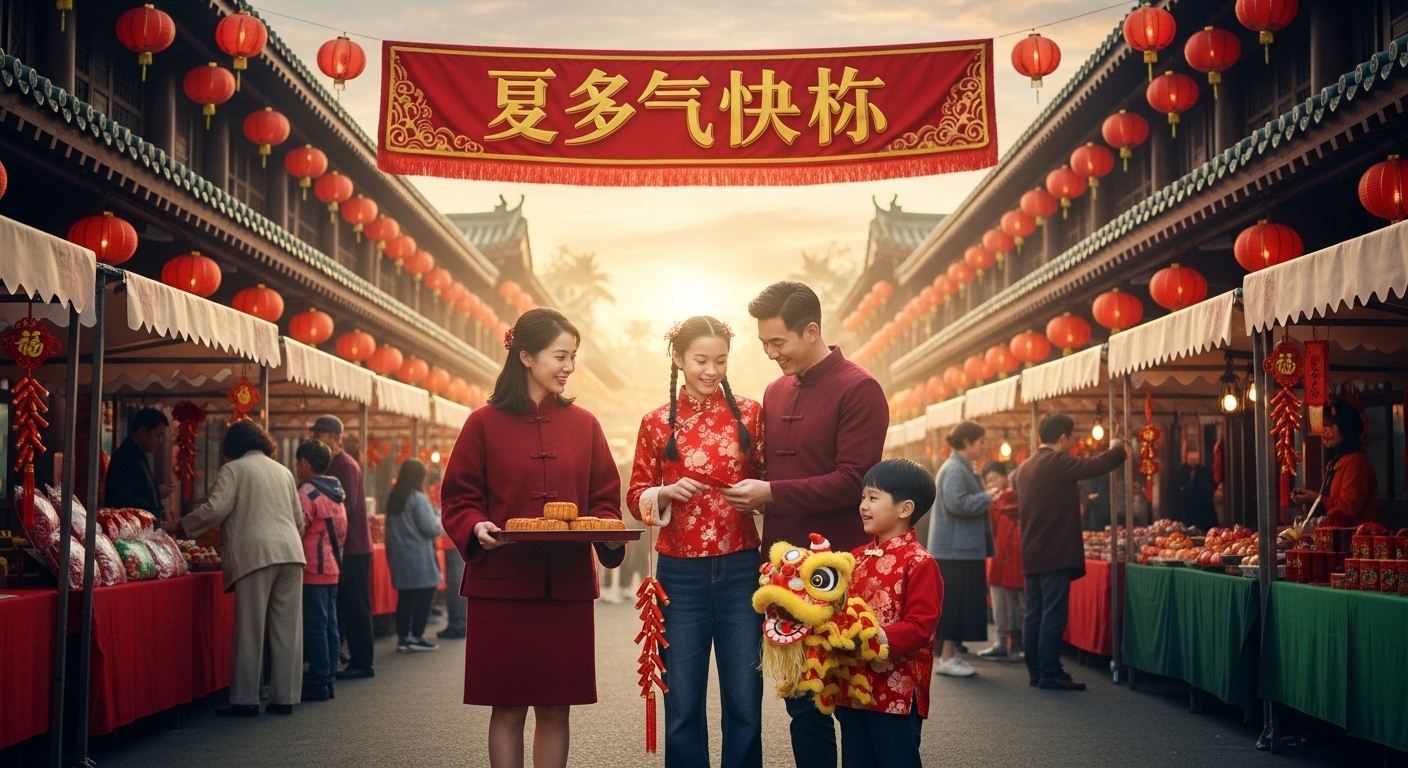
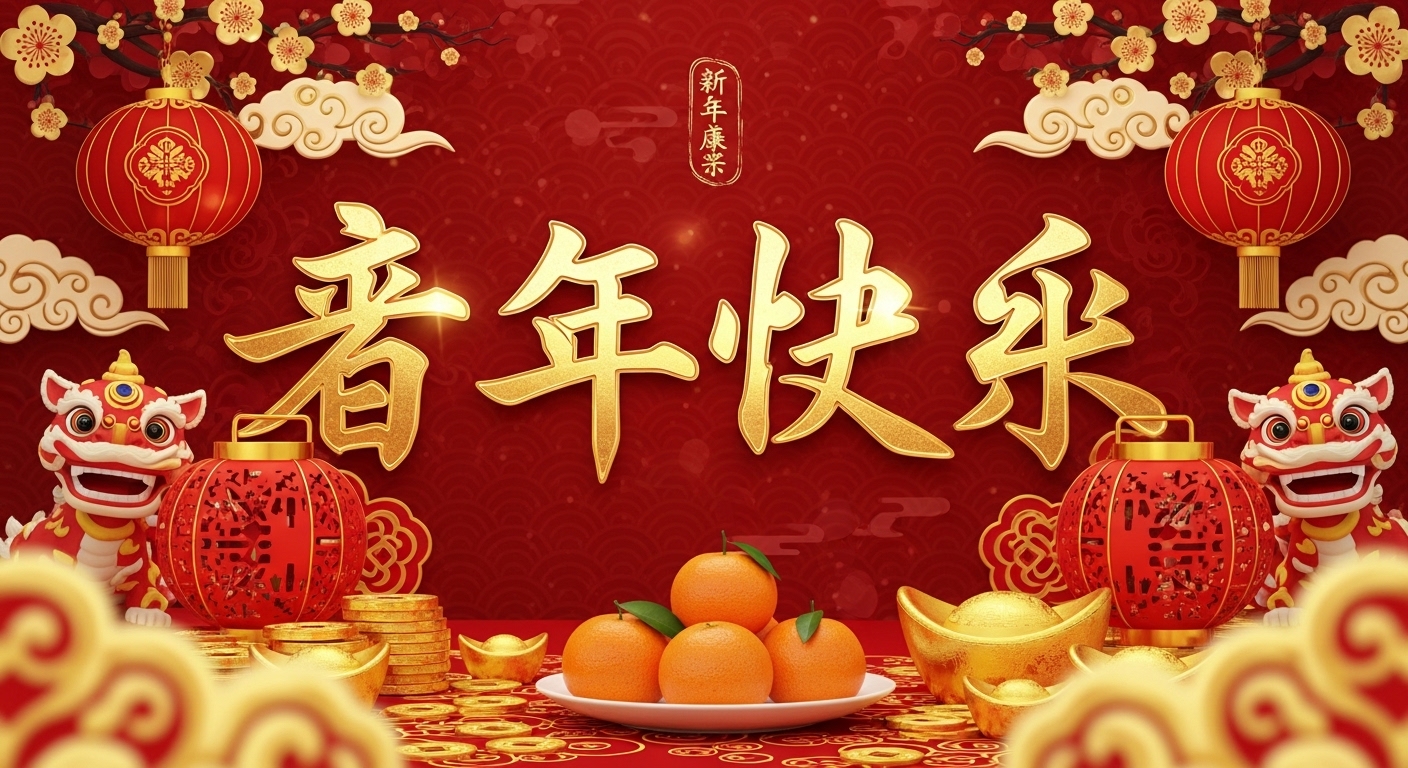
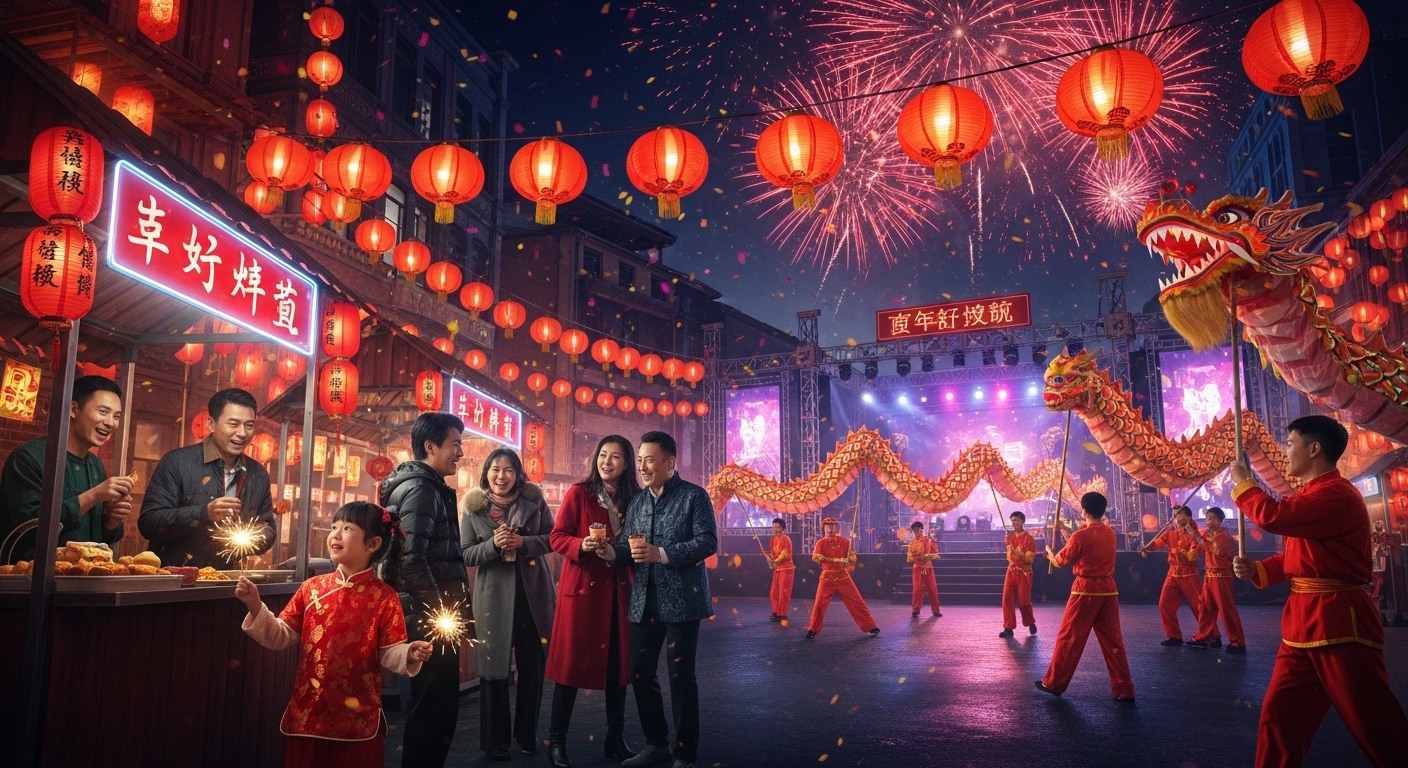
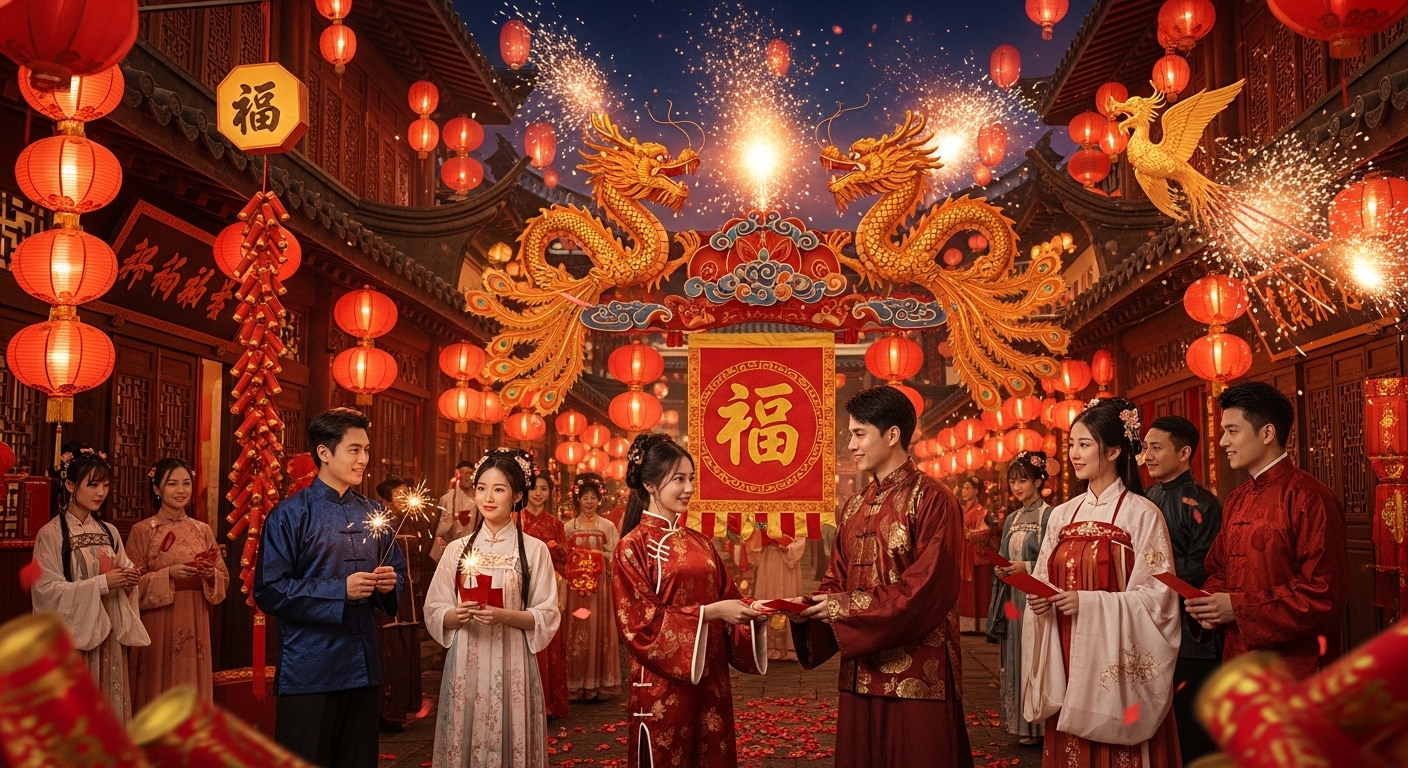
Chinese New Year, also known as the Spring Festival, is one of the biggest holidays in Chinese culture. Unlike the Western New Year, which is celebrated on January 1st, the Chinese New Year doesn’t have a fixed date. Instead, it is celebrated sometime between late January and mid-February, based on the lunar calendar. So, if you want to wish someone a happy new year in Chinese, it’s essential to learn the appropriate greeting for this significant occasion. Let’s explore how to say Happy New Year in Chinese and learn a bit more about the traditions surrounding this celebration.
The Significance of Chinese New Year
The Chinese New Year marks the start of the new year according to the Chinese calendar. The date of Chinese New Year is determined by the lunar calendar, which is based on the monthly cycles of the moon’s phases. It’s a time for family reunions, celebration, and reflection. People exchange red envelopes, filled with money, as symbols of good fortune and prosperity. Fireworks light up the sky to drive away evil spirits and ensure good luck in the coming year. It is believed that the way you celebrate Chinese New Year will set the tone for the rest of the year. Chinese New Year is also known as the Spring Festival in China.
The Spring Festival is also about renewing bonds and hoping for a fresh start. During this time, families focus on health, wealth, and happiness. The Chinese people welcome the new year with open hearts, hoping it will bring them success and good fortune.
Common Chinese New Year Greetings
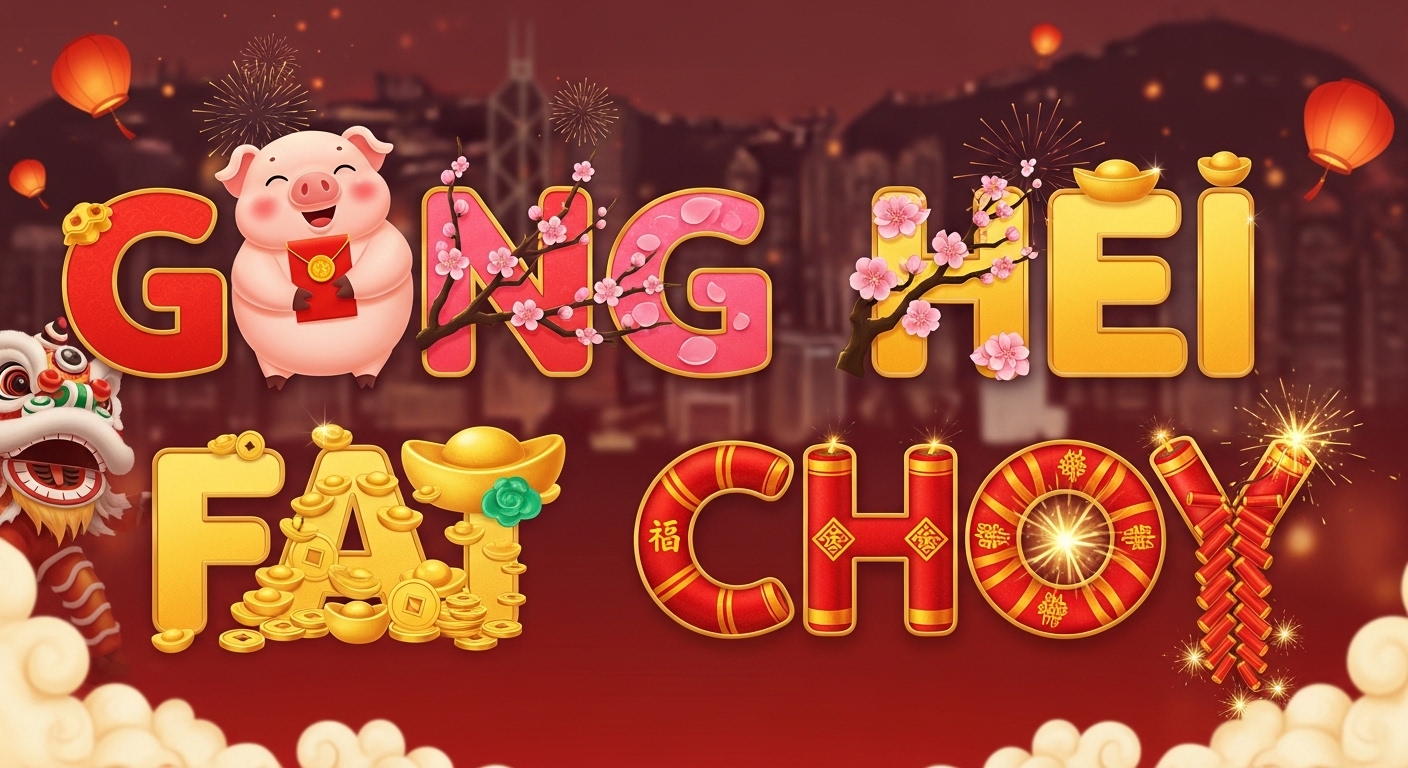
When you think of the Chinese New Year, the first thing that comes to mind is probably how to greet people during this celebration. There are several ways to wish someone a happy new year in Mandarin and Cantonese. In Cantonese, a common way to say ‘Happy Lunar New Year’ is ‘Gong hei fat choy‘ (恭喜发财), which means ‘Wishing you happiness and prosperity’. Let’s start with the basics!
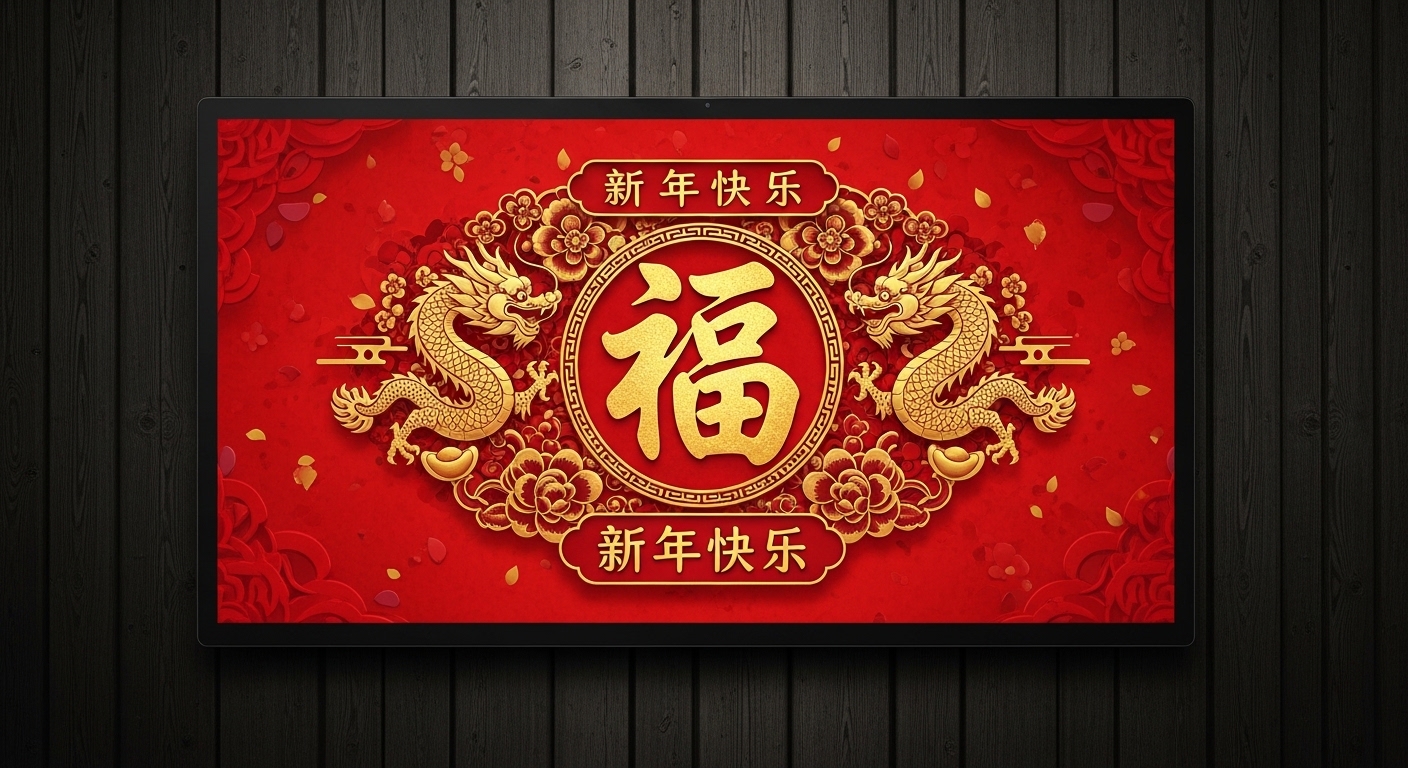
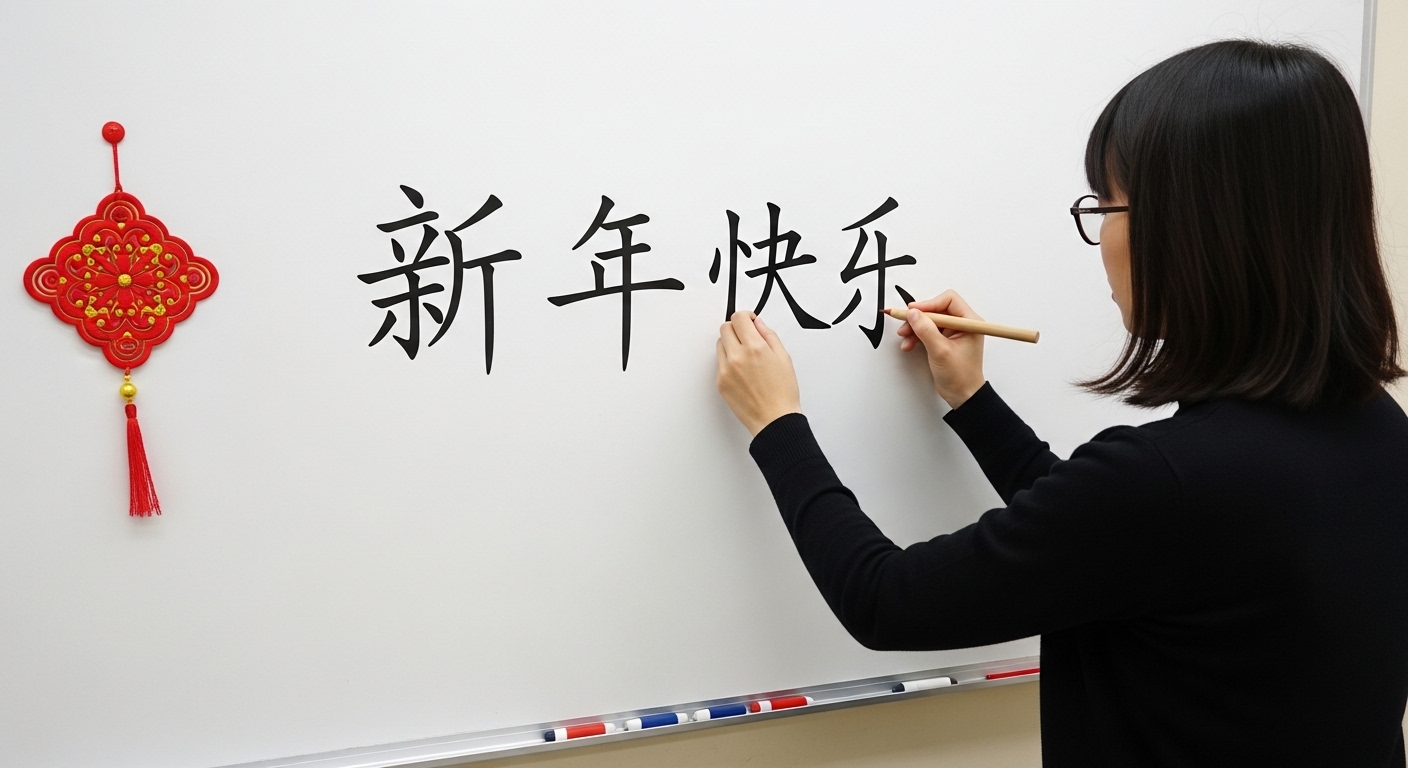
“Xīn nián kuài lè” (新年快乐)
The most popular greeting in Mandarin is “Xīn nián kuài lè”. It literally translates to “Happy New Year” and is the standard way to greet someone during the Spring Festival. This greeting is used widely across China, regardless of the region.
“Gong xi fa cai” (恭喜发财)
If you’re celebrating with someone from a Cantonese-speaking background, you might hear “Gong xi fa cai”. This greeting means “Wishing you wealth and prosperity” and is widely used in Hong Kong and Southern China. It’s a great greeting for wishing someone success in business or finances.
“Chūn jié kuài lè” (春节快乐)
Another common greeting, particularly in Mandarin, is “Chūn jié kuài lè”, which translates to “Happy Spring Festival”. It’s a more festive way of greeting someone during the Chinese New Year period, emphasizing the importance of the festival itself.
A Fun Cantonese Twist: “Gong Hei Fat Choy”
In Cantonese, you may also hear “Gong Hei Fat Choy”, a version of “Gong xi fa cai”. The meaning remains the same: “Wishing you happiness and prosperity”. This is a greeting that you’ll often hear during family gatherings and when exchanging red envelopes. Receiving a red envelope is a common practice during Chinese New Year, usually containing money given to children by elders. It’s also common to say “Gong hei fat choy” with a smile, as the Cantonese are known for their warm and friendly approach to the holiday season.
More Greetings to Spread the Joy
If you’re looking for additional ways to wish someone well during the Chinese New Year, here are some other popular phrases you can use:
- “Zhù nǐ gōng xī fā cái” (祝你恭喜发财) — “Wishing you wealth and prosperity.”
- “Jiàn kāng ruì” (健康瑞) — “Wishing you good health.”
- “Shēn tǐ jiàn kāng” (身体健康) — “Wishing you good physical health.”
- “Bào zhī xìng fú” (报知幸福) — “Wishing you happiness.”
Each of these greetings carries well wishes for different aspects of life, from health to prosperity. You can use them in various contexts to show that you care about your loved ones’ well-being.
The Tradition of Red Envelopes
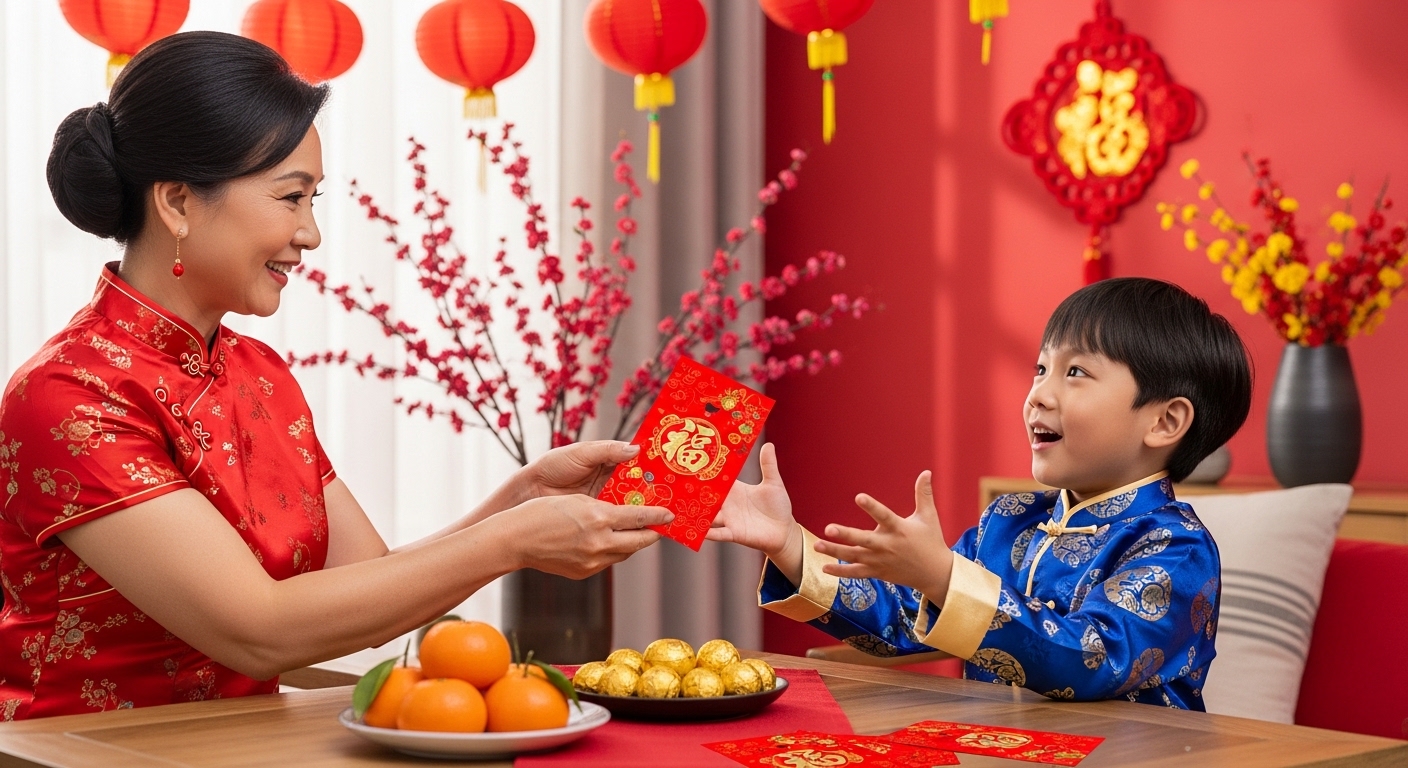
One of the most beloved customs during Chinese New Year is the exchange of red envelopes (“hongbao” or “li shi” in Mandarin). These envelopes are often filled with money and are given to children, younger relatives, and employees. The money symbolizes luck, wealth, and prosperity, and the red color is believed to ward off evil spirits and bring good fortune.
When you give or receive a red envelope, it’s customary to say “Gong xi fa cai” or “Xīn nián kuài lè” as a way of wishing the recipient a happy and prosperous year ahead.
READ ALSO: Chinese New Year 2026: How Should You Celebrate?
The Meaning of Chinese New Year Greetings
In Chinese culture, the words used during Chinese New Year carry deep meanings. Each greeting reflects the core values of family, prosperity, health, and good fortune. Saying “Xīn nián kuài lè” isn’t just about wishing someone a happy new year; it’s about wishing them a year filled with peace, success, and good health.
The use of Mandarin Chinese or Cantonese greetings is also a way to show respect for the culture. For instance, in China, the phrase “Xīn nián kuài lè” is the standard, while Cantonese speakers use “Gong xi fa cai” more often. These language differences add depth to the celebrations, and understanding these nuances makes you a part of the celebration.
The Role of Family and Reunions
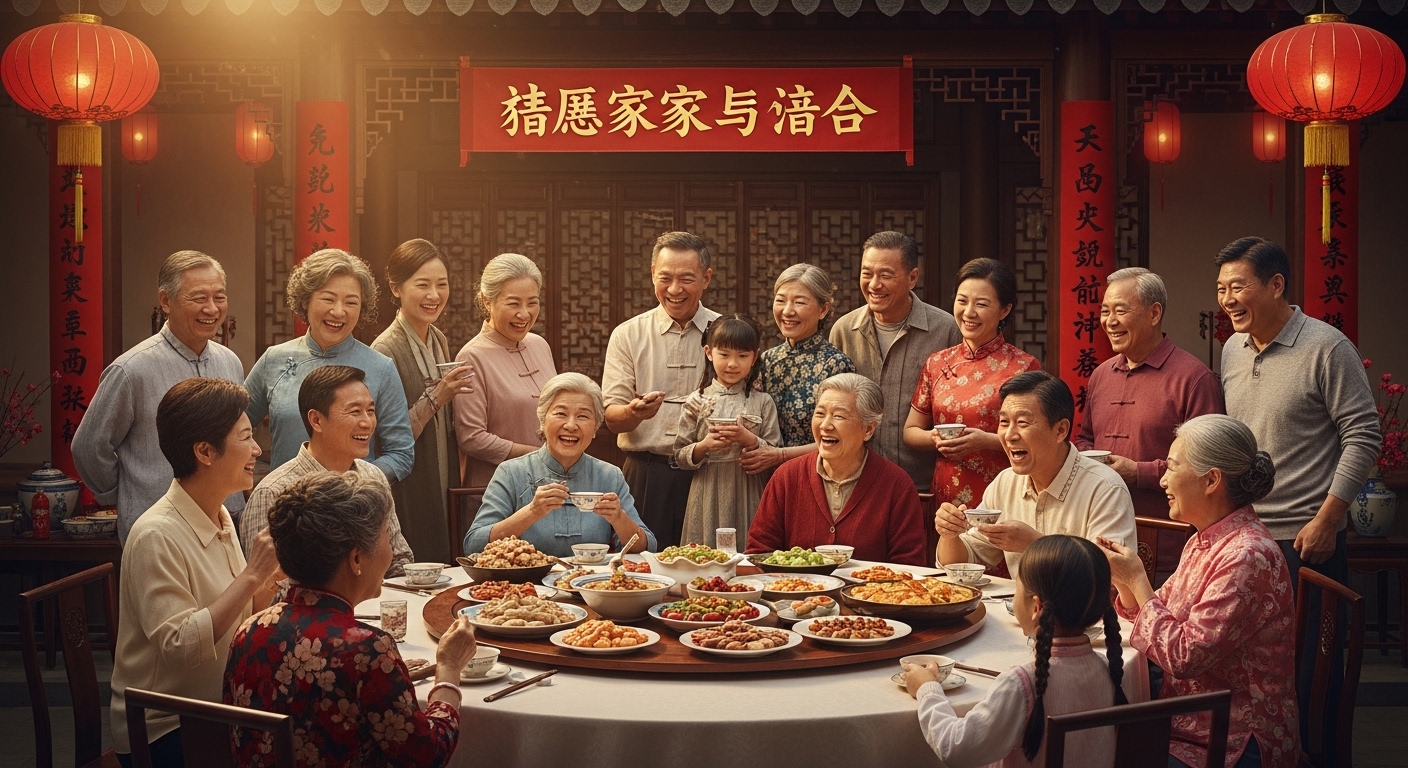
Chinese New Year is much more than just a time for greetings and celebrations. It’s also a time for families to reunite. Family plays an essential role in Chinese culture, and the Spring Festival is the biggest holiday for family gatherings. The tradition of watching ‘Chun Wan’, or the ‘Spring Festival Gala’, has become common during Chinese New Year celebrations. Whether near or far, Chinese people make it a priority to return home to celebrate with their loved ones. The reunion dinner on New Year’s Eve is a key tradition, where families come together to share a special meal and reflect on the year gone by.
READ ALSO: Handy Tips To Learn Cantonese Online: 2024
Wishing Good Health and Prosperity
One of the most heartfelt wishes during Chinese New Year is for good health. Whether you say “Shēn tǐ jiàn kāng” (身体健康) or “Jiàn kāng” (健康), these greetings reflect the deep care that Chinese people have for one another. Health is seen as the foundation of a prosperous year, and wishing someone well physically is as important as wishing them wealth or happiness.
New Year’s Eve: The Celebration’s Heartbeat
The Spring Festival begins with New Year’s Eve, or “Chūn yè“ (春节夜), the most important time of celebration. Families gather for a massive Reunion Dinner, enjoying traditional dishes like dumplings and fish. Fireworks light up the sky to mark the beginning of a new year and scare away evil spirits. The night is filled with anticipation as families wait for the arrival of the new year.
How to Write “Happy New Year” in Chinese Characters
If you want to impress your friends during Chinese New Year, try writing “Happy New Year” in Chinese characters. It’s simple: “新年快乐” (Xīn nián kuài lè). The character “新” means “new”, “年” means “year”, and “快乐” translates to “happy”. This classic greeting is perfect for sharing joy and good fortune.
READ ALSO: Best Way To Learn Mandarin: Better Guide For All Levels [2026]!
Celebrating a Happy New Year in Chinese Style
The Chinese New Year is a time for celebration, family, and well wishes. Whether you’re saying “Xīn nián kuài lè” or “Gong xi fa cai”, these Chinese New Year greetings are a way to share happiness, good health, and prosperity. As you celebrate, remember the deeper meanings behind these words. From red envelopes to family reunions, the Spring Festival is a rich tradition that brings people together to reflect on the past year and look forward to the future with hope and joy.
Happy New Year in Chinese to you and yours! May the year ahead bring happiness, good fortune, and success.
UP NEXT: 11 Most Beneficial Cantonese Podcasts For 2024
Source link