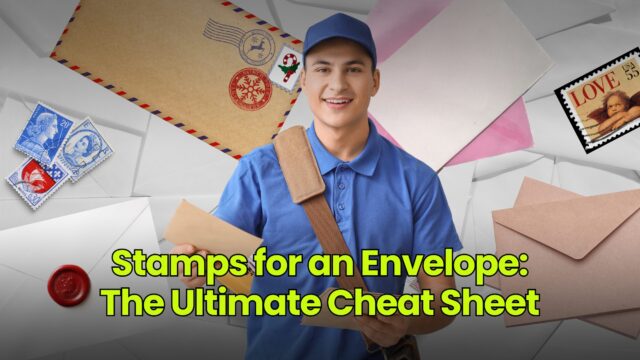
Stamps for an Envelope: The Ultimate Cheat Sheet



Let’s get real for a second — stamps for an envelope shouldn’t be this complicated, right? But trust me, it totally is. There’s a whole world of envelope sizes, weights, shapes, and secret rules that no one warned us about. And if you’re just slapping a forever stamp on everything and praying it gets there, well… bless your optimistic little heart. Knowing what kind of stamp to use, especially for first class mail, can save you money, time, and some major embarrassment when your letter comes boomeranging back marked “insufficient postage.”
The thing is, not all envelopes are created equal. Some are thick, some are square, some are practically tiny suitcases. Each one has its own postage needs, and the postal service is not shy about charging more for anything that doesn’t fit their perfect rectangle fantasy. That’s why understanding postage, from forever stamps to additional ounce charges, is essential if you want your mail to actually arrive. And let’s be honest — no one wants to deal with the post office more than they have to.
We’re talking standard letters, large envelopes (also called flats), postcards, and even the occasional sassy square card that needs a little extra love. This guide is going to break it all down in plain, non-boring English. You’ll know exactly how many stamps you need, what kind of stamp works best, and where to stick it (the upper right corner, duh). You’ll never fear mailing day again.
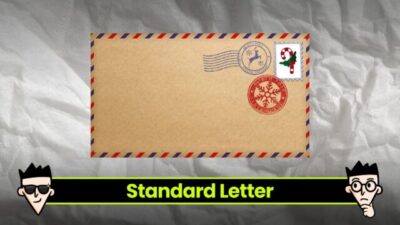
The Standard Letter
Ah, the standard letter — the reliable queen of the mailing world. She’s neat, rectangular, and doesn’t cause drama. If your envelope is under one ounce and not doing anything wild like being too thick or too stiff, one forever stamp will do the trick. That’s your golden ticket for most first class mail. It covers the first ounce, which is usually more than enough for your average love note, invoice, or grandma’s birthday card.
Now if your letter is getting a little chunky — maybe you’ve added extra paper, a few photos, or a small gift card — you’ll need to add an additional ounce stamp. The postal service doesn’t mess around when it comes to weight. If your envelope tips past the one ounce mark, you’re gonna need more postage. So weigh your letter before you slap on that forever stamp and call it a day. Trust me, it’s cheaper than having it returned with attitude.
A standard letter must also be flexible, not too rigid, and fit their size guidelines. If your envelope is square or extra thick, it might get hit with a non machinable surcharge. That’s a fancy way of saying the machines don’t like your envelope’s vibes, and the post office wants more money to hand-sort it. And no, one stamp won’t cut it in that case.
So before you drop your letter in the mailbox, do a quick check. Is it under one ounce? Is it rectangular and flexible? If yes, you’re good to go with one forever stamp. If not, it’s time to do a little postage math. And don’t worry, I’ll help you through it.
Large Envelopes aka Flats
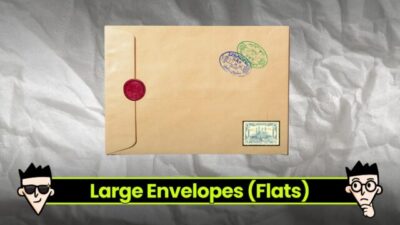
Large envelopes — or as the post office calls them, flats — are the big sisters of the mailing world. They’re often used for important documents, oversized cards, or anything that doesn’t want to be folded. But with that size comes extra responsibility (and yep, extra postage). These babies can’t get away with just one forever stamp unless they’re extremely light and magical. Most of the time, you’ll need more stamps based on the weight and size.
The price for large envelopes starts higher than for a standard letter. For each ounce, you add another stamp or additional ounce stamp, depending on what you’ve got in your stamp stash. If you’re mailing something that’s three ounces, you’re not just throwing three forever stamps on it blindly. The smarter move is to calculate the exact postage based on the current postage rate, so you don’t overpay. And yes, large envelopes flats must still be flexible and not exceed the maximum thickness or weight.
A flat has to be under 13 ounces, or the postal service is gonna treat it like a small package. And let me tell you, packages get a whole new pricing chart and energy. If your envelope is stiff, thick, or has uneven contents, the post office might charge you more even if the weight is under the limit. The shape rules still apply — rectangular wins, weird shapes cost more. It’s like envelope beauty standards, honestly.
So when you’re working with a large envelope, break out your kitchen scale and don’t guess. Forever stamps can be used, but make sure you’re using the right amount. Large envelope = large chance of getting it wrong if you don’t double check. Be smarter than the stamp confusion, my friend.
READ ALSO: Are You Sending The Right Message?
Small Packages and Thick Mail
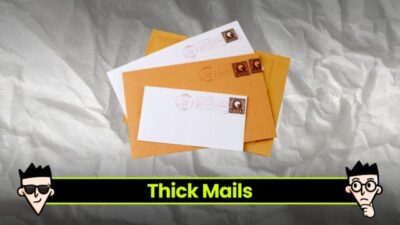
Now let’s talk about the rebels — the envelopes that try to pass as letters but are basically tiny packages. If your envelope is too thick, too heavy, or just built different, it officially becomes a small package. And yes, that changes everything. No more forever stamps and vibes — now we’re entering the world of shipping rates, packaging fees, and postal attitudes. Buckle up.
A small package usually weighs more than 13 ounces or is oddly shaped. If it doesn’t bend, has bulky contents, or exceeds the maximum thickness for flats, it needs to be treated as a package. You can still use stamps, but you’re going to need a lot more than one or two. In fact, it might be easier to go to the post office or use their online postage calculator. Better that than overloading your envelope with stamps like it’s a scrapbook.
This is also where you may consider using priority mail instead of first class mail, depending on the weight and urgency. Priority comes with tracking, faster delivery, and packaging options, so sometimes it’s actually a better deal. Don’t let the word “priority” scare you — it can be affordable if you play it smart. Use your local post office or online USPS tools to weigh and price out your mail like a pro.
Mailing thick envelopes or small packages is totally doable once you know what to expect. Measure the size, calculate the weight, and determine if it’s still considered a flat or has crossed into package territory. Forever stamps still have a place here, but you’ll need a serious combo to cover the price. You got this — no more guessing and praying at the mailbox.
International Mail 101
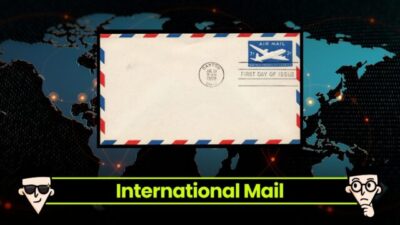
Sending something out of the country? Then you’re diving into international mail territory, and yes, the rules change. The good news? The USPS sells special international forever stamps just for this purpose. These stamps cover up to one ounce to most countries, which is perfect for standard letters and postcards. But if you’re mailing something thicker or heavier, you’ll need to calculate the exact cost based on the destination.
You can’t just slap on a few regular forever stamps and call it a day. Well, technically you can, but it might not be enough, and you risk having it returned. Each country has its own mailing requirements and postage price. Some destinations are more expensive than others, and if your envelope exceeds the maximum weight, you’ll pay even more. Use USPS.com to check the cost before sending — it’s free and saves the headache.
International mail can include everything from personal letters to business documents and even postcards. You’ll want to make sure you label everything clearly, especially the return address. And if you’re mailing photos or anything slightly rigid, double check whether it’s still considered a letter or if it becomes a flat or a package. International shipping doesn’t play.
Don’t forget about customs forms if you’re sending a package. Even something simple can get held up without the right paperwork. Plan ahead, weigh your envelope, and know your destination country’s rules. One international stamp can work magic for small stuff, but anything more than that needs details.
READ ALSO: How to Address an Envelope
Postcards, But Make It Confusing
Okay, here’s where a lot of people mess up. Postcards are adorable, yes, but they don’t use the same stamps as your regular envelopes. They need a postcard stamp — which, surprise, costs less than a forever stamp. But the catch? They have to meet very specific size and shape rules. If your postcard is too big, too small, or too thick, guess what? It’s no longer a postcard — it’s a letter.
To qualify as a true postcard, it has to be rectangular, not exceed the maximum weight, and fall within minimum and maximum size guidelines. Postcards are one of the most affordable mailing options, perfect for travel updates, cute messages, or that “wish you were here” drama. If you’re mailing international postcards, use an international stamp, not a regular postcard stamp. The difference matters — a lot.
If your postcard is rigid, has embellishments, or is oversized, it gets bumped up to first class mail. That means forever stamps or more, depending on the weight. A lot of those fancy travel postcards or handmade ones end up costing more to mail because they’re thicker or oddly shaped. Always measure and weigh if you’re unsure.
You can still use regular forever stamps in place of a postcard stamp, but it’ll cost you more than needed. So unless you’re feeling generous, just use the right one. Postcards may be small, but their postage rules are mighty. And knowing the difference will save you some serious coin.
Non-Machinable, Square, Rigid, and Weird Shapes
Let’s talk about the drama queens of the envelope world. If your mail is square, rigid, or has weird dimensions, it falls under non machinable. This basically means it can’t go through the automatic sorting machines at the postal service. And that means — you guessed it — extra cost. Even if your envelope is light and meets the weight limits, the shape alone can bump the price up.
Square envelopes are super cute, I’ll admit it. Perfect for wedding invites, fancy thank you cards, or artsy notes. But the post office sees them and instantly slaps a non machinable surcharge on there. So that one stamp you thought would cover it? Yeah, it won’t. You’ll need to add more postage just to keep it moving.
Rigid envelopes are another issue. If the envelope can’t bend or has stiff materials like cardboard or thick paper inside, the machines can’t process it. Again, you’re paying extra for the hand-sorting labor. This is where using a forever stamp alone doesn’t cut it — you’ll need an additional ounce stamp or pay the package rate if it gets too bulky.
So here’s the rule: if your envelope is too fancy, too thick, too square, or too stiff, expect to pay extra. It’s not personal — it’s just the postal service being picky. But now you know, and you can plan accordingly. Always check shape, weight, and flexibility before you drop that cute mail into the box. Your wallet will thank you.
Where to Buy Stamps (Other Than the Post Office)
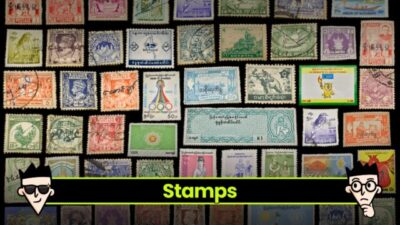
Let’s be real — not everyone has the time or patience to hang around at the post office. Good news: stamps are literally everywhere now. You can buy stamps at grocery stores, drug stores, office supply stores, and even online through USPS. Yup, you can toss a book of forever stamps in your cart right next to the bread and toothpaste. It’s giving convenience, and I’m here for it.
Grocery stores usually keep them at the checkout counter, so just ask. Drug stores like CVS and Walgreens almost always sell them, and the same goes for places like Staples or Office Depot. If you want to avoid the awkward “do you sell stamps?” convo, buy stamps online through the USPS website. They’ve got forever stamps, postcard stamps, and even some cute seasonal ones. Bonus: they deliver to your door so you don’t even have to put on pants.
Now let’s talk about buying them in a sheet versus individually. Buying a full sheet of forever stamps usually means 20 stamps, and honestly, it’s the smarter move. If you’re buying them one at a time, you’re just making life harder for yourself. Plus, buying in bulk can save you from surprise trips when you suddenly need to mail something. Stock up and thank yourself later.
Buying stamps doesn’t have to be a chore. Whether you’re at the grocery store, shopping for printer paper, or chilling at home in fuzzy socks, stamps are within reach. Just remember: forever stamps are always a good investment, especially when the current postage rate keeps going up. Convenience is queen, and you’ve got options.
READ ALSO: 48 Moving Love Messages For Him and Her
Priority Mail vs First Class Mail – What’s the Real Difference?
Let’s clear something up because people confuse this all the time. First class mail is perfect for letters, standard envelopes, postcards, and lightweight flats. It’s budget-friendly, reliable, and works well for things under 13 ounces. But once you start dealing with thicker envelopes, small packages, or things you want to track, priority mail steps in. And honestly? Sometimes it’s worth the extra cost.
Priority mail includes tracking, faster delivery, and built-in insurance. So if you’re sending something important or valuable, go for priority — you’ll sleep better. It’s also great for mailing packages or large envelopes that exceed the weight limit for first class mail. The post office treats priority mail like a VIP — it gets handled with more care and arrives quicker. That’s peace of mind you can’t always get with a single forever stamp.
| Feature | First Class Mail | Priority Mail |
|---|---|---|
| Best For | Standard letters, postcards, small envelopes, light flats | Small packages, heavier envelopes, faster delivery |
| Weight Limit | Up to 13 ounces | Up to 70 pounds |
| Delivery Time | 2–5 business days (not guaranteed) | 1–3 business days (often faster) |
| Tracking | Not included by default (unless upgraded) | Included with every shipment |
| Insurance | Not included | Up to $100 included |
| Cost | Lower, based on weight and size | Higher, based on weight, size, and zone |
| Flat Rate Option | Not available | Available (envelopes & boxes) |
| Includes Packages? | Only small, flat items | Yes, ideal for packages |
| Extras | Great for forever stamps, postcards, standard letters | Great for tracking, insurance, and urgent mail |
| Where to Mail | Mailbox, local post office | Mailbox, post office, or schedule a pickup with USPS |
First class mail, on the other hand, is still a solid choice. It’s cheaper, works great for standard letters and postcards, and gets your mail where it needs to go. Just don’t expect bells and whistles like tracking or priority delivery. It’s basic but dependable — kind of like your go-to hoodie. Use it when you don’t need all the extras.
Knowing when to use each one will save you time, money, and possibly a meltdown at the post office counter. Priority mail isn’t just for big packages — it’s for when you want your mail to arrive fast and without stress. First class is perfect for the everyday stuff. Pick what fits, and you’ll be golden.
Pro Tips to Avoid Delays and Mail Drama
Let’s face it, no one wants their carefully written letter or cute envelope returned like a rejected Tinder match. First things first: always include a return address. It might seem like a small detail, but it’s your safety net in case something goes wrong. A missing address or an incorrect zip code can cause a serious delay or get your mail lost forever. Save yourself the stress and double-check.
Second, always weigh your envelopes — especially if they’re thick or hold extras like photos or cards. Don’t rely on vibes and forever stamps alone. The post office has strict weight rules, and anything over one ounce needs extra postage. Use the USPS postage calculator to be sure you’re covering the right cost. It’s free, easy, and will save you a return-to-sender heartbreak.
Stick those stamps in the upper right corner of your envelope. Yes, it matters. If the stamp’s floating around somewhere weird, the machines can’t process it properly. That could lead to delays or even lost mail. Keep it cute and correct, and always follow the layout your local post office loves.
One more thing: check the current postage rate before you drop anything in the box. Rates change, and using an old forever stamp might not cover it anymore, especially for heavier mail. Be smart, plan ahead, and take your time with your mail prep. It’s worth the few extra minutes to make sure your letter or package arrives drama-free.
Key Takeaway: Know Your Envelope, Save Your Sanity
Here’s the deal — mailing stuff doesn’t have to be a mystery. You don’t need to be besties with your local post office clerk (though honestly, it wouldn’t hurt), but you DO need to know how many stamps to use. Forever stamps are a lifesaver, but they’re not magic. If your envelope is bulky, square, rigid, or heading overseas, you’ve got to play it smarter than just one stamp.
Whether you’re sending standard letters, postcards, large envelopes, or even small packages, knowing the rules makes all the difference. The next time you’re standing over your envelope wondering if it’s good to go, you’ll have the confidence to say, “Yep, I’ve got this.” With a few simple tricks, you can save time, avoid delays, and skip the post office drama. Now that’s what I call a postal win.
UP NEXT: How Do I Send Priority Mail (Flat Rate Mailing Envelope)?
Frequently Asked Questions
How many forever stamps do I need for a large envelope?
For most large envelopes (also called flats), you’ll need more than one forever stamp. A single forever stamp covers the first ounce, but large envelopes often weigh more than that. You’ll need to add additional ounce stamps or combine forever stamps to match the current postage rate. To avoid overpaying or underpaying, always weigh your envelope and use the USPS postage calculator. Remember, if your large envelope is rigid, thick, or square-shaped, it may also need a non machinable surcharge.
Can I use regular stamps for international mail?
Technically, yes — but it’s not always the best move. You can use regular forever stamps for international mail, but you’ll need to calculate how many stamps equal the international rate. The easier option? Use a Global Forever Stamp, which covers up to one ounce to most countries. If your mail is heavier or includes a small package, you’ll need more postage. Always check the current postage rate for international destinations before mailing.
Where can I buy stamps besides the post office?
You can buy stamps in a bunch of places — not just the post office. Check your grocery store, drug store, or office supply stores like Staples. You can also buy stamps online through USPS and have them delivered right to your door. Buying a sheet of forever stamps or in bulk will save you time (and gas money). Always make sure you’re buying from trusted retailers to avoid counterfeit postage stamps.
Source link