How The US Elections Could Affect All Markets – Forex Mentor Pro
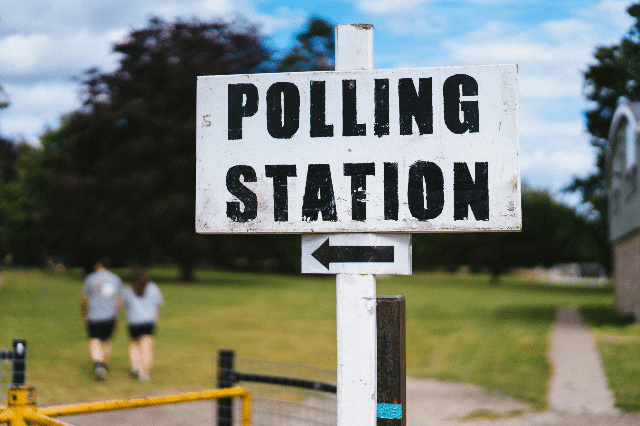
The US election s on 5 November and it could have a significant impact on almost every asset class in some shape or form.
Election cycles can have a significant impact on trading patterns in financial markets. Investors often adjust their strategies based on expected political and economic changes that accompany elections. Here are some common election cycle patterns in trading:
1. Presidential Election Cycle Theory
This theory suggests that U.S. stock market performance tends to follow a predictable pattern over a four-year presidential cycle.
Historically:
Year 1 (Post-Election Year): Markets often exhibit lower returns or even decline as the new administration implements its policies, which might include economic reforms or spending cuts that can be seen as negative for growth.
Year 2 (Midterm Election Year): Historically volatile, midterm years often bring market uncertainty as new policies settle in. However, the second half of the year tends to show stronger performance.
Year 3 (Pre-Election Year): This is often the strongest year for stock markets, as governments focus on stimulating the economy and boosting growth ahead of the next election.
Year 4 (Election Year): Markets tend to be cautiously optimistic as investors speculate on the outcome. Uncertainty can cause some volatility, but returns can improve toward the end of the year once the results are clear.
2. Sectoral Impacts
Certain sectors are more sensitive to changes in political leadership, regulations, and government spending:
Defense and Infrastructure: These sectors often see increased volatility around elections, as policy shifts can lead to changes in government contracts and spending.
Healthcare: Policy changes regarding healthcare coverage or pricing (like Medicare reform) can lead to significant movements in healthcare stocks.
Energy: Energy stocks can be sensitive to election outcomes based on policies related to climate change, oil production, and renewable energy support.
Technology and Financials: These sectors may also be impacted by tax policies, regulations, and trade policies introduced by the incoming administration.
3. Market Volatility
Election cycles, especially in the months leading up to elections, tend to increase market volatility due to:
Uncertainty: Investors are unsure of which policies or regulations will be enacted after the election, and markets dislike uncertainty.
Polling Data Influence: As polling data fluctuates, certain sectors or stocks may experience sharp movements in anticipation of potential outcomes.
4. Partisan Impact
There are perceptions that stock markets may perform differently depending on whether a Republican or Democrat wins the election:
Republicans: Generally perceived as more business-friendly, leading to expectations of lower taxes and less regulation. This can boost market sentiment, particularly for corporations.
Democrats: May prioritize social programs and regulations, potentially leading to expectations of higher taxes or more regulation, which can weigh on certain sectors like financials but may boost others, like clean energy.
5. “Sell in May and Go Away”
This adage refers to the tendency for stock market returns to be lower from May to October, which sometimes coincides with election cycles. Investors may hold off on major decisions until after elections, creating lower liquidity and weaker returns during this period.
Other countries’ elections (e.g., the UK, Germany, or emerging markets) can also affect global markets, especially in interconnected economies. Global trade, defense agreements, and regulatory changes can influence how investors approach international markets during elections.
7. Post-Election Rally or Drop
After an election, markets typically experience a “relief rally” if the outcome is favourable or expected. Conversely, if results bring unexpected changes or uncertainty, there can be a sharp drop. Trading patterns during election cycles are driven by investor anticipation of policy changes, uncertainty, and sectoral impacts. Traders often modify their strategies to hedge against volatility or capitalise on potential market shifts based on likely outcomes.

Kind regards,
Thinus
None of the Forex Mentor Pro team nor its owners (expressly including but not limited to Marc Walton), officers, directors, employees, subsidiaries, affiliates, licensors, service providers, content providers and agents (all collectively hereinafter referred to as “Forex Mentor Pro ”) are financial advisers and nothing contained herein is intended to be or to be construed as financial advice
Forex Mentor Pro is not an investment advisory service, is not an investment adviser, and does not provide personalized financial advice or act as a financial advisor.
Forex Mentor Pro exists for educational purposes only, and the materials and information contained herein are for general informational purposes only. None of the information provided in the website is intended as investment, tax, accounting or legal advice, as an offer or solicitation of an offer to buy or sell, or as an endorsement, recommendation or sponsorship of any company, security, or fund. The information on the website should not be relied upon for purposes of transacting securities or other investments.
You hereby understand and agree that Forex Mentor Pro, does not offer or provide tax, legal or investment advice and that you are responsible for consulting tax, legal, or financial professionals before acting on any information provided herein. “This report is not intended as a promotion of any particular products or investments and neither Forex Mentor Pro group nor any of its officers, directors, employees or representatives, in any way recommends or endorses any company, product, investment or opportunity which may be discussed herein.
The education and information presented herein is intended for a general audience and does not purport to be, nor should it be construed as, specific advice tailored to any individual. You are encouraged to discuss any opportunities with your attorney, accountant, financial professional or other advisor.
Your use of the information contained herein is at your own risk. The content is provided ‘as is’ and without warranties of any kind, either expressed or implied. Forex Mentor Pro disclaims all warranties, including, but not limited to, any implied warranties of merchantability, fitness for a particular purpose, title, or non-infringement. Forex Mentor Pro does not promise or guarantee any income or particular result from your use of the information contained herein. Forex Mentor Pro.com assumes no liability or responsibility for errors or omissions in the information contained herein.
Under no circumstances will Forex Mentor Pro be liable for any loss or damage caused by your reliance on the information contained herein. It is your responsibility to evaluate the accuracy, completeness or usefulness of any information, opinion, advice or other content contained herein. Please seek the advice of professionals, as appropriate, regarding the evaluation of any specific information, opinion, advice or other content.
Marc Walton, owner of Forex Mentor Pro, communicates content and editorials on this site. Statements regarding his, or other contributors’ “commitment” to share their personal investing strategies should not be construed or interpreted to require the disclosure of investments and strategies that are personal in nature, part of their estate or tax planning or immaterial to the scope and nature of the Forex Mentor Pro philosophy.
All reasonable care has been taken that information published on Forex Mentor Pro website is correct at the time of publishing. However, Forex Mentor Pro does not guarantee the accuracy of the information published on its website nor can it be held responsible for any errors or omissions.