
How to Deactivate Instagram for Your Mental Health





Taking time to understand how to deactivate Instagram can feel like reclaiming control over your emotional space. Social media can inspire creativity and connection, yet it can also overwhelm your thoughts when it becomes too loud. When constant scrolling begins to feel exhausting, intentionally stepping back becomes a meaningful act of self-preservation. Protecting your mental health is not avoiding life—it is choosing balance.
Instagram pushes a nonstop flow of visuals, opinions, and trends. Even something harmless can turn draining when repeated endlessly. Just like a song that becomes irritating through overexposure, a feed that never rests can turn excitement into tension. Creating space from that noise opens room for clarity and stillness.
When you deactivate the app, even temporarily, your mind can reset. You reduce the pressure to respond, react, and compare yourself to others. You allow peace to return where chaos once lived. Choosing quiet moments over constant stimulation becomes a powerful commitment to emotional well-being. And that choice matters.
Signs You Need a Break from Instagram
One of the clearest indicators that you need a break is a heavy feeling every time you open the app. If scrolling feels like forcing yourself to listen to something irritating on repeat, it’s a sign your emotional capacity is fading. Instead of joy, you feel tension or disappointment. Protecting your mental space becomes more important than staying updated.
Compulsive checking is another warning. If you open Instagram automatically—without intention or excitement—it suggests dependence rather than enjoyment. When posts stop bringing inspiration and instead feel like endless noise, a pause is healthy. Your energy deserves better than passive consumption.
Comparison also plays a major role. When every image triggers insecurity or self-doubt, it becomes emotionally harmful. Constantly measuring your life against filtered perfection steals confidence and peace. If the app leaves you feeling less instead of supported, stepping away is a strong and necessary decision. Your mental well-being must always come first.
Preparing Yourself Before Deactivation
Before you deactivate, remind yourself why you’re doing it. Set the intention to restore calm, protect your emotional boundaries, and breathe again without constant stimulation. Repeating this purpose helps you stay grounded and confident in your choice. A small moment of reflection prevents hesitation later.
Next, take time to save what you need. Back up photos, conversations, or notes that matter to you so you feel secure stepping away. Removing digital clutter can feel like clearing a crowded room. When everything is organized, the transition becomes smooth and stress-free.
Finally, set a goal for your time away. Decide what you want to gain—rest, creativity, reflection, real-world connection, or healthier routines. Having direction helps prevent drifting back out of habit. A clear intention transforms your break into a powerful emotional reset rather than an impulsive escape. Intent shapes success.
How to Deactivate Instagram Step by Step
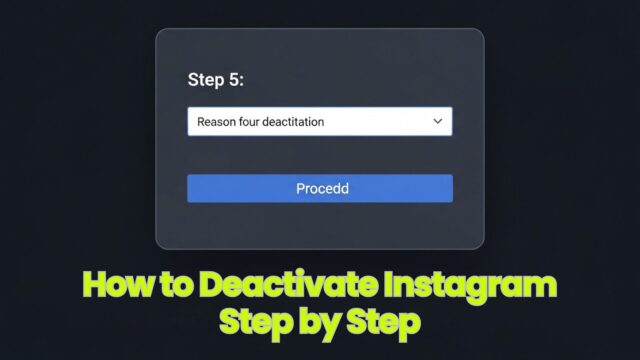
Deactivating Instagram only takes a moment. Log in through a browser, visit your profile, and select Edit Profile. Scroll until you find the option to temporarily deactivate your account. Choose a reason, confirm the action, and your profile disappears from public view. The process is simple and surprisingly relieving.
Your posts, comments, and interactions become hidden instantly. People cannot search for you or view your content. The break creates silence where notifications once demanded attention. That pause is often the first deep breath your mind has taken in a long time.
Use this moment to acknowledge the strength it takes to disconnect. Choosing mental health over digital pressure is an intentional act. You take ownership of your time and headspace again. The quiet that follows is a gift.
READ ALSO: Affiliate Links on Instagram? Here’s the Sneaky How-To
What Happens After You Deactivate
When you deactivate Instagram, nothing is permanently removed. Your account is simply paused and stored securely. All your photos, messages, and videos stay intact. Nothing disappears—it’s only hidden until you decide to return.
Notifications stop completely during your break. No likes, messages, or tags interrupt your day. The silence creates space for rest and reflection. You begin to notice how much energy constant alerts once consumed.
With digital noise removed, your brain regains calm. You reconnect with thoughts that were buried under constant distraction. The world becomes less reactive and more intentional. Stillness becomes healing.
How to Reactivate Instagram When You’re Ready
Reactivating is effortless. When you’re ready, simply log back in through the app or browser. Your account returns exactly as it was—no setup, no rebuilding. Everything reappears instantly, waiting for you when the time is right.
Returning allows you to restructure your digital environment. You can unfollow accounts that cause stress, mute content that drains you, and rebuild your feed to match your values. You create a space that supports your mental health instead of harming it. Control shifts back into your hands.
You also have the chance to establish boundaries from the beginning. Timers, filtered content, and mindful usage help you stay balanced. Instead of scrolling without purpose, you choose intentional interaction. Your peace becomes the priority.
Mental Health Benefits of Taking Time Away
Stepping back from Instagram reduces stress and anxiety. With fewer comparisons and interruptions, your mind quiets. You begin to feel lighter, more grounded, and more confident. Emotional stability becomes easier to maintain without constant external pressure.
Breaks give your brain time to reset. They restore clarity and help you rediscover what truly matters. Time spent offline nurtures real connections and personal growth. You begin to experience life rather than observe it through a screen.
Space from social media builds emotional resilience. You gain perspective and separate your identity from digital validation. You learn to value your voice, your moments, and your experiences without needing an audience. That internal shift is powerful.
What to Do Instead of Scrolling
Use your offline time to choose activities that support balance and joy. Spend time outdoors, read, write, or explore creative hobbies. These moments strengthen mental wellness and provide genuine fulfillment. Real-world experiences nourish you in ways social media cannot.
Reconnect with people in meaningful ways. Conversations without screens feel richer and more authentic. Building real memories fills the emotional space once occupied by comparison. Life becomes more present and less performative.
Even choosing healthier music, content, and routines can transform your mindset. Listen to songs that calm rather than overwhelm. Explore silence without pressure to respond or react. Intentional living replaces reactive scrolling.
READ ALSO: How to Grow your Instagram Followers Without Spending Money?
Protecting Your Mental Space Moving Forward
When you return to social media, curate your environment carefully. Follow accounts that uplift you and disengage from ones that cause emotional strain. You choose the energy you allow into your life. Digital boundaries support a healthier experience.
Limit the time you spend online to prevent slipping into old patterns. Set reminders or specific windows for checking the app. Staying mindful helps protect your focus and emotional stability. Small habits create lasting balance.
Treat your social media use as a tool, not a burden. Use it for creativity, inspiration, and connection rather than validation. When you control your usage, the app loses its power to overwhelm. Your well-being deserves priority.
Coping with Withdrawal After Deactivation
Stepping away from Instagram can feel uncomfortable at first. You might reach for your phone automatically or feel the urge to check what you’re missing. That reaction is normal. Your brain has been conditioned to seek constant updates, and breaking that habit takes patience. Acknowledging those feelings without judgment helps you adjust more smoothly.
One way to cope is by replacing old habits with healthier ones. Start filling your time with restful or productive activities—reading, journaling, exercising, or listening to music that relaxes rather than overwhelms. When you stay actively engaged in your real life, the pull toward social media weakens naturally. Your mind begins to realize that peace feels better than pressure.
Celebrate every small victory. Each hour or day spent without scrolling strengthens your self-discipline and emotional clarity. Over time, the urge fades, and stillness becomes comfortable. Your brain deserves quiet, and learning to sit with silence becomes a powerful step in restoring balance.
Building a Support Network Offline
Support makes the process of stepping away feel less isolating. Spending time with people who understand your goals helps you stay grounded and confident. Whether it’s family, friends, or coworkers, surrounding yourself with real connection replaces the artificial validation of online engagement. Real conversations feel richer than filtered posts.
Finding like-minded communities can also help. Join clubs, attend events, or connect with others around shared passions. Music, art, fitness, or volunteering create new spaces of belonging. These interactions remind you that connection doesn’t require scrolling or comparing. The world offline is full of experiences that feel genuine and supportive.
A strong support network keeps you anchored in what truly matters—presence, growth, and real human connection. When you surround yourself with people who lift you up, you feel less pressure to measure your worth through a screen. Community builds confidence, and that energy strengthens your mental health.
READ ALSO: 14 Tips on How to Get Real Instagram Followers
Source link