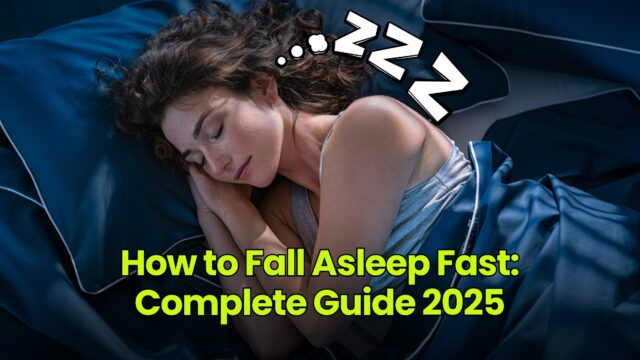
How to Fall Asleep Fast: Complete Guide 2025










Let me guess, you’re lying in bed again, staring at the ceiling, wondering how to fall asleep fast without summoning the sleep fairy herself. You’ve fluffed your pillow, changed your position twenty times, and even tried counting sheep (which, let’s be honest, is a scam). If falling asleep feels like a full-time job with zero benefits, welcome to the club. But listen, this guide is your golden ticket to sleep town, and I’m your sassy tour guide. We’re diving into real tips, none of that “just relax” nonsense, to help you fall asleep fast and finally get that beauty rest your face has been begging for.
Why Can’t You Fall Asleep Like a Normal Human?
Let’s start with the basics: why the heck is it so hard to fall asleep in the first place? Whether it’s stress, bad habits, or that 4 PM coffee you swore would be fine (spoiler: it wasn’t), many of us have trouble falling asleep and staying there. Things like blue light from your phone, inconsistent sleep schedules, and zero chill time before bed can totally mess with your body’s sleep wake cycle. If your circadian rhythm is off, your brain literally doesn’t know when to shut it down for the night. And don’t even get me started on pre sleep cognitive activity, where your brain suddenly wants to replay every embarrassing moment from the last 10 years.
Sleep disorders like sleep apnea or insomnia might also be the culprit if you’re constantly lying awake or waking up like a zombie. If your sleep quality is trash even after a full eight hours, that’s a red flag. Some people have underlying sleep disorders and don’t even know it, which can totally disrupt sleep without warning. Creating a better sleep environment and getting real about your sleep hygiene is step one. Once we fix the “why,” we can move on to the juicy tips to fall asleep faster like a pro.
Tip #1 – Build a Sexy Sleep Routine
Let’s get something straight—your sleep routine should be treated like a date with your bed. You wouldn’t roll up to a hot date in your work clothes and a stress headache, right? A regular sleep schedule sets the stage for high quality sleep and signals your brain that it’s time to wind down. So yes, I want you to romanticize your sleep routine. Think warm showers, soft lighting, skincare, and zero phone drama.
Creating a better sleep routine starts with consistency. Go to bed and wake up at the same time every day, even on weekends (yes, even after bottomless brunch). Your body’s internal clock, aka your circadian rhythm, loves predictability. When your sleep schedule is all over the place, your body doesn’t know when to release melatonin, the hormone that helps you fall asleep quickly. Better habits lead to better sleep and less drama at 2 AM.
Also, stop working in your bed—your brain needs to associate your bed with sleep and nothing else. If you’re having difficulty falling asleep, it’s time to give your brain those consistent signals. Trust me, having a bedtime routine is not just for kids. It tells your body, hey, it’s time for that restful night’s sleep. The more you commit to this, the easier falling asleep fast will become.
Tip #2 – The Magic of Progressive Muscle Relaxation
If you’ve never tried progressive muscle relaxation, you’re missing out on the adult version of a lullaby. It’s basically a “thank you” letter to every tense muscle in your body. You tense and release major muscle groups one by one, helping the body and mind chill out before bed. When your muscles relax, your nervous system calms down too, which can seriously improve sleep quality. And honey, that’s exactly what we want.
Start with your toes, squeeze ’em like you’re trying to crack a nut, then release. Move up to your calves, thighs, booty (yes, your glutes), and keep going up until you reach your shoulder muscles. This whole process not only eases tense muscles but also helps reduce anxiety that’s making it hard to fall asleep. Combine it with some deep breathing exercises, and you’ve got a one-two punch for stress and difficulty sleeping. This method is gold if you’re dealing with unwanted pre sleep thoughts.
Doing progressive muscle relaxation regularly can help improve sleep and even lower your sleep latency—that’s just a fancy term for the time it takes you to fall asleep. Less sleep latency = more REM time, aka that good, dreamy stuff. If you find yourself lying awake night after night, this method might be your new BFF. It’s easy, free, and takes less time than scrolling through Instagram one last time.
Tip #3 – Breathe Like You Mean It, Babe
Okay, let’s talk about breathing—yes, the thing you do all day without thinking about it. When you do it right, deep breathing can literally help you fall asleep faster. And no, I’m not talking about huffing like you’re running a marathon. I’m talking about slow, controlled breathing techniques that tell your nervous system to chill out. We’re aiming for calm, not chaos.
Try this: breathe deeply through your nose for four seconds, hold it for seven, then breathe out slowly for eight. That’s called the 4-7-8 technique, and it’s basically nature’s chill pill. Breathing techniques like this lower your heart rate and reduce anxiety, which is often the sneaky culprit behind difficulty falling asleep. When you practice deep breathing, you’re promoting relaxation and letting your body know it’s time for bed. The more you do it, the easier falling asleep fast becomes.
Breathing exercises are simple, free, and don’t require anything fancy. You can do them lying in bed, sitting up, or even in the shower if that’s your vibe. They help lower cortisol levels, which can seriously improve sleep quality over time. The next time you have trouble sleeping, skip the midnight snack and take some deep breaths instead. Your brain will thank you.
Tip #4 – Create the Right Sleep Environment
Listen, if your bedroom looks like a rave with flashing lights and chaos, you’re not setting the scene for restful sleep. Your sleep environment plays a huge role in how fast you fall asleep and how well you stay asleep. Start by making the room dark—like, blackout curtain dark. Light, especially from electronic devices, can disrupt sleep and confuse your body’s internal clock. And please, get that TV out of your bedroom.
Temperature matters too. A cooler room helps lower your body temperature, which tells your brain it’s time to wind down. Add in some calming scents like lavender or soothing music if that helps you vibe out. This is all part of good sleep hygiene, which you absolutely need if you’re struggling with sleep deprivation or poor sleep hygiene habits. Think of it like curating your own personal sleep sanctuary.
A right sleep environment also means decluttering. A chaotic room leads to chaotic energy, and that’s not helping anyone fall asleep fast. Keep it clean, cozy, and tech-free. Your bed should be for two things only—sleeping and, well, you know. The goal is to train your brain to associate your bed and room with relaxation and rest.
Tip #5 – Quiet Your Noisy Brain
If your brain turns into a drama queen the second your head hits the pillow, welcome to the club. Unwanted pre-sleep thoughts are the worst and can make falling asleep feel impossible. That’s why I swear by the pre-sleep brain dump. Grab a journal and just word-vomit everything that’s bugging you onto the page. It’s messy, therapeutic, and totally underrated.
This helps reduce pre-sleep cognitive activity that messes with your sleep latency and keeps your mind racing. If journaling isn’t your thing, try mindfulness meditation. It’s not about clearing your mind completely, but rather observing thoughts without getting tangled in them. The more you practice mindfulness, the easier it gets to stay calm and fall asleep quickly. Your brain needs this moment of stillness to stop being the main character at bedtime.
Even 10 minutes of quiet time before bed can significantly improve sleep quality. You’ll find yourself falling asleep faster and waking up less throughout the night. This habit is especially useful if you deal with anxiety or have trouble falling asleep due to stress. Give it a shot and turn down the mental volume before you hit the hay. Trust me, your pillow will feel way more welcoming when your mind isn’t screaming at you.
TIP #6 – Try the Military Sleep Method
Alright, buckle up soldier, because we’re about to talk about the military sleep method. Sounds hardcore, right? But don’t worry—this isn’t boot camp. It’s a simple and oddly effective way to fall asleep fast that’s been used by actual military folks who don’t have time for tossing and turning. If it can work in a loud barracks, it can work in your cozy bedroom.
Here’s how it goes. First, relax your entire face, including your tongue, jaw, and the muscles around your eyes. Drop your shoulders as low as they’ll go, then let your arms hang naturally at your sides. Exhale and relax your chest, then your legs, one at a time—from thighs to calves to feet. Now, imagine a calming scene like lying in a canoe on a still lake or lying in a hammock under a starry sky.
The last step? Clear your mind. If thoughts sneak in (and they will), try repeating “don’t think” over and over. Within six weeks of doing this nightly, some people report they can fall asleep in just two minutes. The military method is all about muscle relaxation, mental calm, and building a powerful sleep routine. So, next time you’re lying awake wondering how to fall asleep fast, remember this trick—and drop and give me 20 minutes of snoozing.
TIP #7 – Break Up With Your Phone Before Bedtime
I hate to be the one to say it, but your phone is toxic—especially when it comes to falling asleep. Those electronic devices we’re glued to all day? They’re straight-up sabotaging your chance for a restful night’s sleep. The blue light from screens messes with your circadian rhythm and delays the release of melatonin, which is the hormone that helps you fall asleep fast. Basically, your phone is making your brain think it’s noon when it’s actually bedtime.
If you’re scrolling TikTok in bed, doom-scrolling through the news, or just texting your ex (girl, no), you’re creating the worst sleep environment ever. You’ve got to detach. Try setting a tech curfew an hour before you go to sleep. Put your phone on Do Not Disturb and leave it across the room—out of sight, out of stress.
Instead of falling asleep with your screen lighting up your face, replace that time with something calming. Read a book, stretch, journal, or practice deep breathing. These small changes can improve sleep quality and help you fall asleep faster without all the digital drama. Your phone will still be there in the morning—but your chance at a better sleep might not if you keep letting it run the show.
TIP #8 – Eat, Move, Sleep, Repeat
Let’s be real, what you do all day affects how you sleep at night. If you’ve got trouble falling asleep, your daily habits might need a glow-up. Regular physical activity helps burn off extra energy and stress, making it easier to fall asleep fast when your head hits the pillow. Even a 20-minute walk counts—it doesn’t have to be a gym session that leaves you crying on the floor.
Now let’s talk food, because your late-night snack choices matter too. Spicy chips, energy drinks, and heavy meals before bed? Bad idea. Go for snacks that promote sleep like bananas, almonds, or a warm glass of milk. These foods support your body’s sleep wake cycle and help improve sleep quality without giving you weird dreams or indigestion.
Hydration also plays a role. Dehydration can disrupt sleep and leave you waking up feeling off. On the flip side, chugging too much water before bed? You’ll be up all night peeing. Finding the balance in your physical activity, food, and drink is key if you want to fall asleep fast and wake up feeling brand new.
TIP #9 – Take Supplements
Sometimes, despite your best efforts, you still have difficulty falling asleep. And that’s when it might be time to talk about sleep medicine. Before you roll your eyes, no, I’m not saying jump straight to pills. But for some people, using sleep medicine under the guidance of a doctor can help you fall asleep faster and get better sleep overall. Just make sure you check legit sleep medicine reviews and don’t self-diagnose based on a sketchy YouTube ad.
If your sleep problems have lasted more than a few weeks, or if you suspect a sleep disorder like sleep apnea or chronic insomnia, it’s time to call in a sleep specialist. These pros can create a treatment plan that actually works for your body and lifestyle. Don’t suffer in silence or keep lying awake wondering what’s wrong. Sometimes poor sleep hygiene isn’t the whole problem—sometimes there’s something deeper going on.
Bringing in professional help can improve sleep long-term and even prevent more serious health issues. Whether it’s a sleep study, a prescription, or just learning how to adjust your sleep schedule properly, getting expert support can be a total game-changer. Remember, there’s no shame in asking for help when it means getting the restful sleep your body deserves.
3 Recommended Sleep Aid Supplements
The following are the three ranked supplement products intended to make you fall asleep faster.
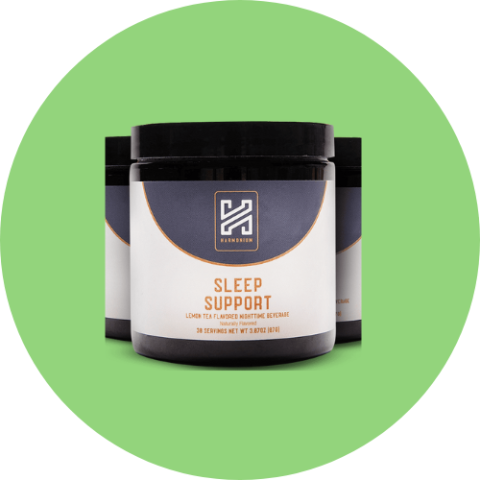
1. Best For Quick Results: Harmonium Sleep Support
If you’re looking for a supplement to help you sleep faster, Harmonium Sleep Support is a great option. This potent supplement contains a variety of natural ingredients that have been shown to be effective in promoting sleep.
For example, Harmonium Sleep Support contains valerian root, which is a popular herb used to treat insomnia. Additionally, the supplement also contains magnesium, which has been shown to be effective in reducing anxiety and promoting relaxation.
Overall, Harmonium Sleep Support is a safe and effective way to help you sleep faster and get the rest you need. If you’re struggling with difficulty falling asleep, this supplement is definitely worth trying.
Shop at Harmonium Sleep Support Official Website
Full Article: Harmonium Sleep Support Reviews 2025: Does it Really Work?
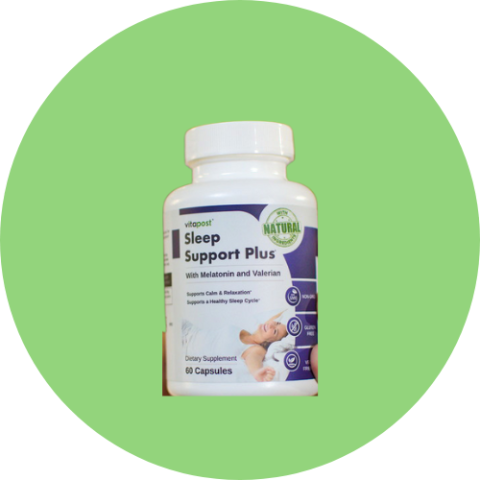
2. Best For Relaxation: Vitapost Sleep Support Plus
Vitapost Sleep Support Plus is another great option for those looking for a supplement to help them sleep faster. This supplement also contains a variety of natural ingredients that have been shown to be effective in promoting sleep.
Sleep Support Plus includes melatonin, which is a hormone that helps regulate the sleep-wake cycle. Additionally, the supplement also contains chamomile, which is a herb that has traditionally been used to promote relaxation and sleep.
Overall, Vitapost Sleep Support Plus is a safe and effective way to help you sleep faster and get the rest you need. So if you want a quality night’s sleep, this supplement is worth considering too.
Shop at Vitapost Sleep Support Official Website
Full Article: Vitapost Sleep Support Plus Reviews 2025: Does it Really Work?
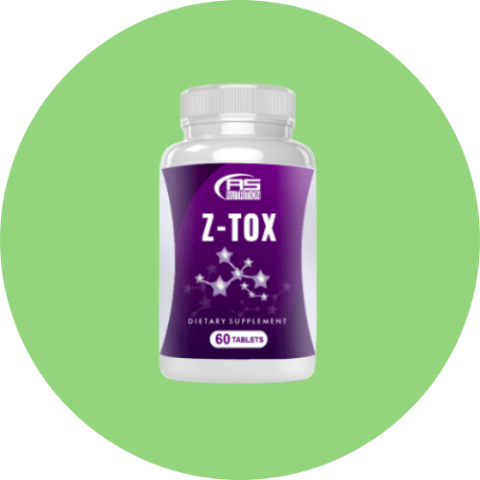
3. Best For Melatonin Problems: Z-tox
Z-tox is a natural sleep aid that can help you fall asleep faster and stay asleep throughout the night. This unique formula combines the power of magnesium, melatonin, and herbal extracts to promote deep, restful sleep.
Magnesium is an essential mineral that plays a role in over 300 biochemical reactions in the body, including regulating sleep cycles. Melatonin is a hormone that helps regulate the body’s sleep-wake cycle and has been shown to be effective in reducing the time it takes to fall asleep.
Herbal extracts such as chamomile and lemon balm have long been used to promote relaxation and sleep. Z-tox is safe for long-term use and does not cause morning grogginess. So, if you’re looking for a natural way to get a good night’s sleep, Z-tox is another supplement to try!
Shop at Z-tox Official Website
Full Article: Z-tox Reviews: Does it Really Work?
Key Takeaway: Sleep Is a Skill. Let’s Master It.
Here’s the truth: falling asleep fast isn’t just about luck—it’s a skill. And like any good skill, it takes practice, patience, and a few game-changing hacks. If you’ve had trouble sleeping, know that you’re not broken. You probably just need to ditch some bad habits and build a better relationship with your bedtime routine.
However, the use of the right supplement will usher you into a realm of deep and restful sleep. If your choice of supplement is characterized by affordability, effectiveness, and availability with no side effect, then we strongly recommend Harmonium Sleep Support. Harmonium Sleep Support is a proven potent supplement made from natural non-addictive ingredients. It’s a unique formula that relaxes you into a state of tranquility. It is a top consumers choice for sleeping issues ranging from slight sleeping problems to serious ones like sleep apnea to chronic insomnia.
There’s no one-size-fits-all solution, but consistency is everything. The more you stick to your sleep routine, manage stress, and give your brain time to relax, the easier falling asleep fast becomes. Trust me, even if it feels impossible right now, small changes add up to big results. You can absolutely improve sleep quality and enjoy that deep, dreamy, restful sleep you’ve been chasing.
Good sleep is more than just feeling rested—it’s better skin, a sharper brain, a lighter mood, and enough energy to actually deal with life. So show your sleep life some love. Say goodbye to chaotic nights and hello to falling asleep faster than ever before. You’ve got this, and your well-rested self will be thriving.
Click here to get Harmonium Sleep Support at a Discounted Price
>> Related Article : 5 Best Sleep Aids Supplements and Program in 2025
How To Fall Asleep Fast FAQs
What is the fastest way to fall asleep at night?
The fastest way to fall asleep at night is to build a consistent sleep routine and pair it with proven techniques like the military sleep method, progressive muscle relaxation, and deep breathing exercises. These tricks help calm your nervous system, lower your heart rate, and kick stress to the curb — all of which make falling asleep way easier. Also, don’t forget to ditch electronic devices at least an hour before bed and keep your sleep environment cool, dark, and cozy. If you’re struggling with trouble falling asleep, these simple changes can help you fall asleep fast without relying on meds. Do them consistently, and boom — you’re out like a light.
Why do I have so much difficulty falling asleep even when I’m tired?
If you feel exhausted but still can’t fall asleep, chances are you’re dealing with pre sleep cognitive activity, stress, or poor sleep hygiene. Basically, your brain is running a full-on marathon while your body’s begging for rest. Things like late-night caffeine, scrolling through your phone, or an inconsistent sleep schedule can totally mess with your body’s sleep wake cycle. You may even be dealing with an underlying sleep disorder like sleep apnea without knowing it. If this happens regularly, it’s time to upgrade your sleep habits or check in with a sleep specialist.
How can I improve sleep quality naturally without taking medicine?
Improving sleep quality naturally is totally doable — no pills needed. Start by setting a regular sleep schedule, getting in some daily physical activity, and cutting off screen time before bed to avoid blue light exposure. Practicing mindfulness meditation, breathing techniques, and progressive muscle relaxation can also help your brain and body wind down for a restful night’s sleep. Make sure your sleep environment supports you too — cool, dark, quiet, and clutter-free. These small but powerful changes will help you fall asleep faster and wake up feeling like your best self.
Source link