Is Silver Becoming the Most Important Metal of the 2020s? – Edge-Forex




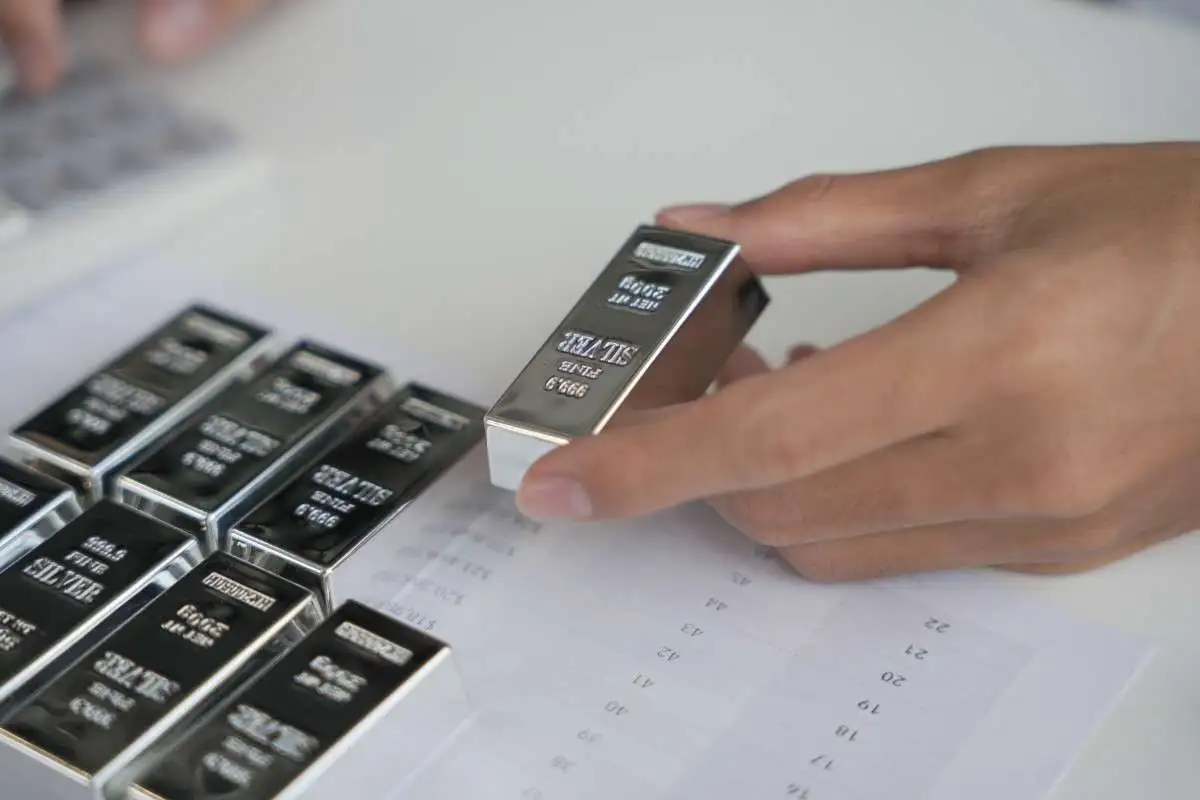
Silver has always lived a double life. It is a precious metal in coins and jewelry, yet it also behaves like an industrial workhorse inside smartphones, solar panels, medical devices, and power electronics. In the 2020s, that second identity is getting louder. The question is not whether silver matters. It is whether silver is becoming the most important metal of the decade.
The honest answer is that silver is climbing the rankings fast, mainly because the world is electrifying everything. But “most important” depends on what you measure. It can mean industrial necessity, economic value, supply risk, or strategic dependence. When these factors are viewed together, silver clearly makes a strong case for being one of the defining metals of the 2020s.
Why is Silver’s Importance Rising in the 2020s
The energy transition is a silver story
Solar power is expanding at a pace few industries can match. Renewable capacity additions continue to rise, with solar photovoltaic installations leading global growth. Silver plays a critical role in this expansion because it is used in photovoltaic cells for conductive pastes and electrical contacts.
Manufacturers have steadily reduced the amount of silver used per solar panel. However, the overall scale of solar deployment is growing so quickly that total silver demand from the solar sector remains substantial. In simple terms, efficiency gains are being overwhelmed by volume growth.
This matters because solar demand is not temporary. Once countries commit to long-term renewable targets, supply chains become strategic. If silver availability tightens, costs rise and project timelines can face pressure.
Electrification and electronics continue to add demand
Silver has the highest electrical conductivity of any metal. That single physical property makes it difficult to replace in applications where performance and reliability matter.
Silver is used across:
- Consumer electronics such as smartphones and laptops
- 5G infrastructure and data center hardware
- Automotive electronics and charging systems
- Industrial power controls, switches, and relays
Even when engineers substitute silver out of one component, demand often reappears elsewhere in the system. More devices, higher power density, and greater reliability requirements all support continued silver use.
Structural market deficits are becoming common
A metal becomes strategically important when demand consistently runs ahead of supply and inventories do the balancing. In recent years, the silver market has repeatedly shown structural deficits. These deficits do not guarantee immediate shortages, but they increase sensitivity to supply disruptions and demand shocks.
When deficits persist, price becomes the mechanism that balances the market. Industrial buyers then start focusing more on long-term sourcing, recycling, and inventory management.
Supply growth is less flexible than it appears
Unlike copper or iron ore, most silver is not mined as a primary metal. A large share of global silver production comes as a byproduct of mining for copper, lead, zinc, and gold. This limits how quickly supply can respond to higher silver prices.
If silver demand rises sharply, miners cannot simply open new silver-only projects overnight. Supply growth depends on the economics of other metals, permitting timelines, and capital investment cycles. As a result, silver supply tends to respond slowly to rising demand.
Does silver outrank copper, lithium, and nickel?
This is where the argument becomes nuanced.
Copper remains essential for electrification, grid expansion, and electric vehicles. If the question is which metal the world needs most by volume, copper often wins. Lithium, nickel, cobalt, and graphite also play critical roles in batteries and energy storage systems. Rare earth elements are vital for motors and wind turbines.
Silver’s strength lies elsewhere. Its importance is not about tonnage. It is about critical performance per gram. Many silver applications use very small quantities, but those quantities are essential. Without silver, the product often cannot function or meet performance standards.
That makes silver a high-impact metal. When silver supply tightens, manufacturing disruptions can occur even if total material volumes are small.
The strongest case for silver as a metal of the decade
It sits at the intersection of major megatrends
Silver is directly tied to three dominant global trends:
- The energy transition and solar expansion
- Digital infrastructure growth and data connectivity
- Industrial automation and electrification
Few metals touch all three areas with the same combination of conductivity, corrosion resistance, and reliability.
It combines industrial and investment demand
Silver is unusual because it serves both industrial users and investors. In times of inflation concerns, currency uncertainty, or geopolitical stress, investment demand can rise sharply. This dual demand structure can tighten markets faster than metals that rely purely on industrial consumption.
This characteristic also contributes to higher price volatility, which reinforces silver’s strategic relevance.
Substitution risk exists but is limited
Manufacturers actively work to reduce silver usage, especially in solar and electronics. While this slows demand growth, it does not eliminate demand. In many cases, substitution introduces trade-offs in efficiency, durability, or performance.
More importantly, total system growth often offsets per-unit reductions. As long as global electrification continues, silver demand remains resilient.
What could weaken silver’s importance?
Silver is not without risks. Several developments could reduce its strategic importance:
- Breakthrough technologies that remove silver from solar cells at scale
- Prolonged global economic slowdown reducing industrial demand
- A major surge in recycling or new mine supply
- Technological shifts away from silver-intensive designs
Additionally, the term “most important metal” depends on perspective. Copper may remain the backbone metal of electrification, while silver becomes the critical specialty metal that quietly constrains high-performance manufacturing.
Final verdict
Silver is undeniably becoming one of the most important metals of the 2020s. Its role in solar energy, electrification, and advanced electronics continues to expand. At the same time, supply growth remains constrained by the byproduct nature of mining and long development timelines.
Is silver the single most important metal of the decade? That depends on how importance is defined. By volume and infrastructure dependence, copper may still dominate. By critical functionality and high-impact applications, silver stands near the top of the list.
In a world moving toward electrification, automation, and renewable energy, silver’s relevance is no longer secondary. It has become a strategic metal whose importance is likely to define the remainder of the decade.
Click here to read our latest article Silver as a Strategic Metal for the Energy Transition
I’m Kashish Murarka, and I write to make sense of the markets, from forex and precious metals to the macro shifts that drive them. Here, I break down complex movements into clear, focused insights that help readers stay ahead, not just informed.
Source link