Key Lessons From The SMB Summit
3/13/2026 – When computers came to the fore, trading completely changed. I recall the days when I had to phone my broker to place a trade and could only follow the market by calling for quotes. With computers, the trading process became much more efficient and that led to the rise of day trading and much more active trading.
It’s silly now to think of an active trader who doesn’t make use of a computer. In the not so distant future, it will be silly to think of an active trader who doesn’t trade with the enhanced information sets provided by AI. Notice how our cars now monitor driving performance, provide alerts, and inform us of needed maintenance in real time–and are quickly getting to the point where they do the driving for the majority of us. Until now, most of us have thought of discretionary and systematic trading as different things. But what if we can more systematically trade our discretionary ideas?
====================
Stocks in play are often a reflection of themes in play. We can identify the companies and ETFs most likely to benefit from a theme and make those a focus of our trading. Traders often make the mistake of scanning for stocks that are moving without understanding the basis for that movement. By following the footsteps of larger market participants, traders can nimbly participate in short-term trends and breakouts.
====================
Now imagine that you’re part of a team and everyone is getting signals for their best trading opportunities. Suddenly you’re trading a great expanded opportunity set. And what if multiple traders on the team are getting similar signals at a given point in time? Might that be a great objective basis for our conviction in a trade?
The playbooks of the future will be dynamic real-time guides to trading, grounded in your strengths and your patterns of success. Tomorrow’s successful traders are building that future today.
==================
But wait; review is not only about us. It’s also about markets. We want our reviews to be a true re-viewing of the markets we traded and a fresh look at the opportunities we missed, the opportunities we saw well, and the opportunities we saw but could have traded better. Each review is thus exercise of our capacities for pattern recognition. When we see more markets and track how opportunity appeared, we become more sensitive to “setups” for our trades.
Detailed review feeds our learning and is one of the best ways of mentoring ourselves. This is why sports teams spend hours watching game film, stopping the film, and observing/learning. Reviewing creates better viewing when we return to real time performance.
=======================
Frustration in trading is often a signal that we need to be following a different playbook. In that sense, our emotions are information, not just negatives that we try to control.
One of the most useful indicators that I’ve created looks at the breadth of each sector of the market (the percentage of stocks within each major sector trading above various moving averages–from 3 day to 200 day) and then tracks the standard deviation of that number. A high standard deviation means that there is great variability of breadth among the sectors; a low standard deviation means that sectors are moving similarly. Before this most recent drop in stocks, the standard deviation was well over 2.0. Beneath the surface, the bull market was coming apart.
Indicators such as this can tell us when we need to be considering switching our playbooks. If we don’t know the environment we’re in, how can we possibly adapt?
===================
3/8/2026 – It’s hard to believe that SMB Capital was just getting off the ground 20 years ago. At the recent Summit, well over 200 active traders from many countries around the world and many states joined in a weekend of learning. There were lots of hot topics discussed, including AI, the importance of mentoring and teamwork, and the importance of developing “playbooks”–best trading rules and practices–for different kinds of markets. One of the big takeaways for me was seeing, firsthand, how a team environment creates dramatic trader growth. Many of the former developing traders who presented are now mentors at SMB, such as Justin Spero, Garrett Drinon, Jeff Holden, Carlton Bryan, and Max Ganik. From the options trading skills shared by Seth Freudberg to the lessons taught by founders Mike Bellafiore and Steve Spencer and Market Wizards Lance Breitstein and Kenny Sharkness, SMB has become a learning and talent incubator, with many of the lessons captured for all time by Kurt vonWeisenstein.
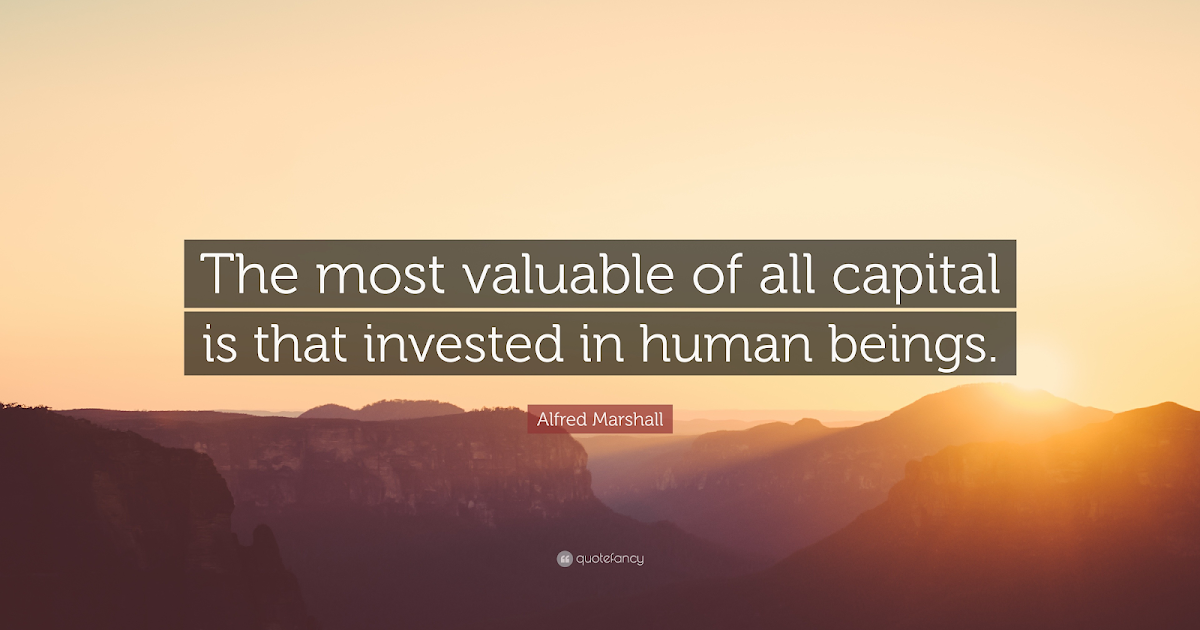
One of the points that I made in my talk is that “You cannot achieve world class performance with world class isolation”. In every performance field, from sports to the performing arts, greatness is achieved through mentoring and intensive practice. That practice has to be structured, and it needs to be accompanied by feedback that helps us identify and build upon our strengths and correct our mistakes. Even with that investment in human capital, it takes years to achieve world-class success. Seeing the traders I had known as relative newbies now succeeding as traders and mentors told me, beyond a shadow of a doubt, IT CAN BE DONE! With the right support and guidance, we can achieve world class performance. But only when we emerge from isolation and open ourselves to the guidance of those who have been there and done that.
And maybe the best takeaway? We learn great trading psychology when we learn to trade greatly. First we copy a mentor and then another mentor and then another and eventually we synthesize all of that into our own market understanding. That is how I learned how to do therapy: working with multiple, experienced supervisors and taking away “best practices” from each of them. Over the course of that synthesis, we develop insight, confidence, and consistent performance.
Seek many mentors. Copy what they do. Before long, you’ll start putting it all together and become like the former developing traders at SMB who are now succeeding and mentoring others.