Lecture 1: What Is The Smart Money Concept (SMC) In Trading? | Trading Strategy Guides
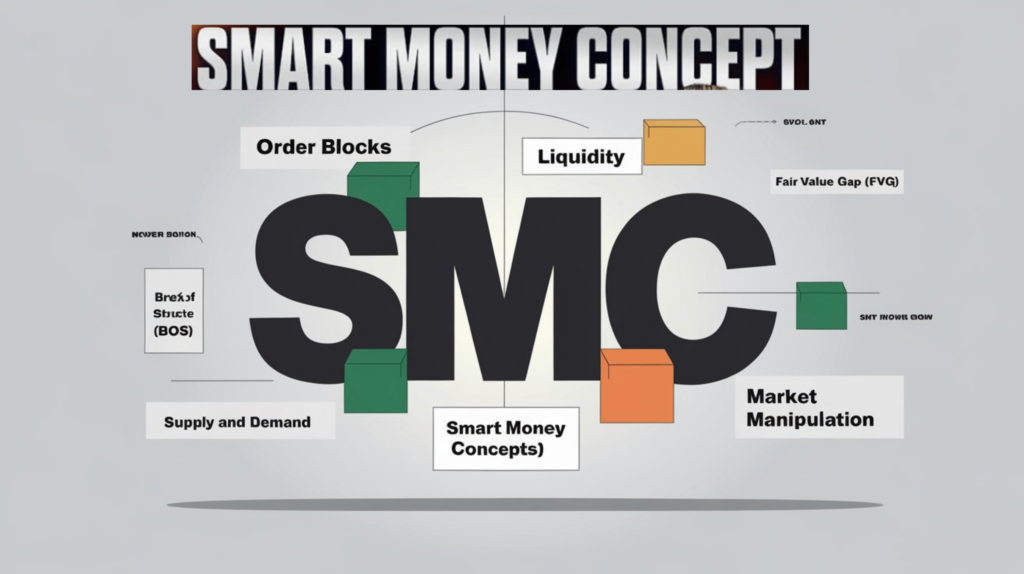
Understanding the Smart Money Concept (SMC) is essential for traders aiming to align their strategies with institutional market movements. This blog post delves into the fundamentals of SMC, highlighting its significance and distinguishing it from traditional retail trading approaches.
Table of Contents
Introduction to Smart Money Concept (SMC)
The Importance of SMC in Trading
Differences Between SMC and Retail Trading
Conclusion
1. Introduction to Smart Money Concept (SMC)
The Smart Money Concept (SMC) is a trading methodology that focuses on understanding and tracking the activities of large institutional investors—often referred to as “smart money.” These entities, including banks, hedge funds, and investment firms, possess significant capital and market influence, allowing them to impact price movements. SMC emphasizes analyzing price action through the lens of institutional order flow, liquidity, and market structure.
Key Components of SMC:
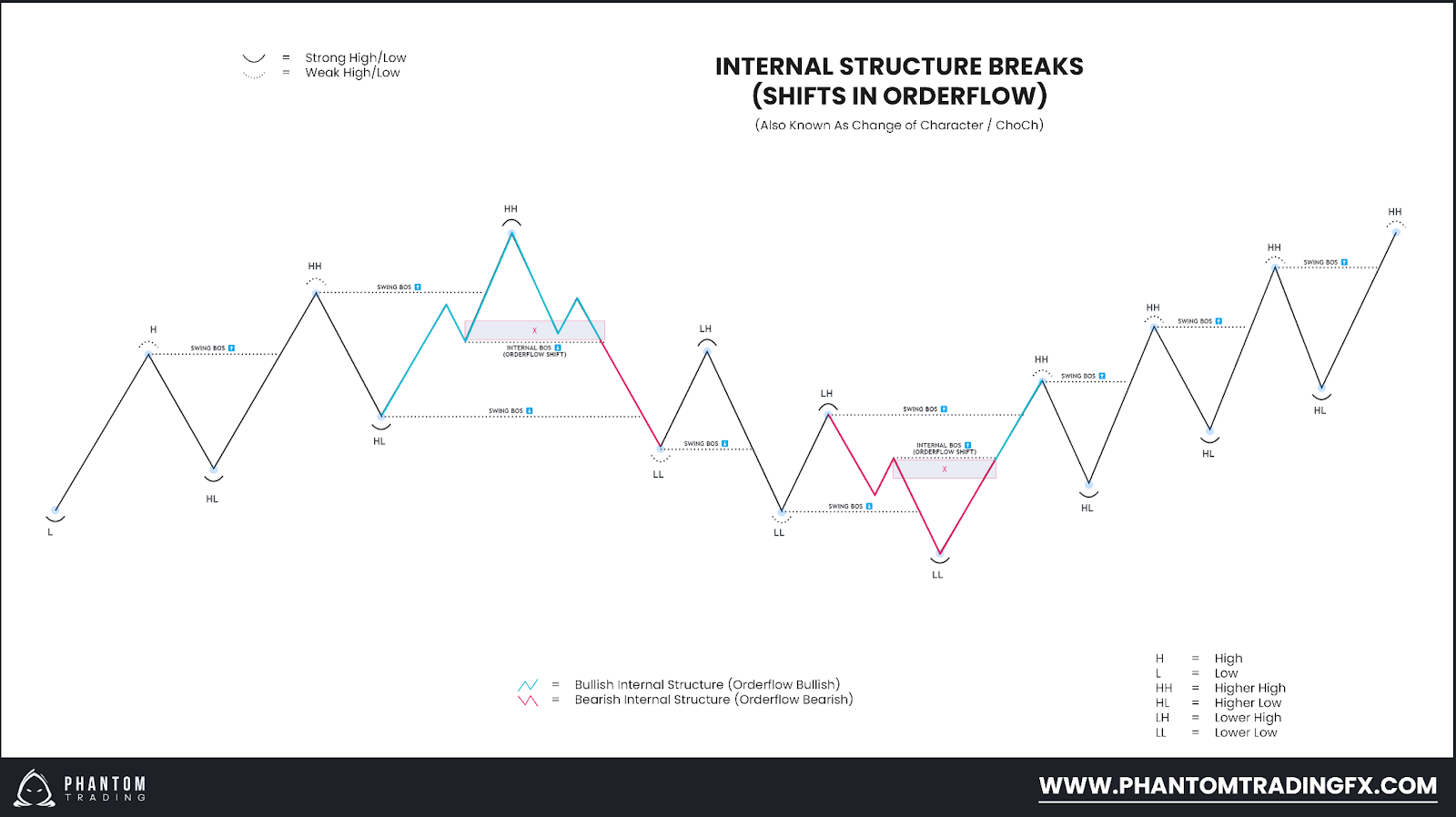
- Market Structure Analysis: Identifying trends, reversals, and continuation patterns by examining higher highs, higher lows, lower lows, and lower highs.
- Liquidity Zones: Recognizing areas where institutional investors are likely to execute large orders, often around previous swing highs and lows.
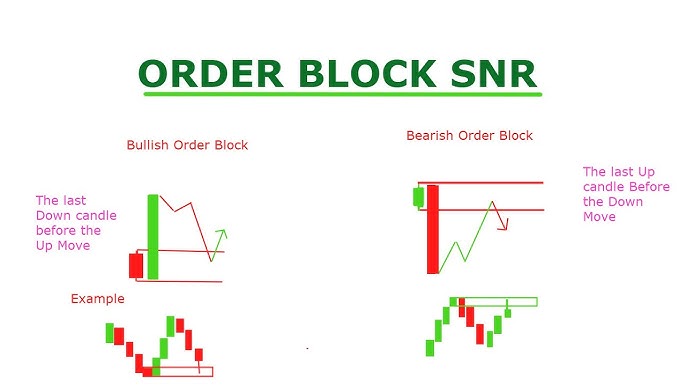
- Order Blocks: Zones where significant buy or sell orders have been placed by institutions, acting as support or resistance levels.
- Fair Value Gaps (FVGs): Imbalances in price action where rapid movements create gaps, often revisited by price later.
Figure 1: Illustration of Market Structure Components
Figure 1 depicts the key components of market structure, including higher highs, higher lows, lower lows, and lower highs.
2. The Importance of SMC in Trading
Understanding SMC provides traders with insights into the behavior of institutional investors, enabling them to make more informed trading decisions. By aligning with the strategies of “smart money,” traders can potentially improve their success rates and anticipate significant market movements.
Benefits of Incorporating SMC:
Enhanced Market Insight: Gaining a deeper understanding of market dynamics beyond traditional indicators.
Improved Risk Management: Identifying key levels where institutions are likely to enter or exit positions, aiding in setting stop-loss and take-profit levels.
Strategic Entry and Exit Points: Leveraging knowledge of liquidity zones and order blocks to time trades more effectively.
Figure 2: Example of an Order Block in Price Action
Figure 2 illustrates an order block where institutional buying has occurred, leading to a subsequent price increase.
3. Differences Between SMC and Retail Trading
SMC differs from traditional retail trading strategies in several key aspects:
| Aspect | Smart Money Concepts (SMC) | Retail Trading |
| Market Drivers | Institutional order flow and liquidity | Technical indicators (e.g., RSI, MACD) |
| Focus | Liquidity zones, order blocks, market structure | Support and resistance levels, trendlines |
| Entry Techniques | Based on institutional activity and price imbalances | Candlestick patterns, moving averages |
| Risk Management | Informed by understanding of institutional behavior | Predetermined stop-loss and take-profit levels |
Table 1: Comparison Between SMC and Retail Trading Approaches
Table 1 compares the primary differences between Smart Money Concepts and traditional retail trading strategies.
4. Conclusion
The Smart Money Concept offers a unique perspective on trading by focusing on the actions and strategies of institutional investors. By understanding and applying SMC principles, traders can align themselves with market movements driven by significant capital, potentially enhancing their trading performance.
Source link