Lecture 10: Inside Bar False Breakouts: How To Spot, Avoid, And Profit From Fake Signals | Trading Strategy Guides
Welcome to Day 10! Yesterday, you learned to predict breakout direction. Today, we’re tackling every inside bar trader’s biggest nightmare: false breakouts.
Here’s the brutal truth: false breakouts will happen. The question isn’t if, but when and how you’ll handle them. Smart traders turn these apparent disasters into opportunities.
Let me show you exactly how to do it.
What False Breakouts Really Are
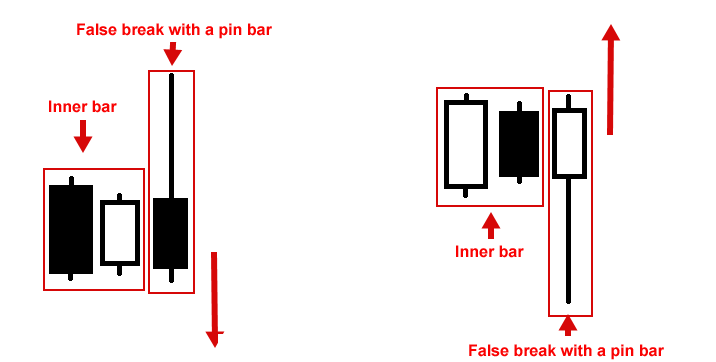
A false breakout occurs when the price breaks beyond the inside bar range but quickly reverses back inside. It’s like the market faking a punch in one direction before swinging hard the other way.
EUR/USD inside bar breaks above 1.1250, rises to 1.1265, then crashes back below 1.1250 within hours. Anyone who bought the breakout just got trapped.
False breakouts happen because the initial move lacked conviction. Maybe it was just algorithmic trading, news overreaction, or institutional stop hunting before the real move begins.
The key insight: false breakouts often precede the strongest moves in the opposite direction.
The Early Warning System
Smart traders don’t get blindsided by false breakouts because they watch for warning signs that breakouts lack conviction.
Low-volume breakouts are huge red flags. If EUR/USD breaks an inside bar on weak volume, it suggests minimal institutional participation. Real breakouts need institutional money behind them.
Time-based warnings also matter. Breakouts that reverse within 1-2 hours often signal false moves. Genuine breakouts typically maintain direction for several hours minimum.
Failure to follow through is another warning. If price breaks above resistance but can’t push significantly higher, it often signals exhaustion and impending reversal.
The Protection Strategies
You can’t eliminate false breakouts, but you can minimize their damage with smart protective techniques.
Strategy 1: The Confirmation Wait. Instead of entering immediately on breakouts, wait 2-4 hours for confirmation. If price holds beyond the range and shows follow-through, then enter. You’ll miss some fast moves but avoid many false signals.
Strategy 2: Smaller Initial Positions Enter with half your intended position size on the initial breakout. Add the second half only after confirmation. This reduces damage from false signals while maintaining upside participation.
Strategy 3: The Volume Filter Only trades breakouts accompanied by above-average volume. This simple filter eliminates many low-conviction false breakouts before they hurt you.
The False Breakout Profit Strategy
Here’s where it gets interesting: false breakouts often create excellent trading opportunities in the opposite direction.
When an inside bar breaks upward but quickly fails back inside the range, it often signals strong selling pressure waiting above. The failed break becomes evidence that the market wants to go down.
The Recovery Trade Setup: EUR/USD inside bar fails to break above 1.1250, reverses back below 1.1240. You now have evidence of selling pressure above and can position for downward movement with tight risk management.
Your stop goes just above the failed breakout high (1.1265 in our example) since that level has proven to be resistance. Your target becomes the opposite side of the inside bar range or beyond.
The Psychology Behind False Breakouts
Understanding why false breakouts happen helps you exploit them. Often, retail traders pile into obvious breakouts while smart money takes the opposite side.
Institutions love to “hunt stops” – deliberately triggering breakouts to grab retail traders’ stops before pushing the price the other way. They know where the obvious stops are clustered and use this knowledge profitably.
The false breakout shakes out weak hands and creates better entry prices for institutional money that wants to push the price in the opposite direction.
The Multiple False Breakout Pattern
Sometimes, inside bars generate false breakouts in both directions before finally resolving. This creates a “whipsaw” pattern that frustrates most traders.
When you see multiple false breakouts, it usually signals extreme indecision and often precedes explosive moves once direction finally clarifies. The multiple failures build pressure that eventually releases powerfully.
The patience game: After multiple false breakouts, wait for a clear resolution with volume confirmation before entering. The eventual move often compensates for the wait.
Market Condition Factors
False breakouts are more common in certain market conditions. Ranging markets generate more false signals than trending ones. Low-volatility periods often produce weak breakouts that fail quickly.
Holiday periods and session overlaps can create unusual price action that increases false breakout probability. Be extra cautious during these times.
News events can trigger false breakouts if the market’s initial reaction proves incorrect. Always consider whether recent news might be causing temporary volatility rather than genuine trend changes.
The False Breakout Recovery Rules
If you get caught in a false breakout, don’t panic. Follow these recovery rules:
Take your loss quickly if the breakout clearly fails. Don’t hope it will recover – hope is expensive in trading.
Consider the opposite direction trade if you have clear evidence of failure. The false breakout might be showing you where the market really wants to go.
Wait for the inside bar range to be clearly violated in the opposite direction before assuming the false breakout is over.
Your False Breakout Assignment
Review the last month of charts and identify three clear false breakout examples on inside bars. Study what warning signs were present and what happened in the opposite direction afterward.
This exercise trains your eye to spot false breakout patterns and recognize the opportunities they create.
The Professional Mindset
Accept that false breakouts are part of inside bar trading. Even professionals get caught occasionally. The difference is how quickly they recognize and adapt to the situation.
Don’t take false breakouts personally. They’re just market information telling you that your initial read was incorrect. Use that information to make better decisions going forward.
Tomorrow’s Pattern Mastery
Tomorrow we’re diving into advanced inside bar combinations and patterns. You’ll learn about multiple inside bars, inside bars within larger patterns, and complex formations that often produce the most explosive moves.
These advanced patterns separate intermediate traders from advanced ones.
But today, master false breakout management. Learn to see them coming, protect yourself when they happen, and profit when they create opportunities.
Remember: every false breakout is the market showing you where it doesn’t want to go, which often reveals where it does want to go.