Lecture 5: Inside Bar Context Mastery – Why Location Beats Formation Every Time | Trading Strategy Guides
Welcome back! You now know how to spot inside bars, understand their psychology, grade their quality, and choose optimal timeframes. Today, I’m going to share what separates consistently profitable inside bar traders from the rest: context mastery.
Here’s a truth that might shock you: I’d rather trade a mediocre inside bar in perfect context than a perfect inside bar in mediocre context. Location beats formation every single time.
Let me show you exactly what I mean and how to use this knowledge to dramatically improve your trading results.
The Context Revolution
Imagine two identical inside bars. Same size, same compression ratio, same timeframe. One forms randomly in the middle of a trading range. The other forms at a major support level, where price has bounced three times before, confluent with a 61.8% Fibonacci retracement and the 200-day moving average.
Which one would you trade? If you said the second one, you understand context. If you’re not sure, this lesson will change your trading forever.
The Context Hierarchy:
- Context (80% of success) – Where the pattern forms
- Formation (15% of success) – How perfect the pattern looks
- Timing (5% of success) – When you enter the trade
Most traders focus on formation quality and ignore context. That’s why most traders fail.
The Five Pillars of Inside Bar Context
Let me walk you through the five context categories that separate high-probability setups from random noise.
Pillar 1: Support and Resistance Context
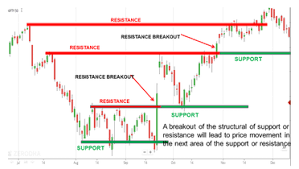
This is the foundation of all inside bar analysis. Inside bars at major support and resistance levels have exponentially higher success rates than those forming in random locations.
Grade A+ Context – Major Levels:
- Monthly/yearly highs and lows
- Previous significant swing points
- Round numbers (1.0000, 1.2500, etc.)
- Levels that have been tested multiple times
Grade A Context – Strong Levels:
- Weekly highs and lows
- Daily swing points with multiple touches
- Psychological levels (1.1000, 1.1500)
- Trend line intersections
Grade B Context – Moderate Levels:
- Recent daily highs/lows
- Minor swing points
- Intraday levels with limited history
Grade F Context – Avoid:
- Random middle-of-range locations
- No clear levels nearby
- Areas with no historical significance
The Support/Resistance Secret: Inside bars work best at levels where institutions have shown interest before. When price returns to these levels and forms an inside bar, it’s often institutional money testing the waters before making their move.
Pillar 2: Trend Context Analysis
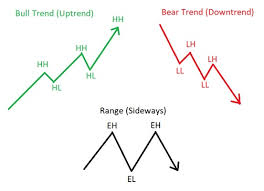
The direction and strength of the underlying trend dramatically affect inside bar success rates. Trading with the trend multiplies your odds of success.
Strong Uptrend Context:
- Inside bars during pullbacks often resolve upward
- Look for inside bars at ascending trend lines
- Higher probability of bullish breakouts
- Larger position sizes justified
Strong Downtrend Context:
- Inside bars during relief rallies typically fail upward
- Focus on short opportunities
- Bearish breakouts are more likely
- Trend continuation is the higher probability outcome
Sideways/Ranging Context:
- The most challenging environment for inside bars
- Direction bias unclear
- Smaller position sizes are recommended
- Require additional confirmation factors
Trend Strength Indicators:
- Angle of the trend (steeper = stronger)
- Distance from major moving averages
- Recent higher highs/lower lows pattern
- Volume trends supporting direction
The Trend Context Rule: Never trade inside bars against strong trends without exceptional reversal confirmation. The trend is your friend until it clearly isn’t.
Pillar 3: Market Structure Context
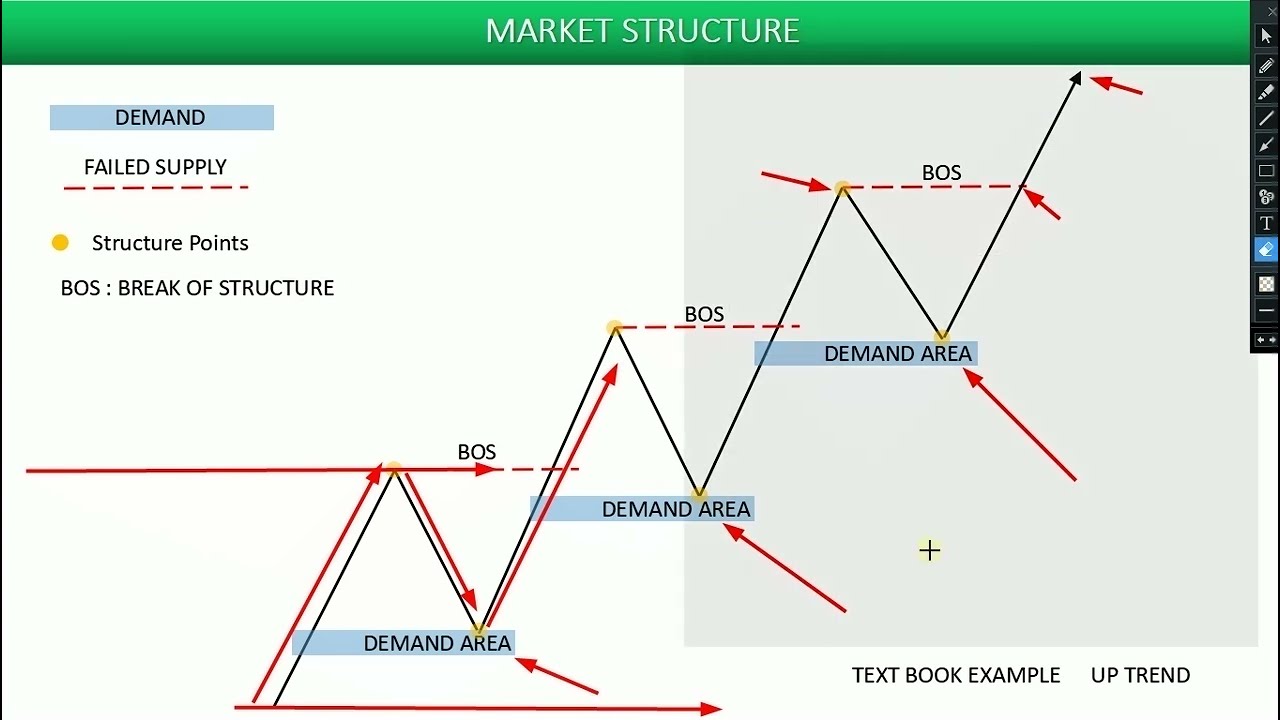
Understanding market structure transforms good inside bar traders into great ones. Structure tells you what the market is really doing beneath the surface noise.
Structure Break Context (Grade A+): Inside bars forming after breaking major structure (significant highs/lows) often lead to continuation moves. The market is pausing to digest the break before continuing.
Structure Retest Context (Grade A+): When price breaks structure, returns to test the broken level, and forms an inside bar, you’re often looking at institutional confirmation that the break is legitimate.
Range-Bound Structure Context (Grade B): Inside bars within established ranges can work, but success depends heavily on position within the range and additional confluence factors.
No Clear Structure Context (Grade F): Avoid inside bars when market structure is unclear or conflicting across timeframes.
The Structure Secret: Institutions care deeply about market structure. When an inside bar forms at a structural level, it often represents institutional decision-making in real time.
Pillar 4: Confluence Factor Context
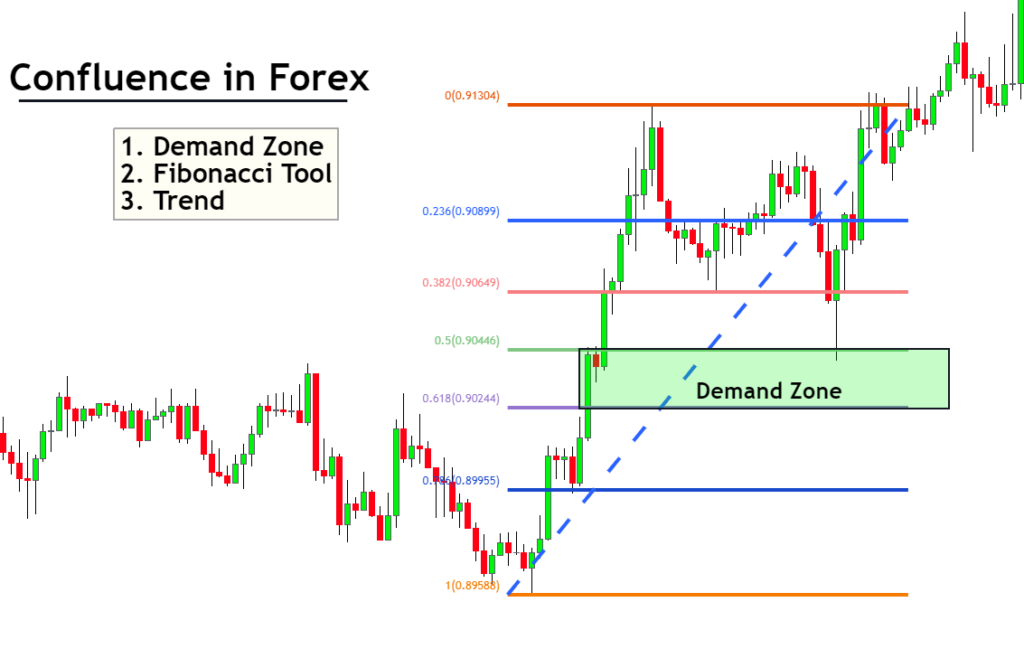
Confluence is where multiple technical factors align at the same price level. The more factors that converge, the higher the probability of the inside bar succeeding.
High-Confluence Zones:
- Support/resistance + Fibonacci level + moving average
- Trend line + round number + previous swing point
- Multiple timeframe alignment + volume confirmation
- Technical pattern completion + key level
Common Confluence Factors:
- Fibonacci retracements (38.2%, 50%, 61.8%)
- Moving averages (20, 50, 100, 200-period)
- Previous swing highs and lows
- Round numbers and psychological levels
- Trend lines and channels
- Chart pattern boundaries
The Confluence Multiplier Effect: Each additional confluence factor doesn’t just add to setup quality – it multiplies it. A support level is good. Support + 61.8% Fib + 200 MA is extraordinary.
Pillar 5: News and Event Context
Inside bars around major news events require special handling. Understanding the news cycle can turn good setups into great ones or help you avoid dangerous traps.
Pre-News Inside Bar Context:
- Forms as markets await important announcements
- Often breaks explosively post-news
- Direction depends on the news outcome vs. expectations
- Requires careful position sizing due to gap risk
Post-News Inside Bar Context:
- Forms after the initial news reaction settles
- Shows the market digesting new information
- Often leads to the continuation of the news-driven move
- More predictable than pre-news setups
High-Impact News Events:
- Central bank interest rate decisions
- Non-farm payroll reports
- GDP releases
- Inflation data (CPI, PPI)
- Geopolitical developments
The News Context Strategy: I actually prefer inside bars that form 2-4 hours after major news. The initial volatility has settled, but the directional bias often remains strong.
The Context Quality Scoring System
Here’s my personal system for rating inside bar context quality:
Grade A+ Context (Must Trade):
- Major support/resistance level
- Strong trend alignment
- Multiple confluence factors
- Clear market structure
- Score: 8-10 points
Grade A Context (Should Trade):
- Good support/resistance
- Trend alignment present
- Some confluence factors
- Score: 6-7 points
Grade B Context (Consider Trading):
- Moderate level significance
- Weak trend alignment
- Limited confluence
- Score: 4-5 points
Grade C Context (Probably Skip):
- Minor levels only
- No clear trend context
- Minimal confluence
- Score: 2-3 points
Grade F Context (Never Trade):
- No significant levels
- Against major trends
- No confluence factors
- Score: 0-1 points
Context Analysis Workflow
Here’s my step-by-step process for analyzing inside bar context:
Step 1: Zoom Out
- Check weekly and daily charts first
- Identify major support/resistance zones
- Determine overall trend direction and strength
Step 2: Mark Key Levels
- Draw horizontal support/resistance lines
- Add trend lines and channels
- Mark Fibonacci levels if applicable
- Note round numbers and psychological levels
Step 3: Check for Confluence
- Count how many factors align at the inside bar location
- Look for multiple timeframe confluence
- Verify with volume analysis if possible
Step 4: Assess Market Regime
- Trending vs. ranging market
- High vs. low volatility environment
- Risk-on vs. risk-off sentiment
Step 5: Rate Overall Context
- Assign a grade (A+ through F)
- Only trade Grade A and above setups
- Document your reasoning for later review
The Location vs. Formation Test
Here’s a practical exercise that will revolutionize your inside bar trading:
Find two recent inside bar examples:
- Perfect formation, poor context – Beautiful inside bar in random location
- Imperfect formation, excellent context – Borderline inside bar at major confluence zone
Track their outcomes over the next week. I guarantee the second one will outperform the first, even though its formation was inferior.
This exercise proves why professional traders obsess over context, not just patterns.
Common Context Mistakes
Mistake 1: Pattern Tunnel Vision focusing only on how the inside bar looks while ignoring where it forms.
Solution: Always analyze context before formation quality.
Mistake 2: Single-Factor Context Trading inside bars at support levels without checking for additional confluence.
Solution: Demand at least 2-3 confluence factors for Grade A setups.
Mistake 3: Ignoring Market Regime Using the same context criteria in all market conditions.
Solution: Adjust context requirements based on the current market environment.
Mistake 4: Static Level Analysis Drawing support/resistance lines once and never updating them.
Solution: Regularly update your level analysis as new price action develops.
Your Context Mastery Mission
Today’s assignment will train your context analysis skills:
- Find 5 inside bars from the last month on the daily charts
- For each inside bar, analyze:
- Nearest support/resistance levels
- Trend context and strength
- Market structure position
- Confluence factors present
- Any relevant news events
- Rate each context using my grading system
- Check actual outcomes and note correlations
- Identify which context factors were most predictive
Advanced Context Considerations
Seasonal Context: Certain times of year favor specific market behaviors. December inside bars in stocks often resolve upward due to year-end positioning.
Correlation Context: Check related markets. An inside bar in EUR/USD might be more significant if GBP/USD and USD/JPY show similar patterns.
Sentiment Context: VIX levels, put/call ratios, and sentiment surveys can provide additional context for inside bar interpretation.
Institutional Context: Month-end, quarter-end, and year-end flows can dramatically affect inside bar breakout direction.
Building Your Context Intuition
The goal is to develop an instant feel for context quality:
High-Quality Context Feels Like:
- Multiple obvious factors aligning
- Clear institutional interest area
- Logical place for a major move to start
- Strong conviction about setup quality
Low-Quality Context Feels Like:
- Struggling to find supporting factors
- Random location with no clear significance
- Uncertainty about probable direction
- Forcing justification for the trade
Trust your context intuition. If you have to convince yourself that context is good, it probably isn’t.
What’s Coming Tomorrow
Tomorrow, we’re moving into execution territory – entry strategies that optimize your risk-reward while minimizing false breakout exposure. You’ll learn the four main entry methods professional traders use and exactly when to apply each one.
We’ll also cover the psychological aspects of entry timing and how to overcome the fear and greed that destroy most inside bar traders.
But today, master context analysis. Start seeing inside bars not as isolated patterns, but as context-dependent opportunities. The same pattern can be gold or garbage depending on where it forms.
Remember: location beats formation every time. A perfect inside bar in a terrible location is still a terrible trade. An imperfect inside bar in a perfect context can make your month.
Context is king. Master it, and you’ll join the small percentage of traders who consistently profit from inside bar patterns.
Source link