Lecture 6: Entry Strategies – Four Ways To Profit From Inside Bar Breakouts | Trading Strategy Guides
Welcome back! You’ve built a solid foundation in inside bar identification, psychology, quality grading, timeframe selection, and context analysis. Now comes the moment of truth – actually entering trades and making money from these patterns.
Today, I’m going to teach you the four entry strategies that separate consistent winners from the struggling masses. Each method has its place, and knowing when to use which approach can mean the difference between a profitable month and a frustrating one.
The Entry Strategy Reality Check
Here’s something most trading courses won’t tell you: the “perfect” entry doesn’t exist. What matters is matching your entry method to market conditions, your personality, and the specific inside bar setup you’re trading.
I’ve seen traders destroy perfectly good inside bar setups with terrible entry execution. I’ve also seen average setups become home runs through masterful entry timing. The pattern gets you in the ballpark, but entry execution wins the game.
Let me walk you through each approach and show you exactly when to use them.
Strategy 1: The Breakout Entry (The Bread and Butter)
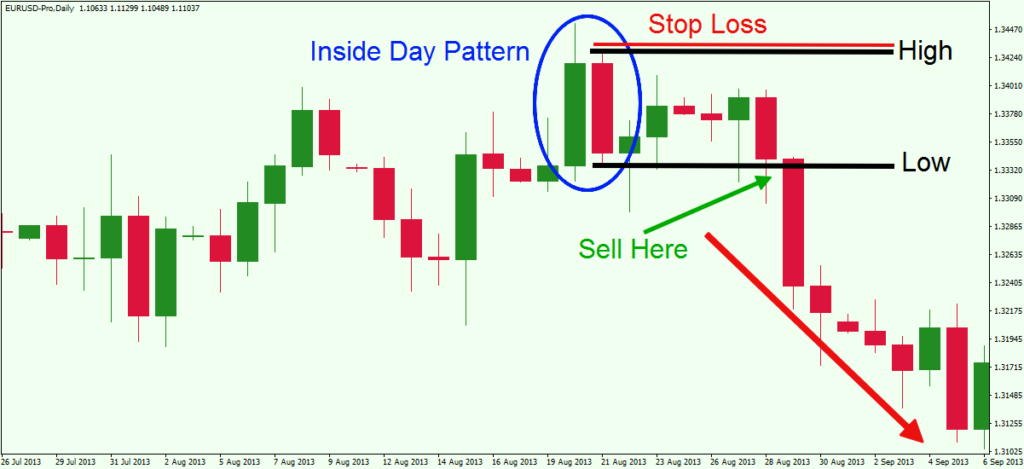
This is the most straightforward and popular inside bar entry method. You place pending orders above and below the inside bar range and let the market decide which direction to take you.
Picture this: EUR/USD forms a beautiful inside bar with a high at 1.1250 and a low at 1.1200. You place a buy stop at 1.1255 and a sell stop at 1.1195. When price breaks out in either direction, you’re automatically entered with the momentum.
The beauty of breakout entries lies in their simplicity and objectivity. You’re not trying to predict direction – you’re simply going with whatever the market decides. This removes a huge psychological burden and works exceptionally well in trending markets where inside bars often lead to continuation moves.
However, breakout entries have one major weakness: they’re vulnerable to false breakouts. Sometimes price will spike above your buy stop, trigger your entry, then immediately reverse back into the inside bar range. This is why breakout entries work best when you have strong context supporting the setup.
When to use breakout entries: Strong trending markets, high-quality inside bar formations, when you can’t monitor charts constantly, and when context strongly supports the setup but you’re uncertain about direction.
Strategy 2: The Aggressive Entry (The High-Reward Approach)
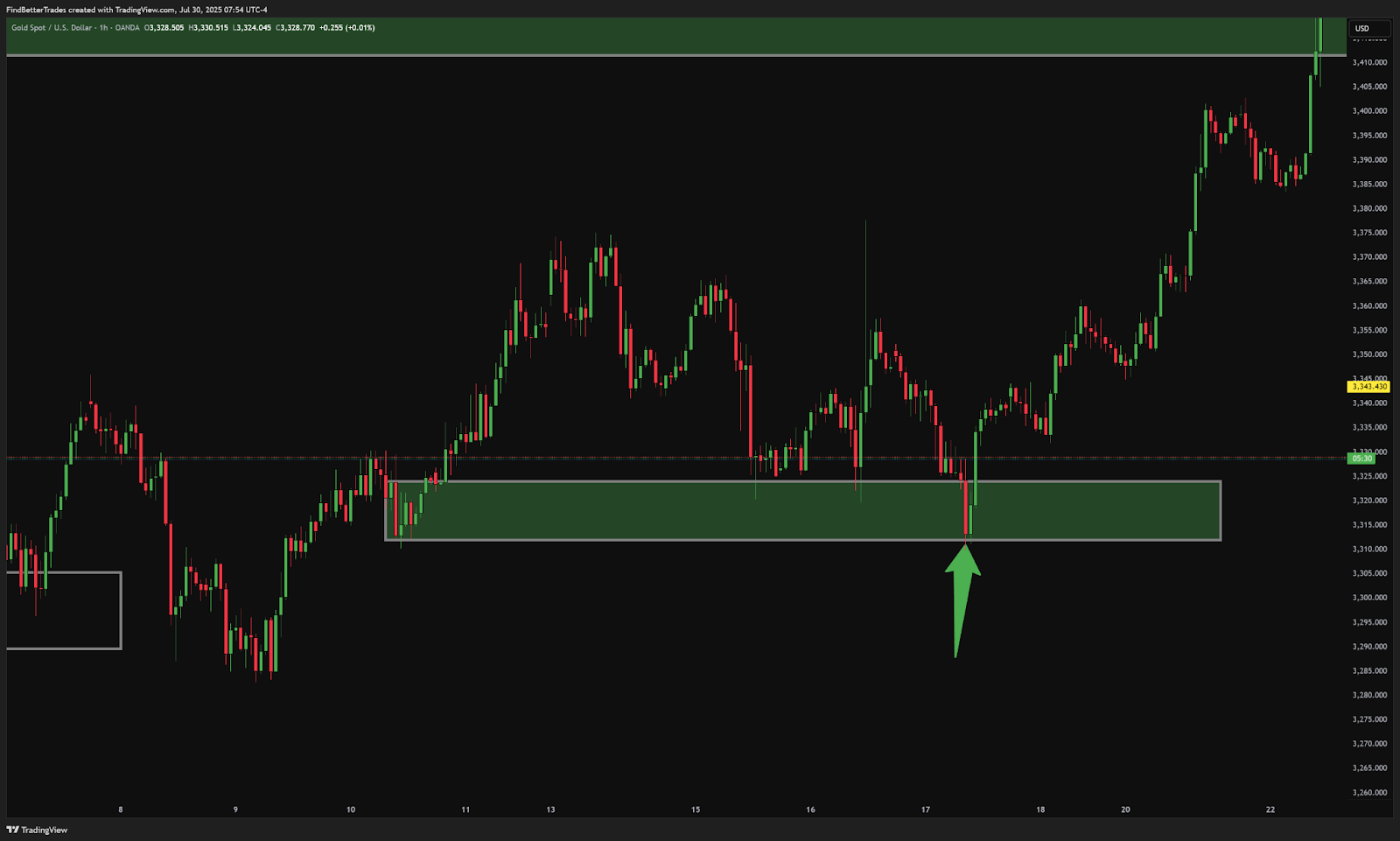
Aggressive entries involve entering the trade before the breakout occurs, based on your directional bias from context analysis. Instead of waiting for the price to break the inside bar range, you enter immediately as the inside bar completes formation.
Let’s say that the same EUR/USD inside bar forms at a major support level with multiple confluence factors suggesting an upward bias. Rather than waiting for the breakout above 1.1250, you enter long immediately at 1.1225 with your stop below the mother bar.
This approach offers several compelling advantages. Your entry price is significantly better than waiting for breakouts, your stop loss distance is smaller, and you capture the entire move if you’re right about direction. The risk-reward ratio is often superior to breakout entries.
The challenge with aggressive entries is that they require conviction about direction. You need to read context correctly and be comfortable with the possibility of being wrong. This method works best when context heavily favors one direction and you have strong institutional signals supporting your bias.
I personally love aggressive entries at major support levels where inside bars form after strong downward moves. The combination of oversold conditions, key level support, and inside bar compression often creates explosive upward moves.
When to use aggressive entries: Strong directional bias from context, high-conviction setups, major support/resistance levels, when you want optimal risk-reward ratios, and when you can monitor the trade closely.
Strategy 3: The Conservative Entry (The Safety-First Approach)
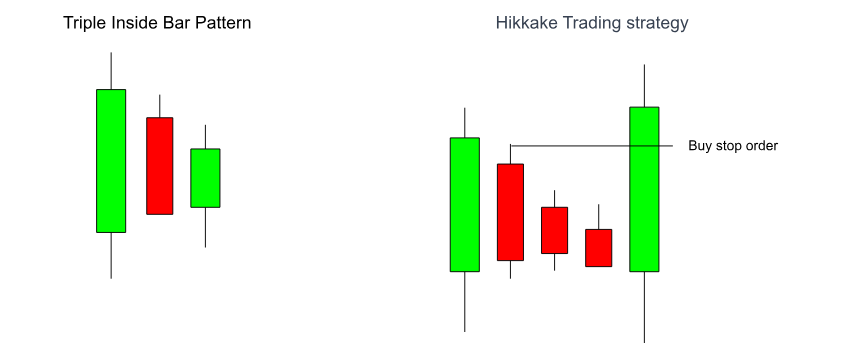
Conservative entries take the opposite approach from aggressive entries. Instead of jumping in early, you wait for additional confirmation beyond just the basic breakout. This might mean waiting for a candlestick close beyond the inside bar range, volume expansion on the breakout, or additional technical confirmation.
Using our EUR/USD example, a conservative entry might wait for a 4-hour candle to close above 1.1250, confirming the upward breakout with conviction. You might also require volume to be above average on the breakout candle, showing institutional participation.
Conservative entries dramatically reduce your false breakout rate. By waiting for confirmation, you avoid many of the fake-outs that plague breakout traders. This approach is perfect for part-time traders who can’t babysit positions and need higher-probability signals.
The trade-off is that you often get worse entry prices and might miss fast-moving breakouts entirely. In strongly trending markets, waiting for confirmation can mean missing significant portions of profitable moves.
Conservative entries work exceptionally well in ranging or uncertain market conditions where false breakouts are common. They’re also ideal for newer traders who are still building confidence in their inside bar reading abilities.
When to use conservative entries: Uncertain market conditions, when false breakouts have been common recently, if you’re new to inside bar trading, when you can’t monitor positions closely, and in ranging markets.
Strategy 4: The Retracement Entry (The Patient Opportunist)
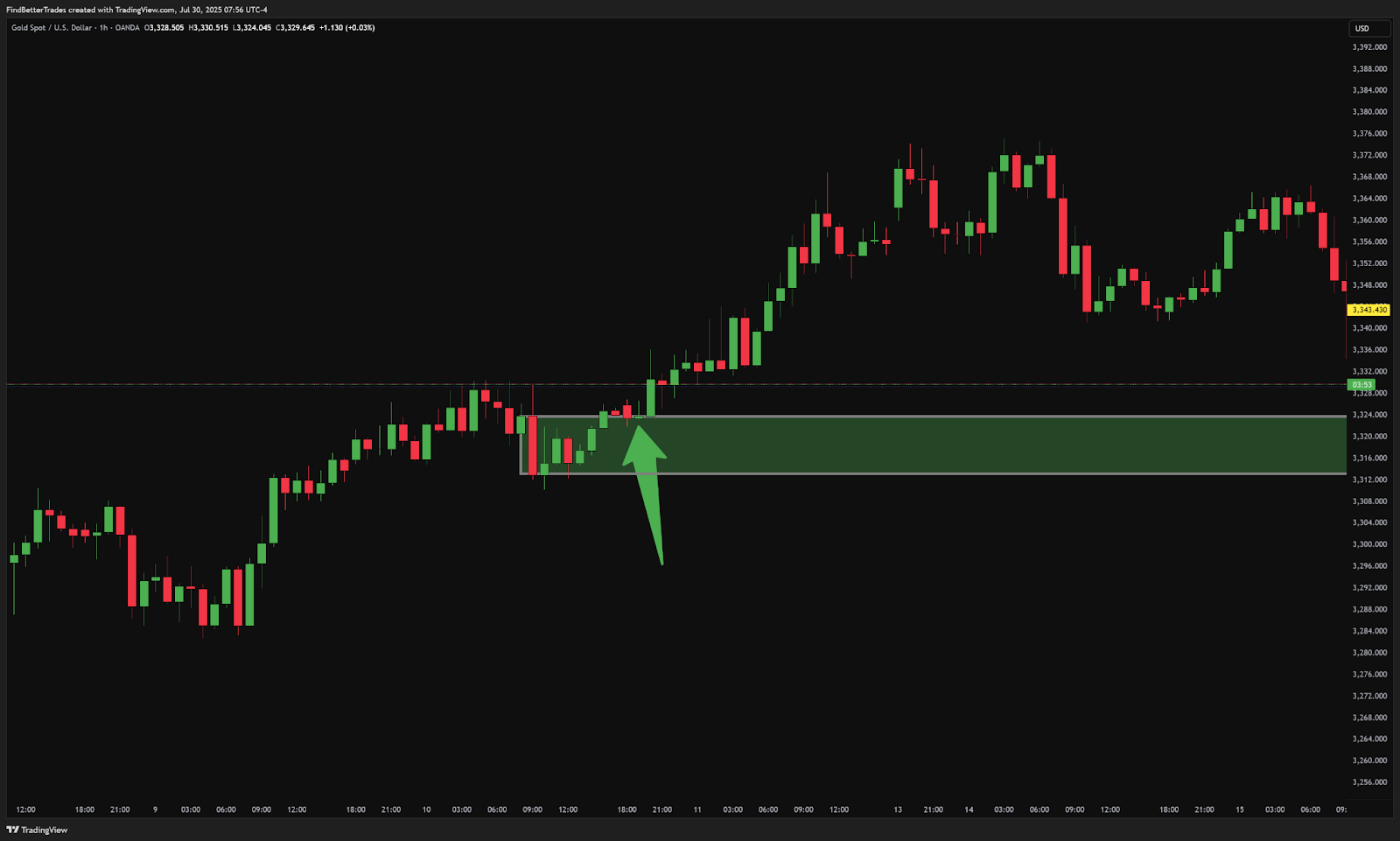
This is perhaps the most sophisticated entry method and my personal favorite when conditions are right. You wait for the initial breakout to occur, then enter on the pullback to the inside bar range.
Here’s how it works: EUR/USD breaks above 1.1250 as expected, rises to 1.1280, then pulls back to retest the 1.1250 breakout level. You enter long at 1.1252 when the price finds support at the previous resistance level.
Retracement entries offer the best of all worlds. You get confirmation that the breakout is real, you enter at a much better price than the initial breakout, and you typically get a very favorable risk-reward ratio. The psychology is also more comfortable since you’re entering after seeing proof of direction.
The challenge is that retracements don’t always occur. In strongly trending markets, the price might never return to give you that second chance. You need patience and discipline to wait for the setup to come to you rather than chasing price.
I find retracement entries work best in markets that are trending but not in full momentum mode. They’re particularly effective when the initial breakout occurs during low-volume periods and institutions haven’t yet fully participated.
When to use retracement entries: Moderate trending conditions, when initial breakouts lack volume, if you missed the original breakout, when you want optimal entry prices, and when you have the patience to wait for pullbacks.
Matching Entry Method to Market Conditions
The key to mastering inside bar entries is learning to read market conditions and choosing the appropriate method. Think of each approach as a tool in your trading toolbox – you wouldn’t use a hammer for every job.
In strongly trending markets with high momentum, breakout entries often work best because price rarely looks back after breaking key levels. In ranging or uncertain conditions, conservative entries help you avoid the numerous false signals that plague these environments.
When you have extremely high-conviction setups with multiple confluence factors, aggressive entries can provide exceptional risk-reward opportunities. When markets are showing signs of exhaustion or mixed signals, retracement entries give you the luxury of confirmation before commitment.
The Psychology of Entry Execution
Each entry method creates different psychological challenges. Breakout entries can trigger FOMO when you see the price racing away from your entry. Aggressive entries can create anxiety as you watch the price potentially move against you before proving you right.
Conservative entries might make you feel like you’re missing opportunities when fast moves occur without your confirmation signals. Retracement entries can test your patience as you wait for pullbacks that might never come.
Understanding these psychological impacts helps you choose entry methods that match not just market conditions, but your personality and emotional tolerance. There’s no point using aggressive entries if the stress keeps you awake at night.
Order Management and Execution
Regardless of which entry method you choose, proper order management is crucial. For breakout entries, I recommend placing your pending orders 2-5 pips beyond the inside bar range to avoid getting triggered by minor wicks or spread widening.
For aggressive entries, enter with market orders but have your stop loss order ready to place immediately. Never enter an aggressive position without knowing exactly where you’ll exit if wrong.
Conservative entries require discipline to wait for your confirmation criteria, even when the price starts moving in your favor. Stick to your rules rather than jumping in early due to FOMO.
Retracement entries demand patience and the wisdom to recognize when a retracement is actually a reversal. Set clear criteria for how long you’ll wait and at what point you’ll abandon the setup.
Building Your Entry Strategy Playbook
Rather than randomly switching between entry methods, develop a systematic approach based on setup characteristics. Create rules like “I use aggressive entries only at major support/resistance with 3+ confluence factors” or “I use conservative entries when recent false breakouts have occurred.”
Document your entry decisions and track which methods work best for your trading style and market preferences. Over time, you’ll develop an intuitive feel for when each approach is most appropriate.
Your Entry Strategy Assignment
Today’s mission will help you understand how the entry method affects trade outcomes:
Find three recent inside bar setups and analyze how each entry method would have performed. Calculate the entry price, stop loss, and potential profit for breakout, aggressive, conservative, and retracement approaches. Note which method would have provided the best risk-reward ratio and actual outcome.
This exercise will show you that the entry method can dramatically impact trade results, even with identical inside bar patterns.
Tomorrow’s Crucial Lesson
Tomorrow, we’re tackling the topic that separates profitable traders from everyone else: stop loss placement and risk management. You’ll learn exactly where to place stops for maximum protection with minimum risk, how to size positions properly, and why most traders get risk management completely wrong.
We’ll also cover the inside bar-specific risks that can destroy your account if you’re not prepared for them.
But today, master these four entry approaches. Practice visualizing how each would work with current market setups. The pattern identification gets you in the game, but entry execution determines whether you win or lose.
Remember: there’s no single “best” entry method. The best method is the one that matches current conditions, your personality, and the specific setup you’re trading. Master all four, and you’ll have the flexibility to profit in any market environment.
Source link