Market Snapshot March 2nd 2026 – The Concept Trading
ALERT! DAY 02 of US + ISRAEL VS IRAN. Hormuz is CLOSING and Nuclear is in IAEA’s highest red alert!
Note: Please get yourself updated with the current status of this war as it will update per seconds, any volatility from the next morning is getting the charts among the highest levels. Stay in the highest cautious.
(9.03 am GMT+7, March 1st, 2026) … And the latest, Ali Khumenai – Iran’s Leader, DIED!
Data:
🟦 Global Rates & Sovereign Yields | Inflation data keeps yields elevated
- United States (Treasuries)
2Y ~3.66% | 5Y ~3.98% | 10Y ~4.34–4.38% | 30Y ~4.98–5.03%
Yields pushed higher following a firmer-than-expected core PCE inflation print, reinforcing expectations that the Federal Reserve will maintain a restrictive stance longer. - United Kingdom
10Y Gilt ~4.62–4.68%, supported by resilient wage growth and persistent services inflation. - Germany / Eurozone
10Y Bund ~3.08–3.12%; Italy 10Y BTP ~3.65–3.72%, spreads steady but elevated. - Japan
10Y JGB ~2.45–2.50%, near cycle highs amid continued BOJ policy normalization pricing. - Australia
10Y ACGB ~5.12–5.20%, reflecting sticky domestic inflation expectations. - Canada
10Y GoC ~3.60–3.68%, tracking U.S. yield direction alongside firm oil prices. - China
10Y CGB ~1.97–2.00%, accommodative policy bias intact.
🟨 Global Equity Markets | Growth stocks pressured by higher real yields
United States (Fri close)
- S&P 500 (US500): ~6,860 (−0.4%)
- Nasdaq Composite: ~22,720 (−0.7%)
- Dow Jones: ~49,580 (−0.2%)
Technology and high-duration sectors underperformed following the inflation surprise; financials relatively stable.
Europe
- Euro Stoxx 50 (EU50): ~5,990 (−0.3%)
- DAX (GER40): ~24,980 (−0.4%)
- CAC 40: ~8,320 (−0.3%)
Indices pulled back as bond yields rose across the region.
Japan
- Nikkei 225: ~56,700 (−0.8%)
Stronger yen and rising JGB yields weighed on exporters and technology shares.
🟥 Macro “Red News” | Prior-Session Key Developments
- United States: Core PCE inflation surprised modestly to the upside, reinforcing the “higher-for-longer” rate narrative. Personal spending remained resilient.
- Labor Market: Jobless claims stayed low, highlighting continued employment strength.
- Eurozone: CPI data showed gradual but uneven disinflation progress.
- Japan: Industrial output data indicated moderate recovery; inflation remained contained.
- Global Trade: Shipping volumes signaled stable global demand conditions entering Q2.
🟧 FX & Commodities | Dollar strengthens; gold consolidates
- DXY: ~99.0–99.4, supported by rising U.S. yields.
- USD/JPY: ~158 range, reflecting widening yield differentials.
- EUR/USD: ~1.05–1.06.
- Gold: ~US$4,150–4,200/oz, easing slightly as real yields climbed.
- Brent crude: ~US$74–76/bbl | WTI: ~US$69–71/bbl, supported by geopolitical risks and disciplined supply.
🔶 High-Impact Market Headlines
- Core PCE inflation surprise drives repricing of Fed rate expectations.
- Treasury yields approach cycle highs, pressuring equity valuations.
- Equity rotation favors value and financial sectors over growth.
- BOJ normalization remains a key driver of global bond volatility.
- European markets retreat modestly as Bund yields rise.
- Oil prices remain supported by geopolitical tensions and steady demand.
- Currency markets reflect widening policy divergence among major central banks.
Companies.
+) Dell Technologies surged after delivering stronger-than-expected quarterly results, with AI server demand driving a significant uplift in backlog and forward revenue visibility.
+) Block rallied sharply following restructuring measures and improved 2026 earnings guidance, signaling margin expansion potential tied to AI-driven efficiencies.
+) Salesforce declined despite solid quarterly growth as management issued cautious forward guidance, triggering multiple compression across enterprise software peers.
+) First Solar fell after soft forward guidance weighed on renewable-energy sentiment amid higher interest-rate expectations.
+) Nvidia traded lower as investors engaged in profit-taking following strong earnings, reflecting heightened scrutiny on AI valuation levels.
+) MasTec advanced after reporting revenue and EPS above analyst expectations, reinforcing infrastructure spending resilience.
+) Berkshire Hathaway traded modestly higher ahead of earnings anticipation, supported by insurance and energy segment strength.
+) FS KKR Capital declined sharply following weaker investment income results and cautious portfolio commentary.
+) Netflix gained after stepping back from a potential media acquisition, improving capital allocation clarity.
+) Chevron rose alongside firmer crude oil prices and continued capital-return discipline commentary.
General
Currency Overview: FX markets remained range-bound as investors digested stable U.S. yields and muted macro surprises. Relative rate differentials continued to anchor positioning, with volatility compressed across G10 pairs.
EUR: The euro traded slightly softer as resilient U.S. data kept yield spreads tilted toward the dollar. Weak Eurozone industrial momentum continued to cap upside.
GBP: Sterling held a cautious tone amid fragile UK growth signals. External yield dynamics remained the dominant driver, limiting independent momentum.
USD: The dollar stayed broadly firm, supported by stable Treasury yields and policy patience from the Fed. Markets continued to price gradual easing later in the year rather than near-term action.
JPY: The yen remained pressured as carry positioning persisted in a low-volatility regime. External rate movements continued to dominate price action.
Gold & Silver: Precious metals consolidated as steady real yields limited directional momentum. Structural hedging demand remained intact but lacked acceleration.
Oil: Brent and WTI traded within a contained range as supply discipline offset cautious demand expectations.
Equity Flow: Equity markets displayed selective resilience, favoring large-cap quality and earnings visibility over high-beta sectors.
Geopolitics: Strategic tensions remained background risks without triggering abrupt repricing.
Corporate Focus: Investors emphasized guidance credibility, margin sustainability, and capital discipline.
Systemic View: Cross-asset signals pointed to consolidation rather than regime change, with financial conditions stable.
📌 Geopolitical Update – Iran Conflict Escalation & Market Impact
1) Major U.S.–Israel Military Strike and Leadership Targeting
On February 28, 2026, joint U.S. and Israeli airstrikes targeted key military and government sites inside Iran, including the compound of Supreme Leader Ayatollah Ali Khamenei. Iranian state media and multiple international sources confirmed Khamenei was killed in the operation, marking a dramatic escalation in Middle East conflict that many analysts say represents the most significant attack against Iran in decades. Reports indicated senior IRGC and defense officials were also struck in the raids.
The operation, described by U.S. and Israeli officials as pre-emptive, followed months of warnings over Iran’s nuclear and missile programs and coincided with a breakdown in recent negotiations. Tehran condemned the attack as illegal, while U.S. leadership portrayed it as aimed at preventing nuclear proliferation and regional threats.
2) Regional Retaliation and Wider Conflict Dynamics
Following the strikes, Iran launched retaliatory missile attacks across the Gulf, hitting targets in Israel and Gulf states such as Abu Dhabi and Bahrain that host U.S. military assets. Reports noted at least one civilian fatality from an Iranian missile strike in Abu Dhabi — the first direct casualty in the expanding conflict zone.
The confrontation has drawn reactions from global powers:
- EU leaders (France, Germany, UK) publicly urged negotiated solutions and restraint, distancing themselves from the military campaign and stressing diplomacy.
- Other international actors, including Russia and China, condemned the military strikes and called for de-escalation.
3) Economic and Market Implications, Especially in Energy
Even before any confirmed damage to oil infrastructure, the conflict has pushed oil price volatility sharply higher due to fears over supply disruptions. Iran is a significant producer (~3% of global crude output) and controls critical transit routes such as the Strait of Hormuz, through which nearly 20% of seaborne oil passes. Fear of spillover into the Strait pushed Brent crude toward multi-month highs (~$73/bbl), and analysts warn prices could climb further — potentially above $80 or even $100 per barrel if exports are disrupted.
Traders also reacted to the integrated nature of global energy flows:
- Tanker freight rates surged on heightened risk across Gulf shipping routes.
- Some energy firms preemptively suspended shipments in the region amid uncertainty.
Equity markets in Gulf economies experienced downward pressure linked to heightened geopolitical risk, with major indices in Saudi Arabia and neighboring markets slipping as risk aversion rose ahead of the strikes.
4) Backdrop of Sanctions, Diplomacy, and Internal Strife
Before the strikes, sanctions pressure had already intensified:
- The U.S. Treasury sanctioned Iran’s petroleum “shadow fleet” and ballistic missile networks, targeting dozens of ships, individuals, and related entities to choke revenue sources tied to oil sales and weapons programs.
- Indirect nuclear talks took place in Geneva, with Iranian diplomats proposing significant economic incentives to the U.S. aimed at sanctions relief and long-term investment cooperation — though U.S. officials denied receiving formal proposals.
Iran’s internal political situation has also been unstable prior to the conflict:
- A massive protest movement erupted in late 2025 into early 2026, triggered by economic pressures and widening anti-government sentiment, leading to international condemnation and a UN Human Rights Council resolution over reported mass casualties.
- The government imposed one of the longest internet blackouts on record to suppress information flow during the unrest.
5) Broader Strategic Risks & Market Takeaways
- The death of Iran’s supreme leader has removed a long-standing geopolitical anchor, potentially increasing unpredictability in decision-making and regional policy.
- Retaliatory attacks beyond Iran’s borders have broadened conflict risk to include Arabian Gulf states, raising concerns about wider military escalation.
- Persistent risk to oil infrastructure and shipping lanes has reshaped price expectations, with energy markets absorbing risk premia and volatility spikes.
- Broader diplomacy — including EU appeals for negotiation and global condemnation — suggests a tug-of-war between escalation and containment impulses among major powers.
Upcoming News
Markets open March with a fresh-month reallocation bias, as investors reassess positioning after February’s inflation and PCE cycle. Overall market sense is cautiously constructive but data-sensitive, with FX and rates focused on early-month activity signals that will frame expectations for Q1 growth momentum. Liquidity is fully restored following month-end flows, and volatility is expected to concentrate around manufacturing indicators.
In the United States, attention centers on ISM Manufacturing PMI and Construction Spending, both critical in determining whether the industrial sector is stabilizing after mixed late-Q1 signals. A firm ISM print—particularly in new orders and prices paid—could support yields and lend the USD near-term resilience. Conversely, evidence of renewed contraction would reinforce expectations of gradual policy easing later in 2026, supporting Treasuries and pressuring the dollar modestly.
Across Europe, final PMI readings will confirm whether flash data accurately captured early-March activity trends. EUR remains primarily driven by relative yield differentials versus the U.S., though meaningful surprises could generate tactical moves. In the Asia–Pacific region, China’s Caixin Manufacturing PMI sets the tone for regional risk sentiment and commodity flows, while Japan’s capital expenditure indicators provide incremental context for BoJ policy expectations. Corporate catalysts remain limited, keeping macro confirmation and positioning flows at the forefront.
Markets open March with a fresh-month reallocation bias, as investors reassess positioning after February’s inflation and PCE cycle. Overall market sense is cautiously constructive but data-sensitive, with FX and rates focused on early-month activity signals that will frame expectations for Q1 growth momentum. Liquidity is fully restored following month-end flows, and volatility is expected to concentrate around manufacturing indicators.
In the United States, attention centers on ISM Manufacturing PMI and Construction Spending, both critical in determining whether the industrial sector is stabilizing after mixed late-Q1 signals. A firm ISM print—particularly in new orders and prices paid—could support yields and lend the USD near-term resilience. Conversely, evidence of renewed contraction would reinforce expectations of gradual policy easing later in 2026, supporting Treasuries and pressuring the dollar modestly.
Across Europe, final PMI readings will confirm whether flash data accurately captured early-March activity trends. EUR remains primarily driven by relative yield differentials versus the U.S., though meaningful surprises could generate tactical moves. In the Asia–Pacific region, China’s Caixin Manufacturing PMI sets the tone for regional risk sentiment and commodity flows, while Japan’s capital expenditure indicators provide incremental context for BoJ policy expectations. Corporate catalysts remain limited, keeping macro confirmation and positioning flows at the forefront.
| Time (GMT+7) | Category | Country / Region | Event | Market Relevance |
| 08:45 | 🔴 Red News | China | Caixin Manufacturing PMI | Private-sector activity gauge; CNH & commodities |
| 16:55 | 🔴 Red News | Germany | Manufacturing PMI (Final) | Eurozone growth confirmation; EUR sensitivity |
| 17:00 | 🔴 Red News | Eurozone | Manufacturing PMI (Final) | Activity momentum; ECB outlook |
| 17:30 | 🔴 Red News | United Kingdom | Manufacturing PMI (Final) | GBP & gilt curve sensitivity |
| 22:00 | 🔴 Red News | United States | ISM Manufacturing PMI | Primary U.S. activity signal; USD & rates |
| 22:00 | 🔴 Red News | United States | Construction Spending (m/m) | Investment momentum; secondary USD impact |
| All day | 🔶 Stress / Headlines | Global | Fresh-month positioning / policy headlines | May amplify early-session volatility |
Snapshot (01.3.2026)
🔴 Dollar Softer | DXY 97.65 (-0.14%)
The U.S. Dollar Index eased to 97.65, slipping modestly as markets rotate into selective risk positioning. The move reflects mild profit-taking, with the broader dollar range still intact.
🔄 G7 FX | EUR Outperforms
- EUR/USD 1.1816 (+0.16%)
- GBP/USD 1.3480 (-0.01%)
- USD/JPY 156.00 (-0.06%)
- USD/CHF 0.7691 (-0.65%)
EUR led gains against the softer dollar, while USD/CHF saw notable downside pressure. Overall FX volatility remains controlled despite selective strength in European currencies.
🪙 Crypto | Strong Upside Momentum
- BTC 67,777 (+1.18%)
- ETH 2,036 (+3.62%)
- SOL 88.09 (+4.41%)
Crypto markets extended their rebound, with altcoins outperforming Bitcoin. The move suggests renewed speculative inflows and improving short-term sentiment.
🥇 Metals | Firm Safe-Haven Bid
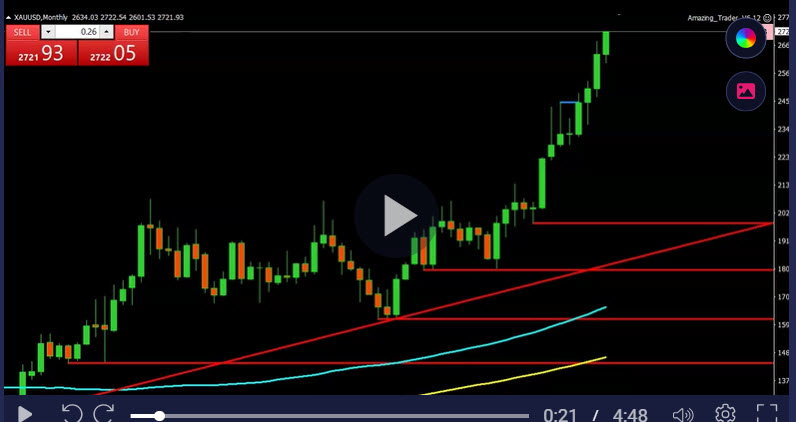
- Gold 5,279 (+1.88%)
- Silver 93.76 (+6.25%)
Precious metals rallied strongly, with silver significantly outperforming. The move signals revived safe-haven demand and strong momentum flows.
📊 Equities | Risk-Off Tilt
- S&P 500 6,866.01 (-0.43%)
- Dow Jones 48,897.46 (-0.90%)
- Nasdaq 100 24,960.04 (-0.30%)
- VIX 20.53 (+3.06%)
U.S. indices declined, led by Dow weakness, while volatility picked up above 20. The rise in VIX points to a cautious tone heading into the new month.
Funfact: XAUTUSDT (Tether Gold) has reached 5,480 already. Which means every moves now is in seconds!
This report is provided to The Concept Trading from Van Hung Nguyen