Market Snapshot March 3rd 2026 – The Concept Trading
Day 03: US – Iran War. Hormuz CLOSED, what is upcoming next!
Note: Please get yourself updated with the current status of this war as it will update per seconds, any volatility from the next morning is getting the charts among the highest levels. Stay in the highest cautious.
Data:
🟦 Global Rates & Sovereign Yields | Core yields near cycle highs after firm PCE
- United States (Treasuries)
2Y ~3.69% | 5Y ~4.02% | 10Y ~4.38–4.42% | 30Y ~5.02–5.07%
Treasuries extended losses after core PCE confirmed persistent inflation; markets scaled back expectations for near-term Fed easing. - United Kingdom
10Y Gilt ~4.68–4.75%, reflecting sticky services inflation and firm wage growth. - Germany / Eurozone
10Y Bund ~3.12–3.18%; Italy 10Y BTP ~3.72–3.80%; sovereign spreads broadly stable but elevated. - Japan
10Y JGB ~2.50–2.55%, near multi-decade highs amid ongoing BOJ normalization pricing. - Australia
10Y ACGB ~5.18–5.25%, supported by persistent inflation expectations and restrictive RBA stance. - Canada
10Y GoC ~3.70–3.78%, tracking U.S. yield direction alongside firm crude prices. - China
10Y CGB ~1.99–2.03%, accommodative bias intact to support domestic demand.
🟨 Global Equity Markets | Higher yields weigh on growth
United States (Fri close)
- S&P 500 (US500): ~6,820 (−0.6%)
- Nasdaq Composite: ~22,520 (−0.9%)
- Dow Jones: ~49,380 (−0.3%)
Tech and high-duration sectors led declines as real yields climbed; financials and energy relatively resilient.
Europe
- Euro Stoxx 50 (EU50): ~5,970 (−0.5%)
- DAX (GER40): ~24,900 (−0.6%)
- CAC 40: ~8,280 (−0.4%)
Indices retreated as Bund yields approached 3.2%.
Japan
- Nikkei 225: ~56,500 (−1.0%)
Stronger yen and rising domestic yields pressured exporters and semiconductors.
🟥 Macro “Red News” | Prior-Session Highlights
- United States: Core PCE inflation rose modestly above expectations, reinforcing “higher-for-longer” Fed narrative; personal spending remained solid.
- Labor Market: Jobless claims stayed historically low, underscoring resilience.
- Eurozone: CPI data showed gradual disinflation but above ECB target.
- Japan: Industrial output improved marginally; inflation remains contained relative to U.S./UK.
- Global Trade Indicators: Shipping volumes suggested stable demand entering Q2.
🟧 FX & Commodities | USD firm; gold pressured
- DXY: supported by yield differentials.
- USD/JPY: ~around 157.30.
- EUR/USD: ~1.17–1.18.
- Gold: ~US$5,250–5,430/oz, pressured by higher real yields.
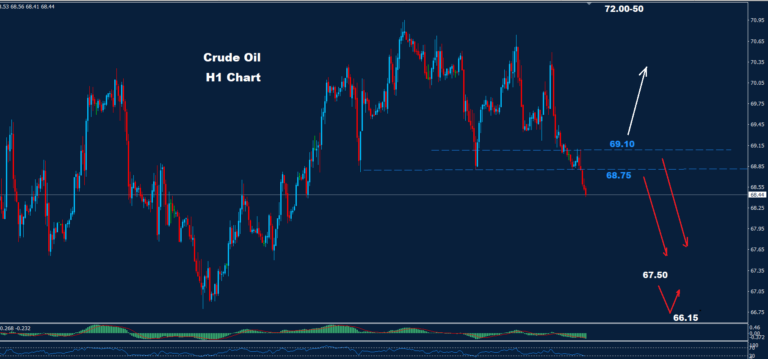
- Brent crude: ~US$76–78/bbl | WTI: ~US$71–73/bbl, supported by geopolitical premium and steady demand.
🔶 High-Impact Market Headlines
- Markets further push back Fed rate-cut timeline after firm inflation data.
- Global bond selloff pressures equity valuations, particularly growth sectors.
- BOJ normalization continues to drive volatility in JPY and global rates.
- Energy sector outperforms as crude approaches multi-month highs.
- Investors rotate toward value and defensive sectors amid rising yields.
- European sovereign yields approach psychological thresholds near 3%.
- FX markets reflect widening divergence in monetary policy paths.
Companies.
+) Nvidia remained in focus as AI-related volatility continued, with analysts debating sustainability of hyperscale spending and medium-term revenue growth despite strong recent results.
+) Salesforce shares traded mixed after reporting earnings, with strength in CRM cloud bookings offset by softer guidance for new AI offerings.
+) Microsoft remained bid on strong enterprise cloud demand and expanding adoption of Copilot-like AI services across corporate clients.
+) Apple traded modestly higher as investors anticipated upcoming product updates and stable services revenue.
+) Amazon saw mixed price action as analysts weighed AWS margin trajectory versus higher logistics costs.
+) Tesla underperformed amid broader EV demand normalization commentary and competitive pricing pressures.
+) Home Depot advanced after reaffirming its intent to return capital to shareholders via dividends and buybacks.
+) Walmart moved higher as defensive consumer names caught flows amid market rotation.
+) ExxonMobil tracked strength in energy prices, supported by commentary on upstream capacity discipline.
+) Chevron also gained as capital-return programs and oil price stability helped sentiment.
+) Procter & Gamble outperformed on defensive rotation flows and stable basic consumer demand.
+) Berkshire Hathaway traded in line with market as diversified holdings continued to draw institutional flows.
General
PART 1 — Market & Macro Morning Summary (02.03.2026)
Global markets opened Monday’s session with heightened volatility and risk-off positioning as geopolitical risk surged amid an escalating Middle East conflict centered on Iran. Macroeconomic focus has shifted from inflation data toward the impact of geopolitical disruption on energy, shipping, and growth expectations. Cross-asset moves reflected a mix of safe-haven demand, risk repricing, and inflation repricing on oil and gas price spikes.
Equities: Equity markets broadly weakened across Asia and Europe as geopolitical risk intensified and energy costs surged, with travel and airline stocks particularly pressured. U.S. markets showed mixed performance, with defensive rotation into energy and defense sectors offsetting losses in cyclical areas.
Fixed Income & Yields: Treasury yields rose modestly as markets balanced safe-haven demand with inflation concerns tied to energy prices. The short end bear-flattened amid conflicting signals from bond markets and equity volatility.
FX & Safe Havens: The U.S. dollar strengthened modestly on safe-haven flows, while traditional havens like the Swiss franc saw unusual dynamics due to intervention risk. Gold prices also climbed amid conflict risk and energy inflation pressures.
Macro Theme: Structured risk repricing is underway, driven by geopolitical shock rather than cyclical macro data, shifting cross-asset drivers toward energy and supply disruptions.
PART 2 — Commodities, FX & Sector Flows
Oil & Energy Markets:
Crude oil prices surged sharply on Monday, with Brent rising as much as ~13% and settling higher as concerns about supply disruption through the Strait of Hormuz intensified — the narrow chokepoint that handles about one-fifth of global crude and LNG exports. Disruption to shipping, refinery outages, and broader risk premiums contributed to the rally. Traders and analysts warn that sustained disruption could push prices above prior resistance levels, potentially into the $90 + range if the crisis persists.
Natural Gas:
Natural gas prices, particularly European LNG, saw dramatic moves, with benchmarks rising strongly after production halts at major export facilities and insurance risk premiums spiking.
FX – Dollar Strength & Volatility:
The U.S. dollar showed resilience on safe-haven flows amid geopolitical fear. The yen and Swiss franc exhibited volatility, influenced by intervention risk and carry dynamics in a turbulent environment.
Sector Rotation:
- Energy & Defense: Outperformed amid higher oil prices and conflict risk premiums.
- Travel & Airlines: Underperformed sharply due to route closures and rising fuel costs.
- Technology & Cyclicals: Mixed performance as risk sentiment weakened.
PART 3 — Geopolitical Update & Strategic Market Impacts (Iran Focus)
Conflict Escalation:
The geopolitical situation in the Middle East dramatically intensified following joint U.S. and Israeli military strikes on Iran at the end of February, including the killing of Iran’s Supreme Leader, Ali Khamenei — a development that has deeply unsettled markets and geopolitics. Iran’s retaliation has included missile, drone, and proxy attacks across multiple fronts, extending conflict beyond immediate war theaters.
Strait of Hormuz Crisis:
Iran’s Islamic Revolutionary Guard Corps (IRGC) announced closure of the Strait of Hormuz, warning that any ship attempting passage would be attacked. Industry data and tracking show tanker traffic has dropped sharply as shipping firms suspend transits, effectively disrupting roughly 20% of global oil trade volumes. Marine insurers have responded by canceling war-risk coverage, further raising route costs and pushing operators to seek alternate pathways or delay cargoes.
Regional Conflict Spread:
The conflict has widened:
- Hezbollah launched missile strikes into northern Israel, prompting further Israeli retaliation, marking a significant escalation in the broader conflict landscape.
- Iranian drones struck Saudi energy infrastructure, including attempts against key refineries, indicative of attacks on oil supply nodes.
Shipping & Insurance Impact:
Maritime insurers have terminated war-risk coverage in the Gulf, effective March 5, causing insurance premiums and freight costs to spike. More than 150 vessels are reportedly stranded or rerouted as insurers withdraw coverage and risk perception escalates.
Market Transmission Channels:
- Energy prices are now a central macro driver, influencing inflation expectations and policy outlooks.
- Safe-haven demand continues to benefit gold, Treasuries, and the dollar.
- Risk premia in equity and credit markets have expanded, particularly for travel and financial sectors sensitive to oil costs and slower growth.
Strategic Outlook:
The sustained conflict raises the probability of prolonged risk premiums in energy and broader inflation metrics, which may complicate central bank narratives around easing and keep rates elevated for longer than anticipated. Prolonged supply disruption could feed into both headline inflation and global growth deceleration through cost pressures and consumer spending impacts.
Upcoming News
Markets trade Tuesday with a labour- and demand-sensitive bias, as investors build positioning ahead of key U.S. employment data later in the week. Overall market sense is cautiously constructive but tactically selective, with FX and rates reacting more to labour-market cooling signals than to broad risk appetite. Volatility is expected to cluster around U.S. data, while equities remain sensitive to real-rate direction and growth durability.
In the United States, attention centers on JOLTS Job Openings and Factory Orders, both critical in shaping expectations for labour tightness and manufacturing momentum. JOLTS will be closely watched for confirmation that labour demand continues to moderate in line with the Fed’s soft-landing objective. A softer openings print would reinforce expectations of policy easing later in 2026, weighing on the USD and supporting front-end Treasuries. Conversely, renewed tightness in job openings could stabilize yields and limit downside in the dollar. Factory orders provide a secondary read on capex trends and industrial resilience.
Across Europe, the calendar is relatively light, leaving EUR trading primarily on relative yield differentials versus the U.S. rather than domestic catalysts. In the Asia–Pacific region, Australia’s retail data and Japan’s base wage indicators offer incremental clarity on consumption and wage dynamics relevant to RBA and BoJ expectations. Corporate catalysts remain limited, keeping macro confirmation and positioning flows as the dominant drivers.
| Time (GMT+7) | Category | Country / Region | Event | Market Relevance |
| 08:30 | 🔴 Red News | Australia | Retail Sales (m/m) | Household demand; AUD sensitivity |
| 16:55 | 🔴 Red News | Germany | Unemployment Change | Labour-market slack; EUR sentiment |
| 20:30 | 🔴 Red News | United States | Factory Orders (m/m) | Manufacturing demand; USD & rates |
| 22:00 | 🔴 Red News | United States | JOLTS Job Openings | Labour-market tightness; Fed path implications |
| All day | 🔶 Stress / Headlines | Global | Pre-payroll positioning / policy headlines | May amplify FX and rates moves |
Snapshot (02.3.2026)
🟢 Dollar Stronger | DXY 98.55 (+0.92%)
The U.S. Dollar Index jumped to 98.55, marking a sharp upside move as markets rotated defensively. The rally suggests renewed demand for USD liquidity, with positioning turning more cautious at the start of the week.
🔄 G7 FX | Broad USD Strength
- EUR/USD 1.1689 (+0.02%)
- GBP/USD 1.3401 (-0.03%)
- USD/JPY 157.37 (+0.01%)
- USD/CHF 0.7795 (+0.01%)
Despite the stronger DXY, price action across majors remained relatively contained. USD/JPY held firm above 157, while EUR stabilized after prior gains.
🪙 Crypto | Sideways Consolidation
- BTC 68,799 (-0.03%)
- ETH 2,027 (+0.04%)
- SOL 86.44 (-0.17%)
Crypto markets traded mixed, with Bitcoin hovering near 69k and altcoins showing limited directional conviction. Momentum appears to be consolidating after recent volatility.
🥇 Metals | Higher on Volatility Hedge
- Gold 5,357 (+0.66%)
- Silver 90.66 (+1.57%)
Precious metals advanced, supported by volatility hedging and cross-asset uncertainty. Silver outperformed, reflecting elevated speculative flows.
📊 Equities | Mixed Risk Tone
- S&P 500 6,862.75 (-0.20%)
- Dow Jones 48,816.43 (-0.18%)
- Nasdaq 100 24,992.60 (+0.13%)
- VIX 21.17 (+0.47%)
U.S. indices showed a mixed performance, with tech slightly outperforming while broader benchmarks softened. The VIX ticked higher above 21, signaling a cautious start to the week.
This report is provided to The Concept Trading from Van Hung Nguyen