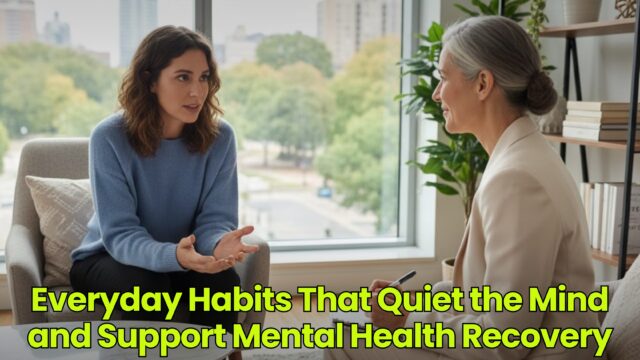
Everyday Habits That Quiet the Mind and Support Mental Health Recovery




Mental health struggles are real. Feeling depressed or anxious is as serious as physical illnesses like autoimmune conditions and cancer. Treatment, recovery, and ongoing support are essential. These steps can make the difference between someone who survives a mental illness and someone who doesn’t.
But due to lingering stigmas and misperceptions about mental health conditions, people don’t always get the help they need. Recognizing the symptoms or having a loved one gently point out their observations can initiate treatment. Yet once the intensive treatment stage is over, what happens next? At this point, ongoing recovery depends on developing new habits and adopting new thinking patterns. To support this critical phase, consider the following suggestions.
Make Connections
Connecting with others can have a positive impact on your mental health. Building and maintaining relationships means you’re less likely to feel isolated. Others can also lend support, even if it’s simply listening to what you’re going through. Relationships with friends, family, and co-workers aren’t the only connections that matter, though.
Relationships you build through volunteering, peer support groups, and during programs at a Utah depression treatment center may be instrumental. Say you complete an inpatient depression treatment program. During the program, you participate in group and individual therapy. You can rely on the connections you make with others who are going through similar experiences. Once you’ve completed your program, you may need to check in for continued support.
Connections with those outside of a treatment program can be beneficial, too. If you want to get out of the house, you might try catching up with a friend over lunch or dinner. You could plan a fun outing with friends and family to get away from everyday sources of stress. While you don’t have to meet in person every day, talking with others increases your sense of belonging. You may also get a chance to extend support to peers who need someone to listen.
ALSO READ: No Time? No Problem—5 Minute Meditation to the Rescue
Exercise
A physical fitness routine brings your mind and body together. During exercise, your brain has to work with your body to perform whatever physical activity you’re doing. It could be jumping jacks, swimming, walking, or climbing a rock wall. What exercise you do doesn’t matter as much as your commitment to doing something almost every day.
Besides syncing your brain and body, exercise can increase the endorphins your brain produces. Endorphins are neurotransmitters that can boost happy feelings and decrease feelings of pain. The release of endorphins is also called a runner’s high. However, you don’t have to run for your brain to produce more of these neurotransmitters.
The release can happen with aerobics, walking at a fast pace, and team sports. Exercise is cumulative, so you don’t have to be doing cardio for an hour-long stretch to get the benefits. You can do a quick 20-minute session in the morning, followed by shorter 10-minute activity bursts throughout the day. Some people also find physical fitness mentally relaxing and a good way to relieve stress.
Hobbies
Hobbies such as reading, journaling, painting, and other creative endeavors are ways to unwind. You get to express yourself through creativity or immerse yourself in the worlds of other creative people. No, hobbies won’t fix a mental health issue. And if you’re in the early stages of treatment for certain disorders like depression, you may not feel like participating in activities.
But once you’re past the initial treatment stages, returning to your interests makes you feel alive again. Activities that once inspired you can do so once more. Besides the hobbies you remember enjoying, you may also want to pursue new interests.
Say you decide to explore pottery. You sign up for a recreational class at your local community college. Going there once a week helps you learn new skills, be creative, and expand your network. Returning to previous or discovering new hobbies keeps your mind active, but not on distressing thoughts. You’re participating in life while getting an emotional boost from doing what brings you joy.
Refreshing Sleep
Ever tried to go a full day with only a couple of hours of sleep the night before? It probably didn’t go so well. Irritation, drowsiness, and concentration difficulties set in fairly quickly. Your tolerance for typical minor annoyances goes down, leaving you vulnerable to snapping at others. A lower tolerance may also extend to all forms of environmental stimulation, including noise.
Because of this lower tolerance to stimuli, you may not be able to think clearly. Poor concentration could lead to mistakes and not-so-great decisions. Not getting enough sleep is also known to aggravate underlying mental health conditions, such as anxiety and depression. Other health issues, including weight gain and heart disease, have been linked to inadequate sleep.
It’s important to note that it’s not just the amount of sleep you get every night that may affect your health. The quality matters, too. So, if you wake up feeling tired after a full eight hours, your sleep cycles may have been interrupted. Getting refreshing sleep most nights supports overall well-being, including mental health recovery.
Supporting Mental Health Recovery With Everyday Habits
Recovery from a mental health condition takes learning and practicing positive lifelong habits. Once you’ve completed your initial treatment, you’ll need to continue to practice what you learned during your program. Changing your thinking patterns and building self-esteem are imperative parts of your recovery.
But so is getting support in the form of insights and attentive ears from people who care about you. The activities you do each day will make a difference in sustaining your recovery. Make them work in your favor.
UP NEXT: The Best Feeling Good Meditation for Relaxation and Positive Energy
Source link