Meta Is Betting Big on the Next Internet
Meta, formerly known as Facebook, is betting big on the next internet—and it’s a gamble that could reshape everything we know about virtual reality (VR), artificial intelligence (AI), and online advertising. Meta is no longer just a social media company; it’s evolving into a global tech powerhouse focused on building the future of human connection. But what exactly does that mean for us?
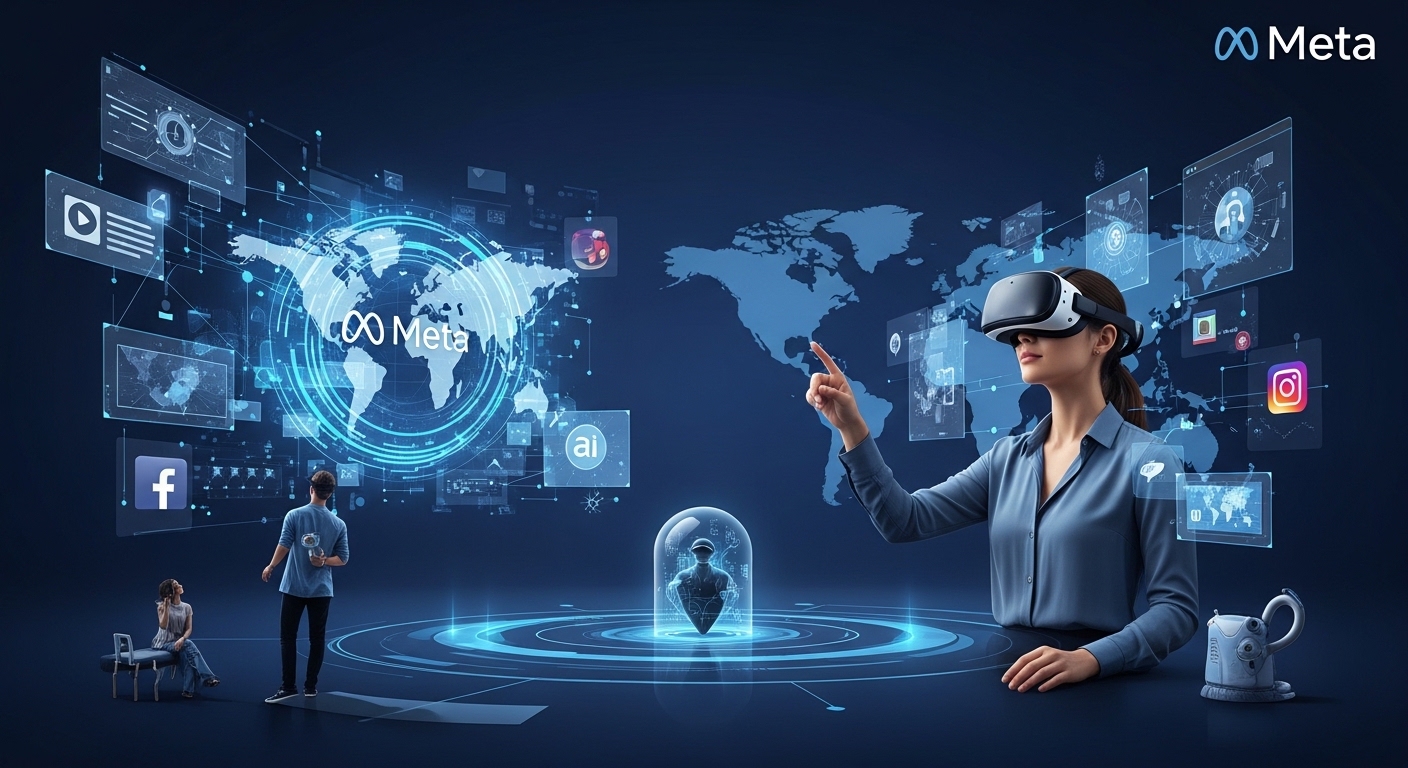
The company has already transformed the way we connect with people across the globe, whether it’s through Facebook, Instagram, or WhatsApp. But Mark Zuckerberg and his team are setting their sights on something much bigger—an entirely new virtual world that blends our physical reality with the digital space. This vision is all about combining Meta platforms, AI, and virtual reality to create immersive experiences that could change how we live, work, and interact with each other.
Virtual Reality and AI Integration
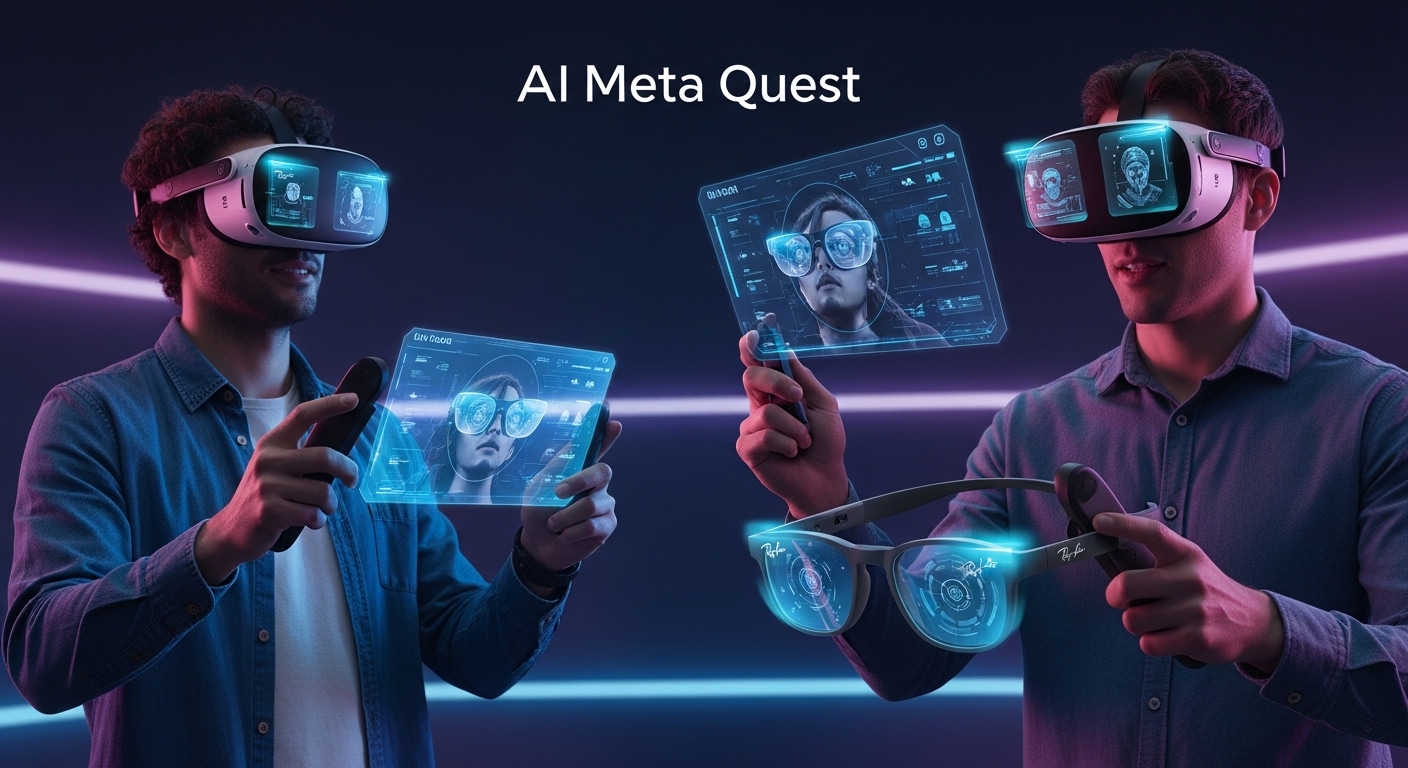
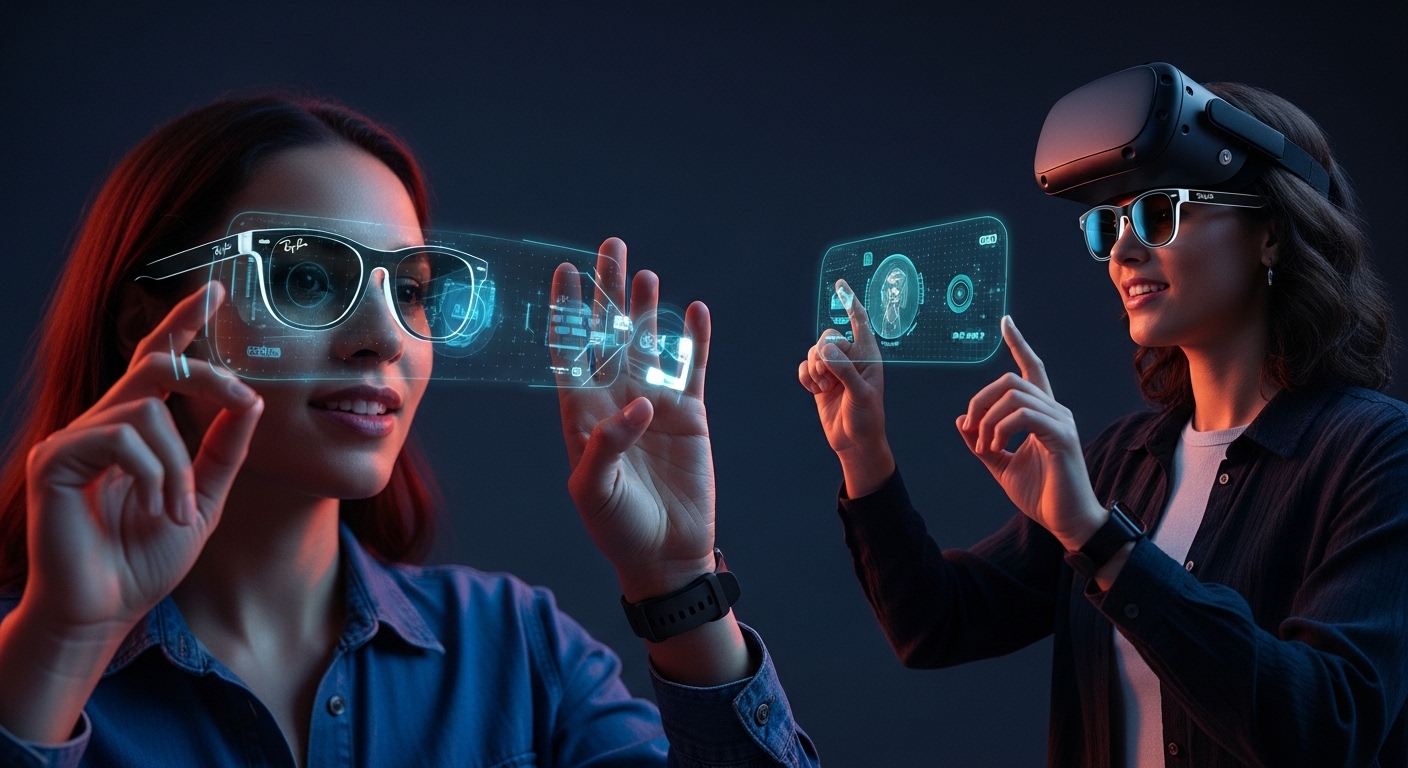
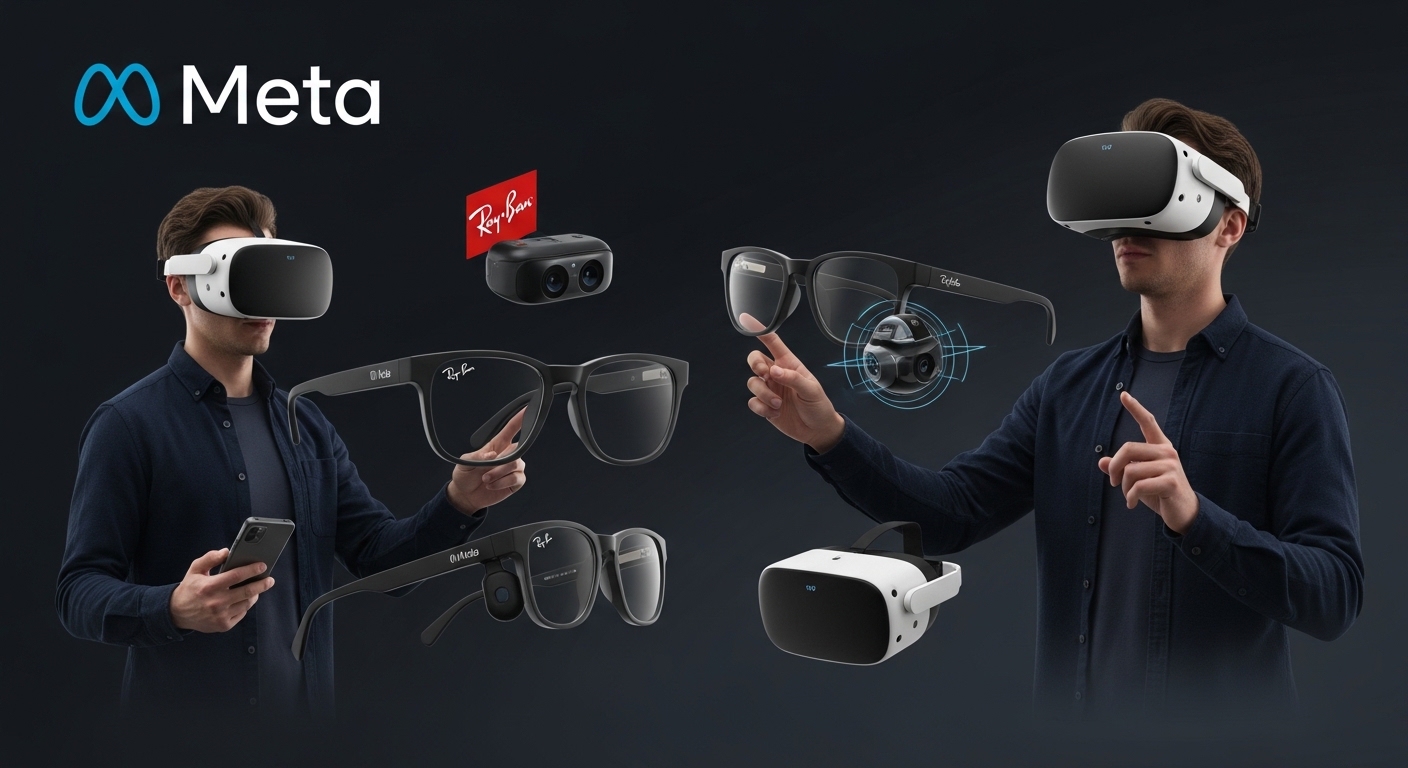
One of the most exciting aspects of Meta’s future is its focus on virtual reality and the metaverse. With Meta Quest and Meta Ray-Ban display glasses, the company is paving the way for a new digital experience. These products allow users to connect with others and the world in ways once only imagined in sci-fi. The Meta Neural Band takes it a step further, merging neuroscience with technology to make virtual worlds feel more real.
The catch is that all these products rely on AI to work. Meta AI has become crucial to the company’s business model. It enhances everything from ad experiences to user interaction with content. Meta’s advertising tools help businesses target customers precisely. User accounts across all Meta platforms, like Instagram, manage profiles, access, and features such as content moderation and privacy. Behind the scenes, Meta’s AI works to personalize the experience, curating content feeds and targeted ads. It’s not just smart—it’s evolving into personal superintelligence, tailored to each user for a safer, more relevant web experience.
Meta also uses cookies and similar technologies to improve content and functionality across its products.
READ ALSO: Artificial Intelligence and Science Fiction: A Swapped Reality
Meta’s Vision for the Future
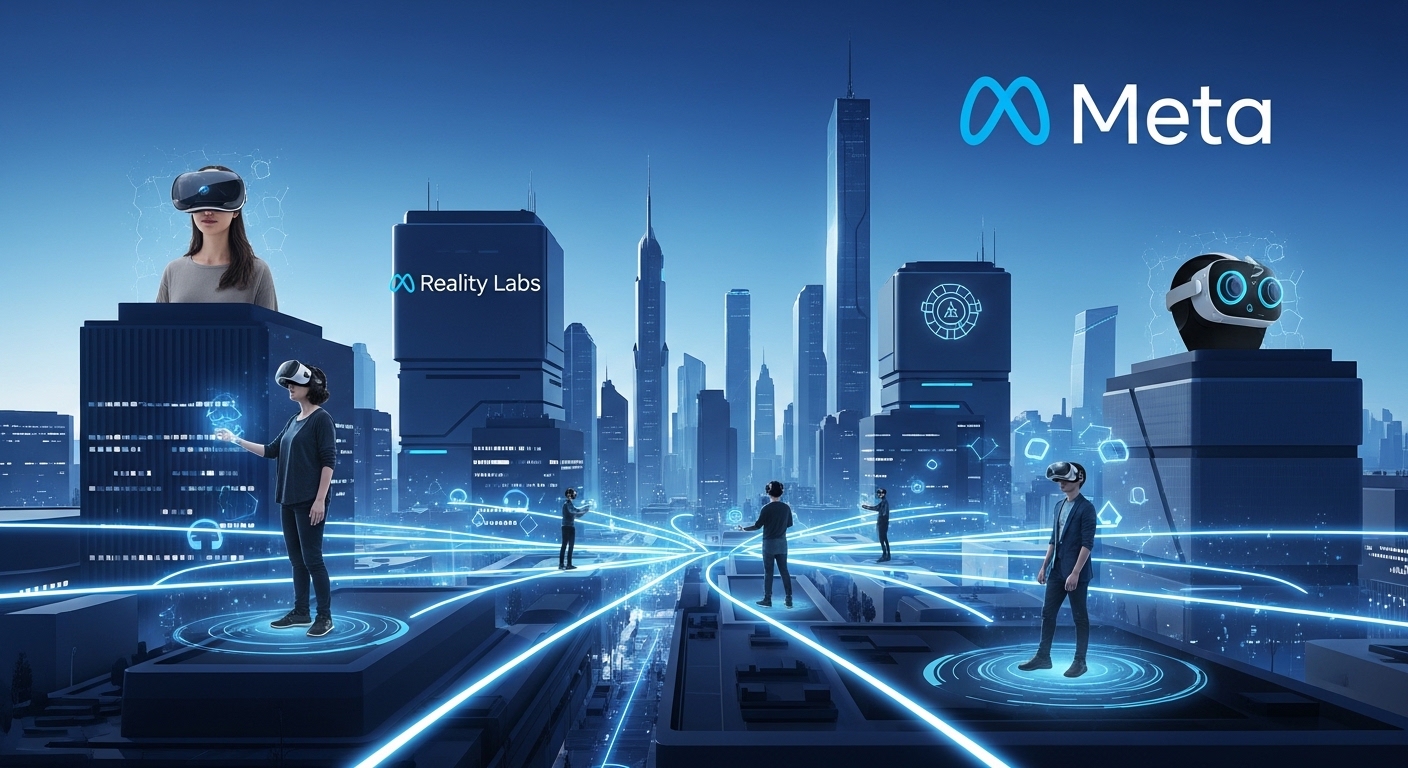
What’s next for Meta? The company has made it clear that it’s all about next-generation technologies. Reality Labs, Meta’s research division, is working on the next evolution of the virtual world. With a combination of VR and AI, Meta aims to create a space where people connect in more meaningful ways.
This is more than just a place to hang out—it’s about how Meta platforms build community and create real-time connections that feel as authentic as in-person interactions. And with Meta platforms like Facebook and Instagram, the reach of this new internet is expected to be massive.
Meta has already empowered billions of people around the world, and its ecosystem allows for instant global communication, connecting over 3.2 billion daily active users. The company’s ambition is to extend that reach, improve Meta products, and build a safer experience for all.
Meta provides support to users, businesses, and communities through its platforms and initiatives. Meta’s global infrastructure includes physical sites around the world, such as its headquarters in Menlo Park and regional offices in many countries.
Of course, Meta is aware of the challenges ahead. The company needs to strike the right balance between pushing the envelope on innovation and respecting users’ privacy. It is also exploring other ways to drive societal change and technological advancement. Online advertising plays a huge role in it’s revenue growth, but online advertising is increasingly under scrutiny. Controlling cookies and providing users with cookie choices is critical to ensure that Meta stays on the right side of regulations—especially in places like Europe where cookie management and data privacy laws are stricter.
READ ALSO: Cool Men Gadget Every Tech-Savvy Guy Needs
How Meta Platforms Stand Out
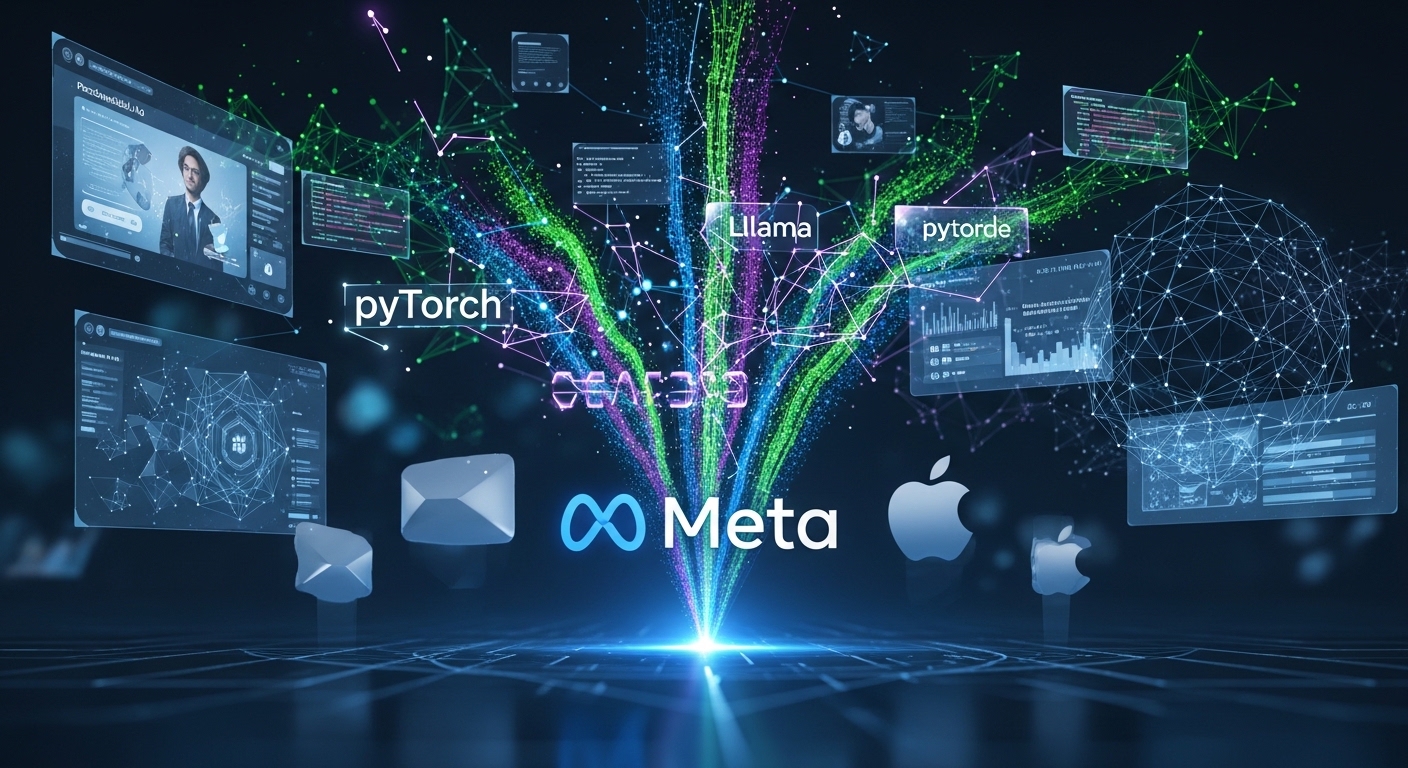
It’s not the only company investing heavily in virtual reality and AI, but what sets it apart is its unique position in the advertising market and its commitment to open-source AI. Companies like Google and Apple are certainly developing similar technologies, but Meta has become a major player in the open-source space with its development of models like PyTorch and the Llama models. The earlier version of Llama was released to academics, providing a foundation for collaboration and improvements before the commercial release of Llama 2. Announced in July 2023, Llama 2 is now available for commercial use, thanks to partnerships with major cloud providers like Microsoft. This strategic move reflects Meta’s focus on leading AI development in an open and accessible way.
What really makes Meta stand out is its deep understanding of the advertising landscape. In 2023, advertising accounted for nearly 98% of Meta’s revenue, a testament to the company’s mastery of targeted advertising. By harnessing AI and consumer data, Meta delivers highly personalized experiences, making its platforms an attractive choice for businesses aiming to grow their brands. Having a business page on platforms like Facebook or Instagram has become essential for community engagement and branding, making Meta a central hub for advertisers. This level of integration between advertising tools and technology sets Meta apart in the competitive tech landscape.
Bridging Virtual Reality and Intelligence
Meta Platforms is transforming the tech industry by seamlessly merging artificial intelligence with virtual reality, creating a new era of immersive, intelligent experiences. The Meta Quest and Meta Ray-Ban Display are groundbreaking products at the forefront of this transformation. The Meta Quest brings next-generation virtual reality to users, allowing them to engage in gaming, fitness, and entertainment in ways previously unseen. Meanwhile, the Ray-Ban Meta glasses combine AI technology with fashion, offering users a stylish way to interact with their digital environment. The addition of the Meta Neural Band, a wrist-worn device that uses electromyography to control AI glasses, further demonstrates Meta’s commitment to enhancing human connection and creating interactive experiences that feel natural.
But Meta is not just about creating cutting-edge hardware—it is also redefining the online advertising experience. By providing businesses with the tools to control ads, manage cookies, and refine data privacy, The company offers users a more personalized and safe browsing environment. This integration of AI-powered tools not only improves the ad experience for users but also supports businesses by helping them reach their target audiences with precision. The combination of AI, virtual reality, and advertising makes Meta uniquely positioned to drive both revenue growth and user engagement across its platforms.
READ ALSO: Tech for Normal People Archives
Meta’s Ambitious Goals
Looking ahead, Meta has some lofty goals. The company wants to be the leader in AI glasses, AR, and virtual reality. It is focusing on building the metaverse, which includes augmented reality technologies, and its AR innovations are a key part of this strategic shift. With the development of Ray-Ban Meta glasses, which have been identified as among the fastest-growing consumer electronics in history, users can interact with the world in a whole new way, and it is paving the way for the next generation of immersive technology.
Note: Meta’s vision for the metaverse was influenced by a 50-page vision document titled ‘The Metaverse’ sent to Facebook’s leadership in 2018, and the name ‘Meta’ had been registered as a trademark in the United States in 2018. The company was originally established in 2004 as TheFacebook, Inc., renamed Facebook, Inc. in 2005, and rebranded to Meta Platforms, Inc. at Facebook Connect on October 28, 2021. Facebook launched in 2004, revolutionizing human connection and social interaction online, and has since expanded its product lineup with Messenger, Instagram, and WhatsApp, shaping the future of social technology and immersive experiences.
And with Meta platforms expanding into new markets like Asia Pacific, the company is positioning itself for global dominance.
But for Meta to succeed in its mission, it will need to focus on improving content, increasing user engagement, and ensuring that advertising remains an integral part of the platform’s business model. By improving Meta products and supporting businesses, it can continue to grow its revenue and maintain its leadership position in the market.
Achieving the Next Evolution of the Web
One thing is clear: Meta’s impact on society and the internet is undeniable. Whether it’s through virtual reality, AI-powered tools, or online advertising, It is shaping the way we interact with the web. Video plays a central role on Meta’s platforms, driving social media content, advertising, and user engagement across Facebook, Instagram, and WhatsApp. The company’s vision for a more connected world relies on its ability to integrate new technologies with real-world applications. Meta also provides global support to users and communities through its extensive operations, infrastructure, and initiatives that back both individuals and technology projects. As Meta continues to innovate, it’s clear that the next internet is going to be very different from the one we know today.
So, what does Meta mean for the future of the internet? Only time will tell, but one thing is for sure: Meta’s vision for the next evolution of the web is nothing short of ambitious. With Mark Zuckerberg leading the charge, Meta is poised to continue its revenue growth and improve the user experience across all of its platforms. Get ready, the future of the internet is coming—and Meta is leading the way.
UP NEXT: The Complete Business Tips and Guides
Source link