Minimalist Lifestyle Benefits Even Maximalists Crave



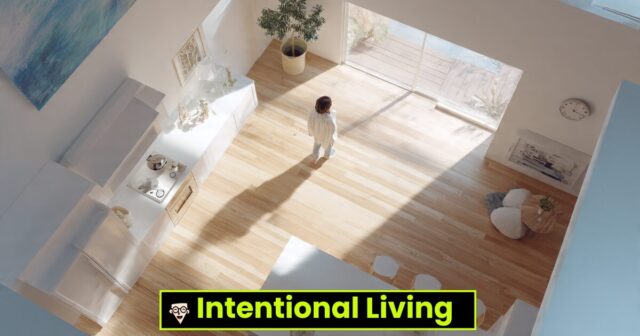
Let’s be real — the world’s obsessed with more. More gadgets, more clothes, more chaos disguised as “must-haves.” But lately, there’s a quiet rebellion brewing — a stylish, soul-deep movement that says less is the new luxury. Yep, we’re talking about the minimalist lifestyle benefits that even self-confessed maximalists secretly crave.
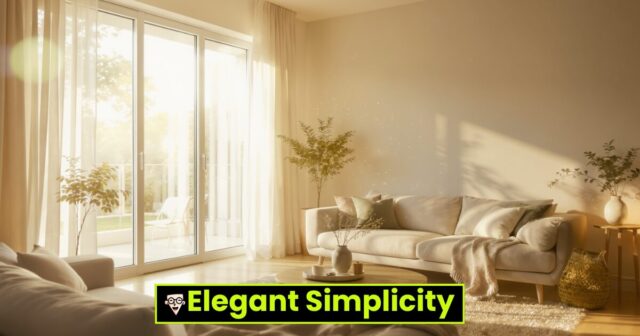
Minimalism isn’t about giving everything away or living in an empty white cube. It’s about learning to breathe again — to live with intention instead of accumulation. Imagine waking up in a space that feels calm instead of cramped, where every item has a purpose and nothing screams for your attention. That’s not just design; that’s therapy for your overworked mind.
The truth is, minimalist living isn’t about having less — it’s about making room for more. More focus, more clarity, more joy. When you stop filling your life with stuff that doesn’t serve you, you finally create space for what does. It’s not about perfection; it’s about peace.
So whether you’re decluttering your closet or decluttering your thoughts, this lifestyle isn’t a trend — it’s a quiet revolution. And once you feel the freedom it brings, trust me, you’ll never look at your overflowing shelves the same way again.
When Less Becomes More Magic
Here’s the thing: the minimalist lifestyle is NOT about living in an empty white cube or counting your socks. It’s about curating your life so everything you keep actually matters. You trade chaos for clarity. Suddenly, less clutter feels like a luxury. That half-empty shelf? That’s peace, baby. You begin to realize that having less stuff gives you more space to breathe, to think, to feel. It’s not scarcity; it’s strategy.
Fun Fact: Researchers at UCLA’s Center on Everyday Lives of Families discovered that cluttered home environments are strongly linked to higher cortisol levels — the hormone responsible for stress. This means that physical mess doesn’t just look chaotic; it creates real, measurable tension in the body. When spaces are organized and calm, cortisol naturally drops, leading to improved mood and focus.
The beauty of minimalist living lies in the quiet confidence it creates. You walk into a clutter free environment and instantly feel lighter. Every object becomes intentional—chosen, not accidental. Your material possessions stop shouting for attention because only the meaningful ones remain. And when your surroundings calm down, your mind follows. You start noticing details: the way light hits your wall, how air actually moves through your home.
People think minimalism means giving up joy. Wrong. It’s about filtering your world until only joy stays. You stop spending on meaningless décor and start investing in experiences that make your soul grin. You don’t just live in a space—you feel it. And that’s the quiet, golden secret behind minimalist lifestyle benefits: the less you own, the richer your life feels.
Declutter Your Space, Declutter Your Mind
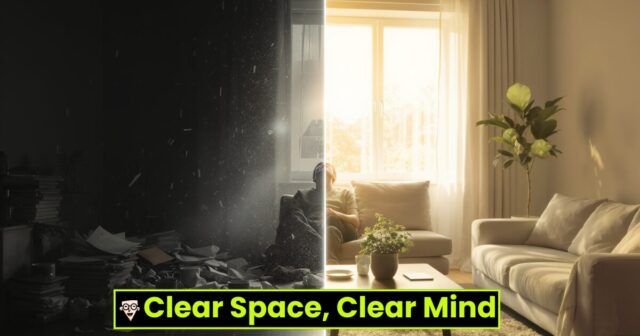
Let’s get real — your brain can’t find peace in a space that looks like a yard sale. Every piece of clutter screams for attention, even when you swear you’ve learned to ignore it. That stack of unopened mail? It’s mental noise. The random mug collection? Emotional baggage disguised as “memories.” When you finally clear it all, you realize how much mental clutter it was creating. Your thoughts feel lighter, and your breathing slows down. It’s not magic. It’s science — your brain thrives in order.
Minimalist living isn’t just about making your home pretty for Pinterest. It’s about reclaiming your sanity. Every time you clear a drawer or tidy a counter, you’re also cleaning up a little corner of your mind. A clutter free environment allows space for calm and clarity to flow in. You start sleeping better, thinking sharper, and even smiling more — all from simply seeing less clutter around you.
What’s wild is how fast the change happens. Once you toss out unused items that drain your energy, you start feeling physically lighter. Your mornings get easier, your routines smoother, and your stress levels drop. The air even feels different — fresher somehow.
So no, you’re not just “organizing.” You’re detoxing your entire headspace. And the moment you see how much minimalism helps with your focus, you’ll wonder how you ever lived surrounded by chaos. Peace isn’t found in buying more; it’s found in having less.
The Minimalist Mindset Shift
Here’s the truth: minimalism isn’t just about having an emptier closet. It’s about having a clearer mind. The real transformation starts when you realize you don’t need more possessions to feel fulfilled — you just need more purpose. This is the minimalist mindset shift, and once it clicks, there’s no going back.
You stop buying things to fill emotional gaps. You stop letting sales and trends control you. And, you start asking, “Does this add value to my life?” And when the answer’s no, you walk away — guilt-free. Suddenly, accumulating items feels pointless. You stop chasing the temporary dopamine hit of another package at your door and start chasing peace instead.
Embracing minimalism doesn’t mean living without comfort or beauty. It means knowing the difference between what’s essential and what’s excess. You begin to crave fewer possessions but richer experiences — slow mornings, good books, and time that feels intentional. This is where benefits of minimalism show up in the sneakiest way: less comparison, less chaos, and way more control.
When your choices align with your values, something shifts. You stop reacting to life and start curating it. The minimalist mindset gives you permission to step off the treadmill of “more” and breathe in simplicity. It’s not about missing out. It’s about finally catching up with yourself — and realizing that’s where the real abundance lives.
READ MORE: Why Minimalism?
Fewer Distractions, Greater Focus
Imagine waking up to a space that feels calm, quiet, and intentional — no piles of mail, no random cables, no leftover chaos from yesterday. That’s what fewer distractions actually look like. A minimalist approach gives your mind the breathing room it’s been begging for. Suddenly, your focus isn’t split between ten things on your desk and five tabs in your brain. You can finally think straight.
Here’s the secret no one tells you: clutter isn’t just physical — it’s psychological. Every unfinished task, every messy corner, every buzzing notification takes a piece of your attention. When you reduce clutter, you’re not just cleaning — you’re reclaiming energy. You start to feel sharper, calmer, and more productive. That’s not coincidence. That’s how the minimalist lifestyle benefits your mind.
Once your environment supports your priorities, magic happens. You spend less time reacting and more time creating. Your thoughts stop competing for oxygen. You actually finish things — like that project that’s been sitting half-done for months. And no, it’s not because you suddenly became a productivity coach. It’s because minimalism helps your brain do what it’s designed to do — focus on one thing at a time.
This isn’t about perfection. It’s about intention. The goal isn’t to live in silence but to turn down the background noise so your best ideas can rise to the top. When your space gets simpler, your life follows. And that clarity? It’s addictive.
Minimalism and More Money (Yes, Please)
Here’s a plot twist — the benefits of minimalism don’t stop at peace and clarity. They show up in your bank account too. That’s right, minimalism doesn’t just declutter your life; it declutters your spending habits. You stop burning through your paycheck on material possessions that lose their sparkle in a week, and you start valuing what actually matters. The end result? More money, more freedom, and a lot less buyer’s remorse.
When you’re not constantly accumulating items, your wallet starts to breathe. You realize that saving money isn’t about being stingy — it’s about being smart. You no longer chase the thrill of new purchases because you’ve learned the real thrill comes from control. Minimalists don’t stop spending; they just spend intentionally. Each dollar becomes a decision that aligns with their purposeful life.
And let’s be honest — financial freedom feels a lot better than owning another pair of shoes. You start seeing your money as a tool, not a trophy. Suddenly, you’re not buying to impress strangers; you’re investing to improve your future.
So yes, minimalist lifestyle benefits your finances just as much as your peace of mind. You earn the priceless gift of knowing where your money goes — and why. And when you finally stop living for things and start living for meaning, you’ll see it’s not about having less — it’s about having enough.
Spending Less, Living More
Let’s spill the truth — we’ve been brainwashed to think more spending equals more living. But spoiler alert: it doesn’t. The magic happens when you flip that script. Minimalism teaches that when you spend less, you don’t lose quality — you gain freedom. You stop working overtime for things that collect dust and start investing time in what truly lights you up.
Most people chase “busy.” Minimalists chase balance. You stop equating money with worth and start realizing that peace has no price tag. Minimalist living helps you see that saving money isn’t about cutting joy — it’s about choosing it. When you stop buying every “must-have” trend, you start building a life that feels stable, intentional, and yours. You end up with more time to breathe, reflect, and enjoy life beyond your paycheck.
Here’s where the transformation gets juicy: the benefits of minimalism multiply fast. You start to notice your time spent feels fuller — real conversations, quiet mornings, maybe even that hobby you forgot you loved. You reconnect with friends and family because you’re no longer glued to online shopping carts or working extra just to fund them.
And that’s the irony — the less you spend, the richer your days become. You realize joy isn’t in what you own but in what you experience. The minimalist lifestyle benefits go far beyond your wallet; they rewrite your definition of abundance. You stop living to earn and start earning to live.
The Minimalist Home That Feels Like Therapy
You know that sigh of relief when you walk into a clean hotel room? That’s the exact feeling a minimalist home gives you — except it’s yours, every day. There’s this lightness in the air, a calm that hugs you the second you walk in. No piles of laundry judging you. No random cords tangled like spaghetti. Just quiet, open space that says, “You can relax now.” That’s not luck — that’s the design magic behind the minimalist lifestyle benefits you keep hearing about.
A tidy space is more than eye candy. It’s a mood shifter. You wake up to sunlight dancing across your walls instead of the chaos of clutter. You start feeling good — no, you feel great — because everything in sight serves a purpose or sparks happiness. That’s not minimal; that’s mindful. Designers call it the minimalist aesthetic. I call it the ultimate self-care move.
When your environment stops draining your energy, it starts recharging it. Your home becomes your sanctuary, not your stress trigger. You finally see the beauty of simplicity — a cup of coffee on a clean counter suddenly feels luxurious. Even your visual field relaxes, because there’s nothing shouting for your attention.
This is what minimalism helps you achieve — peace without pretense. You’re not trying to impress guests anymore. You’re creating a home that impresses you. And that, honestly, is the most satisfying feeling there is.
ALSO READ: 4 Baby Steps to Approach Minimalism As a Lifestyle Today
Mental Space Is the New Luxury
Here’s the truth — you can buy designer bags, book fancy trips, and fill your schedule with plans. But none of it compares to having true mental space. That’s the new luxury, and once you experience it, you’ll never crave chaos again.
We live in a world obsessed with more — more noise, more stuff, more stimulation. But minimalism flips that script completely. It teaches you to sit in the silence without reaching for your phone. It reminds you that peace isn’t something you stumble upon; it’s something you create. When you cut out clutter — both in your space and your schedule — your mind finally exhales. You start to feel a sense of clarity you didn’t know was missing.
The benefits of minimalism reach deep here. With less visual and mental clutter, you unlock new creativity, sharper focus, and genuine rest. You stop living in reaction mode and start living intentionally. You even feel increased happiness because your thoughts finally have room to breathe. It’s that beautiful quiet where more joy sneaks back in — the kind that doesn’t come from buying things but from being present.
So no, peace of mind isn’t boring — it’s premium. And unlike fancy subscriptions or spa memberships, this one’s free. All it costs is letting go of what doesn’t serve you.
The Environmental Benefits Nobody Talks About
Okay, real talk — minimalism doesn’t just make your home look good. It makes the planet look better too. The environmental benefits of living with less are massive, even if they don’t get the same hype as “aesthetic” home tours on social media. Every time you say no to another fast-fashion haul or impulse gadget, you’re doing the Earth a quiet favor.
Here’s how it works: when you buy fewer possessions, you reduce demand for mass production — and that means less waste, less energy use, and less pollution. It’s not about becoming some eco-warrior overnight. It’s about small, intentional choices that add up. Fewer factory-made things mean fewer trucks on the road, less packaging in landfills, and fewer resources wasted. It’s a domino effect that starts right in your living room.
Fun Fact: The United Nations Environment Programme reports that reducing unnecessary consumption and waste could cut global greenhouse gas emissions by nearly 20%. When individuals buy fewer, higher-quality items, they reduce resource extraction, manufacturing pollution, and landfill waste. Minimalism, therefore, acts as a quiet but powerful form of environmental stewardship.
Owning less also means you naturally produce less waste. You start reusing, recycling, and rethinking before purchasing. That’s how minimalist living ties directly to lowering your environmental impact. Even donating or selling unused items instead of tossing them makes a difference — it gives things a second life and saves natural resources.
So yes, that clean, serene home of yours is secretly a planet-friendly powerhouse. By embracing minimalism, you’re showing that caring for your environment doesn’t mean sacrificing comfort. It means choosing wisely. Minimalists don’t just live lighter — they help the world breathe easier too. And honestly, what’s more stylish than that?
Personal Growth Through Minimalism
Here’s where minimalism stops being just a design trend and starts becoming a personal revolution. When you strip away the noise, the distractions, and the endless need to upgrade, you finally meet yourself — the version that’s been buried under stuff and clutter for years. It’s uncomfortable at first, sure, but that’s where the magic of personal growth begins.
Having fewer possessions teaches you discipline. It forces you to ask hard questions: “Do I need this?” “Does this add value to my life?” You start defining worth in terms of peace, not price tags. And that’s when growth sneaks in — not through self-help books, but through silence, simplicity, and self-awareness. You start to create instead of consume, focus instead of scatter, and choose instead of react.
Minimalist living isn’t about ignoring joy; it’s about finding it in places you once overlooked. You start cherishing simple moments — morning sunlight, a quiet meal, time with your loved ones. You realize your life doesn’t need to be filled; it needs to be felt.
This is where the benefits of minimalism hit deepest: you become more present, more grateful, and more grounded. Minimalism helps you stop running from yourself and start evolving into your best version — one peaceful room, one clear decision at a time.
Creating Space for What Truly Matters
At its core, minimalism isn’t about giving things up — it’s about making room for what actually matters. It’s not a rejection of life’s pleasures; it’s a celebration of purpose. Once you stop drowning in clutter, something amazing happens: you finally have the space — mental, emotional, and physical — to welcome the good stuff.
You start to create instead of consume. Your days feel less rushed because you’re no longer buried under to-do lists and unnecessary possessions. You start investing energy where it counts — your passions, your goals, your family, your friends. You spend less time worrying about appearances and more time nurturing experiences that make you genuinely happy.
That’s the beauty of a minimalist lifestyle. It gives you the freedom to design your life with intention. You don’t just fill your calendar — you curate it. You don’t chase “someday”; you build moments that matter now. And each choice, no matter how small, feels aligned with your purpose.
Minimalism helps you realize that simplicity isn’t scarcity — it’s clarity. The benefits of minimalism become crystal clear when you look around your house and see things that serve a function or spark joy, not clutter that drags you down. You begin to live a purposeful life where peace is the priority and every corner of your world feels intentional. Because at the end of the day, the best things in life aren’t things at all.
The Bottom Line: More Life, Less Stuff
Here’s the ultimate truth: the benefits of minimalism go way beyond clean shelves or pretty Pinterest boards. They reach into every corner of your life — your health, your focus, your money, your happiness, and your peace of mind. When you finally let go of the extra stuff, you don’t lose anything; you gain everything.
You gain more money because you’re no longer buying out of impulse. You gain more time spent on things that feed your soul — like slow mornings, real laughter, and meaningful connections. And lastly, you gain a greater sense of calm that no luxury purchase could ever replicate. And most of all, you gain the confidence of knowing that your lifestyle finally matches your values.
Minimalism isn’t about sacrifice — it’s about intention. You stop living on autopilot and start steering your life with clarity. You start recognizing that happiness isn’t hiding in a shopping cart; it’s sitting quietly in the space you just cleared. Minimalism helps you focus on experiences that spark more joy, not more stress.
So whether you’re knee-deep in your minimalist journey or just cleaning one drawer this weekend, remember: every small step counts. The minimalist lifestyle benefits don’t come from perfection — they come from progress. You’re not just creating a home that’s lighter — you’re creating a life that feels limitless. And honestly? That’s the kind of abundance we all crave.
UP NEXT: Zero Trash Lifestyle That Made My Apartment Pinterest-Worthy
Frequently Asked Questions
1. Is minimalism just about owning less stuff?
Not even close. Minimalism isn’t about counting how many shirts you own or living in a spotless white cube. It’s not about deprivation — it’s about definition. The goal isn’t to strip your life bare; it’s to strip away what doesn’t matter. Minimalism helps you focus on what truly adds value — whether that’s your favorite jeans, a meaningful photo, or the calm that comes from an uncluttered space. Sure, fewer possessions help, but the real magic happens in your mind. You start clearing emotional and mental space, too — the kind that lets you think clearly, breathe easier, and actually enjoy your life instead of just organizing it.
2. How does minimalism actually improve health and well-being?
Think of minimalism as a detox — not for your diet, but for your life. When you declutter your environment, your body and mind automatically relax. Less visual chaos means less stress, fewer headaches, and deeper sleep. You may even notice fewer digestive issues (yes, your gut notices clutter too). A clean, intentional space helps regulate your cortisol levels, keeps your mood balanced, and gives your brain a much-needed break from constant overstimulation. Minimalism supports both your mental and physical health — less rushing, less reactivity, and more time for calm routines. It’s not a miracle cure, but it’s definitely cheaper and more sustainable than therapy or retail therapy combined.
3. Can minimalism really make you happier?
Absolutely — and here’s why. When you stop chasing trends, comparing your life to social media, and buying things to feel better, something changes. You create space — for joy, clarity, and peace. You stop living reactively and start living intentionally. That’s when the real happiness kicks in. You spend more time doing what fulfills you: having dinner with loved ones, exploring passions, or simply resting without guilt. You realize that happiness isn’t hidden in a shopping cart or a sale — it’s in simplicity, presence, and contentment. Minimalism doesn’t take joy away; it gives it back.
Source link