Trump’s Next Move in Oil: Could His Policies End Conflicts or Skyrocket Prices? 🌍
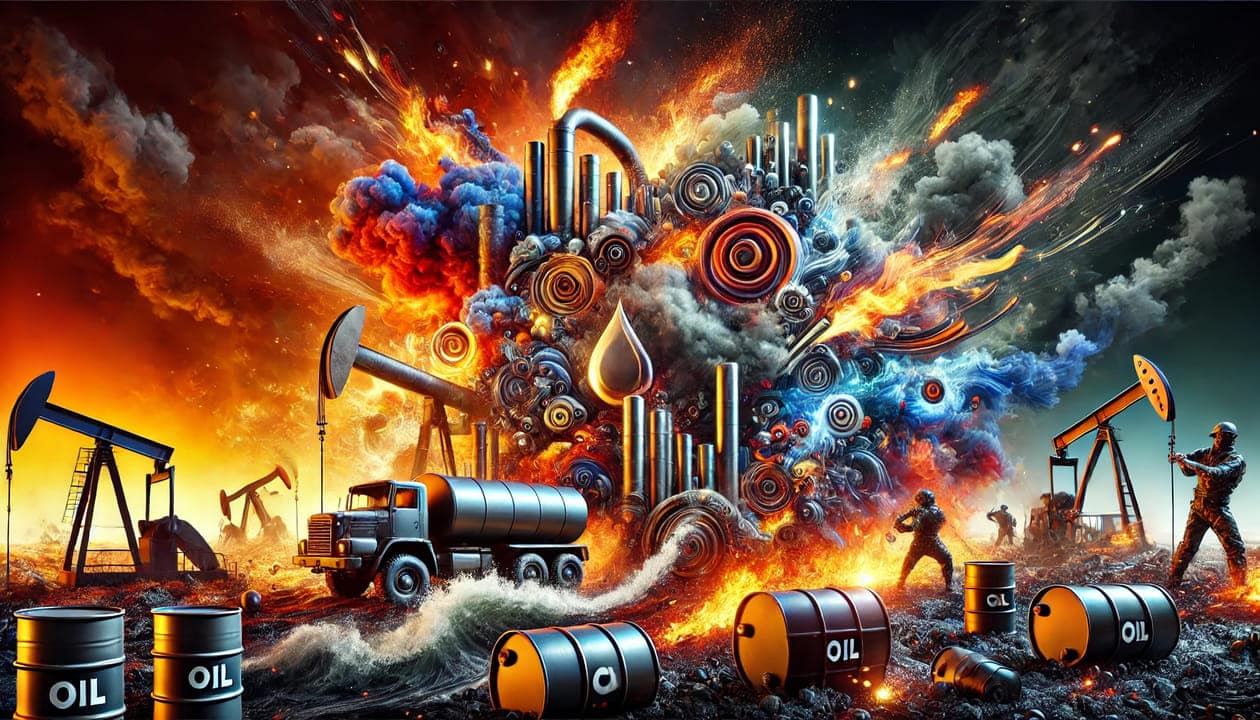
The influence of former President Donald Trump’s policies on global conflicts, particularly in the Middle East and with Russia, has been a focal point of speculation. Many wonder how his approach might affect oil prices, a key driver of global economic stability. This blog explores these potential impacts, focusing on Trump’s policy intentions, historical actions, and the complexities of oil market dynamics.
Trump and Conflicts in the Middle East
Policy Intentions in the Region
Donald Trump’s political stance on the Middle East reflects a dual focus: reducing U.S. military involvement while fostering peace agreements. During his presidency, notable initiatives included the Abraham Accords, which aimed to normalize relations between Israel and Arab nations. However, his decision to withdraw from the Iran nuclear deal escalated tensions with Iran, creating a mixed legacy.
Speculation persists that a renewed Trump administration might attempt to stabilize the region further, with some social media users arguing that Trump could end conflicts like those in Gaza or with Hezbollah through strategic economic pressure, particularly on oil markets. However, achieving lasting peace in the Middle East would require cooperation from a range of actors, including rival factions and international powers, presenting significant challenges.
Impact on Oil Prices
If Trump could successfully reduce conflicts in oil-producing regions, it might ensure a more stable oil supply and potentially lower prices. However, the geopolitical complexity of the Middle East makes any significant price reduction contingent on broader cooperation and external factors. A reduction in conflict does not automatically translate to lower oil prices due to the intricate nature of global markets.
Trump and the Russia-Ukraine Conflict
Policy Intentions Toward Russia
Trump has claimed he could swiftly end the Russia-Ukraine war, though the specifics of such an approach remain unclear. His previous term saw fluctuating relations with Russia, alternating between overtures of diplomacy and economic sanctions. While his administration imposed sanctions on Russia for its actions in Ukraine, Trump’s rhetoric often leaned toward improved bilateral relations.
Some believe Trump might use economic measures, such as manipulating oil prices, to exert financial pressure on Russia. While intriguing, this notion oversimplifies the multifaceted nature of geopolitics and market forces. Social media sentiment frequently portrays optimism regarding Trump’s ability to de-escalate the conflict, but such outcomes are far from guaranteed.
Oil Market Implications
De-escalating the conflict with Russia could reduce geopolitical risk premiums in oil markets. Additionally, lifting Western sanctions on Russian oil could ease supply constraints, potentially stabilizing prices. However, oil prices are not solely determined by U.S.-Russia relations. OPEC’s production decisions, global demand, and technological advancements also play crucial roles, diluting the impact of any single geopolitical factor.
The Complexity of Oil Market Dynamics
Historical Context Under Trump
During his presidency, Trump’s policies significantly influenced oil markets. For example, his administration facilitated a major oil production cut deal between Saudi Arabia and Russia in 2020, stabilizing prices during the economic downturn caused by COVID-19. While this move demonstrated Trump’s ability to navigate short-term market challenges, it highlighted the complexity of long-term oil pricing, which depends on various global factors.
Broader Market Influences
The price of oil is governed by a delicate balance of supply and demand, shaped by OPEC+ production quotas, technological advances in energy extraction, and macroeconomic policies like tariffs and sanctions. While resolving conflicts might lower geopolitical risk premiums, the interplay of global economic factors could counteract these effects. Investors should therefore recognize that oil price movements are rarely driven by a single event or policy.
Why Investors Should Follow Oil Market Dynamics
Middle East Stability and Global Supply
For investors, the Middle East’s stability is pivotal in maintaining consistent oil supplies. Key companies like ExxonMobil and Chevron heavily depend on predictable supply chains and stable geopolitical environments. Monitoring policies that influence the region, such as Trump’s proposed strategies, is essential for forecasting market trends.
Russia’s Role in the Global Market
Russia remains a major player in global oil production, and its involvement in international conflicts significantly impacts energy prices. Companies such as BP and Shell, which have partnerships or investments tied to Russian oil, often experience direct financial implications from sanctions or policy shifts.
Broader Economic Impacts
Oil prices influence multiple sectors beyond energy, including transportation, manufacturing, and technology. Rising prices can exacerbate inflation, while falling prices may indicate slowing economic demand. Investors should watch major oil market developments to understand broader economic trends and anticipate potential risks or opportunities.
Conclusion: Navigating Uncertainty in Policy and Markets
The potential impact of Donald Trump’s policies on global conflicts and oil prices is both speculative and nuanced. While resolving conflicts in the Middle East or de-escalating tensions with Russia could theoretically stabilize markets, oil prices depend on a web of interrelated factors. Investors must remain cautious, considering the broader economic and geopolitical context when analyzing potential policy outcomes. For those tracking market movements, companies in the energy sector provide vital indicators of stability, risk, and growth potential in a highly interconnected global economy.
Do you have a news tip for GuerillaStockTrading? Please email us at
[email protected]
💥 GET OUR LATEST CONTENT IN YOUR RSS FEED READER
We are entirely supported by readers like you. Thank you.🧡
At GuerillaStockTrading, we maintain full transparency and impartiality; we never blog about stocks or crypto in which we hold a personal position unless explicitly stated in the article. Additionally, we do not accept paid promotions presented as content. All information shared is for informational purposes only and should not be construed as financial, investment, tax, or legal advice, nor as a recommendation to buy any security or financial asset. The content is general in nature and does not account for individual circumstances. It may not be suitable for your particular situation. Before making financial decisions, you are encouraged to seek guidance from your own financial or investment advisor.