
Quantum error correction has a new hero: Schrödinger’s cat 😽

Quantum computing has taken a significant leap forward with groundbreaking research from the University of New South Wales (UNSW). Published in Nature Physics, this research showcases the creation of a “Schrödinger’s cat” state within a silicon chip. This achievement holds the potential to overcome critical challenges in quantum error correction and reliability, bringing quantum computing closer to practical application.
What is Schrödinger’s Cat?
Schrödinger’s cat is a famous thought experiment proposed by Austrian physicist Erwin Schrödinger in 1935 to illustrate the principles of quantum superposition and measurement. This thought experiment not only serves as a cornerstone in understanding quantum mechanics but also bridges the conceptual gap to modern quantum computing applications, where superposition enables groundbreaking computational capabilities. In this paradox, a cat is placed inside a sealed box along with a radioactive atom, a Geiger counter, and a vial of poison. If the atom decays, the Geiger counter triggers the release of poison, killing the cat. Until the box is opened and observed, the cat is considered to be in a superposition of both “alive” and “dead” states.
This experiment highlights the strange and counterintuitive nature of quantum mechanics, where particles can exist in multiple states simultaneously until measured. Schrödinger’s cat has become a symbol of quantum superposition and the challenges of observing and manipulating quantum systems.
Relevance to Quantum Computing
The principles behind Schrödinger’s cat are directly applicable to quantum computing, where superposition allows quantum bits (qubits) to exist in multiple states simultaneously. This property is what enables quantum computers to process vast amounts of data and solve complex problems far more efficiently than classical computers.
The creation of a Schrödinger’s cat state in a silicon chip demonstrates the practical application of superposition in a controlled environment. Unlike prior advancements that primarily relied on isolated or small-scale systems, this breakthrough leverages silicon’s compatibility with existing semiconductor technology, making it a significant step toward scalable quantum systems. Moreover, the multi-level nature of the qudit design enhances error correction and computational reliability, addressing key challenges that have limited quantum computing’s practical applications. By encoding quantum information in these states, researchers can build more robust quantum systems capable of error correction and advanced computations. This breakthrough paves the way for future quantum computers that leverage superposition to achieve unprecedented computational power.
A Game-Changing Discovery in Quantum Computing
The Schrödinger’s Cat State in Silicon
The concept of Schrödinger’s cat, a thought experiment illustrating quantum superposition, has now found its place within a silicon chip. Engineers at UNSW successfully created a quantum state embodying this principle, marking a pivotal advancement in quantum technology. This quantum system is built on an antimony atom embedded in a silicon quantum chip, capable of generating a spin qudit with eight distinct spin directions.
Traditional quantum bits, or qubits, operate in two states—“up” and “down.” By introducing six intermediate states, qudits significantly expand the computational space, allowing for more complex problem-solving and enhanced data encoding. This broader range of states makes quantum systems more efficient and capable of tackling challenges that classical systems or simpler qubits cannot address. The development involves advanced techniques such as a coherent multi-frequency control scheme for spin rotations, preservation of SU(2) symmetry, and logical Pauli operations encoded in Schrödinger’s cat states.
Importance for Investors
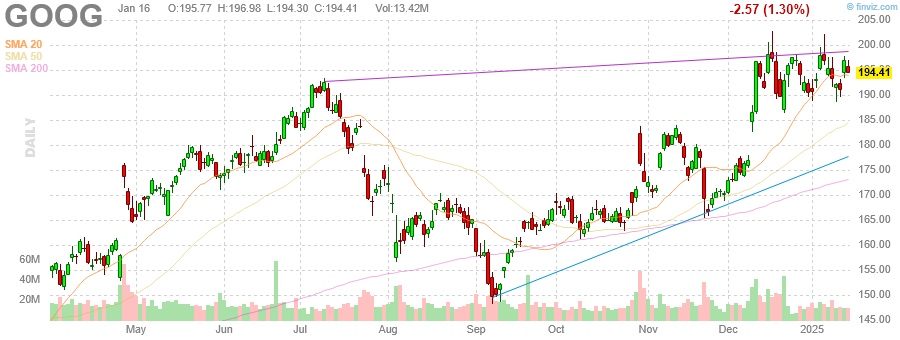
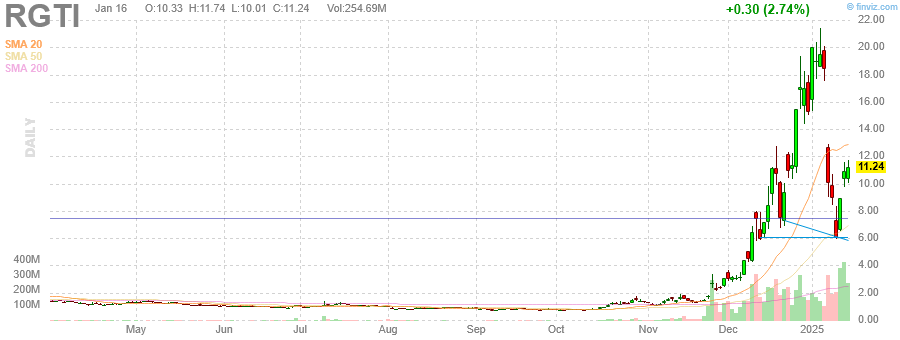
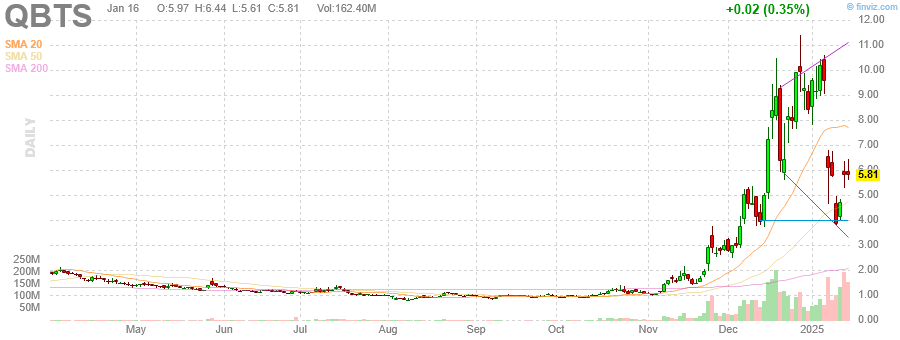
This advancement positions quantum computing as a transformative technology with immense market potential. Companies focused on quantum development, such as IBM, Google, and Rigetti Computing, are at the forefront of integrating these innovations. Investors following these firms should pay close attention to advancements in error correction and scalability, as they are critical for commercializing quantum technologies.
finviz ticker=ibm]
The Role of Error Resilience
Addressing Quantum Error Correction
Quantum computing’s Achilles’ heel has long been error correction. The Schrödinger’s cat state provides a breakthrough in error resilience. By utilizing a multi-level system with eight spin directions, researchers have significantly enhanced the stability and error detection capabilities of quantum systems.
Key achievements include:
- Improved Stability: The nuclear spin qudit maintains coherence for extended periods, enabling more complex quantum operations.
- Advanced Error Detection: The multi-level nature of the qudit allows for sophisticated error correction protocols, paving the way for fault-tolerant quantum computing.
- Technological Compatibility: The silicon-based approach is compatible with existing semiconductor manufacturing processes, offering a path to scalable quantum systems.
Implications for Quantum Computing Companies
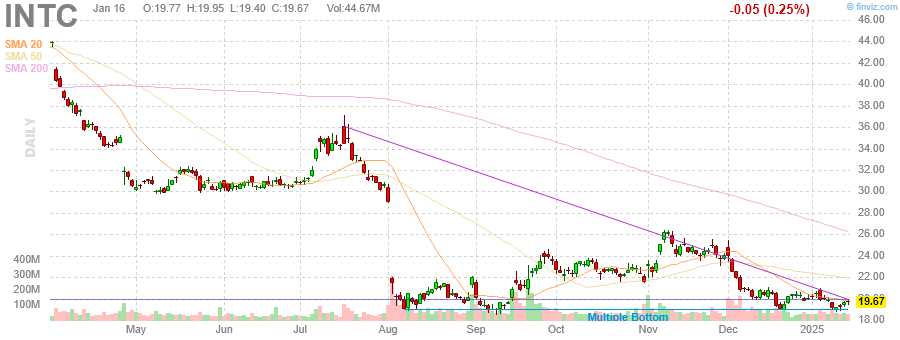
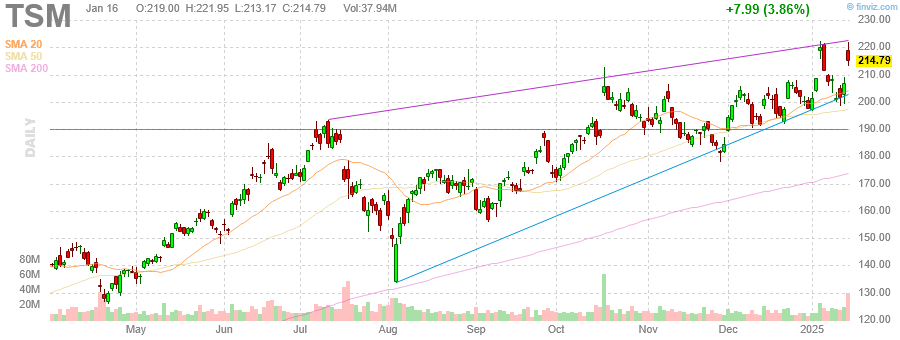
For companies such as Intel and TSMC, which are heavily invested in semiconductor technology, this silicon-based quantum system represents a potential avenue for diversification. These companies could capitalize on this technology by integrating quantum capabilities into existing semiconductor designs, leveraging their manufacturing expertise to produce scalable quantum processors. Additionally, investing in research and development partnerships focused on quantum error correction and qudit-based systems could position them as leaders in this emerging field. Such steps would not only enhance their technological portfolios but also open new revenue streams in the rapidly growing quantum computing market.
Future Directions in Quantum Computing
Scaling Quantum Technology
The creation of Schrödinger’s cat states within silicon opens exciting opportunities for scaling quantum computing systems. Researchers are now exploring the integration of multiple antimony atoms on a single chip to enhance computational power.
Focus Areas for Future Research
- Tailored Error Correction Codes: Developing error correction algorithms specifically designed for multi-level qudits is a top priority.
- Quantum Algorithm Optimization: Enhancing algorithms to fully utilize the capabilities of qudit-based systems will be critical for performance.
- Quantum Sensing Applications: Multi-level quantum states can improve precision in sensing and metrology, unlocking new commercial possibilities.
- Hybrid Architectures: Combining quantum and classical computing systems may provide a balanced approach to solving complex problems.
Key Players to Watch
- D-Wave Systems: As a leader in quantum annealing, D-Wave could benefit from innovations that enhance error correction and computational stability.
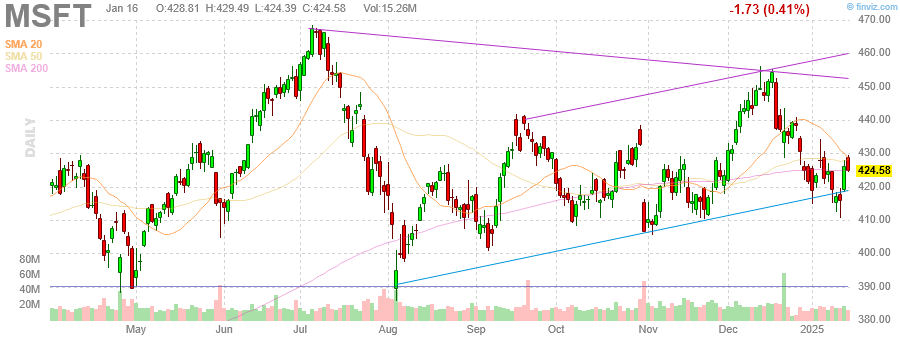
- Microsoft: With its topological qubits and Azure Quantum platform, Microsoft is poised to integrate these advancements into its ecosystem.
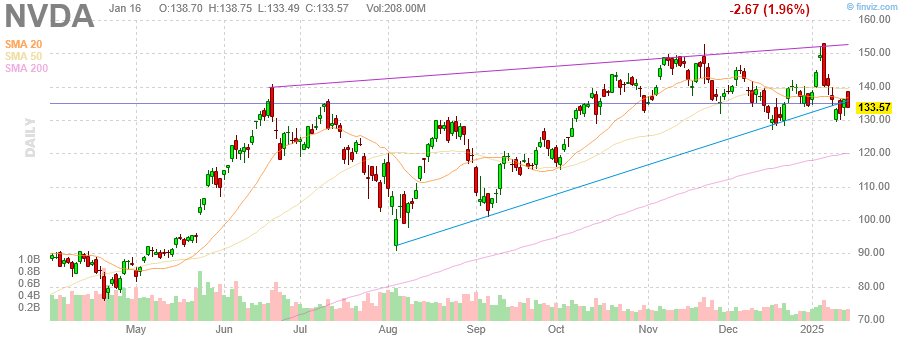
- NVIDIA: The company’s work in quantum-classical hybrid computing positions it as a major player in leveraging quantum advancements for AI and machine learning applications.
Why These Companies Matter
Each of these companies occupies a unique position in the quantum ecosystem. D-Wave’s focus on near-term quantum applications makes it a leader in commercialization efforts. Microsoft’s extensive resources and cloud infrastructure provide a platform for scalable quantum solutions. NVIDIA’s role in hybrid computing bridges the gap between emerging quantum technologies and existing AI frameworks, creating synergies that could redefine computational capabilities.
A Path Toward Practical Quantum Computing
The Schrödinger’s cat breakthrough represents a monumental step in the journey toward practical quantum computing. Real-world applications of quantum computing powered by such breakthroughs span a variety of industries, including pharmaceuticals, where it can accelerate drug discovery by simulating molecular interactions with unmatched precision. In finance, quantum systems could optimize portfolios and enhance riskIn stock trading, risk refers to the possibility of losing some or all of the capital invested in a trade. It represents the uncertainty about the future performance of a stock and… analysis. Additionally, industries like logistics and supply chain management stand to benefit from quantum algorithms that solve complex routing and scheduling problems. These advancements provide tangible examples of how quantum technology can revolutionize existing paradigms, offering investors and stakeholders a clear vision of its transformative potential.
By addressing critical challenges in error correction and scalability, this research lays the foundation for future advancements. As the field progresses, collaboration between physicists, engineers, and computer scientists will be essential to unlocking the full potential of quantum technology.
Investment Implications
For investors, this development underscores the importance of staying informed about quantum computing advancements. Companies actively pursuing quantum innovations are likely to play a pivotal role in shaping the next generation of technology. By monitoring developments from leading players in the field, investors can position themselves to capitalize on the transformative impact of quantum computing.
Lance Jepsen is the senior personal finance writer for Guerilla Stock Trading who has spent more than 25 years covering the stock market and economics. In addition, Lance has worked as a private stock analyst for a number of high worth individuals.
Do you have a news tip for GuerillaStockTrading? Please email us at [email protected]
🗨️ JOIN OUR COMMUNITY OF STOCK TRADERS AND INVESTORS ON SOCIAL MEDIA
💥 GET OUR LATEST CONTENT IN YOUR RSS FEED READER
We are entirely supported by readers like you. Thank you.🧡
At GuerillaStockTrading, we maintain full transparency and impartiality; we never blog about stocks or crypto in which we hold a personal position unless explicitly stated in the article. Additionally, we do not accept paid promotions presented as content. All information shared is for informational purposes only and should not be construed as financial, investment, tax, or legal advice, nor as a recommendation to buy any security or financial asset. The content is general in nature and does not account for individual circumstances. It may not be suitable for your particular situation. Before making financial decisions, you are encouraged to seek guidance from your own financial or investment advisor.
Trading and Investment Ideas:
Source link