Seeking Alpha Review: Pros, Cons and Whether It’s Worth the Cost
Seeking Alpha is an online investment research platform that publishes a wide range of market analysis, stock commentary, and financial data for investors and traders.
Contents
Like many platforms, there are free and paid tiers.
Let’s start with what is available with the free membership.
The home page has the performance of the major indices and trending news.
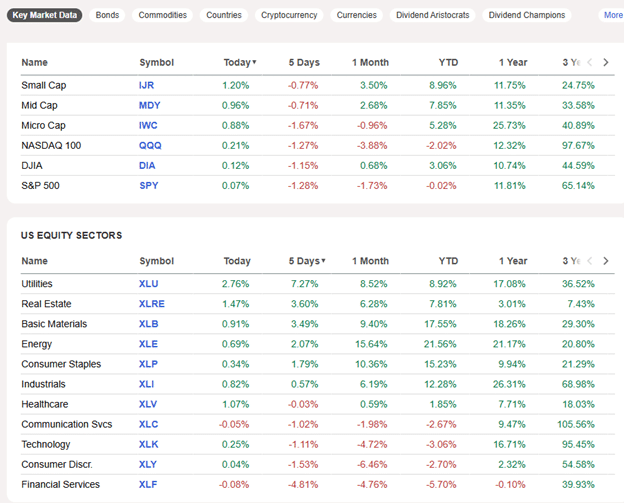
Drilling down beyond the major indices is the market data page, which breaks down performance by market sector and timeframe…
Clicking the table heading lets you sort by performance.
Above, you see that of the eleven US equity sectors, Utilities, Real Estate, and Basic Materials have been outperforming the rest over the past week.
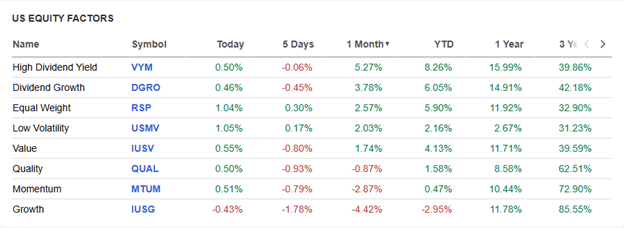
Another investor might invest based on factors rather than sectors.
Factors are specific characteristics of stocks, such as growth, value, momentum, size, volatility, and dividend yield.
In the market data below, we see that over the past month, high-dividend stocks have outperformed, while growth stocks have underperformed.
This can be used to spot trends.
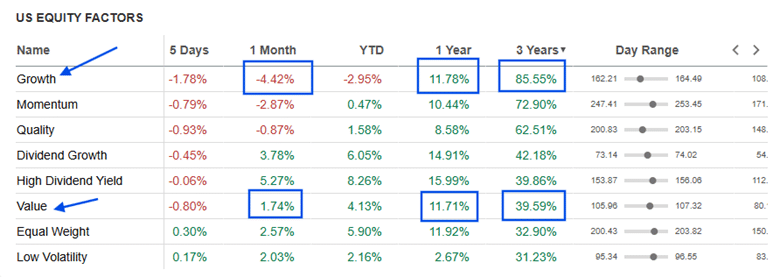
Below, we see that over a longer term (such as 3 years), growth investing has outperformed value investing.
However, over the past year, value stocks have caught up to growth stocks.
In the past month, value investing has outperformed growth.
There are a few more tables of market data, including investment by country, global equities, bonds, commodities, and currencies.
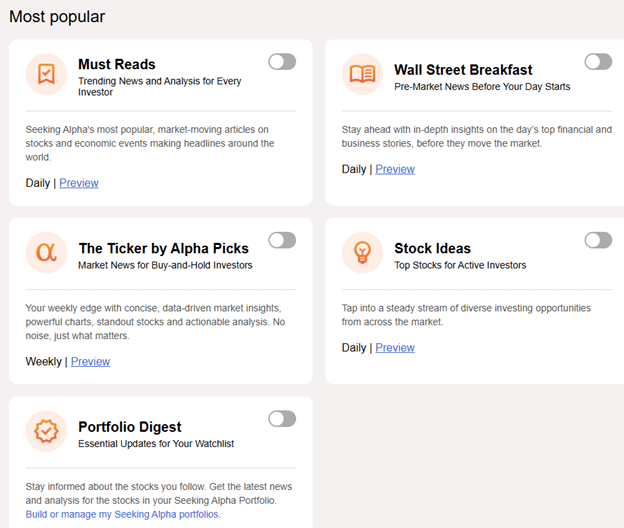
There is a range of newsletters you can enable to be sent to your email inbox…
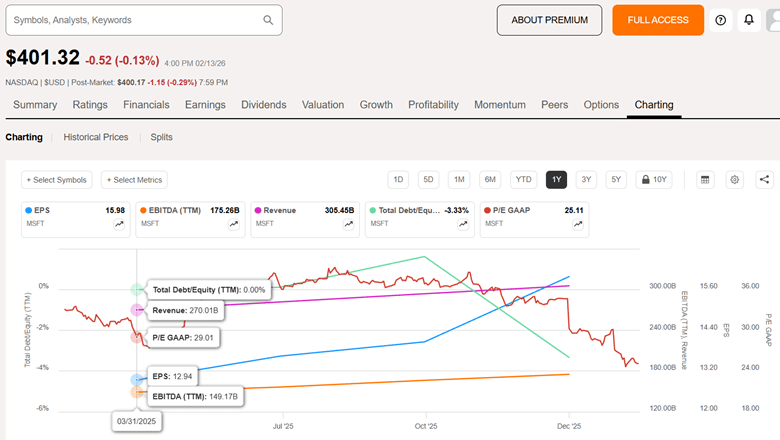
Seeking Alpha provides charting for individual symbols with the fundamental data of your choice.
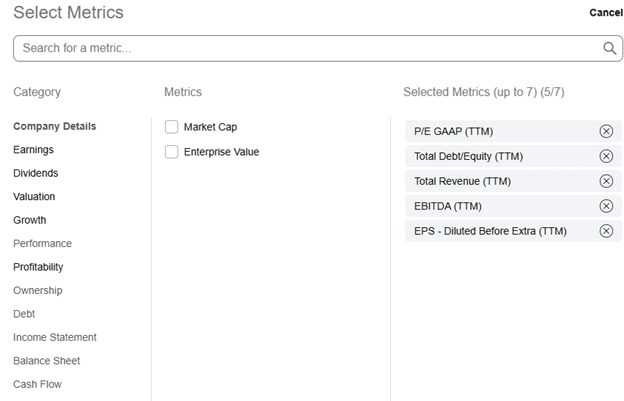
For example, here I have charted Microsoft (MSFT) with P/E ratio, Earnings (EBITDA), Revenue, Earnings per share (EPS), and Debt/Equity ratio selected.
You can choose up to seven metrics from a wide range of fundamental categories.
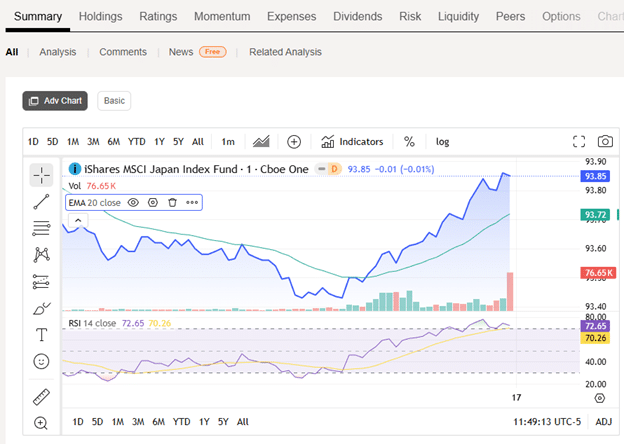
Yes, there is technical analysis charting, with indicators such as moving averages and RSI.
You have to get into the “Adv Chart,” which is an embedded TradingView chart…
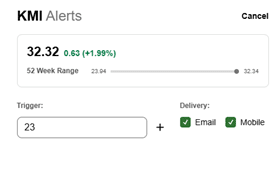
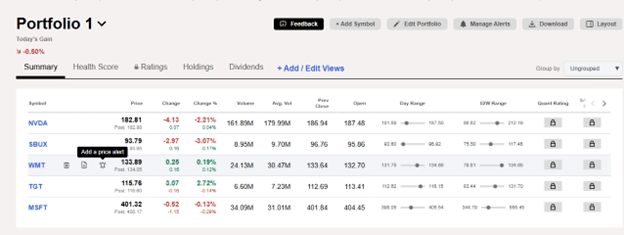
Seeking Alpha also lets you set email and mobile price alerts…
This is done in your portfolio, where you can manually enter your stock symbols.
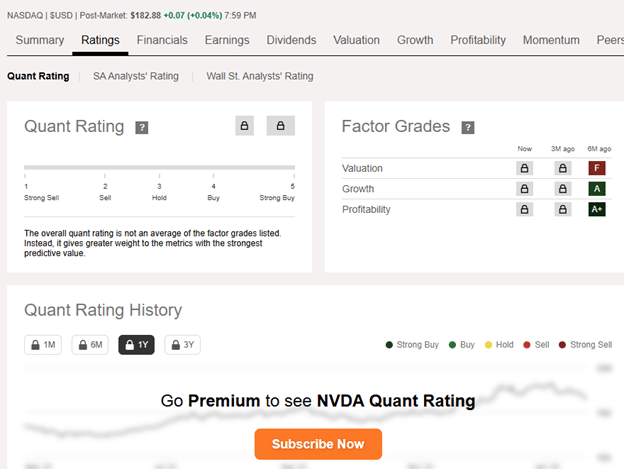
As a free member, you don’t see the stock rating because it’s locked.
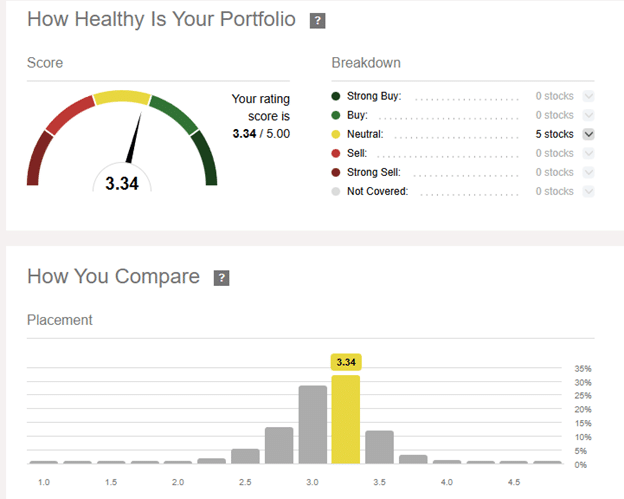
However, you can see the portfolio’s health score.
You need at least five symbols to generate a portfolio score.
For premium members, the stock rating of individual symbols would be unlocked.
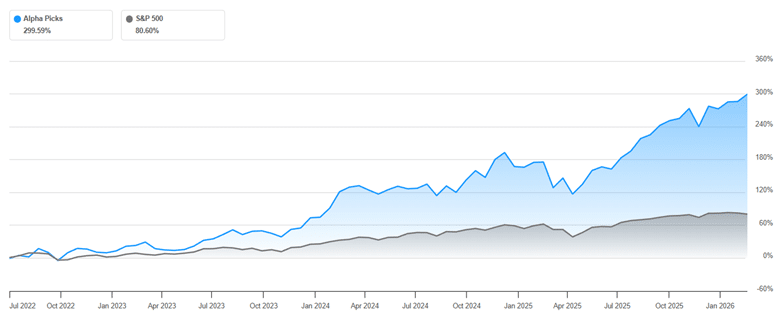
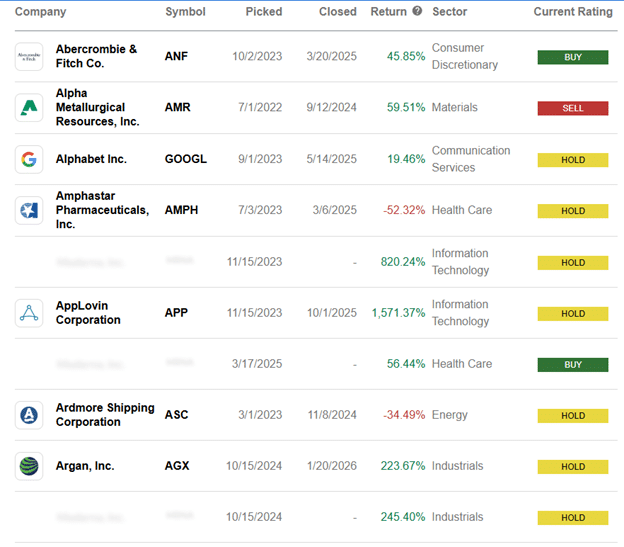
What the premium membership is most noted for is its “Alpha Picks”.
These are stock recommendations from their quantitative analysis team, which have historically beaten the market…
Free members can get a glimpse into what their Top Alpha Picks had been in the past…
Note that all of their current picks are hidden, while only the previous picks are shown, which have now been closed.
Based on the historical open-to-close returns of their past picks, these recommendations are intended for longer-term investing, typically with a holding period of more than a year.
Premium membership has a stock and ETF screener with pre-made screens to choose from.
Or to save time, just click on the “Top Stocks,” and it will give you a few of their top-rated stocks.
While the free membership gives you access to trending news, a paid membership also gives you access to analysis articles written by their analyst.
Free stuff that is not useful is just junk.
But there is no junk inside Seeking Alpha.
As you saw, even the free membership provides valuable market data information and charting capabilities.
Premium membership adds advanced tools, deeper analysis, and exclusive quant-driven insights designed to support more informed investment decisions.
We hope you enjoyed this review article on Seeking Alpha.
If you have any questions, please send an email or leave a comment below.
Trade safe!
Disclaimer: The information above is for educational purposes only and should not be treated as investment advice. The strategy presented would not be suitable for investors who are not familiar with exchange traded options. Any readers interested in this strategy should do their own research and seek advice from a licensed financial adviser.

Source link