
Small Business Alliance Moves That Spark Growth










Small business alliances are not just for hanging out with other small businesses; they’re a game-changer for growth and sustainability. If you’re a small business owner, you’ve probably heard the buzz about business alliances. But do you know exactly how to leverage them for growth? Well, buckle up because we’re about to dive into the best small business alliance moves that could put your business on the fast track to success. And spoiler alert: it’s all about community, connections, and collaboration.
In today’s competitive business landscape, small businesses face unprecedented challenges. These can feel overwhelming when tackled alone. Rising operational costs, complex regulatory environments, limited access to capital, and the constant pressure to innovate can make even the most determined entrepreneur question their path forward. However, there’s a powerful solution that’s been gaining momentum across industries and communities: strategic business alliances.
These collaborative networks represent more than just casual networking. They’re structured partnerships designed to pool resources, share expertise, and create mutual opportunities for growth. When small business owners come together with intention and purpose, they create an ecosystem where everyone can thrive. This article will explore how joining the right business alliance can transform your small business from struggling to thriving. It will provide you with the tools, connections, and support system you need to navigate the complexities of modern entrepreneurship.
Whether you’re a micro entrepreneur just starting out, a women-owned small business looking to scale, or an established local business seeking new growth avenues, understanding how to leverage business alliances effectively can be the difference between merely surviving and truly flourishing in your market.
READ ALSO: 10 Networking Strategies Every Small Business Owner Should Know
What is a Small Business Alliance?
A small business alliance is simply a group of small businesses that come together to share resources, knowledge, and opportunities to grow. It’s like forming a mini community of like-minded entrepreneurs who have each other’s backs. Think of it as a support network where everyone plays a role in ensuring success. This happens whether through sharing resources, offering services, or helping members get access to equitable funding.
When small business owners collaborate, it opens the door for creative solutions to grow and thrive. After all, two heads are better than one, right? But it’s more than just pooling resources. It’s about being part of something inclusive and equitable. Every member has a voice, and no one gets left behind. At its core, a small business alliance functions as a collective force that amplifies individual capabilities while providing a safety net of support and shared knowledge.
These alliances can take many forms. They range from formal organizations with membership fees and structured programs to informal networks of business owners who meet regularly to exchange ideas and opportunities. What makes them particularly valuable is their ability to level the playing field between small businesses and larger corporations. While a single small business might struggle to negotiate favorable terms with suppliers, secure affordable health insurance, or access sophisticated marketing tools, an alliance representing dozens or hundreds of businesses suddenly has significant bargaining power.
Alliance members benefit from group purchasing discounts, shared marketing initiatives, collective advocacy efforts, and access to resources that would otherwise be financially out of reach.
READ ALSO: Collaborative Business Models: Complete Expert Guide
How a Small Business Alliance Can Empower Entrepreneurs
First things first, being part of an alliance doesn’t just empower the entrepreneurs involved. It also gives them control over the future of their businesses. Joining an alliance is like being handed the keys to a treasure trove of opportunities. Whether it’s exclusive programs, access to networking events, or supportive members—the benefits are endless. And that’s not all! A business alliance can empower its members with advocacy. This ensures that small businesses have the rights and protections they need to thrive.
And let’s be real for a second: small businesses often feel like the underdogs, right? Especially when compared to big corporations. But in an alliance, that’s when the magic happens. The collective voice of all the members has the potential to spark real change. This is especially true in terms of influencing local policies and getting inclusive and equitable funding. It’s like a loud, proud cheerleader for small business owners.
The empowerment that comes from alliance membership extends far beyond basic business support. It fundamentally shifts the power dynamics that small business owners navigate daily. When you join an alliance, you’re no longer a lone voice trying to be heard above the noise of corporate giants and bureaucratic red tape. Instead, you become part of a chorus that demands attention and respect. This collective strength manifests in numerous ways. Alliances can negotiate better rates with vendors. They can secure group health insurance plans that would be prohibitively expensive for individual businesses. They can gain access to training programs and educational resources typically reserved for larger organizations.
READ ALSO: Vendor Negotiation Strategies: Secure Better Pricing & Terms
Strength in Numbers: The Power of Collaboration
Here’s where things get really juicy. Business alliances are all about collaboration, not competition. When you connect with other small businesses, you tap into a wealth of resources. For example, let’s say you’re a women-owned small business that specializes in eco-friendly products. You could form an alliance with other micro entrepreneurs who cater to the sustainable market. Now you’re not just reaching your customers. You’re reaching hundreds, or even thousands, through the power of cross-promotion. It’s a win-win!
This kind of collaboration helps everyone build something bigger. Whether it’s by offering joint services, combining marketing efforts, or simply sharing industry secrets, the business alliance becomes a driving force for success. The collaborative nature of business alliances creates exponential value. This far exceeds what any individual member could achieve alone. Consider the mathematical reality: if ten businesses each have a customer base of 1,000, and they agree to cross-promote through their alliance, each business suddenly has potential access to 10,000 customers instead of just 1,000.
This multiplier effect applies not just to customer reach but to every aspect of business operations. When alliance members pool their purchasing power, they can negotiate bulk discounts that reduce costs for everyone. When they share marketing expenses for joint campaigns or co-branded events, each business gains exposure at a fraction of what solo marketing would cost. Collaboration also enables innovation through the exchange of ideas and best practices. What works brilliantly for one business might be adapted to solve another’s challenge.
Real estate stewardship becomes more effective when multiple businesses coordinate their efforts within a commercial district. This improves the overall environment and attracts more foot traffic that benefits all members.
READ ALSO: 10 Smart Cross-Promotion Strategies for Small Businesses
Boost Your Business with Strategic Partnerships
Think about it. When you’re part of a small business alliance, you’re not just getting by. You’re building long-term relationships with businesses that complement your own. These strategic partnerships are a major growth driver. Let’s say you’re in the real estate stewardship business and you connect with a commercial tenant who also serves the local community. Now, you both have the ability to expand your services and reach through shared clientele and resources.
And don’t forget about the advocacy part! Your business alliance can work together to advocate for policies that benefit underserved and equitable communities. Whether it’s fighting for better access to resources, inclusive funding, or the rights of small business owners, alliances are a powerful tool to push for the changes that will make a difference. Strategic partnerships within business alliances operate on the principle of complementary strengths. Each business brings unique capabilities to the table that enhance the collective offering.
These partnerships go far beyond simple referral arrangements. They create integrated solutions that provide greater value to customers while opening new revenue streams for all participants. For instance, a graphic designer, web developer, and content writer within an alliance might package their services together to offer comprehensive digital solutions that none could provide individually.
A restaurant, event planner, and catering company might collaborate on weddings and corporate events. This creates a seamless experience while sharing the workload and profits. The strategic nature of these partnerships means carefully selecting allies whose businesses align with your values and target market without directly competing with your core offerings. When done well, these relationships create a network effect where each partner’s success drives business to the others. This establishes a positive feedback loop of growth and opportunity.
READ ALSO: How to find strategic partnerships as a startup looking to scale
Why Should You Join a Small Business Alliance?
Now you might be asking, “Okay, but why should I get involved?” Here’s the truth: membership in a small business alliance isn’t just about getting more business. It’s about growing with others who genuinely want to see you succeed. It’s about learning from each other, getting advice from advocates who have your back, and empowering yourself with a wealth of resources.
When you’re part of a business alliance, you gain access to programs and tools that would be nearly impossible to obtain alone. And let’s not forget about exclusive opportunities. From networking events to mentorship programs, these alliances are about making sure everyone involved has the tools they need to succeed. It’s not just about building your business. It’s about building an inclusive community of entrepreneurs who are there for each other.
The decision to join a business alliance represents a strategic investment in your business’s future. It pays dividends across multiple dimensions. The tangible benefits alone justify membership for most entrepreneurs. You gain access to group purchasing programs that reduce costs on everything from office supplies to health insurance. Educational programs and workshops are available that would cost thousands of dollars if pursued independently. Marketing platforms and promotional opportunities help increase visibility. Networking events connect you with potential clients, partners, and mentors.
READ ALSO: Networking ROI: How to Tell If Your Efforts Are Paying Off
How to Get Started with a Small Business Alliance
Starting with a small business alliance isn’t as complicated as it sounds. The first step is finding an alliance that aligns with your values and goals. Once you join, make sure you actively engage. Get involved with community events, share your knowledge with others, and be proactive about connecting with potential partners. The more you put into the alliance, the more you’ll get out of it. New members may need to log into their online accounts to access member benefits and information. Plus, the support you’ll receive from other members is priceless. Whether it’s through collaboration, advocacy, or simply being there for one another, the business alliance is your chance to make an impact.
Shared resources in alliances can lead to significant cost savings through pooled technology and reduced operational burdens. Beginning your journey with a business alliance requires thoughtful consideration and intentional action to maximize the value of your membership. Start by researching different alliances in your area or industry. Look at their mission statements, member testimonials, and the specific benefits they offer. Many alliances allow prospective members to attend events as guests before committing to membership. This provides an opportunity to experience the community firsthand and determine if it’s the right fit.
Once you’ve identified a promising alliance, review the membership requirements carefully. This includes fees, participation expectations, and any industry or business-type restrictions. When you join, take full advantage of the onboarding process. Most established alliances offer orientation sessions that introduce you to key members, explain available resources, and help you set goals for your membership. The most successful alliance members approach their involvement strategically. They identify specific objectives they hope to achieve. This might be expanding their client base, finding strategic partners, learning new skills, or accessing particular resources.
READ ALSO: Taking Over a Business: Your First 90 Days
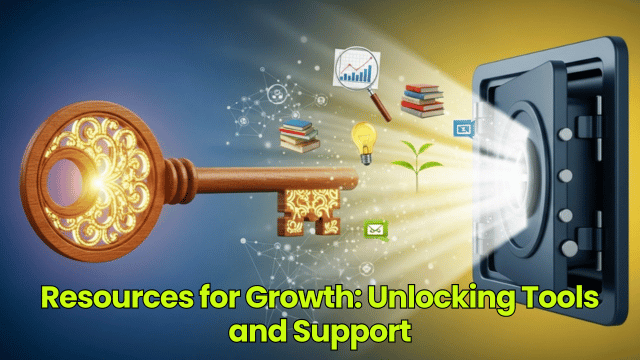
Resources for Growth: Unlocking Tools and Support
When it comes to growing your business, having the right resources at your fingertips can make all the difference. Small businesses today have more access than ever to tools and support designed to help them thrive. From inclusive and equitable funding options to mentorship programs and networking opportunities, there’s a wealth of support out there for small business owners, women-owned small businesses, and micro entrepreneurs.
Organizations like the Small Business Alliance for Equitable Communities (SBAEC) are dedicated to providing resources and advocacy that empower entrepreneurs to build more equitable communities. Whether you’re a commercial tenant seeking information on your rights and protections—like those outlined in the Commercial Tenant Protection Act of 2024—or a micro entrepreneur looking for guidance, these alliances are here to help.
Women-owned small businesses and micro entrepreneurs can also tap into tailored resources and services that address their unique needs. This helps them start, grow, and succeed. The National Small Business Alliance (NSBA) offers a comprehensive suite of resources. This includes marketing systems, corporate budgeting tools, and cash flow projections, all designed to help small businesses manage and expand their operations.
Local business alliances are another valuable source of support. They often provide members with exclusive savings, networking events, and advocacy to ensure their voices are heard. No matter where you are on your business journey, there’s an alliance ready to provide the resources, information, and support you need to unlock your full potential. The resource landscape available through business alliances has expanded dramatically in recent years. This reflects both technological advances and a growing recognition of small business needs.
READ ALSO: Small Business Funding: A Comprehensive Guide
Marketing Solutions: Amplifying Your Brand Through Alliances
Standing out in today’s crowded marketplace can be tough. But small businesses don’t have to go it alone. By joining forces with other businesses and organizations through alliances, you can amplify your brand, increase your visibility, and reach new customers. Business alliances open the door to collaborative marketing efforts that help you build your brand and connect with your target audience.
Digital advertising solutions—like search engine advertising, Facebook ads, and retargeting—are powerful tools that can help small businesses reduce marketing costs while boosting their online presence. The Small Business Alliance for Equitable Communities (SBAEC) champions inclusive and equitable funding, programs, and policies that strengthen underserved small businesses and support their marketing initiatives.
Email marketing is another effective way to engage your audience. With access to drag-and-drop email builders and hundreds of professionally-designed templates, small business owners can easily create campaigns that resonate with their customers. And with web design and development services, you can build a custom website that reflects your brand and meets your business needs, optimized for every device.
The National Small Business Alliance (NSBA) also offers marketing solutions. This includes group health insurance and savings on everyday business purchases, giving small businesses the support they need to succeed. By leveraging the resources and programs available through your business alliance, you can build a strong, recognizable brand that stands out in any market. Marketing represents one of the most significant challenges facing small businesses. This is particularly true given the resources required to compete effectively in an attention-saturated digital landscape. Business alliances address this challenge through both cost-sharing arrangements and collective marketing initiatives that dramatically increase reach and impact.
READ ALSO: Digital Marketing Strategies for Small Businesses on a Budget
Challenges Facing Small Businesses—and How Alliances Help

Every small business owner knows that the path to success is filled with challenges. From securing access to capital and navigating complex regulations to competing with larger businesses, the hurdles can seem endless. But that’s where small business alliances step in as a driving force for change and support. The Small Business Alliance for Equitable Communities (SBAEC) is at the forefront of advocating for the protections and rights of commercial tenants, promoting inclusive and equitable funding, and supporting innovative ownership models like community land and real estate stewardship.
These efforts help ensure that small businesses have the resources and protections they need to thrive in equitable communities. Alliances like the National Small Business Alliance (NSBA) give small businesses a powerful voice at the local, state, and federal levels. They advocate for policies that address their unique needs. By getting involved in a business alliance, small business owners can connect with other entrepreneurs, access vital resources and services, and build their brand and reputation within the community.
The collective strength of small businesses is a driving force in the economy. They create jobs, spark innovation, and contribute to the growth and development of their communities. Organizations such as ACT-IAC further support small businesses by fostering growth, providing opportunities to learn and build community, and ensuring continued access to advocacy and support. By joining a business alliance, small business owners gain the empowerment, control, and support they need to overcome challenges, find new opportunities, and make a lasting impact on their communities and the broader economy.
READ ALSO: 7 Common Small Business Problems — And Their Solutions
The Impact of Advocacy: How Small Business Alliances Amplify Your Voice
One of the most powerful aspects of a small business alliance is its ability to advocate for small business owners on a much larger scale. Let’s be real: we all know how easy it is for the voice of a single entrepreneur to get drowned out by bigger corporations or government entities. But when small businesses come together, their collective voice is a force to be reckoned with. Advocacy within a business alliance is about standing up for small businesses, micro entrepreneurs, and those who are often underserved by traditional policies.
Think about it. When you’re part of a group, your concerns are shared. You’re more likely to influence policy changes or gain access to things like equitable funding. By joining an alliance, you’re automatically part of this movement to create fairer, more inclusive environments for entrepreneurs to thrive. And it’s not just about raising awareness. The advocacy might even get you legal protections that you wouldn’t have had as an independent business.
Commercial tenants have far fewer protections than residential tenants. This makes it especially important for small business owners to unite and push for better safeguards. Suddenly, you’re no longer alone in navigating the complexities of commercial tenants’ rights, real estate stewardship, and all those policies that can feel like a maze. The Commercial Tenant Protection Act of 2024 will help commercial tenants remain in place by eliminating hidden fees, increasing notice periods, and requiring in-language leases.
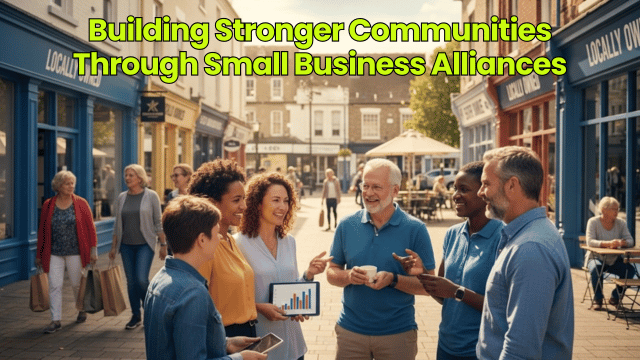
Building Stronger Communities Through Small Business Alliances
What makes a small business alliance such a great move for growth isn’t just the financial opportunities. It’s the sense of community it creates. Think about it: a community where businesses not only compete but actively support one another is the type of environment that fosters long-term success. When small business owners come together, they don’t just share profits. They share knowledge, experience, and a vision of creating stronger, more equitable communities.
Small businesses are often the backbone of local economies, yet too many are disconnected from each other. By joining an alliance, you not only gain access to better business practices. You also help build a community of entrepreneurs who genuinely want to see each other succeed. And this community creates a ripple effect. When small businesses in an area thrive, the local economy thrives with them. That means more jobs, more opportunities, and better access to resources for underserved populations.
The community-building aspect of business alliances extends far beyond the economic transactions and professional networking that initially attract most members. Over time, these alliances become social infrastructure that strengthens entire neighborhoods and regions. They create interconnected networks of mutual support that enhance quality of life for everyone involved.
When small businesses thrive collectively rather than struggling individually, they anchor communities in ways that chain stores and online retailers simply cannot replicate. Local business owners live in and care about their communities. They sponsor little league teams, donate to local causes, serve on civic boards, and invest their profits locally rather than extracting wealth to distant corporate headquarters.
READ ALSO: How Small Businesses Impact Their Communities
What to Look For in a Small Business Alliance: Finding the Right Fit for You
Okay, so you’re sold on the idea of a small business alliance. But how do you find the right one for you? Not every alliance is created equal. Finding one that aligns with your goals and values is key. Here are a few tips to make sure you’re joining the right group. First, think about your business’s core values. Is it about inclusive funding? Are you focused on women-owned small businesses, or maybe you’re passionate about real estate stewardship? Look for an alliance that shares these values and advocates for the same causes.
Next, ask about the programs and resources they offer. Are there mentorship opportunities? Can you access training programs, networking events, or even exclusive business tools? The right alliance should empower you with all the resources you need to grow your business and give you a voice in the community. Finally, connect with some current members. If they’re successful, happy, and willing to share their experiences, then you’re probably looking at an alliance that works. After all, small businesses are about relationships. That’s the foundation of any good alliance.
Selecting the right business alliance requires careful evaluation of multiple factors to ensure alignment between what the alliance offers and what your business needs. Start by clarifying your own priorities. Are you primarily seeking cost savings through group purchasing programs? Perhaps you’re looking for networking and partnership opportunities. Is advocacy for specific policy changes a priority for you? Or are you hoping to access educational resources and mentorship? Different alliances emphasize different benefits, so understanding your priorities helps narrow your search.
READ ALSO: 6 Questions To Ask Before Joining An Organization
Final Thoughts
In the world of small business, you’re not just out there doing it all on your own. You’re part of a larger community of entrepreneurs who are all working toward similar goals. By joining a small business alliance, you’re setting your business up for long-term growth. You’re creating an environment where everyone can thrive. You get access to valuable resources, inclusive funding, and advocacy to ensure your business has the protections it needs. So, if you want to grow, empower, and make a real impact, join an alliance today! The benefits are too good to pass up.
The journey of entrepreneurship need not be a solitary struggle filled with unnecessary obstacles and missed opportunities. Business alliances represent a proven path to sustainable growth. They leverage the collective strength, wisdom, and resources of a community working together toward shared success. Whether you’re just starting your first micro enterprise, building a women-owned small business, navigating the complexities of commercial tenancy, or seeking to scale an established operation, the right alliance provides infrastructure, support, and opportunities that would take years to develop independently.
The investment of time and membership fees pays returns across every dimension of business operations. You benefit from reduced costs through group purchasing. Increased revenue becomes possible through cross-promotion and strategic partnerships. Enhanced capabilities develop through education and training initiatives. Stronger positioning emerges through collective advocacy. Greater resilience is built through mutual support during challenging times. Beyond these measurable benefits, alliance membership addresses the emotional and psychological challenges of entrepreneurship. It addresses the isolation, self-doubt, and exhaustion that cause many promising businesses to fail despite having viable products or services.
UPNEXT: Measuring Business Growth: Key Metrics and Strategies
Source link