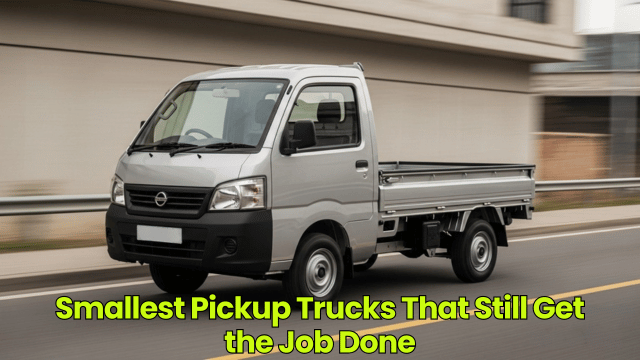
Smallest Pickup Trucks That Still Get the Job Done




So, you’re in the market for the smallest pickup trucks that can still get the job done? Well, you’ve come to the right place, my friend! Small doesn’t always mean weak. When it comes to compact pickup trucks, there’s a whole world of possibilities that will surprise you. From city driving to hauling your gear, these vehicles bring it all without sacrificing strength or utility. Whether you’re a weekend warrior who needs to transport camping equipment, a small business owner looking for an efficient work vehicle, or simply someone who appreciates the versatility of a pickup without the hassle of parking a massive truck, compact pickups offer the perfect solution. Modern engineering has made these smaller trucks incredibly capable. They incorporate advanced technologies and innovative designs that maximize their potential. Let’s dive into the world of these small truck marvels that punch well above their weight and discover why they’re becoming the go-to choice for smart buyers across the country.
The Rise of Compact Pickup Trucks
Compact pickup trucks are making a serious comeback. Years ago, the smallest pickup trucks were often seen as just a niche option—cute, but not necessarily practical. However, fuel efficiency and fuel economy have become major selling points in today’s market. These compact powerhouses have found their place in the hearts of many buyers. The shift in consumer preferences has been remarkable. Rising gas prices, environmental concerns, and practical realization drive this change. Most truck owners don’t actually need the massive capabilities of a full-size pickup for their daily tasks. Urban and suburban drivers, in particular, have embraced these smaller trucks. They offer the perfect combination of utility and maneuverability. This makes them ideal for navigating city streets while still being capable enough for weekend projects and adventures.
Manufacturers like Toyota are responding to this demand with innovation. Toyota has announced the development of a new compact pickup truck that will slot below the Tacoma, as reported by MotorTrend. This upcoming model is expected to be released in 2027. An official announcement is anticipated in September, so customers will have to wait for its arrival. Competitors such as Nissan, Chevrolet, and Ford are also introducing new models to stay competitive in this growing segment. Industry experts have ranked these trucks based on performance, features, and value. This highlights how each competitor is positioning their vehicles in the market.
READ ALSO: Changing Trends in the Way Families Buy Homes
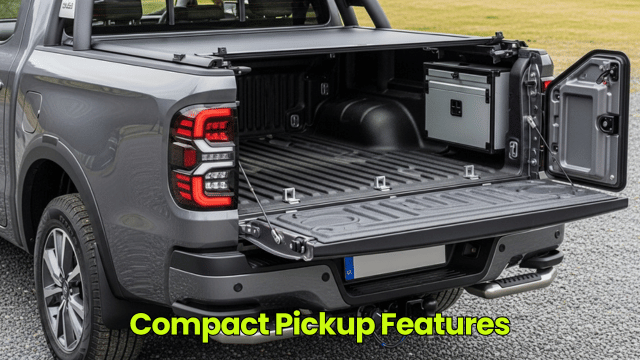
Compact Pickup Features
In recent years, compact pickup trucks have captured the spotlight. They offer a smart alternative for buyers who want the utility of a truck without the bulk of a full size truck. Models like the Hyundai Santa Cruz and Ford Maverick are leading the charge, thanks to their innovative unibody construction. This design gives these compact pickups a more car-like feel on the road. It makes them easier to maneuver in city traffic and more comfortable for daily driving. The unibody truck approach, as seen in the Maverick and Santa Cruz, also helps boost fuel efficiency. That’s a major win for anyone looking to save at the pump.
Unlike traditional body-on-frame construction, unibody design integrates the body and frame into a single structure. This reduces weight and improves handling dynamics. Fuel economy is a standout feature in this segment. Some compact pickup trucks achieve up to 38 MPG combined. That’s a game-changer for buyers who want to keep their running costs low and reduce their environmental impact.
As electric vehicles become more popular, manufacturers are developing new powertrains and hybrid options for compact pickups. This further improves efficiency and lowers emissions. The Ford Ranger, for example, offers a range of powertrains, including turbocharged and hybrid options. This shows just how much innovation is happening in this space. These advanced powertrains don’t just save fuel. They also deliver impressive torque and acceleration, proving that efficiency doesn’t mean sacrificing performance.
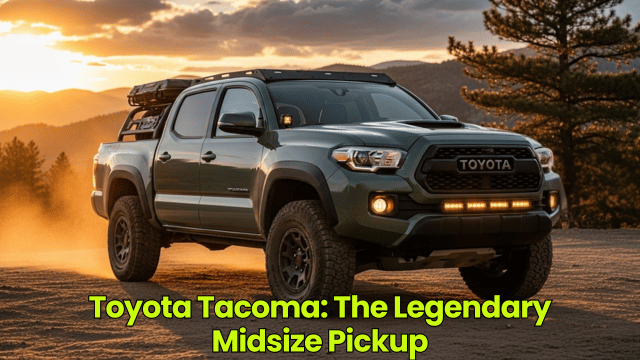
Toyota Tacoma: The Legendary Midsize Pickup
If you’ve ever had a conversation about compact trucks, chances are the Toyota Tacoma came up. This midsize truck has been a top contender for years. It’s known for its rugged reliability, exceptional off-road capabilities, and impressive towing strength. The Toyota brand, synonymous with durability, delivers a traditional body-on-frame construction with the Tacoma. This is typical for midsize trucks and contributes to its durability and towing capacity. The Tacoma is available in several models and generations, each offering different features and updates. Toyota’s reputation for building vehicles that last well beyond 200,000 miles makes the Tacoma particularly appealing. Buyers view their truck as a long-term investment.
While it’s technically classified as a “midsize truck,” its compact nature compared to a full size truck still makes it a standout in the small truck category. Whether you’re taking it off-road or loading it up with heavy equipment, the Tacoma gets the job done. The truck’s advanced off-road features make it exceptionally capable on challenging terrain. These include available crawl control, multi-terrain select, and locking rear differential. Its ground clearance and approach/departure angles are engineered for serious trail use. Yet it remains practical enough for daily commuting.
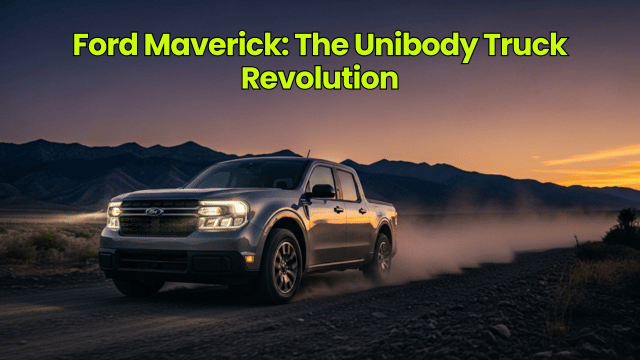
Ford Maverick: The Unibody Truck Revolution
Let’s talk about the Ford Maverick. This compact pickup truck measures 199.7 inches long and is available only in a four-door crew cab configuration. The Maverick has quickly gained attention for being the unibody truck of the moment. It has revolutionized the pickup trucks category by offering affordability and fuel efficiency like no other. It’s a game-changer for buyers looking for a compact, no-fuss solution to their transportation needs.
Since its introduction, the Maverick has experienced unprecedented demand. Many dealerships maintain waiting lists. Some customers wait months to take delivery of their trucks. This overwhelming response demonstrates that Ford correctly identified an underserved segment of the market. These are buyers who want truck utility but have been priced out of traditional full-size pickups. Or they simply don’t need them.
The Ford Maverick is available as a hybrid or with a standard turbocharged 2.0-liter inline-four engine. With its hybrid powertrain, the Maverick offers fuel efficiency up to 42 mpg city. The 2026 model has an EPA MPG of 23–38 combined. The 2026 Ford Maverick starts at $29,840. The 2025 Ford Maverick has a starting price of $28,590 and measures 199.8 inches long. The Maverick’s price point is a key selling factor. It’s one of the most affordable options in its class.
What’s particularly impressive is that the hybrid version comes as the base model. This means the most fuel-efficient option is also the most affordable. That’s a reversal of the typical automotive pricing structure. This pricing strategy makes the Maverick accessible to budget-conscious buyers while still delivering impressive technology and capability.
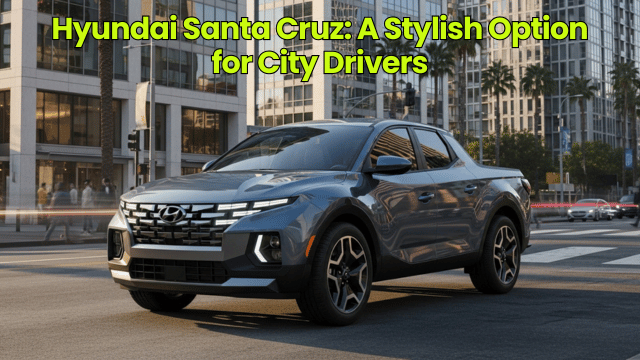
Hyundai Santa Cruz: A Stylish Option for City Drivers
The Hyundai Santa Cruz is one of those compact pickup trucks that seamlessly blends city-friendly vibes with the ruggedness of a pickup. The Hyundai Santa Cruz is the smallest new pickup truck available in America. It measures 195.7 inches long and is available only in a four-door crew cab configuration. With its sleek design and smooth handling, this truck is perfect for those who want the flexibility of a pickup without the bulk of a full size truck.
It comes with a 4-foot truck bed and a standard naturally aspirated 2.5-liter four engine. A turbocharged 2.5-liter four is available on higher trims. The Santa Cruz can tow a max of 5,000 pounds when properly equipped. This makes it ideal for weekend getaways or home improvement projects.
The 2025 Hyundai Santa Cruz is 195.7 inches long. It can tow up to 5,000 pounds and has a starting price of $30,200. The 2026 Hyundai Santa Cruz starts at $31,350 with an EPA MPG of 20–25 combined. It’s expected to receive updates to available equipment and infotainment tech for 2025. Plus, the Santa Cruz boasts a more premium, car-like interior compared to typical trucks. It also features high-tech capabilities, setting it apart from the typical compact pickup. It’s more than just a truck—it’s a crossover with utility. If you’re into versatility, this is the one to look at.
READ ALSO: Why The Road to Success is Always Full of Failures
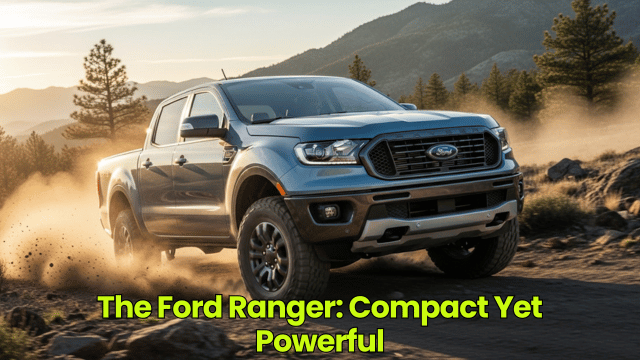
The Ford Ranger: Compact Yet Powerful
The Ford Ranger is another compact pickup that holds its ground when it comes to powertrains and payload capacity. If you need a truck that can do a little bit of everything, the Ranger might be exactly what you need. Whether it’s hauling materials or towing a boat, this truck delivers. The truck offers a great balance between performance and size, especially when compared to its larger rivals.
The Ranger’s heritage stretches back decades. The current generation benefits from Ford’s global truck development program. It incorporates lessons learned from markets around the world where mid-size trucks dominate. This international pedigree means the Ranger is engineered to be tough, reliable, and capable in diverse conditions. From dusty construction sites to highway commutes, it handles everything.
With a 7,500-lb towing capacity when properly equipped, the Ranger makes it clear that compact doesn’t mean weak in the tow department. It’s a true contender in the midsize trucks space. It offers the best of both worlds: fuel efficiency without compromising on power. The Ranger’s turbocharged engine delivers strong low-end torque. This makes it feel responsive and capable whether you’re accelerating onto highways or pulling heavy loads up steep grades.
The available towing packages include features like trailer sway control, integrated trailer brake controller, and smart trailer tow connector. These make the towing experience safer and more confident even for less experienced drivers.
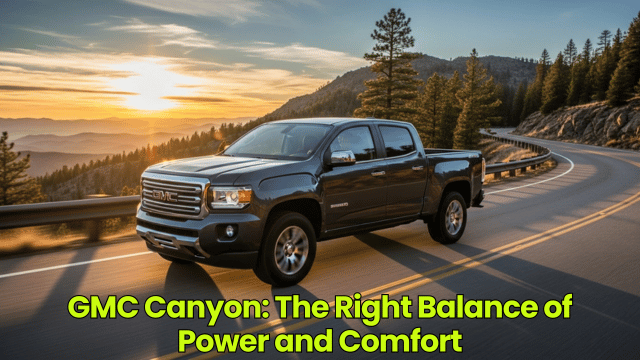
GMC Canyon: The Right Balance of Power and Comfort
If you’re looking for a truck that still delivers rugged utility but with a touch of sophistication, the GMC Canyon is one of the smallest pickup trucks that doesn’t skimp on luxury. It’s a midsize truck that offers a more refined experience without losing its tough edge. Whether you’re using it for towing your camper or tackling a rough trail, the Canyon provides a smooth ride. It features impressive payload and towing capacities.
GMC has positioned the Canyon as a premium alternative in the midsize truck segment. It offers upscale interior materials, advanced technology features, and refined road manners. These appeal to buyers who want their work truck to also serve as a comfortable daily driver.
It’s a perfect blend of everyday utility and the comfort of a vehicle you can easily drive around town. Whether you’re headed for work or a weekend adventure, the Canyon is ready for whatever you throw its way. The truck’s interior is thoughtfully designed with comfortable seating, intuitive controls, and plenty of storage solutions. These accommodate both personal items and work equipment. The ride quality is notably smooth for a truck. This is thanks to sophisticated suspension tuning that absorbs road imperfections while maintaining control during spirited driving or when carrying heavy loads.
Advanced safety features make the Canyon feel modern and secure. These include blind-spot monitoring, rear cross-traffic alert, and available adaptive cruise control. They address concerns that some buyers might have about driving a larger vehicle.
Benefits of Going Compact: Affordability and Efficiency
There are plenty of reasons to consider a compact truck over a full size truck if you’re looking to make a smart decision for both your wallet and the environment. Here are a few compelling reasons that go beyond just the initial purchase price. The total cost of ownership for compact trucks tends to be significantly lower than full-size trucks. This considers factors like fuel costs, insurance premiums, maintenance expenses, and depreciation.
Affordability: Compact pickup trucks like the Ford Maverick and Hyundai Santa Cruz are generally more affordable than their larger counterparts. They come with lower starting prices, meaning less of a financial commitment upfront. Full-size and heavy-duty trucks have become expensive. This makes compact trucks a more attractive option for budget-conscious buyers.
Fuel Efficiency: With hybrid options and smaller engines, compact trucks like the Ford Maverick excel in fuel economy. The combination of lower purchase costs and fuel efficiency means you’ll save more money over time. Consider that a compact truck achieving 35 MPG compared to a full-size truck getting 20 MPG will save hundreds or even thousands of dollars in fuel costs annually. This depends on driving habits and fuel prices.
Ease of Parking: These trucks are significantly smaller than full size trucks. This makes them easier to park, especially in crowded city areas. If you’re always struggling with tight parking spaces, a compact pickup truck could be a lifesaver. Full-size trucks often exceed 230 inches in length and 80 inches in width. This makes them challenging to fit in standard parking spaces, navigate parking garages, or maneuver in tight urban environments.
READ ALSO: Change Your Attitude With Timeless Life Lessons From My Dog
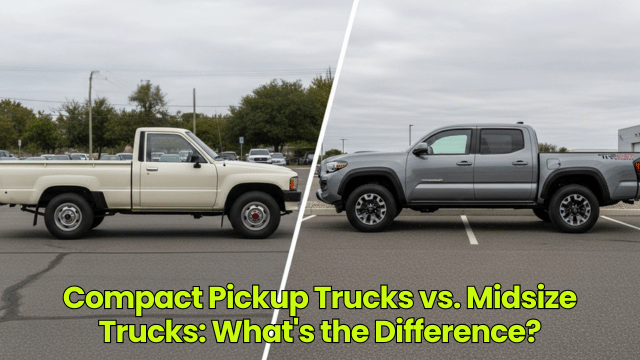
Compact Pickup Trucks vs. Midsize Trucks: What’s the Difference?
When searching for the smallest pickup trucks, you might come across options labeled as “compact” and “midsize.” But what exactly sets them apart, and which one is best for your needs? Let’s break it down. Understanding the distinctions between these categories is essential for making an informed purchase decision. Choosing the wrong size could mean either buying more truck than you need or not enough to meet your requirements.
The terminology in the truck market can be confusing. Manufacturers sometimes use these terms interchangeably or create their own categorizations. However, there are some generally accepted differences in size, capability, price, and intended use. These can help guide your decision. The choice between compact and midsize often comes down to specific needs. Consider how much you plan to tow, what type of payload you’ll carry, where you’ll drive most often, and how much space you need in the cabin. Neither option is inherently better. They simply serve different purposes and buyer preferences.
Compact Pickup Trucks: These trucks are the smaller cousins of the midsize trucks. They’re perfect for urban dwellers and those who don’t need the massive towing power of their bigger brothers. Compact pickups, like the Ford Maverick or Hyundai Santa Cruz, offer better fuel efficiency. They’re easier to park and come at a lower price. These trucks are ideal for city driving, light-duty towing, and casual weekend adventures.
Compact trucks generally measure 190–200 inches in length. This balances daily driving with light hauling needs. The Ford Maverick and Hyundai Santa Cruz have a payload capacity of around 1,400-1,500 pounds. This is suitable for light-duty tasks. These vehicles excel in scenarios where maneuverability and efficiency matter more than maximum capability. Examples include navigating congested urban streets, fitting into tight parking spaces, or minimizing fuel costs during daily commutes.
The Future of Compact Pickup Trucks: Electric Vehicles Are Coming!
While we’ve talked about traditional compact pickup trucks, it’s impossible to ignore the rise of electric vehicles (EVs) in the market. And yes, compact trucks are getting in on the action too! The electric vehicle revolution is transforming every segment of the automotive industry. Compact trucks are no exception. As battery technology improves, making EVs more affordable and practical, we’re seeing increased interest in electric pickup trucks. They can deliver all the utility of traditional trucks without the emissions, noise, or fuel costs associated with internal combustion engines.
The advantages of electric powertrains in trucks are particularly compelling. Instant torque delivery makes them exceptional for towing and hauling. The lower center of gravity from battery placement improves handling and stability. Electric trucks also require less maintenance. They have fewer moving parts and don’t need oil changes, transmission services, or exhaust system repairs. This combination of performance benefits and lower operating costs makes electric trucks an increasingly attractive option for forward-thinking buyers.
Enter the Ford Maverick and Hyundai Santa Cruz, which have already set the stage for EV-friendly designs. As the world shifts toward more sustainable options, the future of the smallest pickup trucks looks even more exciting. EVs like the upcoming electric Ford Ranger or Chevrolet Colorado EV will combine the power of a truck with the fuel efficiency benefits of an electric powertrain. Imagine the tow capabilities of a pickup, paired with zero emissions and a lower carbon footprint. Now, that’s the future. Electric compact trucks will likely offer ranges exceeding 250 miles. This is sufficient for most daily driving needs and many weekend adventures without requiring a charge.
Conclusion: The Best of Both Worlds
In conclusion, the smallest pickup trucks can absolutely get the job done. Whether you’re hauling equipment for work or gearing up for a weekend adventure, compact pickups like the Toyota Tacoma, Ford Maverick, Hyundai Santa Cruz, and GMC Canyon offer the right blend of performance, utility, and style. They give you all the benefits of a pickup truck, like payload, towing, and truck bed capacity. But they do this without the drawbacks of a larger full size truck.
The compact truck segment has matured significantly. It offers genuine capability that meets the real-world needs of most truck buyers. It also avoids the compromises that come with owning a massive vehicle.
These trucks represent smart purchases for practical buyers who want maximum value, efficiency, and usability. You don’t have to pay for capabilities you’ll rarely or never use. The market has responded enthusiastically to these offerings. Strong sales numbers prove that compact trucks aren’t just a niche product. They’re a mainstream choice that appeals to a broad spectrum of buyers from various demographics and use cases.
So, if you’re in the market for something that gets you around town, offers great fuel efficiency, and still delivers on the rugged capabilities you need, go ahead and test drive one of these compact gems. You’ll be surprised by just how much power and utility they pack into a smaller frame. Don’t let size fool you—these compact pickup trucks are ready for whatever comes your way.
UP NEXT: How To Get Started With Your Own Food Truck Business
Source link