Supercapacitors that charge your devices in seconds? The future of energy storage is here, and it’s mind-blowing!
Get Email Alerts and Follow Us:
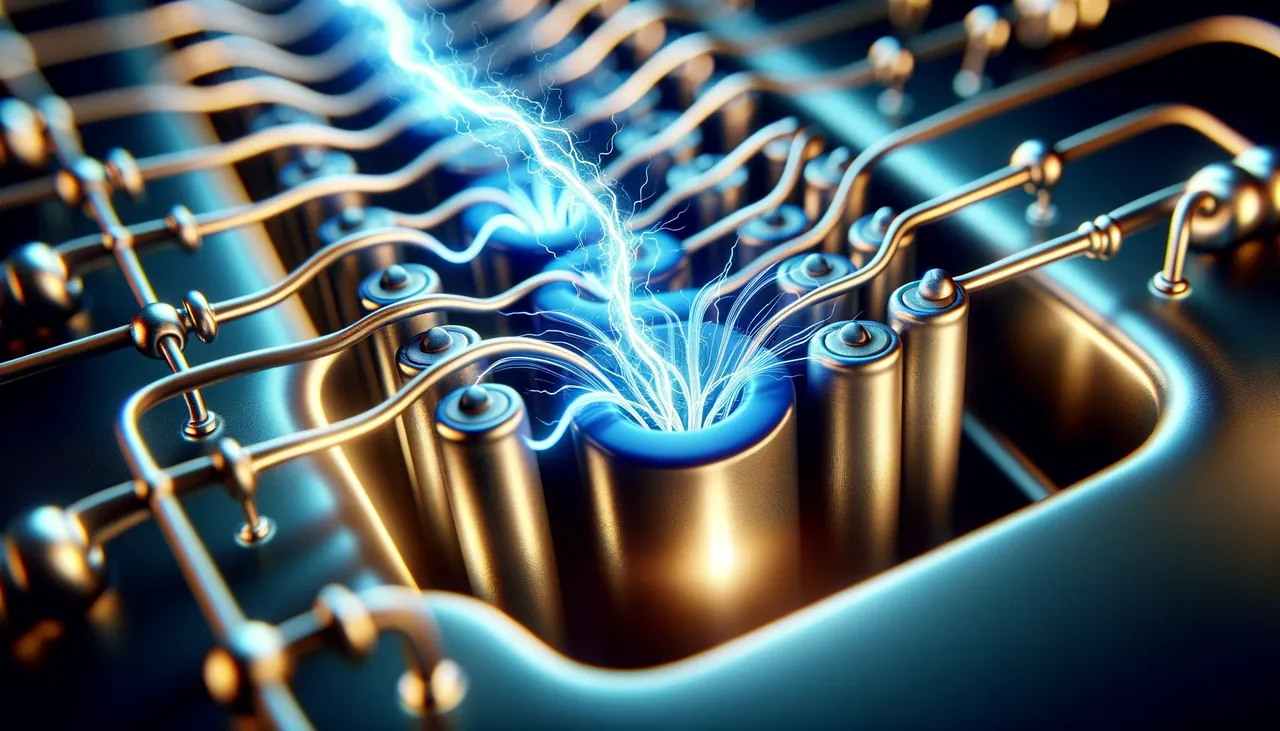
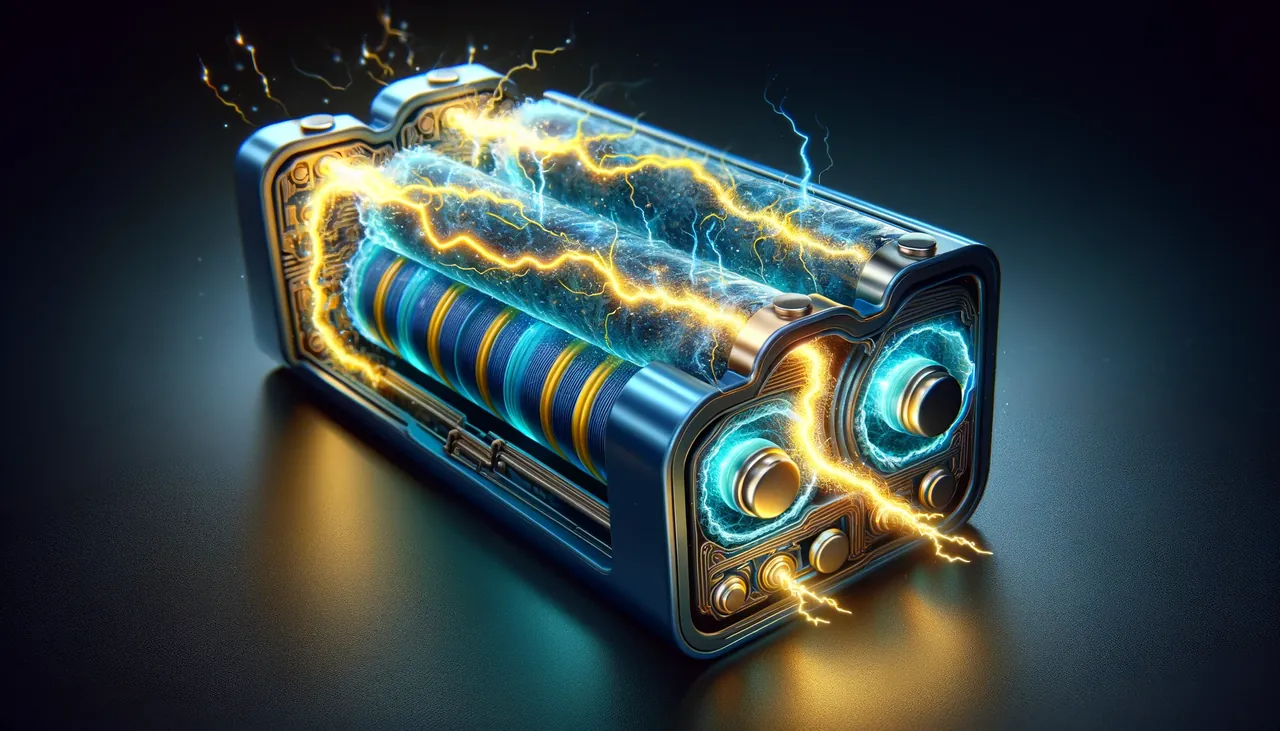
A recent breakthrough from the University of Colorado at Boulder could revolutionize the way we charge electronic devices and electric vehicles. Researchers have made significant strides in understanding the behavior of charged ion particles, a discovery that could pave the way for supercapacitors capable of charging phones and laptops in just 60 seconds and electric cars in a mere ten minutes.
The Promise and Challenge of Supercapacitors
Supercapacitors have long been heralded as the future of rapid energy storage, promising to charge electronics at lightning-fast speeds. However, the primary challenge has been increasing their energy density to match or exceed that of lithium-ion batteries. Conventional batteries currently store up to ten times more energy than today’s supercapacitors, rendering the latter more of a theoretical possibility than a practical solution.
Breakthrough by Ankur Gupta and His Team
Ankur Gupta, a chemical and biological engineer, leads the team behind this groundbreaking study, which was recently published in the journal Proceedings of the National Academy of Sciences. Gupta and his colleagues have discovered a crucial update to Kirchoffs LawKirchhoffs laws are foundational principles in electrical engineering, essential for the analysis and design of electrical circuits. Named after the German physicist Gustav Kirchho… More, a fundamental principle in electrical current theory that dictates voltage movement in specific loops.
“The primary appeal of supercapacitors lies in their speed,” Gupta stated in a press release. “So how can we make their charging and release of energy faster? By the more efficient movement of ions.”
Revising Kirchoff’s Law
The team’s research reveals that ions move differently through porous environments, such as those found in supercapacitors, compared to the expectations set by Kirchoffs LawKirchhoffs laws are foundational principles in electrical engineering, essential for the analysis and design of electrical circuits. Named after the German physicist Gustav Kirchho… More. This amendment to the old principle could revolutionize the storage capacity of supercapacitor technology. Gupta highlighted the significance of their discovery, calling it the “missing link” in understanding ion movement.
“That’s the leap of the work,” Gupta said. “We found the missing link.”
Implications for Future Technology
The implications of this discovery are profound. Faster and more efficient energy storage could significantly impact various industries, particularly electronics and electric vehicles. The potential for supercapacitors to charge devices in seconds and vehicles in minutes presents a tantalizing glimpse into the future of technology.
Gupta emphasized the broader impact of their findings, suggesting that they could have massive implications for “the future of the planet.” The rapid charging capabilities of supercapacitors could contribute to more sustainable energy solutions, reducing reliance on traditional batteries and their associated environmental impacts.
Challenges and Future Work
Despite the promising nature of this discovery, researchers acknowledge that there is still considerable work to be done before these advancements can be implemented in next-generation energy storage devices. The path from theoretical research to practical application is complex and requires further exploration and development.
However, this breakthrough offers an intriguing peek into the future of supercapacitor technology. The updated understanding of ion movement through porous environments represents a significant step forward, potentially transforming how we store and utilize energy.
Looking Ahead
The discovery made by Ankur Gupta and his team at the University of Colorado at Boulder marks a significant milestone in the field of energy storage. By revising Kirchoff’s Law and uncovering the efficient movement of ions, they have unlocked new possibilities for supercapacitors. While challenges remain, this breakthrough brings us closer to a future where phones, laptops, and electric cars can be charged in mere moments, revolutionizing our approach to energy consumption and storage.
As research continues and these findings are further developed, the potential for supercapacitors to transform various industries and contribute to a more sustainable future becomes increasingly clear. The journey ahead may be complex, but the path paved by this discovery offers a promising glimpse into the future of energy storage technology.
Get Email Alerts and Follow Us:
We are entirely supported by readers like you. Thank you for your support.
This content is provided for informational purposes only and does not constitute financial, investment, tax or legal advice or a recommendation to buy any security or other financial asset. The content is general in nature and does not reflect any individual’s unique personal circumstances. The above content might not be suitable for your particular circumstances. Before making any financial decisions, you should strongly consider seeking advice from your own financial or investment advisor.
Source link