How to Swing Trade Like a Pro – Win Big with Minimal Screen Time”
Swing trading is one of the most effective ways to profit from the markets without the stress of day trading. Unlike scalping or intraday trading, swing trading allows you to hold positions for days or weeks, reducing the need for constant screen time.
But how do you succeed in swing trading without staring at charts all day? The key lies in strategy, discipline, and the right mentorship. In this guide, we’ll cover:
✅ The best swing trading strategies for busy traders
✅ How to identify high-probability setups
✅ Risk management techniques to protect your capital
✅ Advanced methods like Gann Theory and Financial Astrology for precise timing
If you’re serious about mastering swing trading, consider enrolling in our Mastering W.D. Gann’s Trading Strategies: A Mentorship Program to refine your approach.
Chapter 1: What is Swing Trading?
Swing trading sits between day trading and long-term investing. Instead of closing trades within minutes (like day traders) or holding for months (like investors), swing traders capture trends over several days to weeks.
Why Swing Trading is Perfect for Busy Traders
✔ Less Screen Time – No need to monitor charts constantly.
✔ Lower Stress – Avoid the emotional rollercoaster of intraday trading.
✔ Higher Profit Potential – Ride medium-term trends for bigger moves.
Who Should Consider Swing Trading?
-
Professionals with full-time jobs
-
Part-time traders who can’t watch markets all day
-
Investors looking to enhance returns with active trading
For traders who want to refine their market timing, our Financial Astrology Mentorship Program offers unique insights into planetary cycles and their impact on trading.
Chapter 2: Best Swing Trading Strategies
Strategy #1: Moving Average Crossovers
A simple yet powerful method where traders use:
Entry Signal: When the 50 EMA crosses above the 200 EMA (Golden Cross).
Exit Signal: When the 50 EMA crosses below the 200 EMA (Death Cross).
Example:
Strategy #2: Fibonacci Retracement Swing Trading
Fibonacci levels help identify pullbacks in a strong trend.
-
Key Levels: 38.2%, 50%, 61.8%
-
Entry: Buy near 61.8% retracement in an uptrend.
-
Stop Loss: Below the recent swing low.
Strategy #3: Breakout Trading
-
Identify consolidation patterns (flags, triangles, rectangles).
-
Enter when price breaks above resistance with volume.
-
Stop loss below the breakout level.
For traders who want to take their skills to the next level, our Gann Advanced Trading Course teaches advanced techniques for predicting market movements.
Chapter 3: How to Trade Without Watching Charts All Day
Step 1: Set Alerts for Key Levels
Use trading platforms to set alerts for:
Step 2: Trade Higher Timeframes (4H, Daily, Weekly)
Step 3: Use End-of-Day (EOD) Analysis
Step 4: Automate with Conditional Orders
Chapter 4: Risk Management in Swing Trading
Rule #1: Never Risk More Than 2% Per Trade
-
Ensures longevity in trading.
-
Example: If your account is 10,000,maxriskpertrade=200.
Rule #2: Always Use Stop Losses
Rule #3: Take Partial Profits
Chapter 5: Advanced Techniques – Gann Theory & Financial Astrology
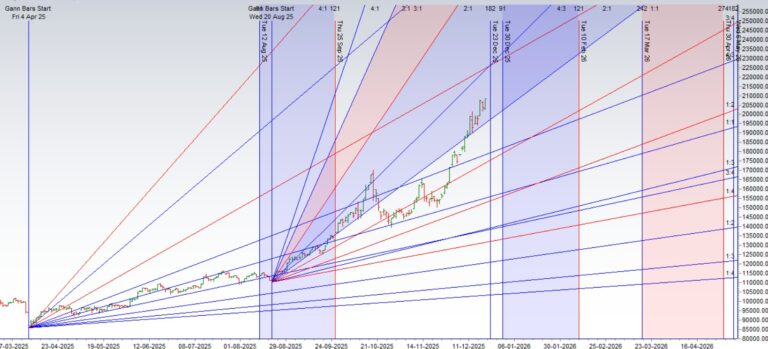
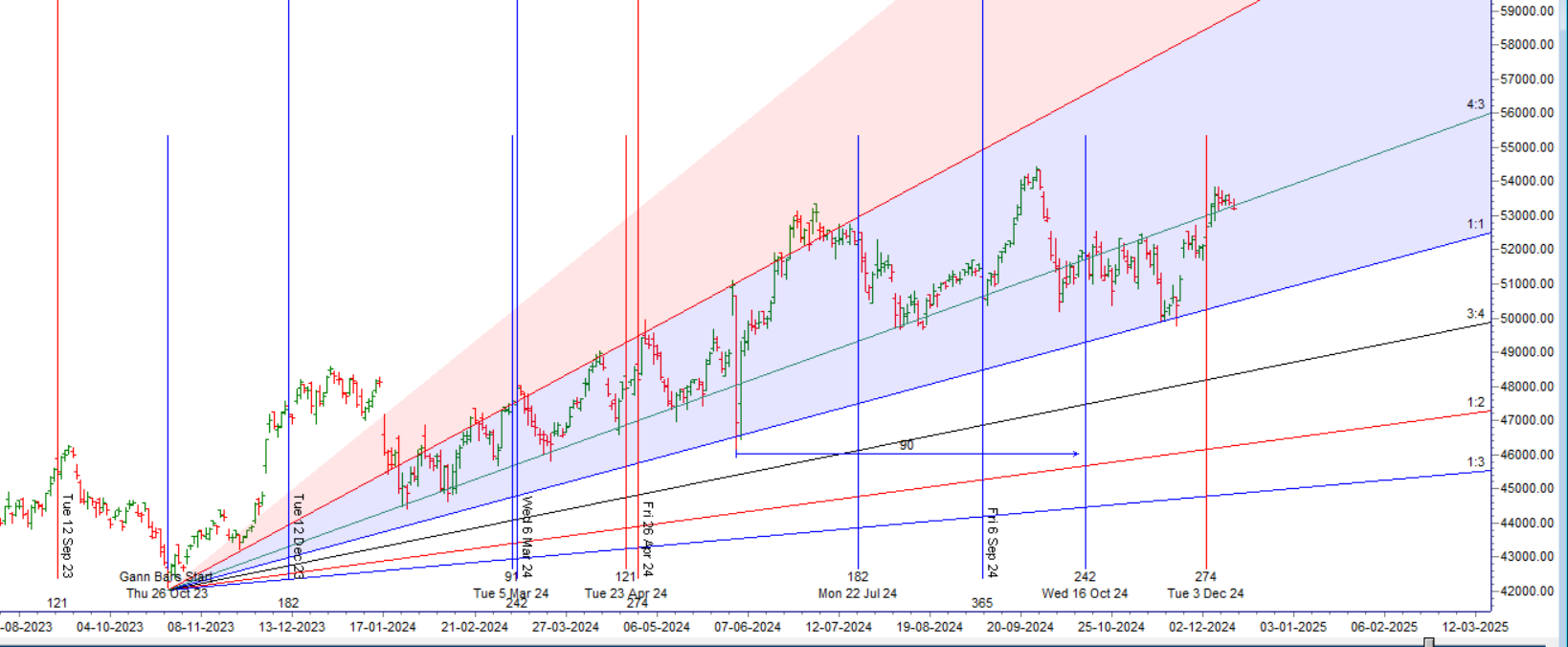
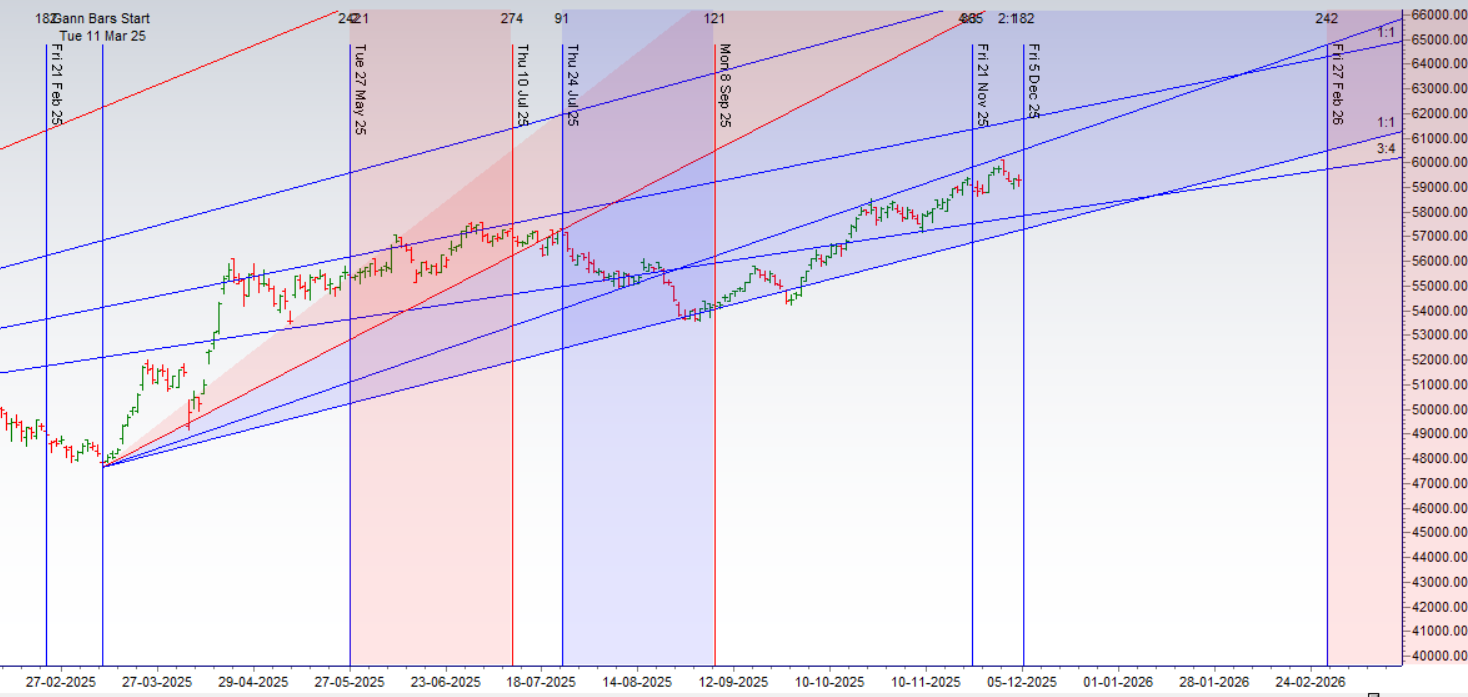
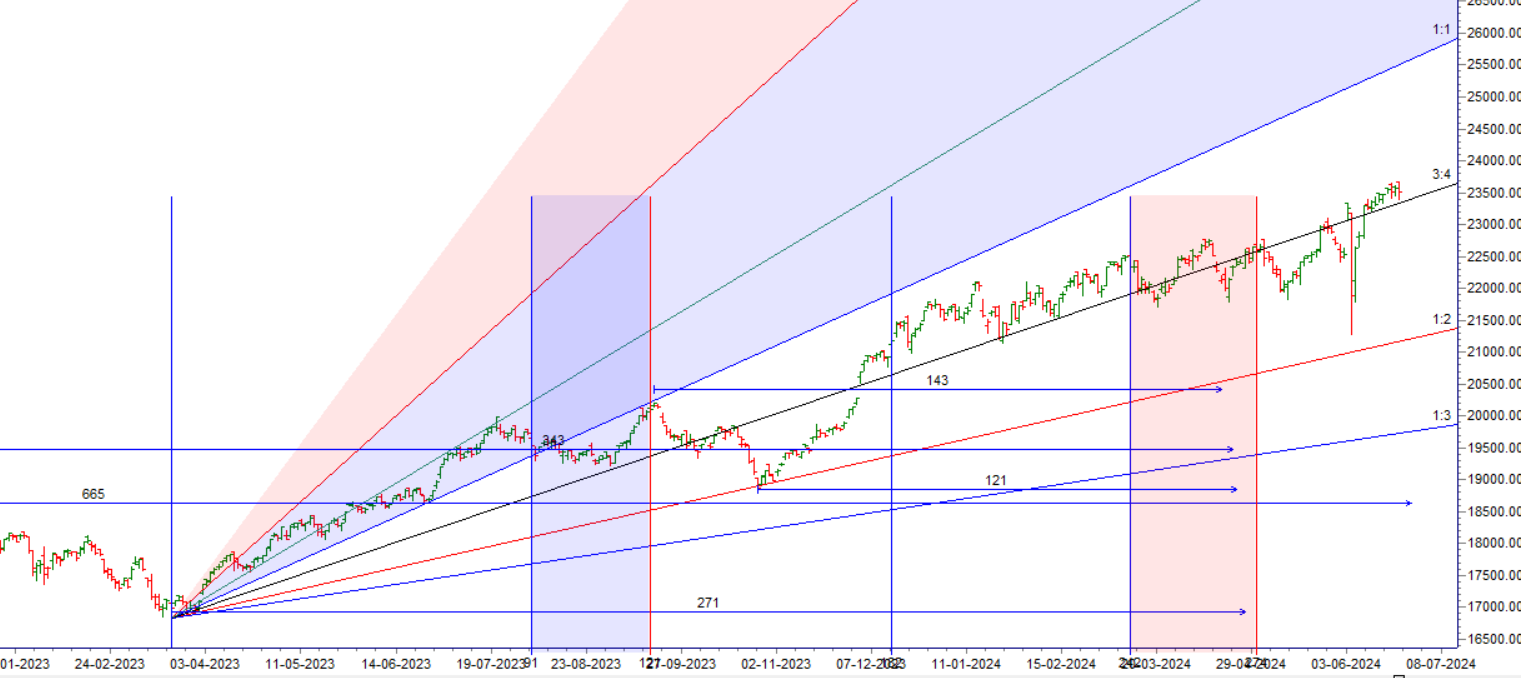
Gann Time Cycle for Swing Trading
Learn more in our Mastering W.D. Gann’s Trading Strategies Program.
Financial Astrology for Market Timing
Enhance your timing with our Financial Astrology Mentorship Program.
Conclusion
Swing trading is the perfect balance between active trading and passive investing. By using the right strategies, risk management, and advanced techniques like Gann Theory and Financial Astrology, you can achieve consistent profits without being glued to your screen.
Ready to take your trading to the next level? Enroll in our Gann Advanced Trading Course today!
Related