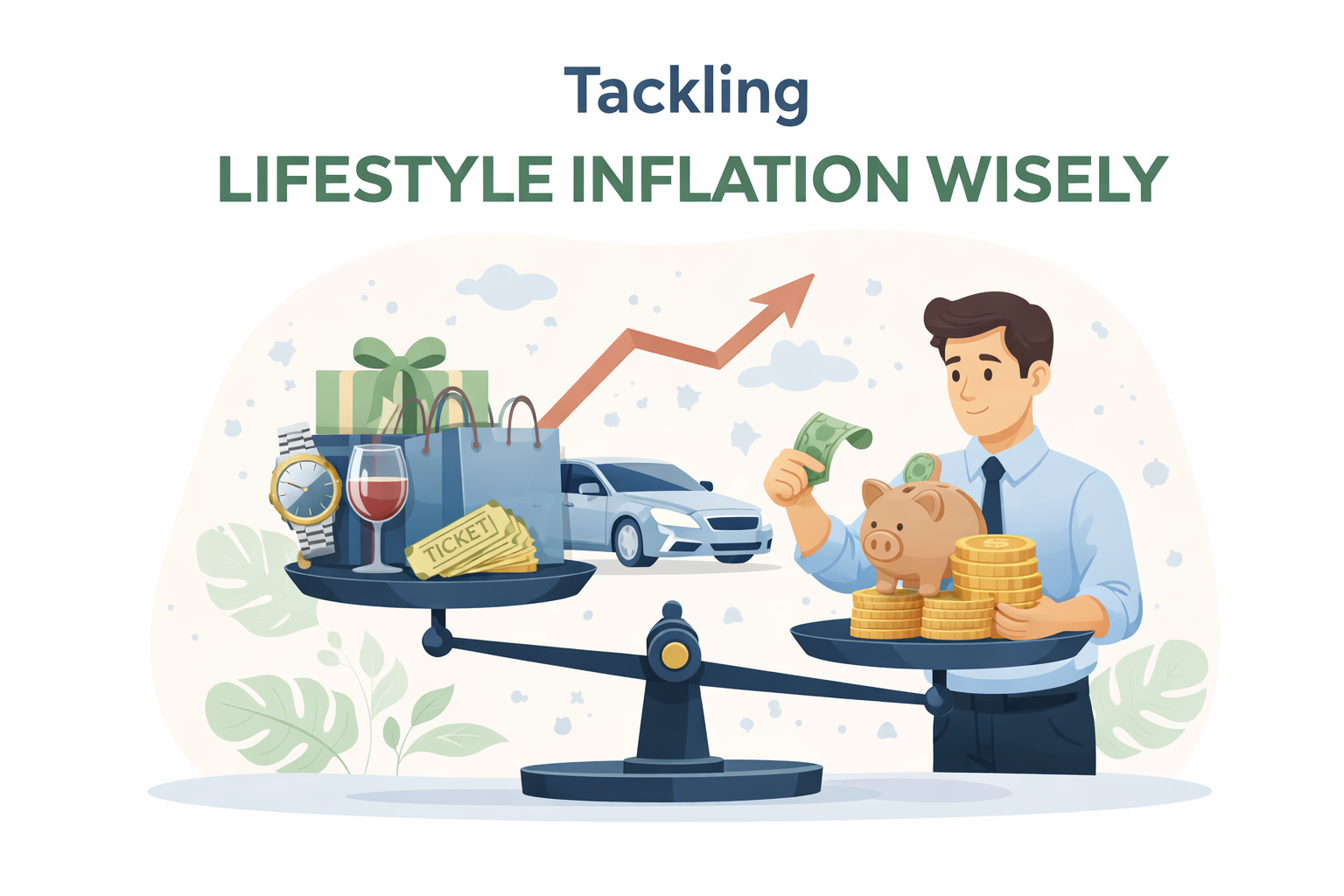
Tackling Lifestyle Inflation Wisely
As paycheques grow, so do expectations—nicer cars, bigger homes, frequent upgrades, and lifestyle choices that quietly become non‑negotiable. What often goes unnoticed is how easily rising income turns into rising expenses, leaving wealth creation stuck in neutral despite years of hard work.
Charlie Munger, the legendary partner of Warren Buffett at Berkshire Hathaway, frequently warned against this silent trap. His belief was simple but powerful: real financial progress doesn’t come from earning more alone, but from not needing to spend more than necessary. That philosophy is especially relevant in one’s 30s—a phase where income accelerates, choices multiply, and long‑term financial foundations are still taking shape.
Understanding Lifestyle Inflation
Lifestyle inflation refers to the gradual increase in spending as income rises—often without conscious intent. As careers progress and paycheques improve, especially in the 30s, many people begin upgrading their lifestyle in small, seemingly harmless ways. Over time, what once felt like a luxury quietly starts feeling like a necessity.
The problem isn’t higher spending by itself. The real issue is that savings, investments, and financial security often fail to grow at the same pace. The result? You earn more, work harder, and yet don’t feel meaningfully ahead.
How Lifestyle Inflation Creeps In
This shift rarely happens overnight. Instead, it sneaks in after milestones—a promotion, a job switch, or a salary hike. Extra income that could strengthen savings or investments gets absorbed by a slightly better apartment, frequent food delivery, upgraded gadgets, or recurring subscriptions.
What makes lifestyle inflation tricky is how reasonable it feels. Each upgrade appears justified on its own. Add easy access to credit and social pressure to “keep up,” and spending quietly resets to match income. Over time, this leaves little room for wealth-building, even as earnings rise.
Why Lifestyle Inflation Holds You Back
At first glance, spending more can feel like progress. In reality, it often creates the illusion of moving forward without improving financial stability. When expenses rise alongside income, many people remain stuck in a paycheck‑to‑paycheck cycle—just at a higher level.
This lack of financial cushion has real consequences. Without adequate savings, even small disruptions—like an unexpected medical bill or a temporary income gap—can cause stress. Over‑reliance on credit cards becomes common, and long‑term goals such as investing or building an emergency fund keep getting postponed.
Breaking this pattern requires one key shift: intentionally directing income growth toward financial security, not just lifestyle upgrades.
A Relatable Example: How It Plays Out in Real Life
Consider someone in their mid‑20s who shares accommodation, cooks most meals at home, and keeps expenses lean. After a few years, a better‑paying role brings confidence and comfort. Renting a solo apartment feels well‑deserved. Commutes improve with a car upgrade. Food delivery becomes routine after long workdays. Subscriptions pile up—streaming, fitness, convenience apps.
None of these decisions are reckless. Yet, together, they raise monthly expenses significantly. Despite earning more than ever, savings barely improve. This slow shift—where income growth gets fully absorbed by lifestyle upgrades—is lifestyle inflation in action.
Managing Lifestyle Inflation in Your 30s—The Right Way
The most effective way to manage lifestyle inflation is to be intentional before spending begins. Prioritising savings first—by mentally or practically allocating money toward savings and investments before lifestyle upgrades—creates a natural boundary.
Mindful spending also plays a crucial role. Pausing to ask whether an expense truly adds long‑term value helps filter impulse decisions. Automating savings and investments adds discipline, ensuring your future gets funded before your present does.
Clear financial goals—short‑term, medium‑term, and long‑term—act as anchors. They provide perspective when lifestyle temptations arise. Most importantly, investing consistently in growth‑oriented assets allows income growth to work for you, rather than disappearing into higher expenses.
A higher income can either improve long‑term freedom or simply raise monthly bills. The difference lies in conscious choices.
How Lifestyle Inflation Impacts Savings and Investments
Lifestyle inflation directly eats into your ability to save and invest. When additional income is spent rather than allocated, the surplus needed to build wealth never materialises.
Upgrading your lifestyle isn’t inherently wrong. The risk emerges when savings and investments stagnate despite income growth. Over time, this leaves you vulnerable—without financial buffers or progress toward long‑term goals.
A simple self‑check helps: if pay hikes disappear quickly, credit cards feel essential, or saving feels harder despite earning more, lifestyle inflation may be holding you back.
A Commonly Missed Angle: Flexibility and Freedom
One often overlooked cost of lifestyle inflation is the loss of flexibility. Higher fixed expenses lock you into maintaining a certain income level. This limits career choices, reduces the ability to take breaks, switch roles, or handle uncertainty with confidence.
Keeping lifestyle growth modest preserves optionality—the freedom to make decisions based on opportunity, not pressure.
Bottomline
Lifestyle inflation can quietly consume every extra rupee you earn, slowing debt reduction, weakening savings, and delaying long‑term investing. Enjoying a better lifestyle isn’t the problem—uncontrolled lifestyle upgrades are.
Avoiding this trap in your 30s is about balance. With mindful spending, disciplined saving, and consistent investing, you can enjoy present comforts without sacrificing future security. The goal isn’t to deny yourself—but to ensure that rising income genuinely moves you closer to financial freedom, not just a more expensive routine.