Why the U.S. Government is Saving Polymarket but Letting Sweepstakes Casinos Fall | BitcoinChaser
In the United States, both prediction markets and sweepstakes casinos are under attack from state regulators. States argue that both are abusing loopholes in the law to offer unlicensed gambling. The surprising twist? The Federal government has come out fighting in the corner of prediction markets, while leaving sweepstakes casinos to fend for themselves.
In 2025, both New York and California signed bills into law banning sweepstakes casinos. Lawmakers in states like Connecticut and New Jersey have moved to pass similar legislation. Meanwhile, regulators in Maryland and Mississippi have sent cease-and-desist letters to sweepstakes operators.
“Getting lawmakers to agree on anything isn’t an easy task. Sweepstakes casinos unified red states and blue states alike to agree that sweepstakes casinos represent illegal gambling while stealing revenue from their states,” wrote Shawn Fluharty, Head of Government Affairs at Play’n Go and Minority Whip of the West Virginia Legislature.
Lawmakers across the US are also setting their sights on prediction markets. An onslaught of state-led litigation has targeted the industry, pushing back against the idea that these platforms are ‘financial exchanges.’
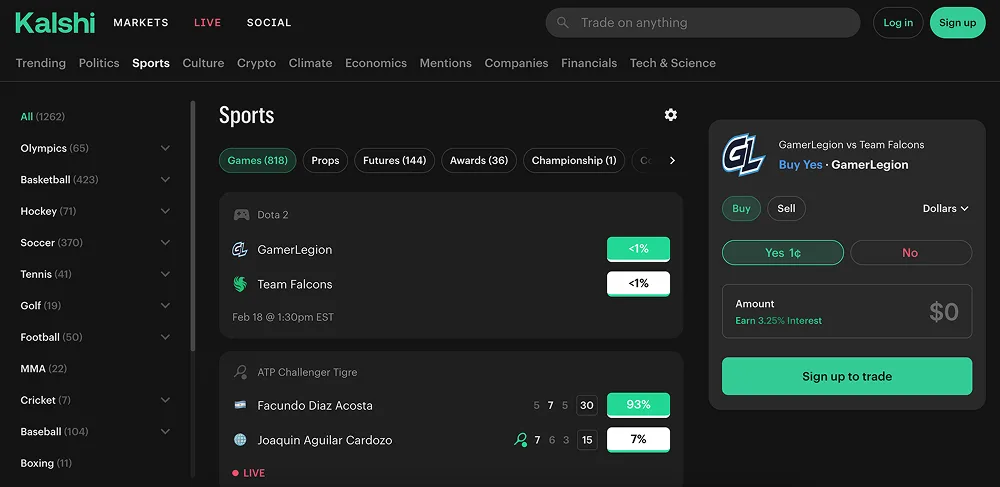
The lawsuits argue these sites are betting platforms, no different from an online sportsbook. As things stand, sites like Kalshi and Polymarket are often not taxed or subject to state gambling laws, leading traditional gambling companies to lobby against them.
On top of the legal grey area in which prediction markets operate, there is growing concern about insider trading. Israel recently charged two individuals, including a military reservist, with using classified military intelligence regarding strikes on Iran to win on Polymarket.
On the face of it, both types of platforms—prediction markets and sweepstakes casinos—are doing something similar: offering gambling, while claiming not to offer gambling.
But the Federal government is not backing both.
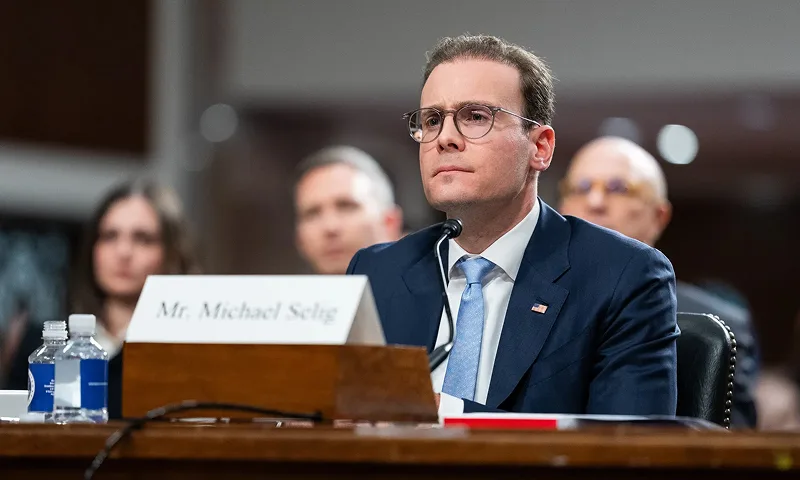
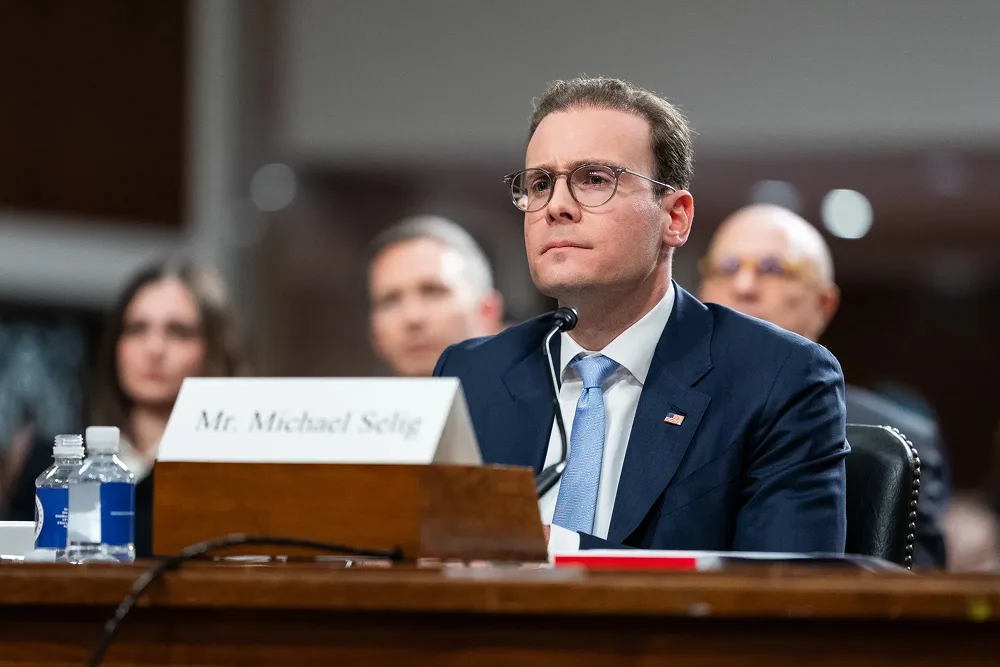
On February 16, the newly appointed Chairman of the CFTC (Commodity Futures Trading Commission), Michael Selig, wrote an Op-Ed in the Wall Street Journal explicitly defending prediction markets like Kalshi and Polymarket.
Selig, who was appointed by President Trump, warned states that the CFTC has “exclusive jurisdiction” over prediction markets, defining them as financial derivatives rather than gambling.
In the opinion piece titled “States Encroach on Prediction Markets,” Selig wrote:
“The CFTC will no longer sit idly by while overzealous state governments undermine the agency’s exclusive jurisdiction over these markets by seeking to establish statewide prohibitions on these exciting products. Under the plain language of the Commodity Exchange Act, event contracts are ‘swaps’—legitimate financial derivatives that allow Americans to hedge real-world risks and provide the public with a vital check on our news media.”
While the Federal government is acting as a shield for prediction markets, sweepstakes casinos are unprotected. No federal agency has stepped up to defend them. In fact, in late 2025, a coalition of 50 state Attorneys General sent a letter to the Department of Justice urging the federal government to crack down on the industry.
States will be keen to keep up the attack on both sectors in 2026. But while Kalshi and Polymarket have found shelter with the Federal government and the CFTC, sweepstakes casinos are in for a lonely battle, state by state.
Source link