How to Improve Writing Skills and Actually Impress People




Let’s cut straight to it: writing runs the world. Whether it’s an email, a blog post, or a company report, words are everywhere. People who learn how to improve writing skills unlock an advantage that others overlook. Strong writing skills aren’t just about looking smart: they make you sound credible, persuasive, and memorable.
Think about it. You send emails at work, text friends, post online, maybe draft essays if you’re still a student. Every one of those words paints a picture of you. If your sentences ramble, your grammar is sloppy, or your tone is unclear, the impression isn’t great. But if you improve your writing, people notice. They read, they listen, they respect.
Here’s the thing most people don’t realize: text leaves a trail. Everything you write—an Instagram caption, a LinkedIn bio, even a tweet—can be found. Imagine a future employer Googling you. Do your words say “professional, confident, better writer”? Or do they scream “chaotic and careless”? Writing can either open doors or slam them shut. It’s up to you.
The First Sentence Is Everything
Your first sentence is like stepping onto a stage. If you shuffle out mumbling, nobody cares. But if you walk in with presence, the room pays attention. The same rule applies to writing. A weak opener kills interest, while a bold one hooks instantly.
Let’s use an example. Compare: “In this essay, I will discuss social media.” Snooze. Now try: “Let’s be honest—social media is running your life.” Much better, right? That’s the power of a first sentence. It’s your handshake. Make it confident, not limp.
Most people waste this moment. They start essays with dull lines, emails with stiff intros, or blog posts with vague fluff. Don’t do that. Your reader decides in seconds whether to keep going. That’s why nailing the first sentence is a key point in becoming a better writer.
Here’s my advice: surprise your reader. Ask a question, drop a bold statement, or share a quick example. The goal is simple—make them curious enough to stick with you. Because once you lose them, they’re gone.
Reading Is Your Secret Weapon
If you’re not reading, you’re limiting your writing skills. Reading is the fuel, writing is the fire. You can’t expect to improve your writing if you never see how others do it. That’s like trying to cook without ever tasting food. Impossible.
When you read, you absorb style, vocabulary, and rhythm without even trying. You see how writers build arguments, shape paragraphs, and connect ideas. And guess what? Your brain files that away. Later, when you sit down to write, it sneaks back in. That’s how you develop flow.
Don’t overthink it. Read everything. Essays, novels, blogs, even newsletters. Want sharper academic writing? Read research papers. Want better storytelling? Read fiction. Want crisp, professional style? Read well-edited magazines. Every type of reading sharpens a different part of your skill set.
Most people say they don’t have time. But you scroll daily anyway. Swap ten minutes of scrolling for a short article. Carry a book on your commute. Read before bed. Every page counts. Writers who read are always one step ahead. And if you want to impress people, you need that step.
Practice Like It’s Your Gym Membership
Here’s some truth: you won’t improve writing skills by just thinking about it. You need practice, and you need it often. Writing is like fitness. You don’t get abs by watching workout videos—you show up daily. Same with words.
Start small. Five minutes of daily writing beats one massive session every two weeks. Jot down your thoughts, draft a short blog post, or even write silly stories. Daily writing builds muscle. Every sentence you write makes your next sentence easier. That’s progress.
Think back to your first day at the gym. Awkward, sweaty, maybe even discouraging. Writing feels the same at first. But keep going, and suddenly, you’re lifting more than you thought possible. Improvement sneaks up when you stay consistent.
The best advice? Don’t wait for inspiration. Inspiration shows up during practice, not before. Treat writing as part of your daily routine, like brushing teeth. When you make it consistent, you won’t just become a better writer—you’ll become unstoppable.
READ NEXT: 13 Best Content Writing Tools You Need to Use in 2025
Grammar: Friend, Not Foe
Let’s get sassy for a moment: stop treating grammar like the enemy. It’s not out to get you. Grammar is what keeps your writing from collapsing into chaos. Without it, your sentences wobble. With it, your words shine.
You don’t need to master every rule. Forget obsessing over Oxford commas or obscure exceptions. Focus on clarity. Keep sentences simple. Use active voice more than passive voice. That’s what separates sloppy writing from strong writing.
Here’s an example. Passive: “Mistakes were made.” Active: “I made mistakes.” Which one feels clearer? The second one, obviously. Active voice gives energy. Passive voice sucks it away.
And let’s be clear: grammar isn’t about impressing your old school teacher. It’s about respecting your reader. Bad grammar makes them work harder, and most people won’t bother. Good grammar makes your writing effortless to read. That’s how you hold attention. And in a world full of distractions, that’s priceless.
Editing: The Glow-Up Stage
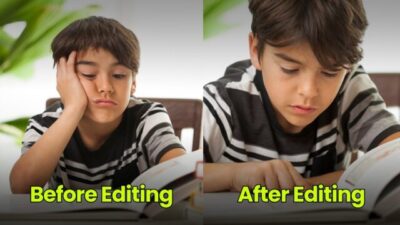
Darling, editing is where the glow-up happens. Your first draft? It’s like walking out of bed in pajamas. Editing is the shower, the outfit, the finishing touch. If you skip it, your writing looks messy, no matter how good your ideas are.
Editing isn’t just about fixing grammar. It’s about cutting unnecessary words, smoothing flow, and sharpening points. Here’s a quick checklist: cut fluff, swap weak verbs for strong ones, fix awkward sentences, and check consistency. Trust me, your writing will thank you.
Most people hate editing because it feels tedious. But here’s the opinion you need to hear: skipping editing is the wrong move. Nobody’s first draft is genius. Even the best writers edit ruthlessly. So why shouldn’t you?
Want a trick? Wait a few hours before editing. Fresh eyes catch mistakes you missed. And always read aloud. If you stumble over a sentence, your reader will too. Editing may not feel glamorous, but it’s the process that separates average from impressive.
Feedback: Your Secret Shortcut
Here’s the shortcut everyone avoids: feedback. If you want to improve your writing, stop hiding it. Show it to people. Get their reactions. Listen, even if it stings.
I’ll be blunt: avoiding feedback keeps you stuck. Most people repeat the same mistakes because they never hear an outside perspective. Maybe your paragraphs ramble or your style feels stiff. Maybe your grammar needs tightening. You won’t know until someone points it out.
Feedback doesn’t have to be scary. Ask friends, mentors, or even colleagues. Or join a course where writers swap notes. The more feedback you collect, the faster you grow. Yes, it’s uncomfortable. But discomfort equals progress.
And remember, feedback is not an attack; it’s an investment. When someone takes the time to comment on your writing, they’re giving you tools to improve. Use them. Editing alone gets you far, but feedback takes you further. That’s how you become a better writer who actually impresses people.
Outlines Are Underrated
Blank page panic? Outlines fix that. Outlines are like GPS for your writing. They keep you from getting lost and make sure you actually arrive at your point.
Start with your main idea. Break it into sections. Then expand each with body paragraphs. Suddenly, the page isn’t blank—it’s a map waiting for you to fill in details. Outlines don’t cage creativity—they free it. You focus less on “what’s next” and more on making sentences flow.
Here’s an example: writing an essay on climate change. Without an outline, you ramble. With an outline, you hit intro, key points, examples, counter-argument, conclusion. Smooth, clear, impressive.
Most people think outlines are for school essays only. Wrong. They help with reports, blog posts, even presentations. They keep your thoughts sharp. And when you create an outline, you spend less time panicking and more time writing. Trust me, once you start, you’ll never skip it again.
Style: Finding Your Own Voice
Here’s the fun part: style. Rules matter, but style is where you shine. It’s your signature, your own voice, your personality on the page. Without it, your writing is forgettable. With it, you stand out.
Finding your style takes time. You experiment, you imitate, you tweak. You learn what feels authentic and what feels fake. Maybe your tone is witty or it’s calm. Maybe it’s bold. Whatever it is, own it.
Don’t fall into the trap of “academic writing voice” if it’s not you. That might work for school essays, but in real life, people want authenticity. They want to feel like you’re talking to them.
Want tips? Write like you speak, then polish. Don’t force big words. Don’t hide behind jargon. And don’t be afraid of opinion—sass can make your writing unforgettable. People don’t just read words, they feel style. And when your style is strong, readers remember you.
Why Writing Is Your Superpower
Here’s my favorite truth: writing is a superpower. It’s not just about essays, reports, or blog posts. Writing shapes how people see you, how they trust you, and how they remember you.
When you improve your writing skills, you unlock influence. You impress in job applications, win respect in emails, and even charm strangers online. Writing is leverage. It gives you presence in spaces where you’re not physically there.
Yes, the journey takes time. You’ll make mistakes, edit endlessly, and sometimes feel frustrated. But every single day you practice, you get closer to mastery. Improvement is slow, but it’s real. And one day, you’ll look back and realize you’ve become a better writer who actually enjoys the process.
Here’s the best advice I’ll leave you with: treat writing like your personal growth tool. Use all the tools—outlines, grammar, feedback, practice—and watch your words transform. Writing won’t just impress people. It’ll change your life.
UP NEXT: Why It Is A Good Time to Start Writing A Book
Source link